






Antique Gilt Buddha
An antique gilt buddha brings traditional sacred presence into a room, blending rich metallic lustre with centuries of artistic devotion.
Antique Gilt Buddha
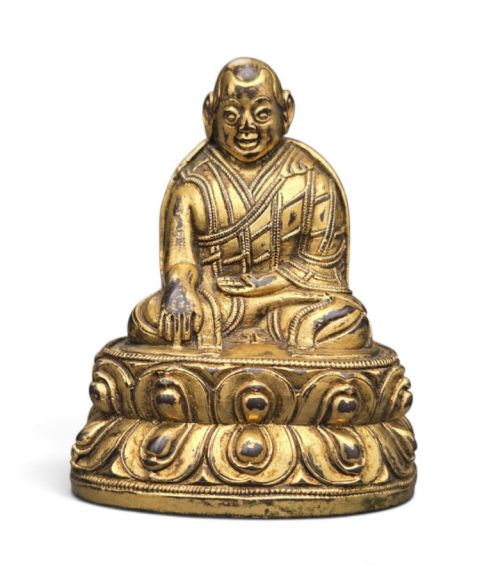
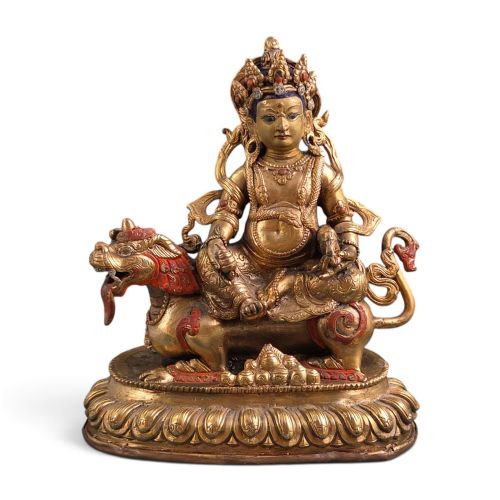
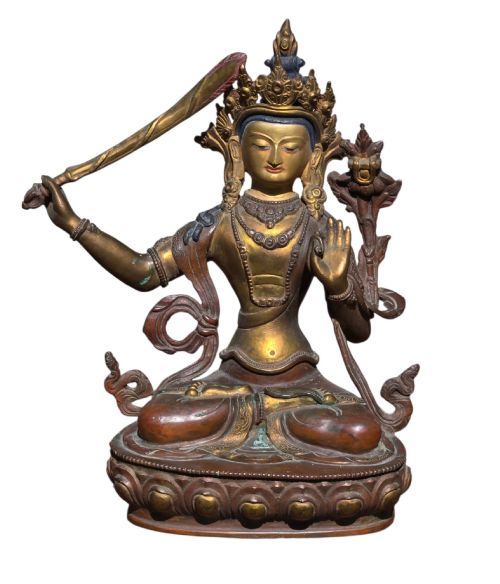
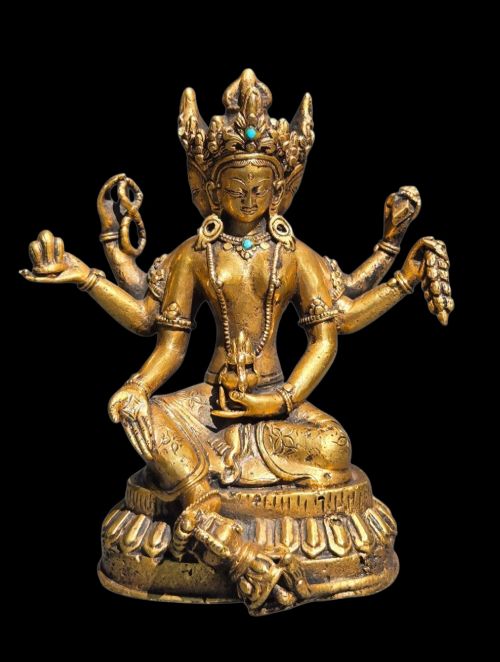
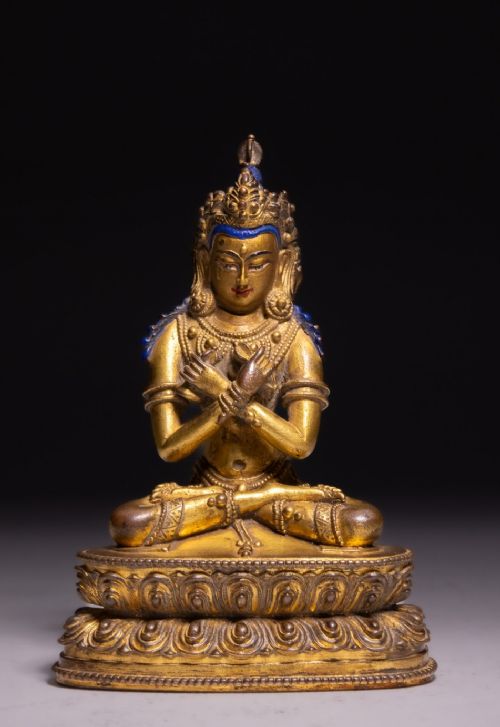
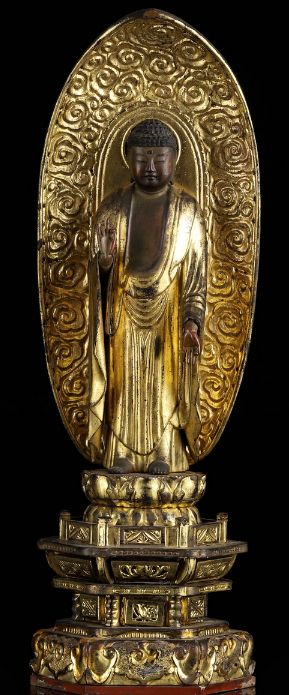
An antique gilt buddha encompasses sacred sculptures created across various Asian regions, capturing divine figures from different philosophical traditions. You will frequently encounter Sino-Tibetan and Chinese bronze figures alongside Burmese and Japanese wooden statues.
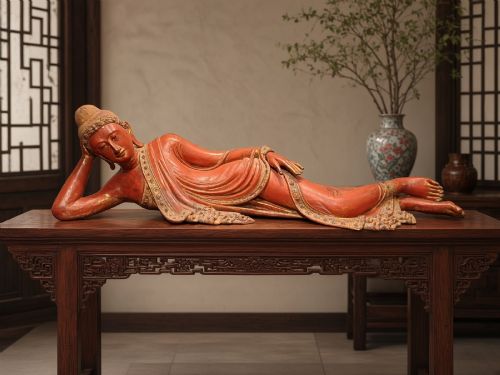
The selections span significant historical eras, stretching back to sixteenth-century Ayutthaya pieces and moving forward through eighteenth-century Qing dynasty works into the twentieth century. These objects take many forms, from intimate miniature figures to large temple guardians and substantial seated or reclining deities.
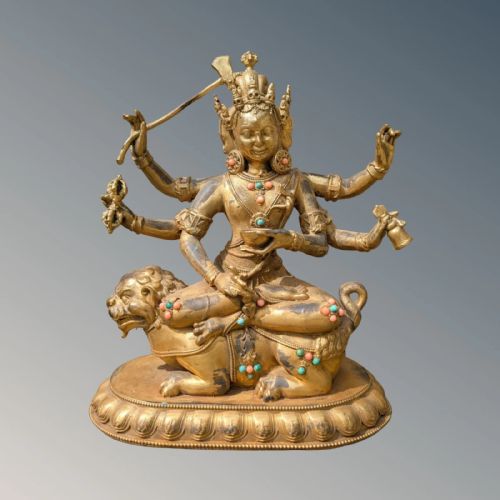
Regional styles dictate the distinct posture, facial expression, and ornamentation of each sculpture. Whether viewing a multi-armed deity with turquoise inlays or a monumental temple guardian, every piece reflects the sculptural conventions of its specific provenance.
Materials and construction methods
Many sculptures utilise bronze cast through traditional methods, finished with applied gold leaf or fire gilding to create a brilliant metallic surface. Other pieces are carved from wood, occasionally enhanced with polychrome pigments, lacquer, and embedded stones like turquoise.
The application of surface decoration requires high skill, particularly when layering gold leaf over carved wooden bases or detailing intricate metal cast robes. Artisans combined casting, carving, and pigment application to achieve durable yet ornate sacred imagery.
Antique Gilt Buddha Retail Price Guide 2026
Typical asking prices for gilt buddha among the pieces listed under this phrase on Sellingantiques today, from the lower quarter to the upper quarter. They describe what is for sale here now, not the wider market.
Listings feature works spanning the sixteenth through the early twentieth centuries, utilising materials such as gilt bronze, wood, lacquer, and turquoise.
Judging sculptural quality
The preservation of the original surface finish, whether intact fire gilding, gold leaf, or layered polychrome pigment, heavily influences the integrity of the object. Weight, proportion, and the harmony of regional stylistic details further distinguish exceptional examples.
The Antique Gilt Buddha Glossary
- Gilt bronze
- Metal cast sculpture treated with a gold application, creating a luminous metallic finish. This durable medium allows for precise facial expressions and intricate ornamentation.
- Sino-Tibetan
- A stylistic classification blending Chinese casting techniques with Tibetan Buddhist iconography. These pieces often feature elaborate jewellery, lotus bases, and dynamic postures.
- Bodhisattva
- An enlightened being dedicated to helping others achieve salvation. These figures are typically depicted with rich ornamentation, crowns, and serene expressions.
Antique Gilt Buddha: Frequently Asked Questions
What periods do these pieces date from?
The available selection spans several centuries of production, beginning with sixteenth-century Ayutthaya examples and progressing through eighteenth-century Qing dynasty works.
You will also find nineteenth-century Burmese and Japanese pieces alongside early twentieth-century creations, reflecting diverse historical traditions.
How are these figures constructed?
Sculptures are primarily created from cast bronze or carved wood, each requiring specialised artisanal techniques.
Surfaces are frequently embellished with gold leaf, fire gilding, lacquer, polychrome pigments, and occasional turquoise inlays.
Where do these sculptures originate?
Pieces originate from across Asia, encompassing Sino-Tibetan workshops, China, Burma, Thailand, and Japan.
Each geographic region imparts distinct stylistic traits regarding posture, vestments, and iconography.
How should I display a sculpture at home?
These statues suit prominent placement on sturdy surfaces where their detailed carving and reflective surfaces can be appreciated.
Ensure they are kept away from direct heat sources and excessive moisture to protect the wood, bronze, and gilt finishes.