


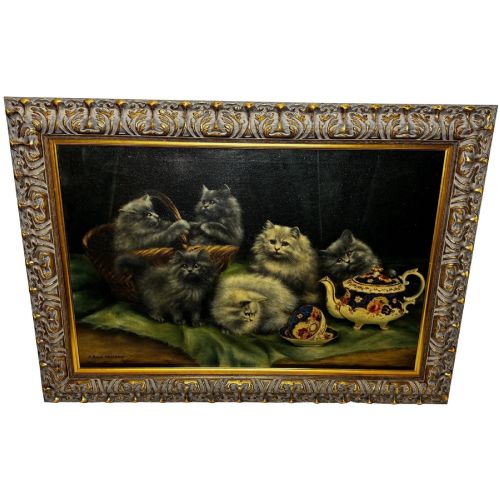
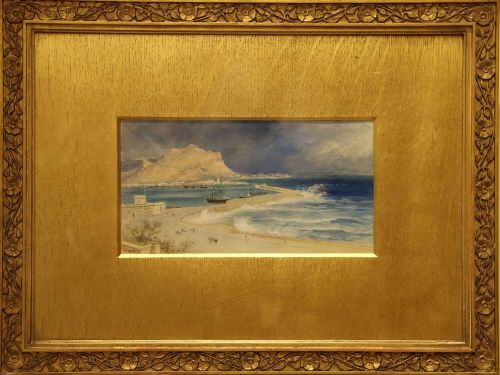
Antique Gilt Artwork
Antique gilt artwork brings together centuries of painted canvas, paper and panel enclosed within gleaming metallic surrounds.
Antique Gilt Artwork
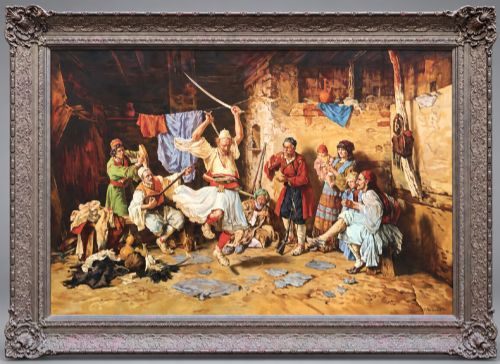
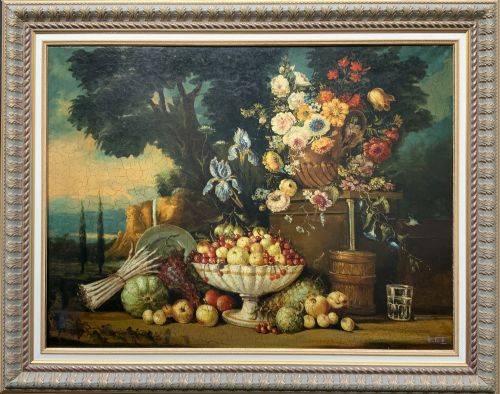
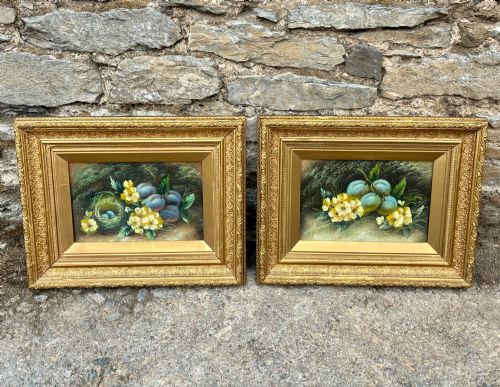
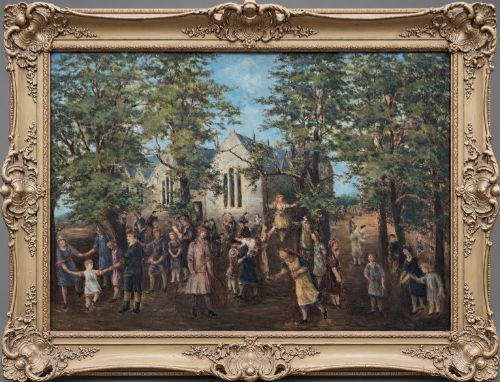
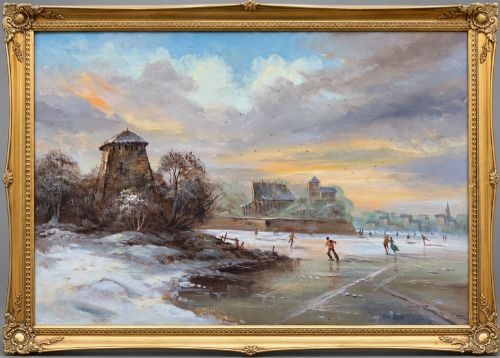
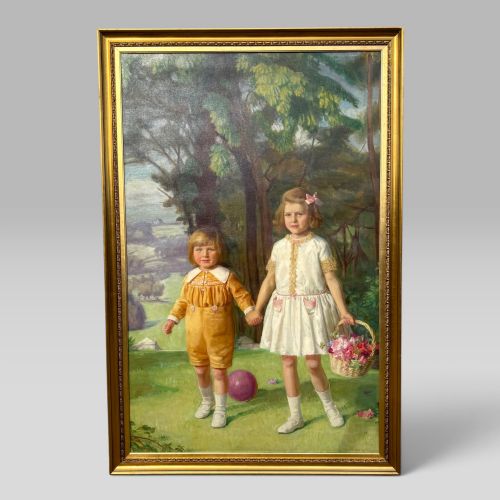
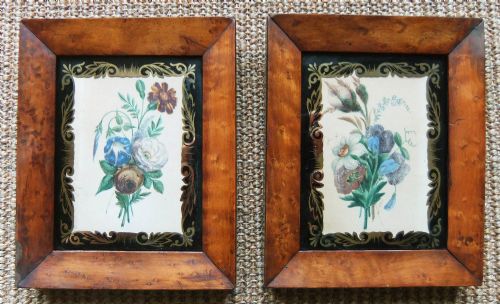
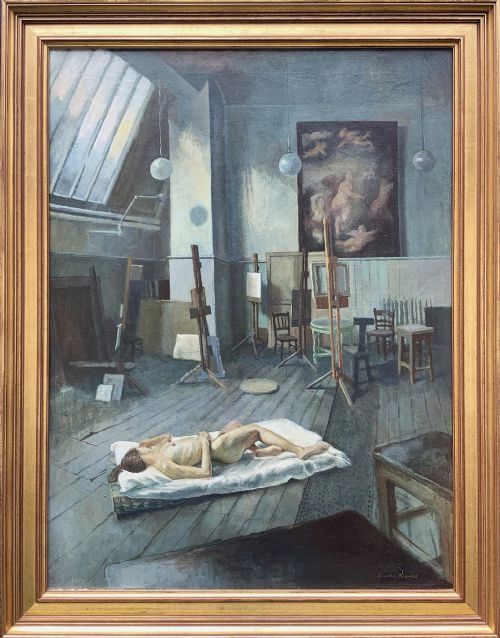
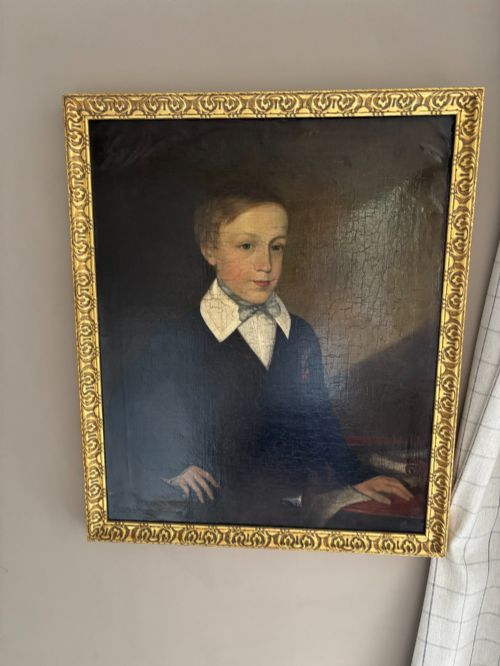
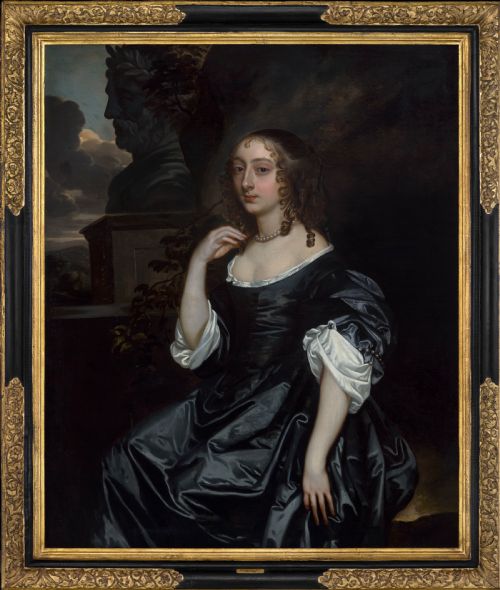
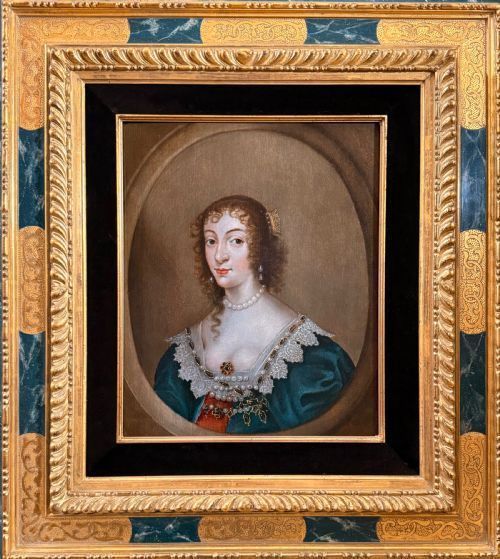
When searching for antique gilt artwork, buyers encounter a diverse selection of paintings, watercolours, pastels and framed prints spanning multiple centuries. The selection on this page ranges from 17th-century Flemish school panels and 18th-century French portraits to Victorian landscapes and early 20th-century impressionist scenes. These pieces frequently take the form of oil paintings on canvas, framed drawings and decorative watercolours.
The most common formats met here are framed portraits and landscape studies. Subjects stretch from equine art and military officers to romantic vistas and botanical studies, often housed in period wooden frames that utilise gilded surfaces to catch the light. Buyers look to these pieces to introduce historical depth and traditional craftsmanship into domestic interiors.
Materials and construction methods
The physical objects rely on traditional painting supports such as canvas, wood panels and paper, combined with oil paint, watercolour or pastel. Artists applied pigments by hand, sometimes working on board or stretched canvas within schools of regional practice that developed across Britain and continental Europe.
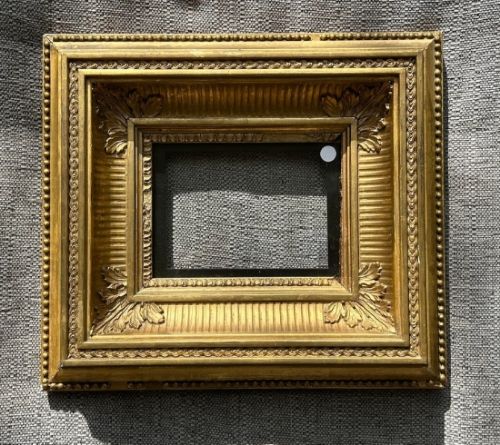
Surrounding surrounds consist of wood substrates treated with gesso and finished with applied leaf or metallic paint to create the distinctive golden border. These enclosures were constructed by specialist frame makers who matched the decorative vocabulary of the period, from ornate French rococo styles to simpler Victorian mouldings.
Listings feature 17th-century works through to 1960s pieces, utilising oil paint, watercolour, pastel and cut paper mounted in wood and giltwood.
Factors influencing quality
Execution and handling of the medium separate finer works from ordinary examples. A painting with confident brushwork, accurate anatomical proportion and nuanced colour mixing demonstrates superior artistic competence compared to a rigid or formulaic copy.
The integrity of the frame and its relationship to the artwork also dictate overall standard. Original frames that retain their original gilded finish without heavy overpainting contribute significantly to the visual harmony and historical authenticity of the piece.
Henry Barraud·Sir Joshua Reynolds·William James Hubard·Jean-Baptiste Van Loo·Sir Peter Lely
The Antique Gilt Artwork Glossary
- Giltwood
- Wood that has been coated with gold leaf or a gold-coloured metallic finish. This material forms the primary structure of many decorative period frames.
- Oil on Canvas
- A painting technique using pigments suspended in a drying oil medium applied to a woven fabric support. This combination dominates the historical painting market.
- Pastel
- A dry art medium consisting of powdered pigment and a binder rolled into sticks. Works executed in this medium require glass protection to prevent smudging.
- Provenance
- The documented history of ownership of an artwork. Clear records help establish authenticity and past exhibition history.
Antique Gilt Artwork: Frequently Asked Questions
How do I clean an antique gilt frame?
Dusting gently with a soft, dry brush is the safest method for removing surface debris from fragile gilded surfaces. Avoid using liquid cleaners or abrasive cloths, which can strip the delicate metallic finish.
Professional conservators should handle any deeper cleaning or repair work on flaking gesso and leaf. Water or chemical solvents can permanently damage the underlying bole and preparation layers.
Are these paintings original or copies?
Many listings include original works painted directly from life or imagination by period artists. Other pieces represent historical copies made after famous masters, which held significant educational and decorative value in past centuries.
Examining the canvas texture, pigment ageing under magnification, and stretcher construction helps determine whether a piece is a primary work. Attribution notes in the title usually indicate if a painting is after another artist.
Where should I hang gilt artwork?
Gilt artwork thrives in rooms with stable temperature and humidity away from direct sunlight. Sunlight can fade delicate watercolours and pastels, while moisture fluctuations damage wooden panels and canvas tension.
Placing pieces on interior walls allows the metallic surrounds to reflect ambient light effectively. Pairing them with traditional or transitional interior decor enhances their visual impact.
How do I identify the period of a frame?
Frame styles evolved alongside furniture and architectural design, shifting from elaborate carved wooden rococo patterns to simpler Victorian and Edwardian profiles. Corner construction methods and the composition of the underlying gesso provide clues to manufacture date.
Matching the frame style to the approximate date of the artwork is common practice, though many older pieces were reframed in later periods. Close inspection of rebate edges often reveals earlier mounting marks.