

Antique Gillow Cabinet
An antique gillow cabinet is a piece of fine English furniture built to last, sought after for its refined timber and maker's stamp.
Antique Gillow Cabinet
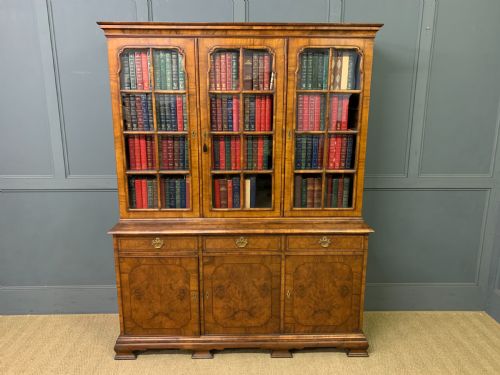
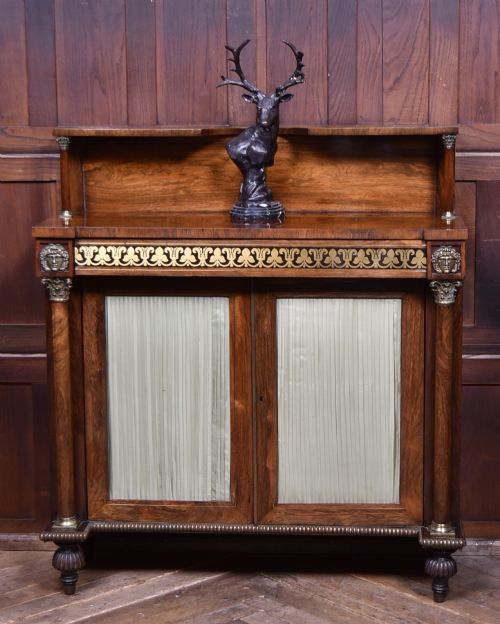
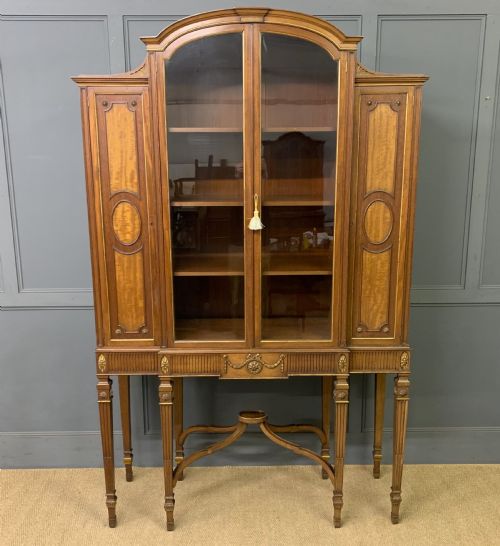
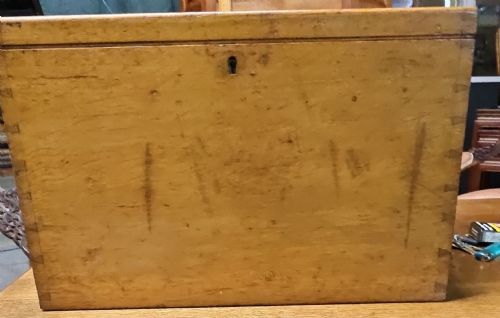
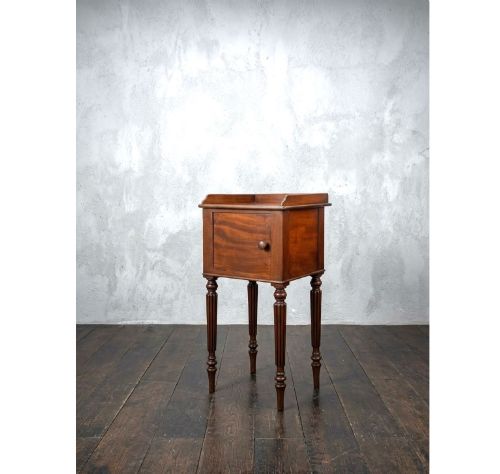
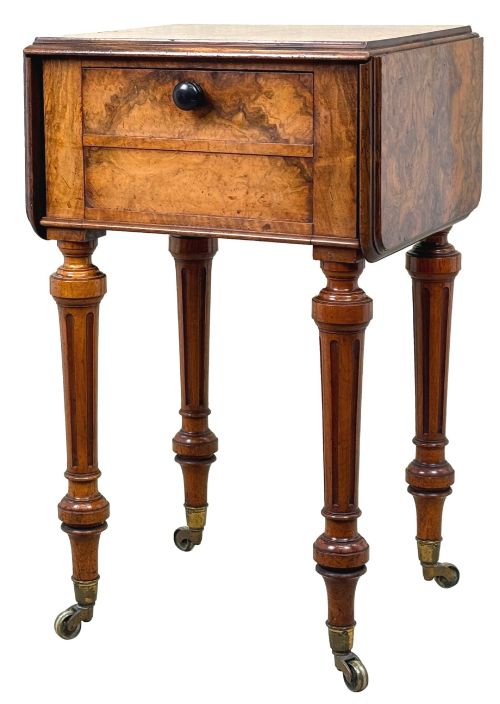
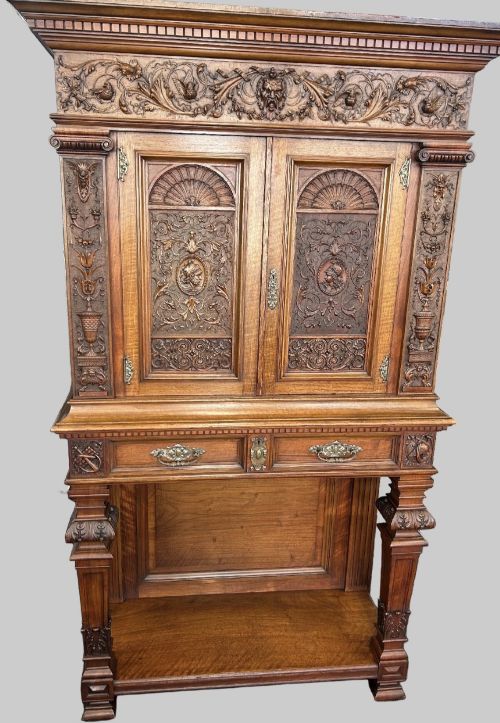
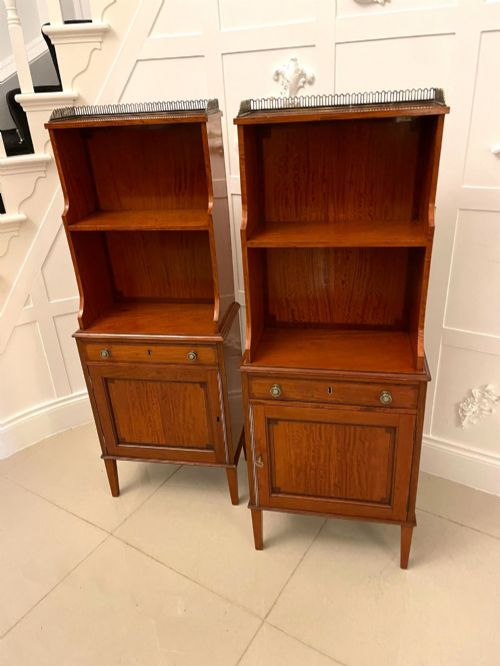
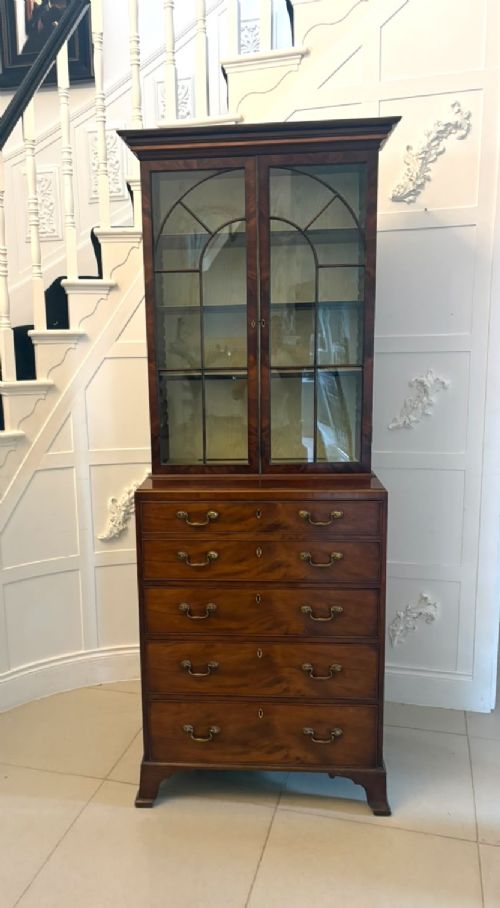
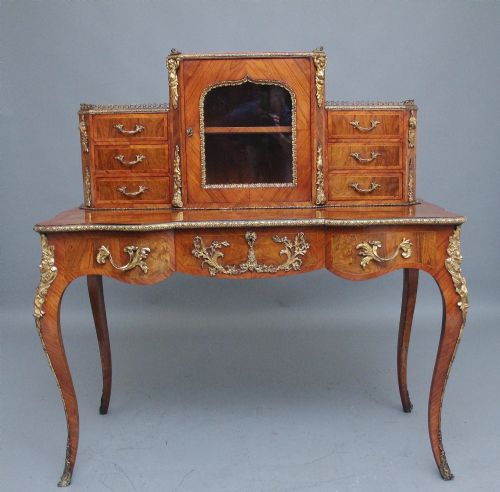
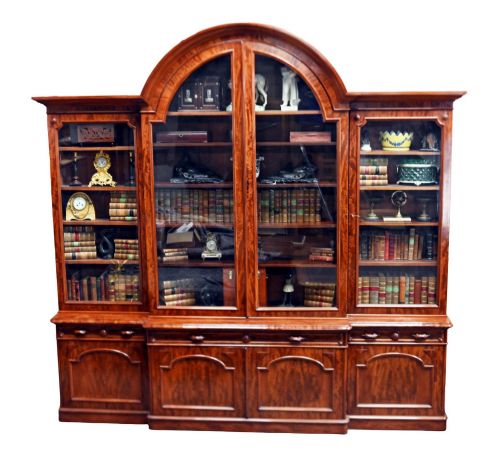
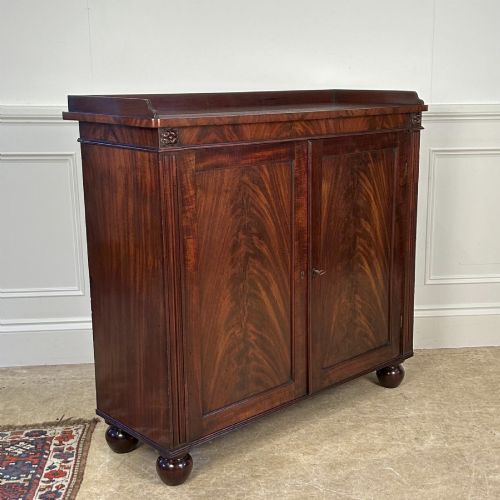
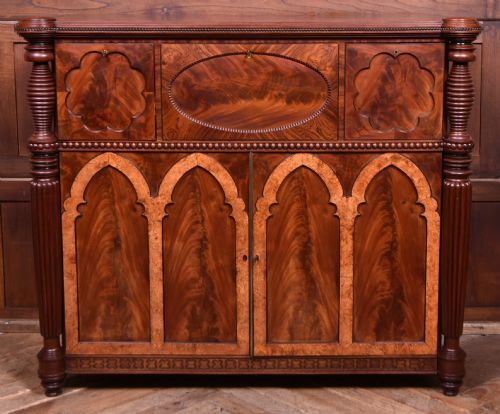
An antique gillow cabinet covers a broad span of functional household storage, from towering library bookcases to compact bedside cupboards. When exploring this selection, buyers frequently encounter mahogany and burr walnut pieces stemming from the Regency and Victorian eras.
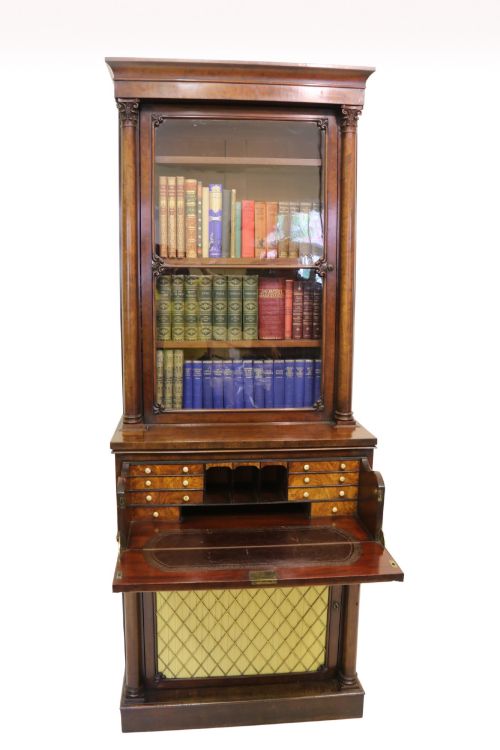
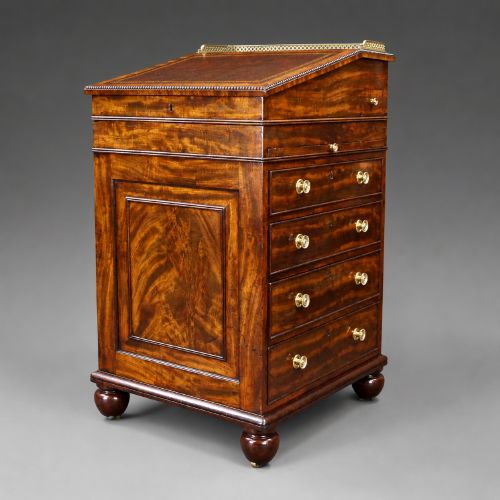
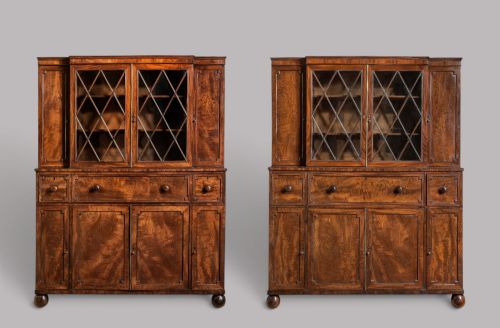
The firm of Gillows operated from Lancaster and London, producing practical yet decorative furniture for affluent homes. These items range from secretaire bookcases with astragal glazed doors to inlaid side cabinets and davenport desks.
Many examples on this page date through the nineteenth century, reflecting shifts from Georgian proportion to Victorian ornamentation. Pieces appear both stamped by the workshop and attributed through characteristic construction details.
Materials and construction methods
Cabinet makers relied heavily upon dense tropical hardwoods like mahogany and rosewood, alongside figured veneers such as burr walnut and satinwood. Timber selection dictated the visual weight of each bookcase or desk.
Secondary woods provide structural stability inside drawers and carcases, whilst brass handles, hinges and ormolu mounts add functional detail. Glass panels are often set into delicate wooden tracery on library bookcases.
Antique Gillow Cabinet Retail Price Guide 2026
Typical asking prices for gillow cabinet among the pieces listed under this phrase on Sellingantiques today, from the lower quarter to the upper quarter. They describe what is for sale here now, not the wider market.
Listings feature mahogany, rosewood, burr walnut, and satinwood across Regency, Victorian, and Georgian periods.
Markers of fine execution
Quality rests upon the choice of timber and the precision of the cabinet work, particularly in figured veneers and matched grain patterns. A crisp carving on mahogany or walnut separates standard production from superior workshop output.
The presence of a clear maker stamp or signature directly impacts desirability among collectors. Original brass hardware, fitted interiors within secretaire drawers, and undamaged glazed panels further distinguish the finest examples.
Gillows·Waring and Gillow·Gillow and Co
The Antique Gillow Cabinet Glossary
- Secretaire
- A cabinet or desk featuring a pull-out writing drawer with a drop-front revealing small compartments and pigeonholes. This hybrid form offers enclosed storage alongside writing space.
- Astragal glazed
- Glass doors divided by narrow wooden bars into geometric panes. These are commonly found on the upper sections of library bookcases.
- Davenport
- A small desk with a sloping writing surface and drawers accessed from the side. It originated in the Regency period as a compact writing station.
- Cellarette
- A fitted cabinet or box designed to hold bottles of wine safely. They often sit low to the ground and feature internal dividers.
- Credenza
- A low sideboard or cabinet, frequently featuring marquetry and ormolu mounts. These pieces gained popularity during the Victorian era for display and storage.
Antique Gillow Cabinet: Frequently Asked Questions
How do I spot a real Gillows stamp?
Makers typically impressed their name in block capitals directly onto the top edge of a drawer divider or carcase. Look closely along the exposed timber frames of drawers for this simple punch mark.
Faint or partial stamps still confirm workshop origin when combined with characteristic construction methods and timber choices specific to Lancaster and London cabinet makers.
What is a secretaire bookcase?
A secretaire bookcase combines upper shelving enclosed by glass doors with a middle drawer that folds down to create a writing desk. Inside, small drawers and pigeonholes provide organised storage for stationery.
This form allowed owners to store books above while concealing a functional workspace within the main body of the furniture.
How do I care for antique mahogany?
Keep wooden furniture away from direct sunlight and household heat sources to prevent the timber and veneer from drying out or cracking. Regular dusting with a dry, soft cloth maintains the polished surface without building up wax residues.
Apply a traditional beeswax polish sparingly only when the wood appears dry, rubbing it firmly into the grain to nourish the antique finish.
How do I date a Victorian cabinet?
Dating relies upon stylistic cues, construction hardware, and the choice of secondary woods hidden inside drawers. Victorian pieces often display heavier proportions and darker rosewood or burr walnut veneers compared to earlier Regency styles.
Examine the drawer linings and screw types, as machine-cut components and Phillips screws point towards later nineteenth or early twentieth-century production.