

Antique Gilded Vase
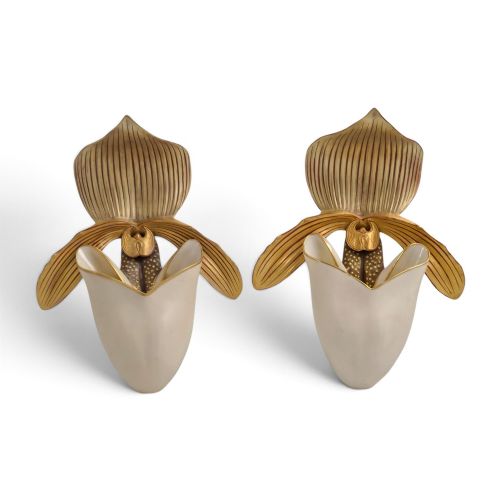
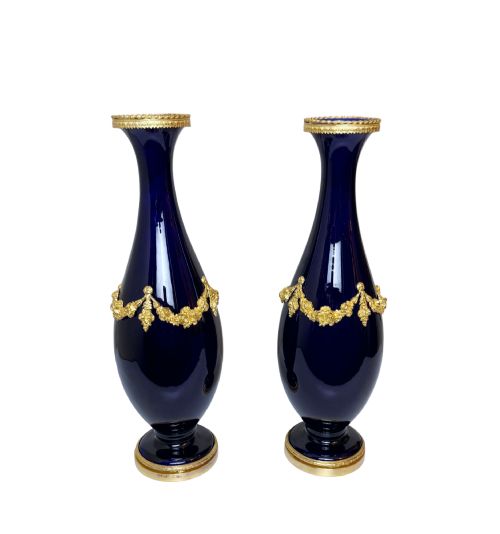
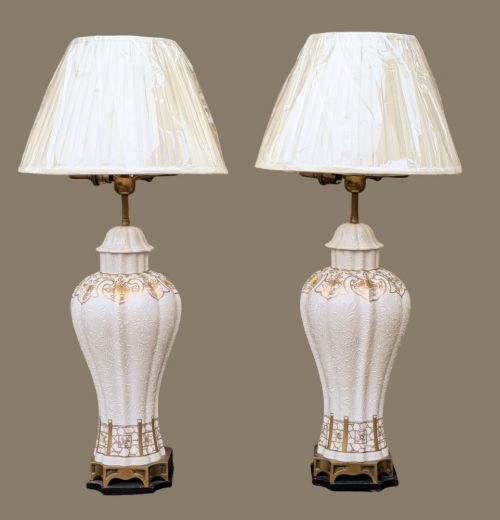
An antique gilded vase brings rich metallic lustre and hand-painted detail to a room, spanning European porcelain houses and Japanese Satsuma workshops.
Antique Gilded Vase
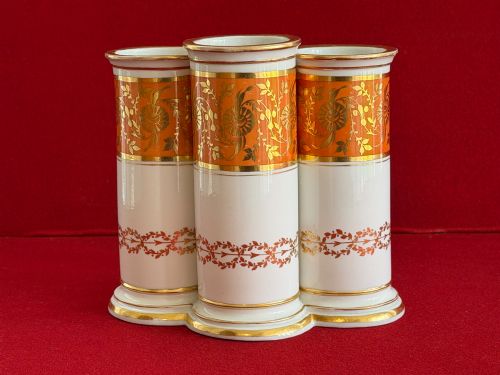
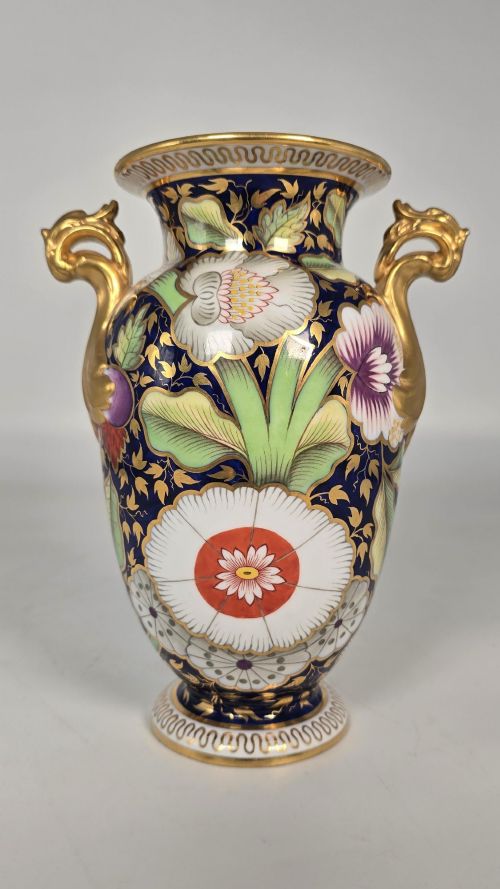
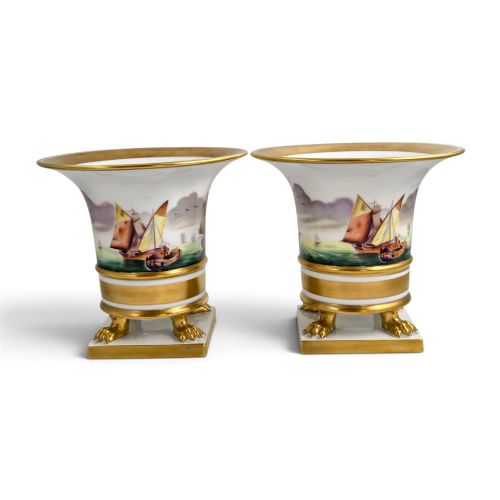
When searching for an antique gilded vase, collectors encounter diverse forms ranging from Georgian and Regency porcelain campana shapes to large Japanese Meiji period floor vases and Satsuma garnitures.
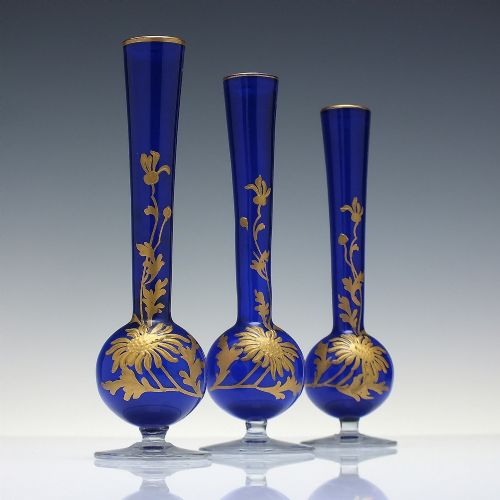
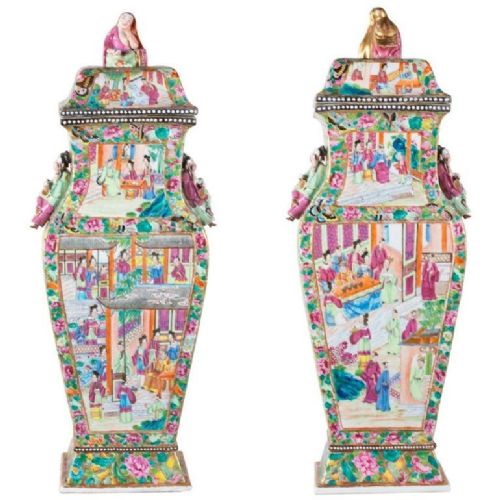
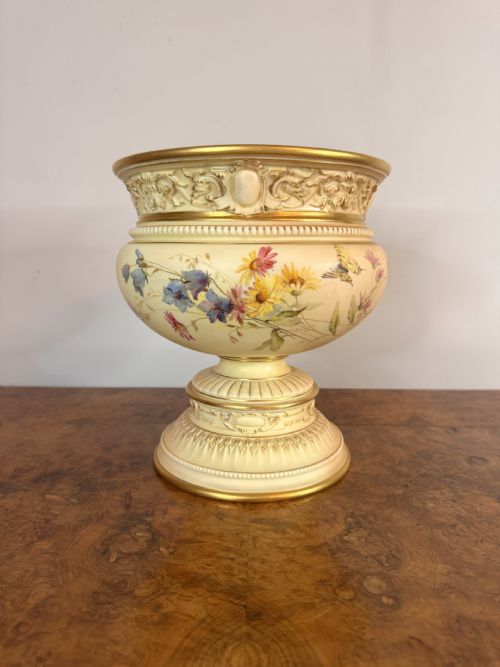
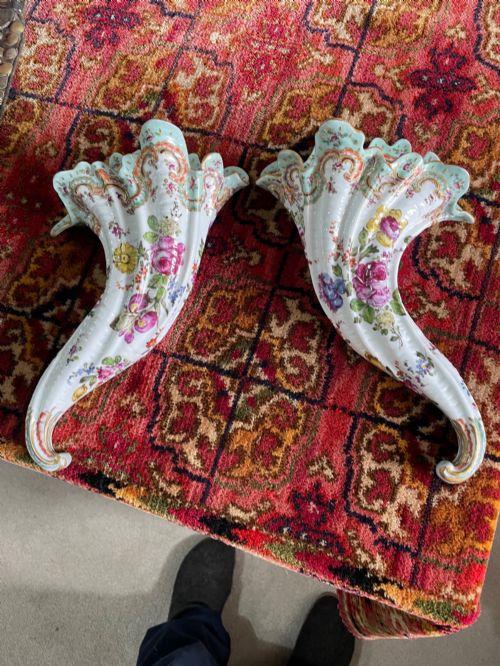
The most common versions met on this page include nineteenth-century porcelain vessels featuring hand-painted botanical or figurative subjects enriched with gold leaf or gilt highlights.
The selection extends across Victorian, Edwardian, and twentieth-century makers, incorporating urns, jardinières, spill vases, and lidded potpourri pots decorated with enamel paint and gilding.
Materials and construction
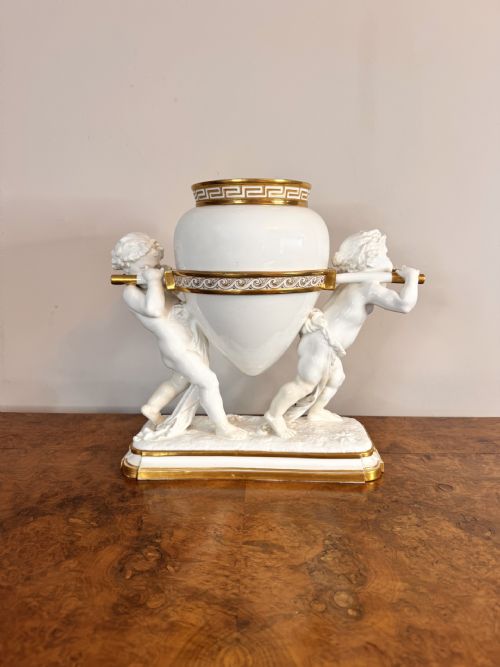
Makers shaped these pieces primarily from porcelain, earthenware, and glass, applying glazes and enamel paint before adding gold leaf, gilt, or gilding to accent the designs.
Techniques varied by region, from English factory porcelain painted by noted decorators to Japanese earthenware vessels decorated with iron red and gilt pigments during the Meiji period.
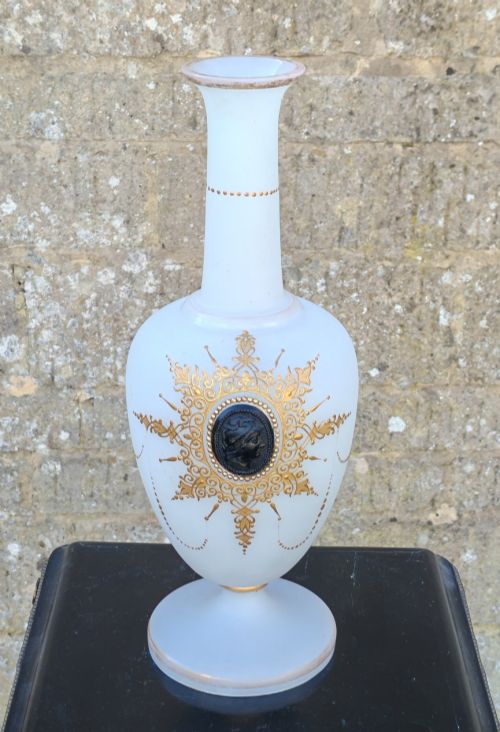
Specialised processes such as acid etching on glass and cloisonné enamelling also appear among the listed items, demonstrating diverse decorative traditions.
Antique Gilded Vase Retail Price Guide 2026
Typical asking prices for gilded vase among the pieces listed under this phrase on Sellingantiques today, from the lower quarter to the upper quarter. They describe what is for sale here now, not the wider market.
Materials include gold leaf, enamel paint, and glaze applied to both European and Japanese forms.
Assessing quality and execution
The refinement of the hand-painted decoration separates standard production pieces from works attributed to named artists or major porcelain manufactories.
Depth and preservation of the gold leaf or gilding indicate the level of craftsmanship, particularly on high-relief surfaces like twin-handled mask vases and lidded urns.
Form and scale influence distinction, with large pairs, garnitures, and cabinet-quality miniatures demonstrating greater ambition in design and execution.
Derby Porcelain·Spode·Minton·Royal Vienna·Baccarat·Flight, Barr & Barr·Edme Samson·Royal Crown Derby·Royal Worcester·Sitzendorf·Locke & Co.
The Antique Gilded Vase Glossary
- Campana
- A bell-shaped vessel with a flaring rim, often associated with classical revival forms in Regency porcelain.
- Garniture
- A set of matching vases or urns designed to be displayed together on a mantelpiece or sideboard.
- Jardinière
- An ornamental pot or stand intended for holding plants or floral arrangements.
- Spill Vase
- A small, slender vessel designed to hold taper spills used for lighting candles and fires.
- Koro
- A Japanese incense burner, frequently found in porcelain or earthenware garniture sets.
Antique Gilded Vase: Frequently Asked Questions
How were antique gilded vases used in period homes?
These vessels served as ornamental centrepieces on mantelpieces, tables, and sideboards, often arranged as pairs or multi-piece garnitures.
While some were manufactured to hold fresh flowers or spill tapers, others functioned purely as decorative objects to display wealth and artistic taste.
What is the difference between porcelain and earthenware vases?
Porcelain is a vitrified, translucent ceramic fired at high temperatures, producing a refined white body that readily accepts detailed enamel painting and bright gilding.
Earthenware uses a porous clay body fired at lower temperatures, often seen in Japanese Satsuma wares and larger decorative floor vessels.
How do I care for antique gilding?
Gold leaf and gilt surfaces require gentle handling to prevent the metallic decoration from wearing away over time.
Dusting should be done lightly with a soft, dry cloth without the use of chemical cleaners or abrasive polishes that damage the glaze.
How can I distinguish Regency pieces from Victorian ones?
Regency vases typically feature neoclassical shapes inspired by antiquity, such as campana urns, with restrained classical motifs and fine hand-painted reserves.
Victorian examples often embrace bolder revival styles like Rococo or eclectic patterns, featuring heavier gilding and vibrant polychrome enamel colours.