




Antique Geometric Rug
An antique geometric rug brings tribal rhythm and structure to a floor, built from wool and natural dyes across village and nomad workshops.
Antique Geometric Rug
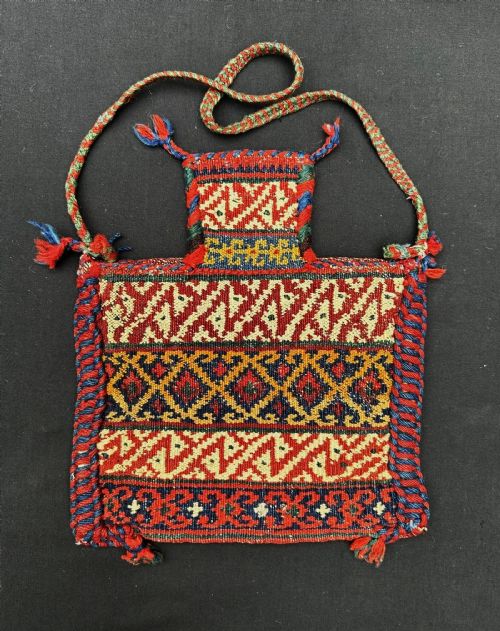
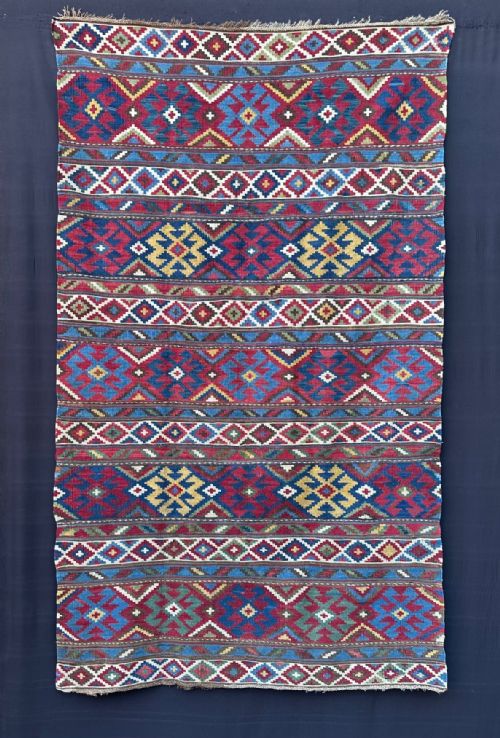
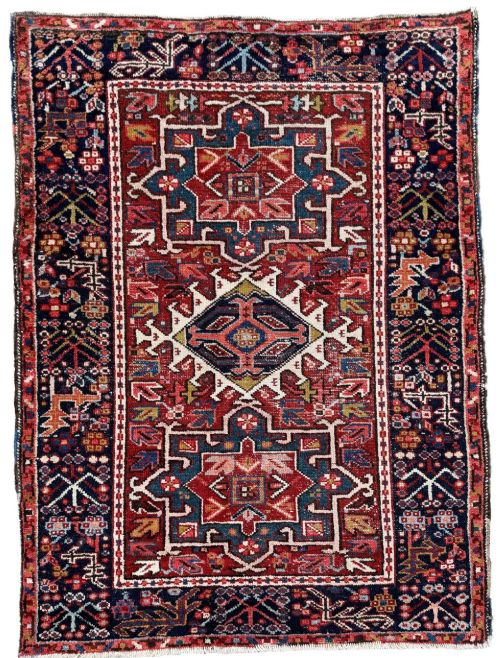
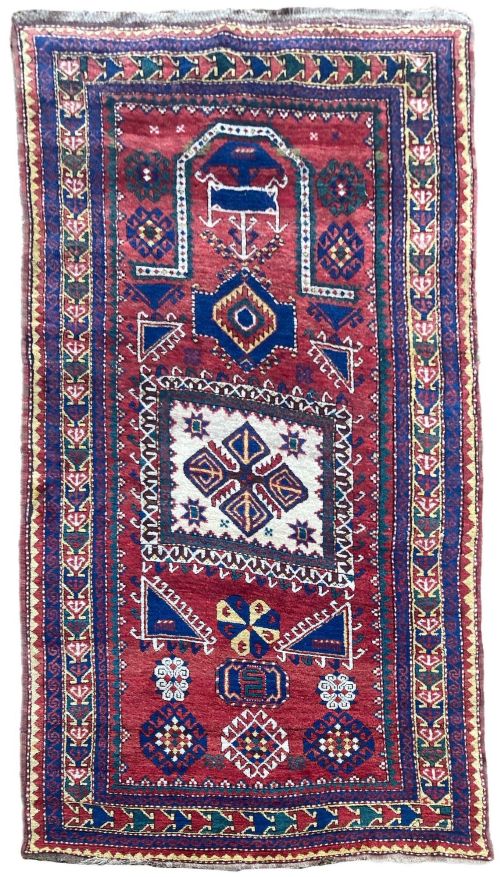
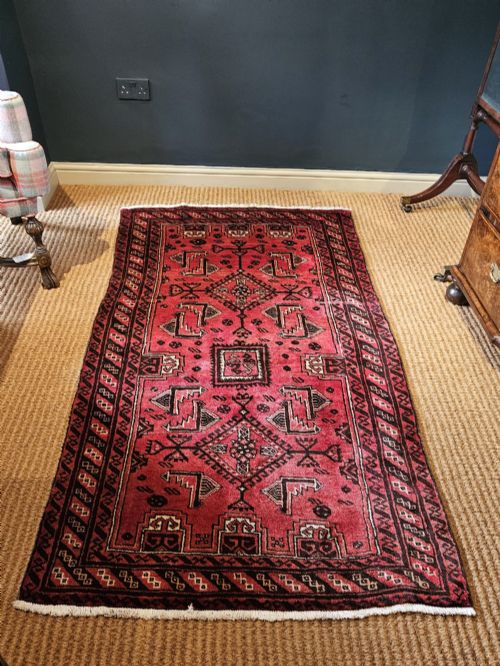
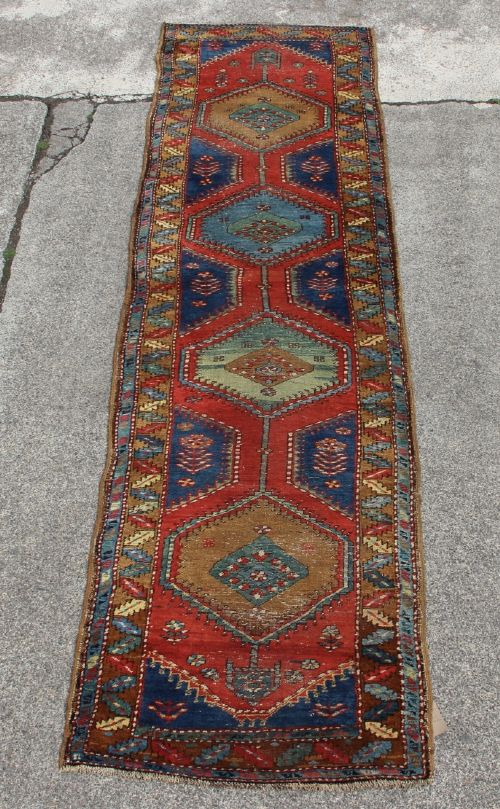
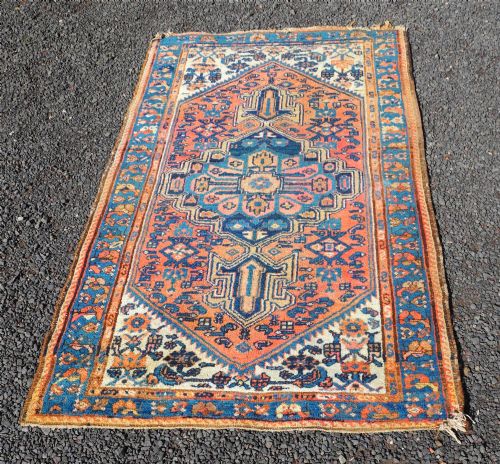
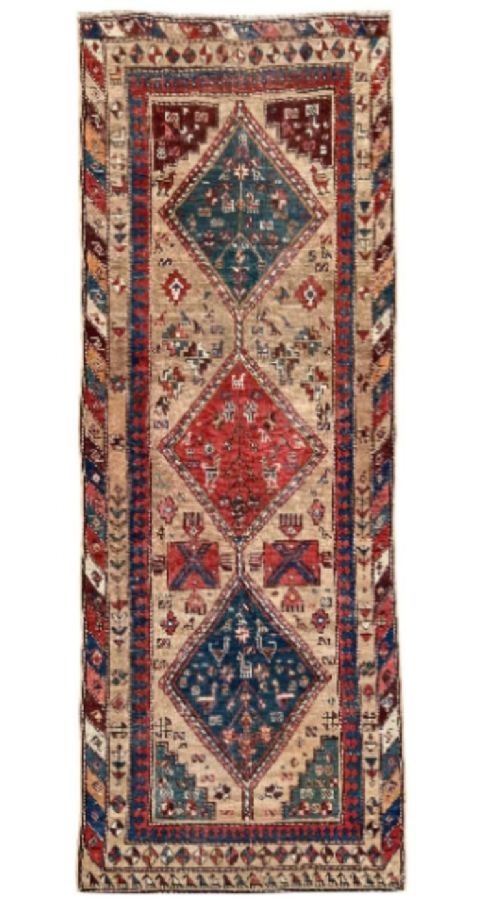
An antique geometric rug encompasses tribal and village weaving traditions originating from regions such as the Caucasus, Persia, Anatolia, and Turkmenistan. These textiles span periods from the nineteenth century into the early decades of the twentieth century, taking forms such as area rugs, runners, prayer rugs, and carpets.
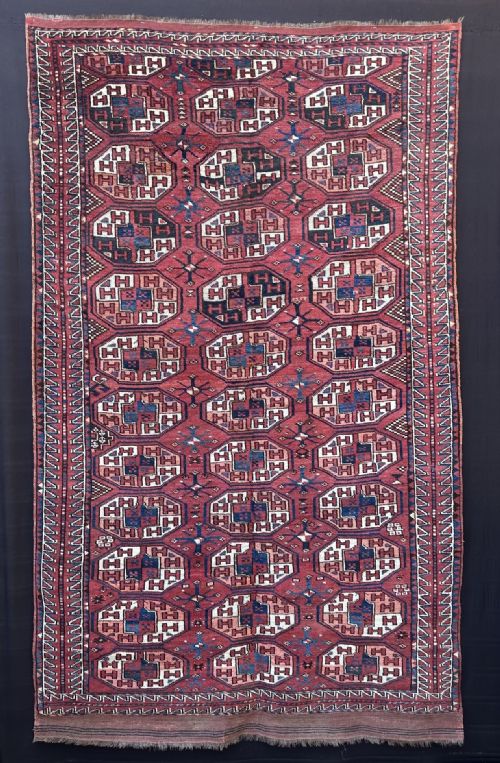
Buyers meet diverse regional identities on this page, including Kazak, Heriz, Karaja, Afshar, Baluch, and Turkmen tribal pieces. Each weaving group employs distinct structural layouts, from repeated guls to medallion arrangements and stark prayer arches.
The aesthetic relies entirely on angular motifs, stepped polygons, and rectilinear borders rather than flowing floral curves. These floor coverings served practical domestic purposes in village homes and nomadic tents before entering the antique market.

How They Were Made
Weavers constructed these pieces predominantly using wool, cotton foundations, and hand-spun wool yarns, occasionally incorporating camel wool for durability. Natural dyes provided the palette, yielding rich tones that settled into mellow hues over decades of exposure.
The production relied on traditional hand-weaving techniques executed on vertical or horizontal looms within village communities and nomadic camps. Artisans knotted the wool pile firmly onto cotton or wool warps andwefts, ensuring structural resilience for everyday use.
Antique Geometric Rug Retail Price Guide 2026
Typical asking prices for geometric rug among the pieces listed under this phrase on Sellingantiques today, from the lower quarter to the upper quarter. They describe what is for sale here now, not the wider market.
Listings feature pieces spanning from the nineteenth century through the 1930s, utilising pure wool, hand-spun wool, and camel wool.
What Varies in Quality
The integrity of the wool pile and the precision of the knotting dictate the durability of each textile. Tightly packed foundations and uniform hand-spun yarns separate robust village carpets from lighter tribal fragments.
The depth and clarity of natural dye colours influence the visual success of the geometric design. Subtle shifts in tone achieved through natural dyeing methods distinguish superior regional examples from standard production.
The Antique Geometric Rug Glossary
- Gul
- A medallion or repeated octagonal motif characteristic of Turkmen and Baluch tribal weaving. These primary design elements often carry tribal identification marks.
- Mihrab
- A niche design element found in prayer rugs, indicating the direction of prayer. This architectural arch dominates the upper field of specific Caucasian and Anatolian pieces.
- Runner
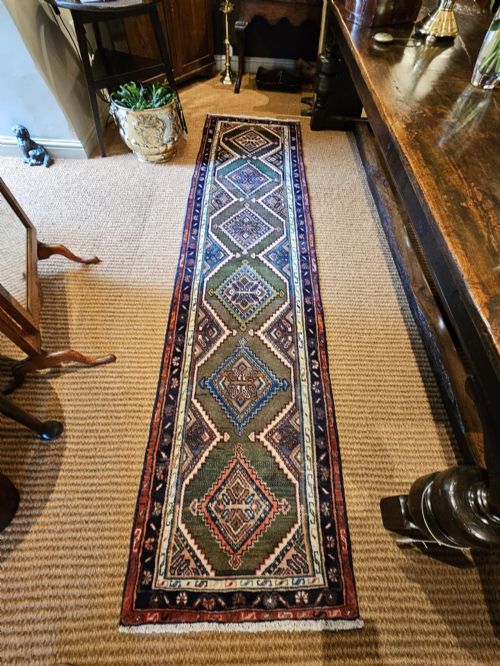
- A long, narrow carpet format designed for hallways, corridors, and staircases. These pieces typically display repeating geometric medallions along a linear axis.
- Warp
- The vertical threads stretched tightly on the loom that form the foundational skeleton of the rug. Fringe ends reveal these structural elements.
- Natural Dyes
- Organic colouring agents derived from plants, roots, and insects before the introduction of synthetic alternatives. These dyes age with distinct tonal variation.
Antique Geometric Rug: Frequently Asked Questions
How do I identify a tribal rug?
Tribal rugs display repeating geometric motifs, angular lines, and designs passed down through specific nomadic or village groups rather than urban workshops. They often feature asymmetrical formatting and saturated natural dye colours.
These pieces reflect the personal expression of the weaver, utilising symbols tied to their specific culture and region of origin.
Where were these geometric rugs made?
The pieces originate across Western and Central Asia, including regions in the Caucasus, Persia, Anatolia, and Turkmenistan. Different tribes and villages within these areas developed distinct weaving styles.
Local access to specific sheep wool and indigenous plant dyes directly shaped the regional aesthetic of each textile.
How do I care for an antique rug?
Gentle vacuuming without a rotating brush roll helps remove embedded dust from the wool pile without damaging the hand-knotted foundation. Professional textile cleaning is recommended for deep maintenance.
Keeping the rug out of direct, harsh sunlight preserves the natural dyes and prevents uneven fading across the wool fibres.
What is a prayer rug used for?
Prayer rugs traditionally served a functional religious purpose, featuring a distinct niche design known as a mihrab that pointed toward Mecca. Owners placed them on floors or used them for personal devotion.
Today, their compact format and symbolic layouts make them popular as wall hangings or decorative accent floor pieces.