
Antique Gemstone Drops
Antique gemstone drops bring movement and colour to the earlobe or neckline through swinging stones set in gold, silver, or platinum.
Antique Gemstone Drops
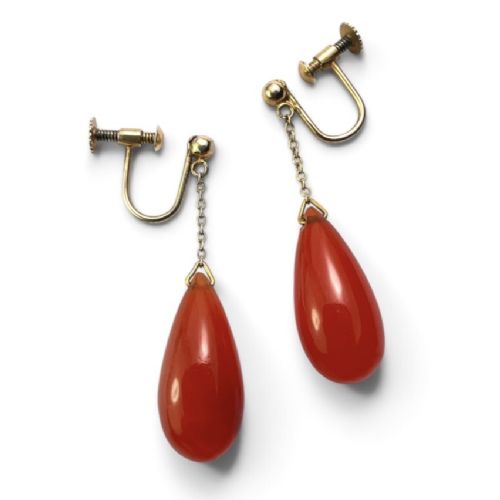
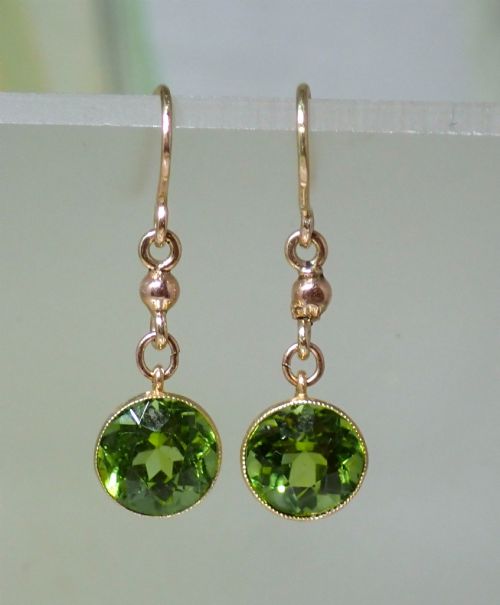
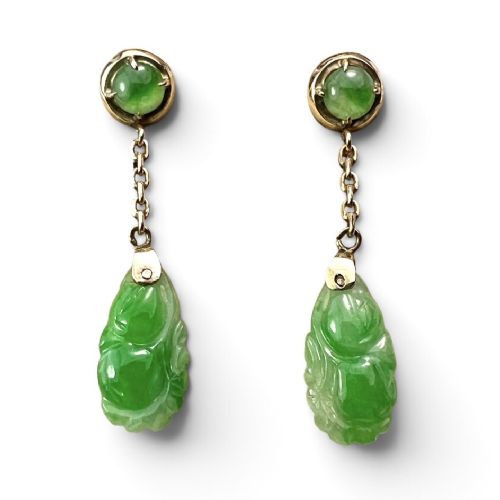
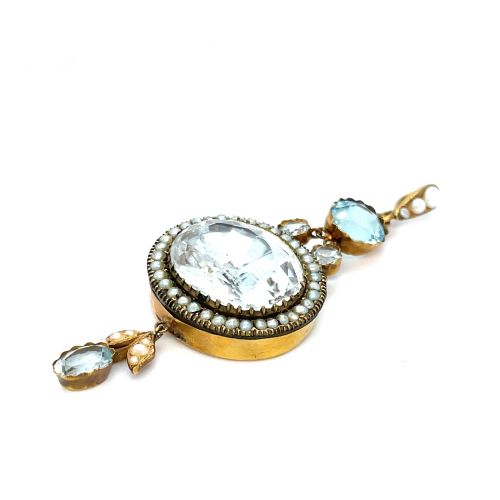
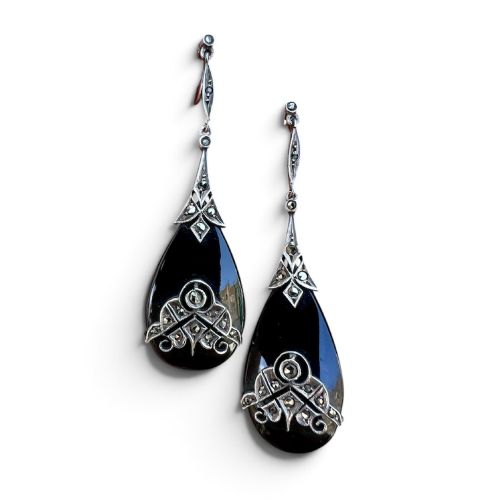
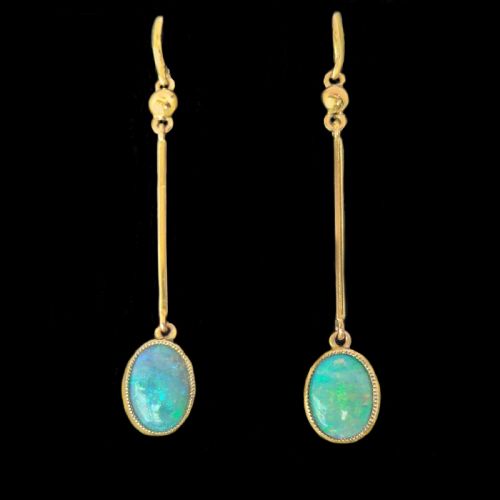
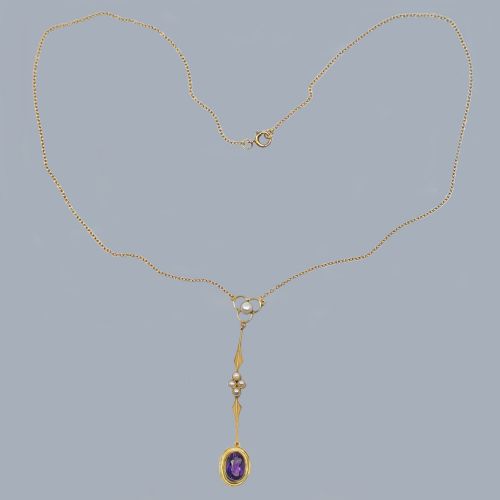
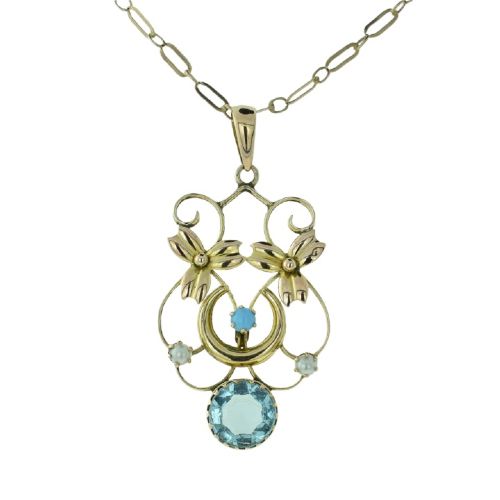
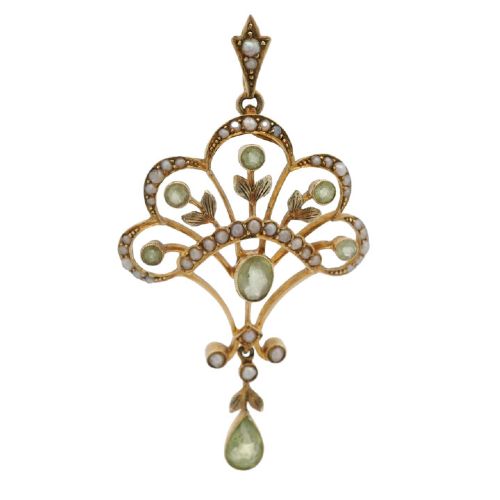
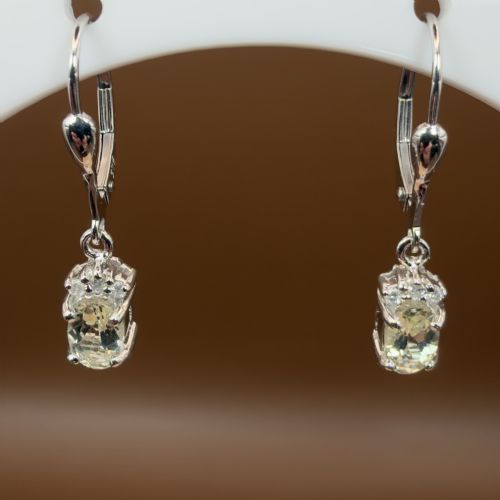
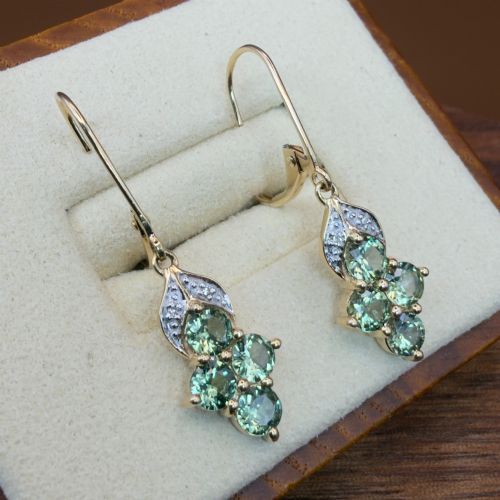
When you search for antique gemstone drops, you encounter swinging pendants and earrings suspended from chains, hooks, or studs. These pieces span Victorian, Edwardian, Art Deco, and mid-century eras, reflecting changing tastes in jewellery design.
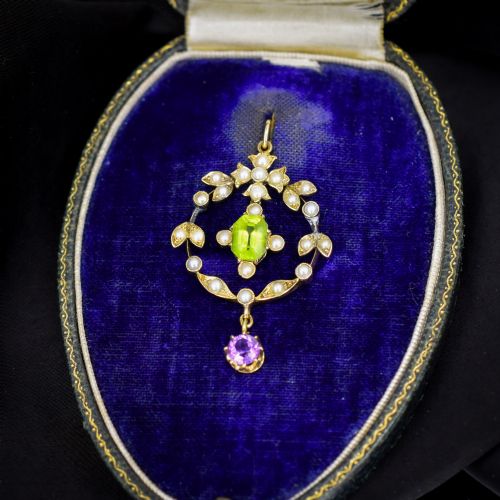
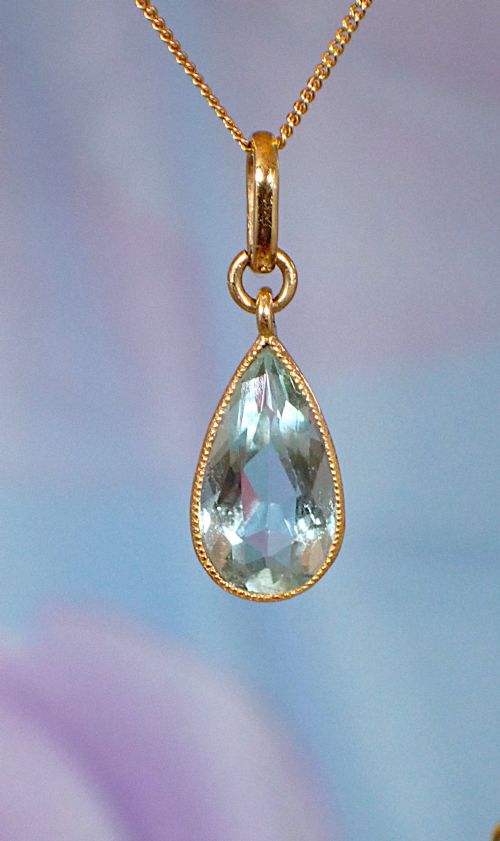
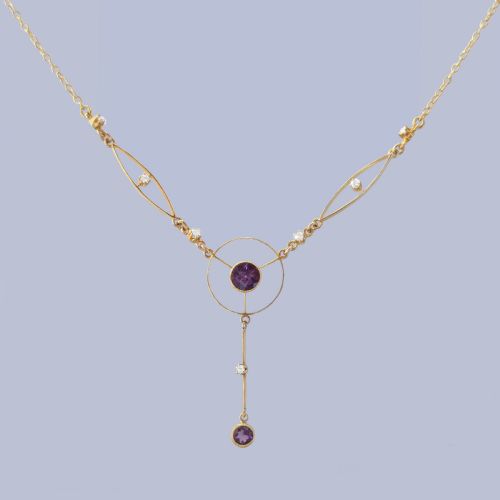
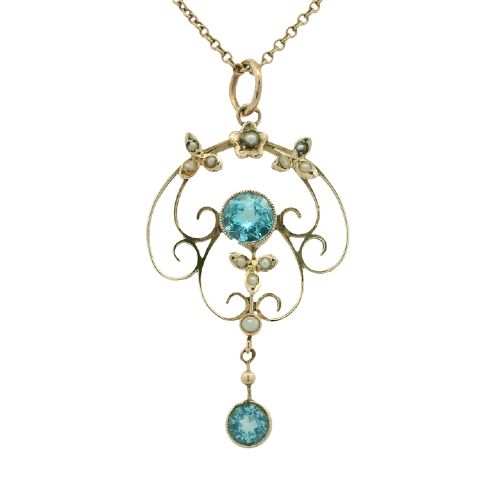
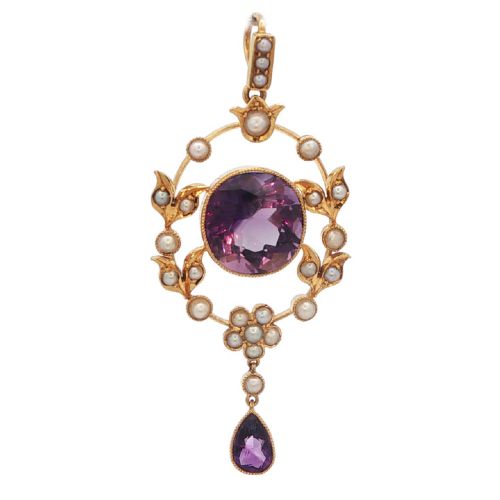
You meet delicate lavaliers, festoon necklaces, and drop earrings most frequently on this page. Common configurations pair central stones like amethysts, peridots, or aquamarines with seed pearls, diamonds, or foil backs.
The materials range from 9ct and 15ct gold to silver and white gold, often grouped into recognizable styles such as Art Nouveau or Arts and Crafts. Pieces take the form of teardrops, multi-stone clusters, or fringe necklaces designed to catch the light with movement.
How they were made
Goldsmiths utilised 9ct and 15ct yellow and rose gold alongside silver and platinum to mount stones securely while maintaining delicate proportions. Gemstones such as amethyst, peridot, aquamarine, opal, and garnet were cut into oval, pear, and cabochon shapes to fit dangling formats.
Artisans incorporated seed pearls, marcasite, rock crystal, and foil backs to enhance the brilliance and texture of the primary stones. Drop elements were linked with small jump rings, wirework, or articulated joints to allow free movement.
Current listings feature pieces spanning the Victorian, Edwardian, Art Deco, and mid-century periods, utilising amethysts, aquamarines, peridots, and opals.
What varies in quality
The distinction between tiers rests upon the choice of gemstones and the precision of the metalwork. Higher-quality examples feature well-matched natural stones with strong saturation, clean facets, and secure settings rather than glued elements.
Construction details also dictate distinction, seen in hand-cut stones, substantial gold weight such as 15ct alloys, and delicate openwork metal framing. Pieces showing careful articulation in their drop sections represent superior craftsmanship.
The Antique Gemstone Drops Glossary
- Lavalier
- A pendant featuring a primary gemstone suspended from a chain, often with a secondary swinging drop below. This style gained popularity during the Edwardian period.
- Seed pearl
- A very small, naturally small saltwater or freshwater pearl, often drilled and threaded onto silk or wire in clusters.
- Foil back
- A technique where a thin sheet of reflective metal is placed behind a gemstone within a closed setting to increase its brightness and colour depth.
- Cabochon
- A gemstone shaped and polished with a smooth, convex upper surface rather than faceted edges.
- Festoon
- A necklace design featuring a draped chain or linked swags of beads, metal, and gemstones that rest across the collarbone.
Antique Gemstone Drops: Frequently Asked Questions
How do I wear antique drop earrings?
Antique drop earrings suit everyday wear and evening occasions alike, bringing subtle motion close to the face. Pair them with simpler necklines to let the swinging stones remain the focus of your outfit.
Secure them with suitable modern or period-appropriate backs to ensure they stay safely in place during wear.
What is a lavalier necklace?
A lavalier necklace is a pendant style featuring a central gemstone suspended from a chain, frequently accompanied by a secondary dangling drop. These pieces date predominantly to the Edwardian and Art Nouveau eras.
The design allows the lower stone to sway independently, creating a delicate, fluid movement when worn against the skin.
How do I date these pieces?
Dating relies on stylistic clues, metal types, and gemstone cuts characteristic of specific eras like the Victorian or Art Deco periods. For example, platinum and geometric motifs point toward the 1920s, while yellow gold and seed pearl clusters often indicate Edwardian work.
Hallmarks and maker's marks stamped on the metal provide definitive chronological anchors when present.
Are these pieces made of solid gold?
Many antique drops utilise solid 9ct or 15ct gold, alongside silver and white gold settings. These alloys reflect the standard purity practices of their respective manufacturing periods.
Checking for hallmarks or testing the metal confirms the specific gold standard used by the maker.