
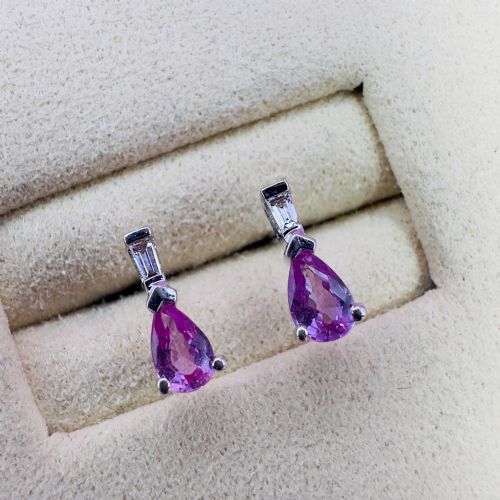
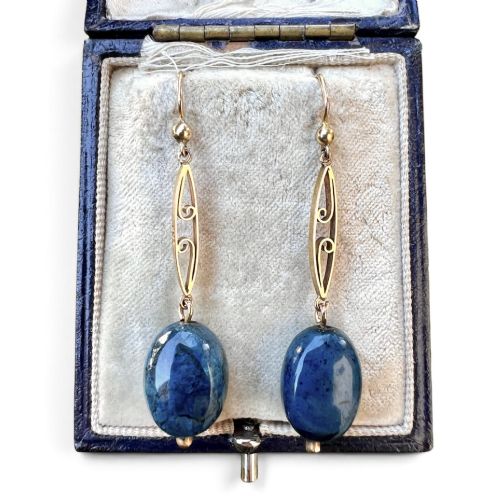
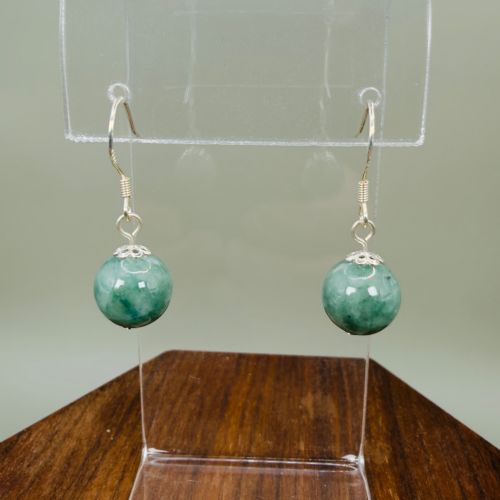
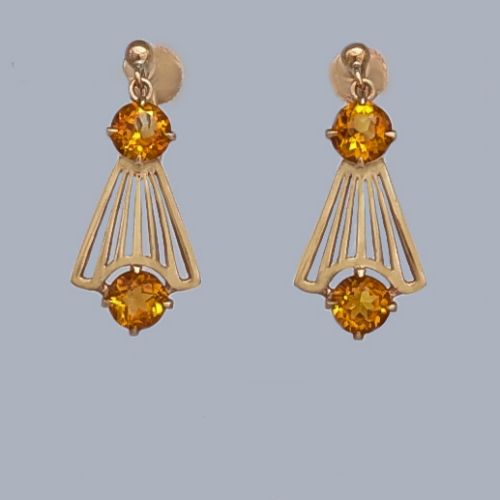

Antique Gemstone Drop Earrings
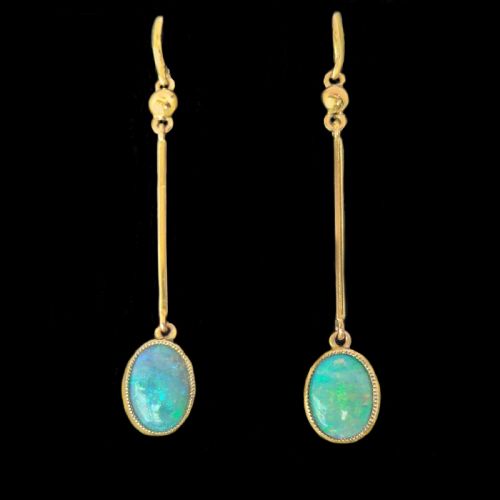
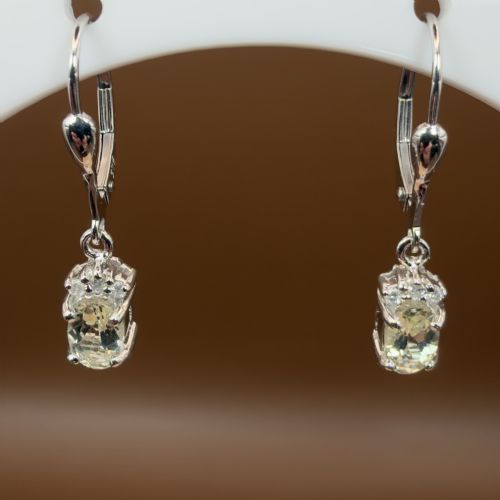
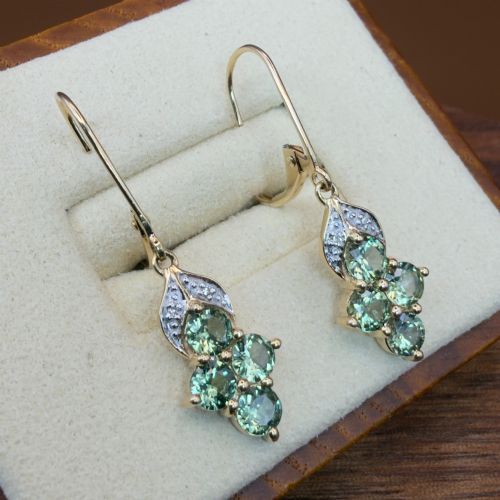
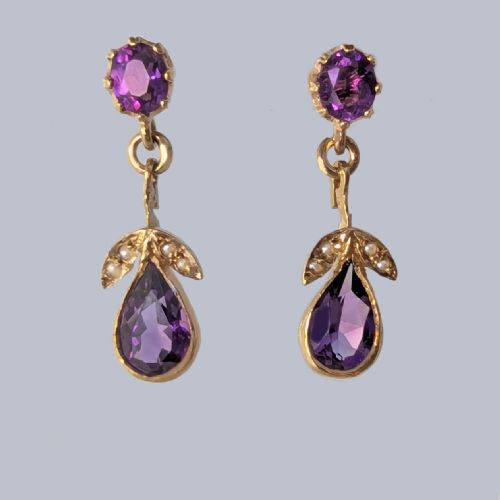
Antique gemstone drop earrings swing from the ear with colourful stones set in gold, silver, platinum, or white gold.
Antique Gemstone Drop Earrings
Antique gemstone drop earrings suspend coloured stones from hooks, lever backs, or studs, moving as the wearer turns the head. These pieces span periods from the Victorian era through Edwardian times and the Art Deco years into the mid-century.
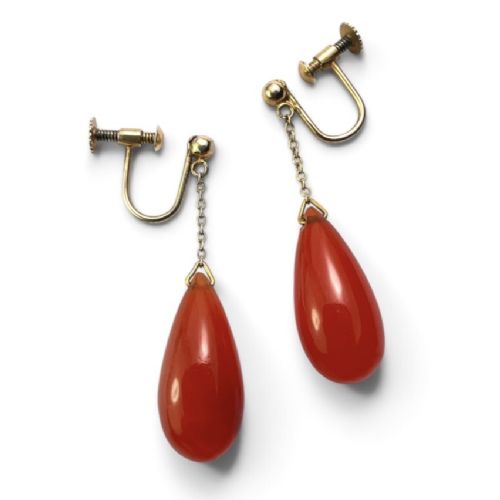
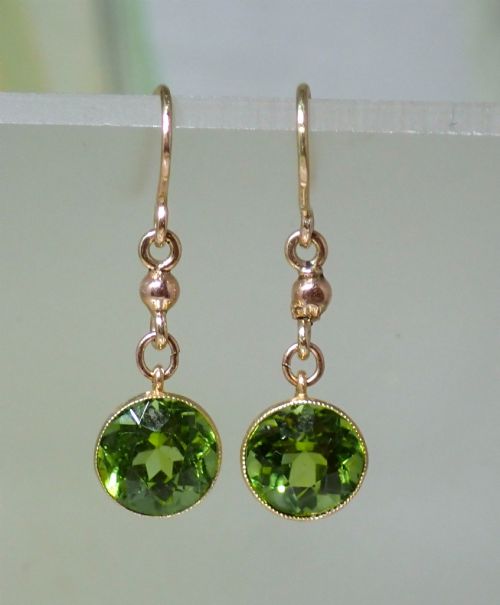
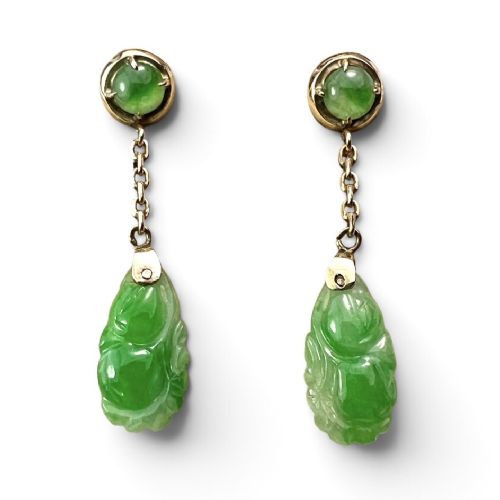
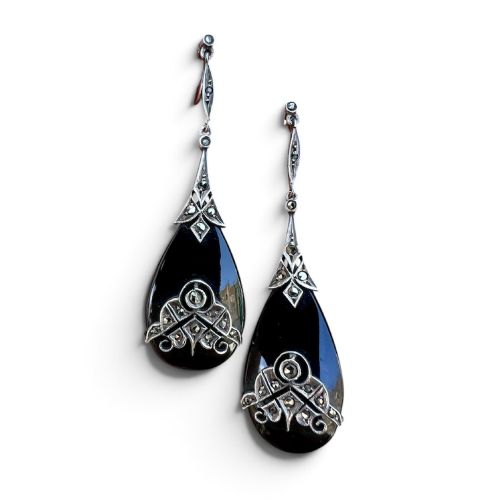
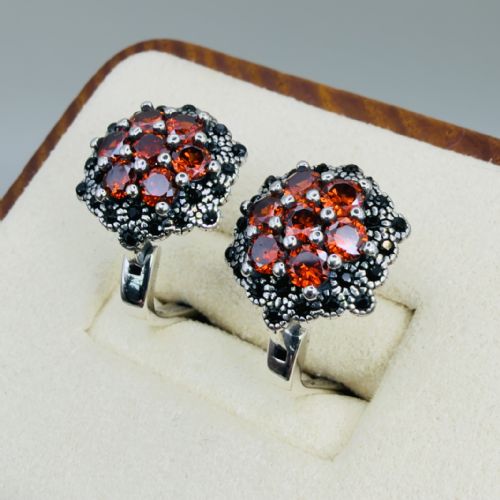
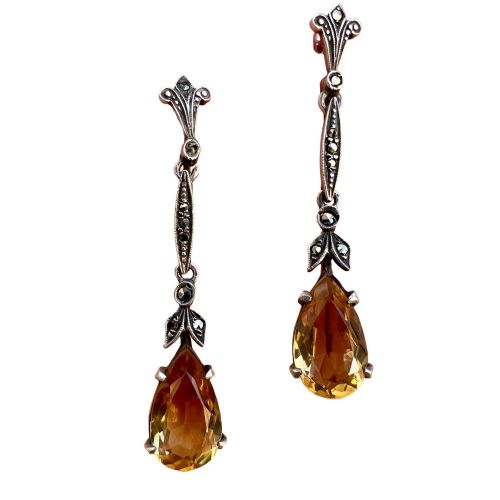
Amethyst, garnet, aquamarine, jade, tourmaline, peridot, and citrine appear frequently, often paired with seed pearls, marcasite, or diamonds. Gold in nine-carat, fifteen-carat, and eighteen-carat grades, alongside silver and platinum, form the mountings.
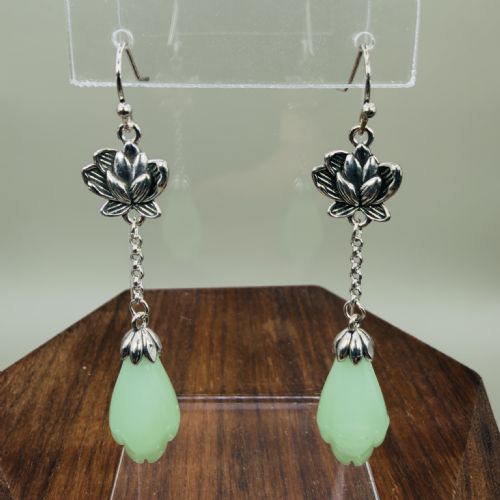
Victorian and Edwardian examples sit alongside Art Deco geometric designs and vintage mid-century clusters. Earrings range from simple bezel-set drops on fine chains to intricate carved jade or multi-stone pendant configurations.
How they were made
Goldsmiths utilised nine-carat, fifteen-carat, and eighteen-carat gold, sterling silver, and platinum to fabricate the settings, incorporating hand-cut facets and carved organic stones such as jade and amber. Stones are secured in collets, bezels, or cluster arrangements.
Techniques evolved from Victorian repoussé work and Etruscan revival granulation to the sharp geometric platinum settings and calibré cuts of the Art Deco period. Seed pearls and marcasite stones are frequently bead-set or glued into position alongside larger gems.
Victorian garnet ivy leaf earrings bring a woodland crawl straight to the lobe.
What varies in quality
The choice and saturation of the central gemstone dictate the visual impact, from deep Bohemian garnets and clear aquamarines to richly hued amethysts and translucent carved jade. Metalwork execution ranges from simple stamped wire hooks to finely articulated gold chain drops and platinum filigree.
Original matching stones and intact hallmarks or period fixings elevate a pair. Construction integrity in the hinged backs, screw-backs, or hook joints ensures the drop hangs correctly without distortion.
The Antique Gemstone Drop Earrings Glossary
- Drop earrings
- Earrings that extend below the earlobe, hanging down to sway with movement. They use hooks, levers, or posts.
- Marcasite
- Small faceted crystals of iron pyrite set into silver to provide a dark, metallic sparkle. This material is common in Art Deco designs.
- Seed pearl
- A very small natural or cultured pearl, often utilised in Victorian and Edwardian clusters around a central gemstone. They add a soft white contrast to bright coloured stones.
- Collet setting
- A metal collar that encircles the edge of a gemstone to hold it securely in place. This technique predates modern prong settings.
Antique Gemstone Drop Earrings: Frequently Asked Questions
How do I date antique drop earrings?
Dating relies on the combination of metal fineness, gemstone cuts, and overall style. Victorian pieces often employ fifteen-carat gold and natural seed pearls, whereas Art Deco designs favour platinum, white gold, and geometric lines.
Assay marks and hallmarks stamped on the metal provide specific year letters or town marks. Comparing the mounting technique against known period styles confirms the era.
Are these earrings comfortable for daily wear?
Comfort depends on the weight of the gemstones and the fastening type. Lighter pairs with simple hook wires cause minimal strain during extended wear.
Heavier platinum and multi-stone cluster drops require secure lever backs or screw-backs to distribute the weight across the earlobe.
What is the difference between Victorian and Edwardian drops?
Victorian drops tend to be heavier and romantic, often featuring garnets, amethysts, snake motifs, or Etruscan revival goldwork. They project warmth through yellow and rose gold tones.
Edwardian drops embrace lighter, airier designs using platinum, white gold, aquamarine, and pearls. The aesthetic shifts toward lace-like filigree and delicate chain suspensions.
How should I clean antique gemstone earrings?
Cleaning requires gentle methods suited to the specific materials in the setting. Harder stones like sapphire and garnet tolerate warm soapy water, but softer gems like amber or pearls need a soft damp cloth.
Harsh chemical dips and ultrasonic cleaners damage seed pearls, glued marcasite stones, and organic materials. Pat the metal and stones completely dry after cleaning.