



Late 19th Century Jewellery
Late 19th century jewellery brings together wearable adornments and the boxes or display cabinets designed to hold them, offering a tangible connection to Victorian and Edwardian craftsmanship.
Late 19th Century Jewellery
Late 19th century jewellery encompasses personal adornments such as brooches, earrings, and pendants alongside the decorative caskets, vitrines, and bijouterie tables created to house them. These pieces span the Victorian, Edwardian, and turn-of-the-century periods, reflecting diverse stylistic influences from French Rococo revival to Italian Renaissance revival.
Buyers encountering this selection will find a mixture of wearable gems set in gold and silver, alongside mahogany, walnut, and exotic wood presentation boxes. Items range from Scottish silver and agate specimen brooches to Japanese lacquer cabinets and French ormolu-mounted glazed porcelain caskets.
The assortment bridges personal ornamentation and domestic display furniture, uniting intimate items like turquoise and pearl cross pendant necklaces with larger display cabinets and tables designed for parlour presentation.
Materials and Construction
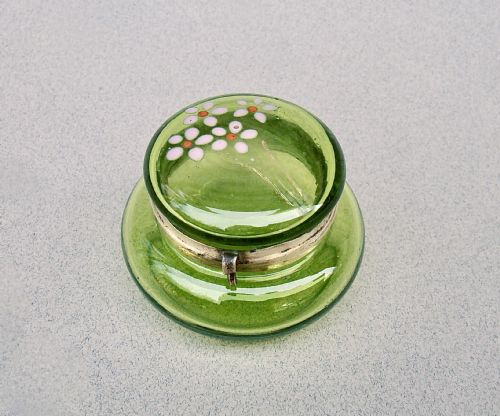
Items are constructed from precious metals including gold and silver, frequently paired with gemstones such as sapphires, rubies, aquamarines, diamonds, turquoise, and pearls. Enamel, glass, and agate provide colourful contrast within brooches, earrings, and pendants.
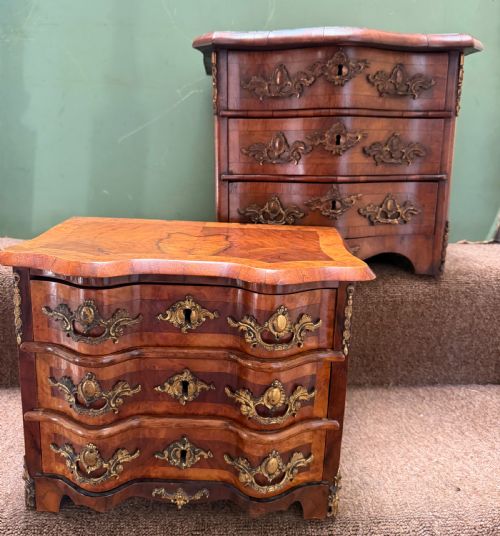
Cabinetry and storage pieces utilise hardwoods like mahogany, walnut, and flame mahogany, often enhanced by bone inlay, marquetry, mother-of-pearl, and leather finishes. Ormolu mounts, brass fittings, and gilded copper electro-form techniques provide decorative metalwork accents across boxes and vitrines.
Late 19th Century Jewellery Retail Price Guide 2026
Typical asking prices for late 19th century jewellery among the pieces listed under this phrase on Sellingantiques today, from the lower quarter to the upper quarter. They describe what is for sale here now, not the wider market.
Materials appearing across these items range from precious gold, silver, diamonds, and rubies to humble brass, fabric, and glass.
Factors of Quality
The calibre of a piece rests upon the refinement of its materials and the precision of its execution, whether in the secure stone settings of a gold brooch or the tight joinery of a mahogany display table. Superior examples exhibit deliberate choice in timber grain, such as flame mahogany, or meticulous detail in bone inlay and mother-of-pearl work.
Structural integrity and the preservation of original mounts, linings, and glass panels distinguish finer containers and vitrines from simpler utility boxes. Artisanal skill in decorative metalwork, such as French ormolu mounting or hand-tooled leather, elevates the status of a casket.
The Late 19th Century Jewellery Glossary
- Bijouterie table
- A glass-topped display table specifically designed for showing small valuable items and jewellery. These pieces elevate storage into a formal display feature.
- Vitrine
- A glass-panelled cabinet used for exhibiting collections of small objects or jewellery. They frequently incorporate fine wood framing and metal mounts.
- Specimen brooch
- A piece of jewellery featuring local stones or natural materials typical of a specific region, such as Scottish agate. They often highlight regional lapidary traditions.
- Electro-form
- A manufacturing method where metal is deposited onto a mould through an electrolytic process. This technique allowed makers to create ornate hollow metal vessels and caskets.
- Sadeli ware
- A type of intricate mosaic micro-mosaic boxwork associated with Anglo-Indian craftsmanship. It utilises geometric patterns formed from cross-sections of horn, bone, and metal.
Late 19th Century Jewellery: Frequently Asked Questions
What defines late 19th century jewellery?
Late 19th century jewellery includes items produced during the Victorian and Edwardian eras, encompassing both personal adornments like brooches and earrings, and the receptacles made to house them.
These objects showcase the transition from mid-Victorian ornamentation to lighter Edwardian aesthetics and revivalist styles.
How were jewellery boxes used?
Jewellery boxes and caskets served to secure, protect, and display valuable personal items on dressing tables and in drawing rooms.
Many featured fitted interiors, velvet linings, and removable trays to organise rings, necklaces, and brooches.
What is a bijouterie table?
A bijouterie table is a specialised display piece featuring a glazed top and a shallow compartment for exhibiting small treasures.
They allowed owners to showcase their jewellery collections as decorative elements within domestic interiors.
How do I distinguish periods?
Distinguishing periods relies on observing stylistic motifs, such as French Rococo revival curves or clean Edwardian lines, alongside material choices.
Hallmarks, construction techniques, and specific revivalist influences also help narrow the date of manufacture.