
Antique Garden Stone
Antique garden stone brings centuries of sculptural presence and architectural heritage into open-air spaces through weathered statues, urns and staddlestones.
Antique Garden Stone
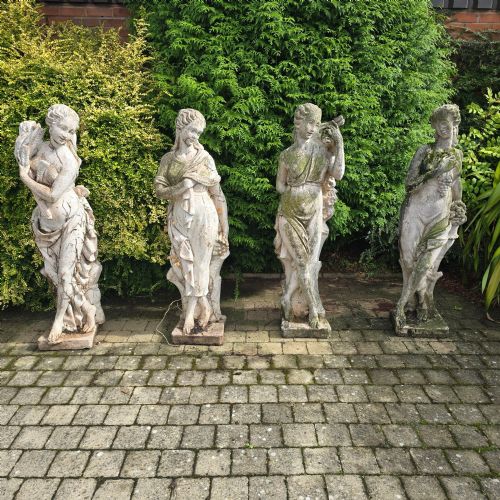
When you search for antique garden stone, you encounter a diverse gathering of architectural salvage, statuary and planters shaped from mineral materials. These pieces span from the eighteenth century through the Edwardian era and twentieth-century decades, reflecting changing tastes in landscape design.
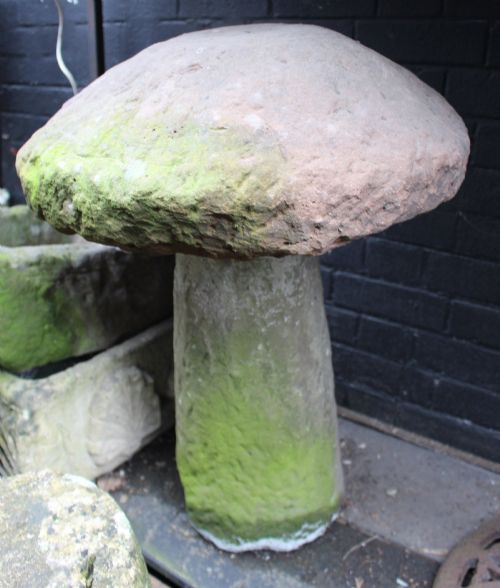
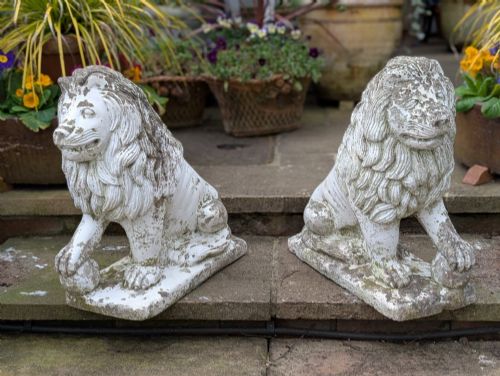
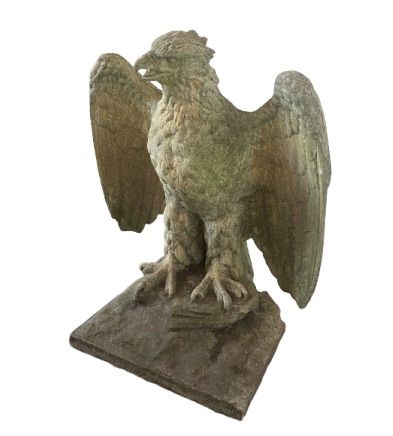
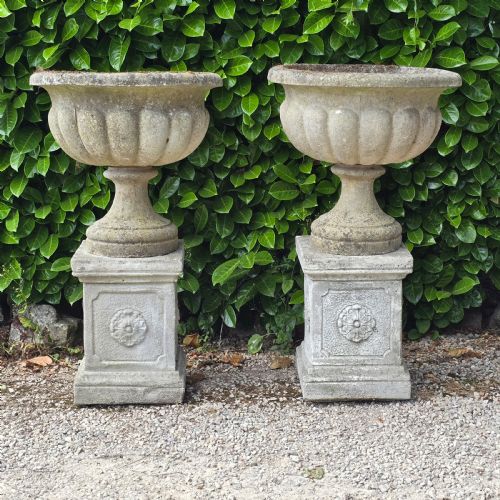
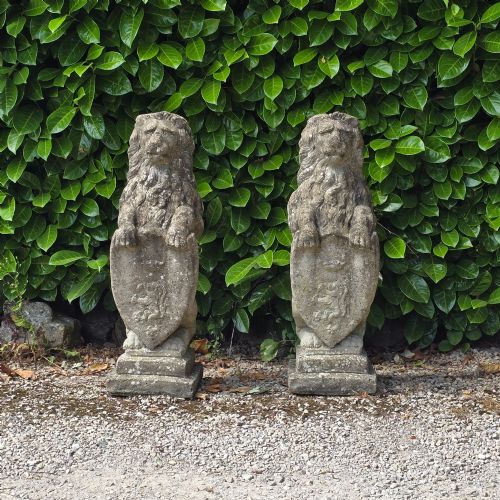
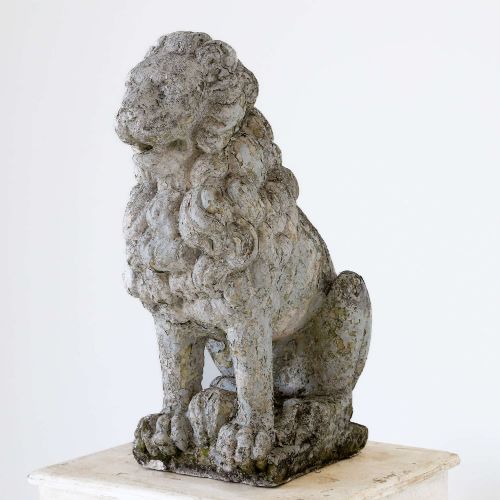
The objects take many forms, including staddlestones, campana urns, birdbaths, sundials and animal figures such as lions and eagles. Reconstituted stone, cast stone, natural sandstone, limestone and granite dominate the selection, often bearing heavy weathering, moss and lichen.
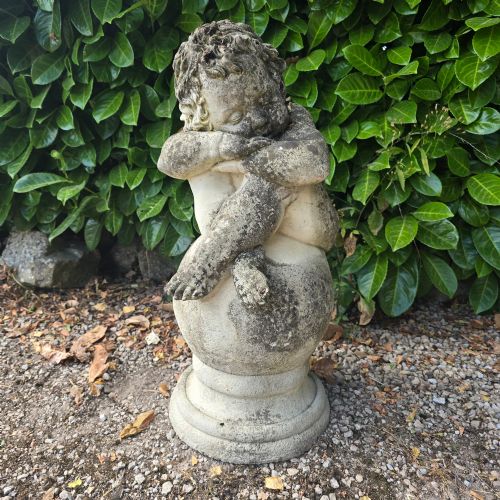
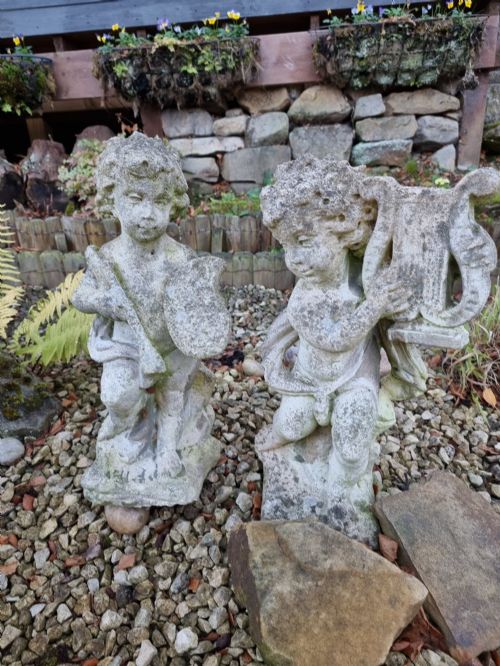
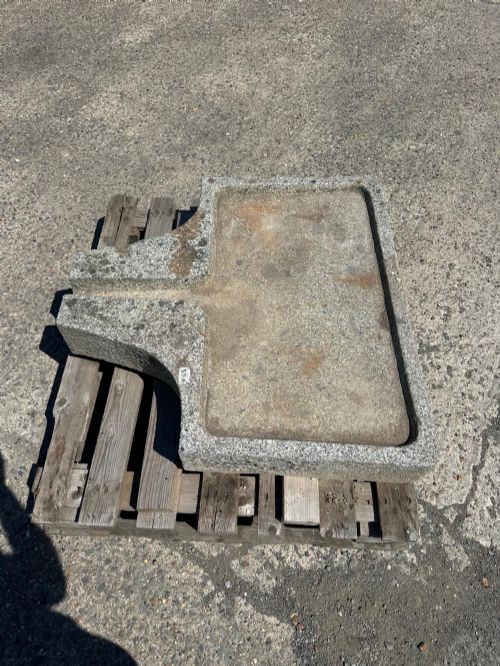
You meet functional items like millstones and boot-scrapers alongside purely ornamental works like cherubs, faux bois seats and pier finials. Neoclassical, Gothic revival and rustic country styles appear frequently across these garden furnishings.
Materials and Making
Masons carved structural elements and statues directly from natural sandstone, limestone, granite and marble using traditional hand tools. These hard rocks yield durable forms that withstand centuries of outdoor exposure.
Makers utilised cast stone, reconstituted stone and composite stone mixtures poured into moulds to replicate carved ornamentation efficiently. Terracotta and cast iron also appear in urns and structural bases, sometimes retaining traces of original paint.
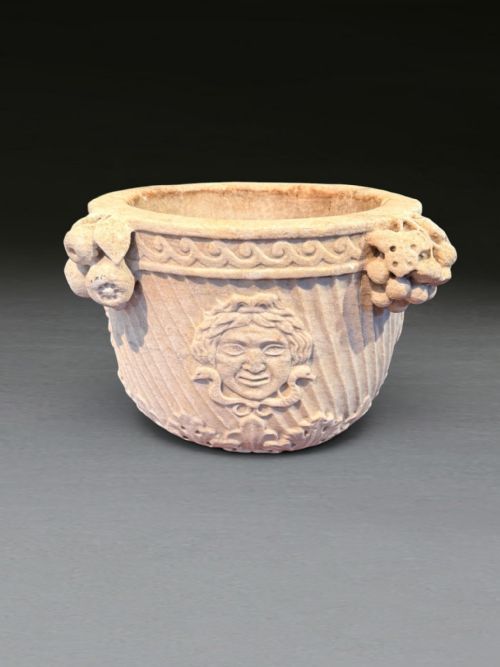
Listings feature items spanning from the sixteenth-century Italian Renaissance to the 1950s, utilising marble, granite, terracotta, and reconstituted stone.
Assessing Quality
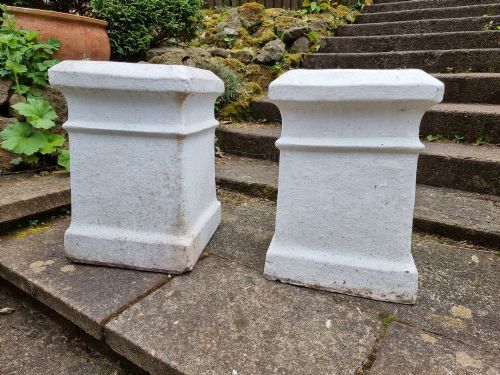
Natural weathering and patination elevate the visual weight of a piece, showing genuine exposure to elements rather than artificial ageing. The proportion and balance of urns on pedestals and the integrity of the original stone structure dictate desirability.
Andrew Handyside
The Antique Garden Stone Glossary
- Staddlestone
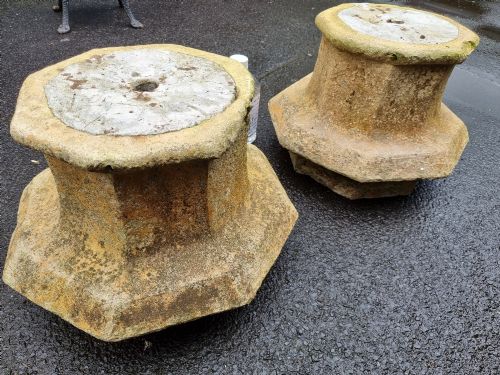
- A mushroom-shaped stone support formerly used to raise granaries and barns off the ground to keep grain dry and clear of vermin. They now serve as decorative garden pedestals.
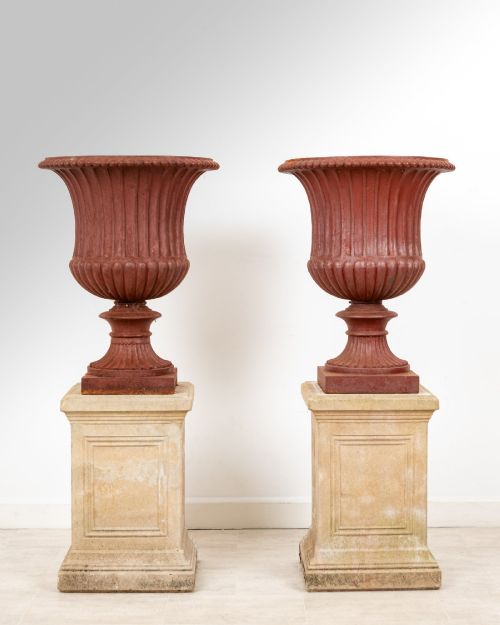
- Campana urn
- A bell-shaped garden vessel originating in classical antiquity, mounted on a short stem and foot. Victorians and Edwardians reproduced this form widely in stone and terracotta.
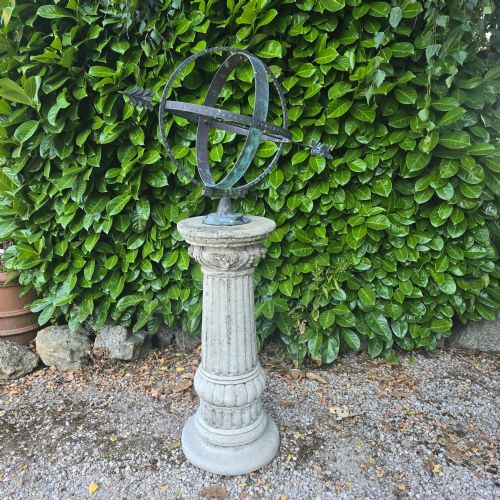
- Armillary sphere
- A model of objects in the celestial sphere consisting of a spherical framework of rings centred on Earth. These often function as garden sundials mounted on stone columns.
- Pier finial
- A decorative architectural ornament placed on top of a gate pier or wall end. Eagles and lions frequently appear in this role.
Antique Garden Stone: Frequently Asked Questions
How do I clean antique stone?
Brush away loose debris and dirt using a soft-bristled brush. Avoid harsh chemical cleaners or pressure washers that strip away historic patination and damage the stone surface.
Allow weathering, moss and lichen to remain where possible, as these accretions confirm age and contribute to the visual character of the piece.
Are these pieces frost-proof?
Natural sandstones, granites and hard limestones generally resist frost damage well due to their low porosity. Softer stones and certain composite mixes require more care during freezing winter months.
Elevate vessels off the ground on pot feet or bricks to prevent water from freezing inside the base and cracking the material.
How can I date garden stone?
Examine tool marks, material composition and stylistic clues such as neoclassical or Gothic revival motifs. Nineteenth-century pieces often display hand-chiseled surfaces, while twentieth-century examples commonly utilise cast stone.
Consider the depth of weathering, biological growth and historical patina accumulated across the surface as general indicators of age.
Can heavy stone pieces stay outside?
Large statues, troughs, staddlestones and architectural fragments are designed specifically for outdoor exposure. Their substantial weight keeps them stable on garden lawns and terraces.
Ensure items rest on level ground or solid footings to prevent shifting or sinking into soil over time.