




Antique Garden Landscape Painting
When you search for an antique garden landscape painting, you encounter works capturing pastoral scenes, country houses, and floral borders across several centuries.
Antique Garden Landscape Painting
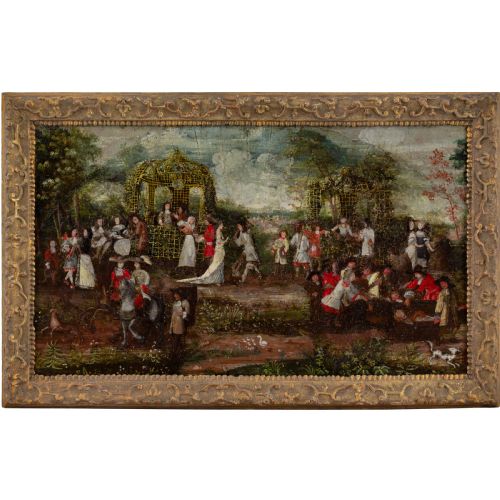
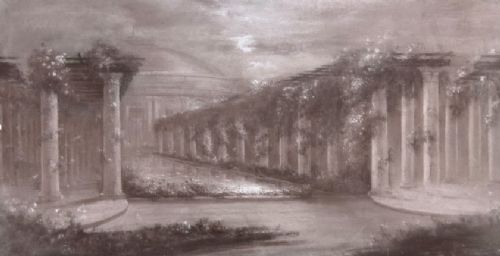
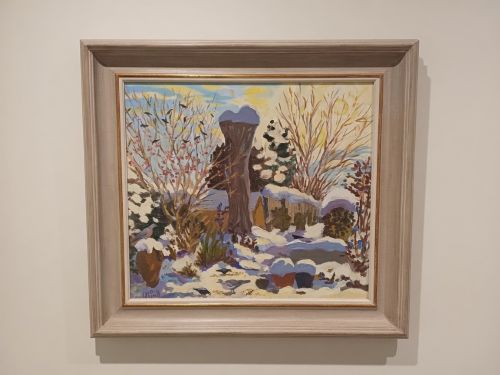
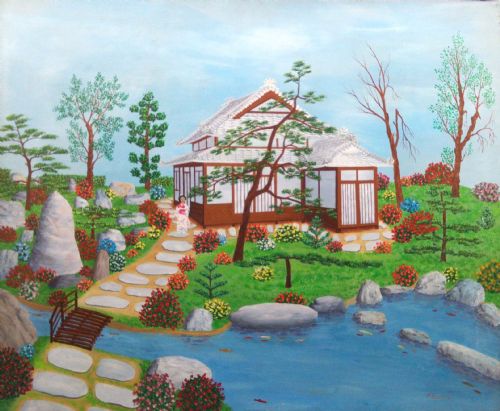
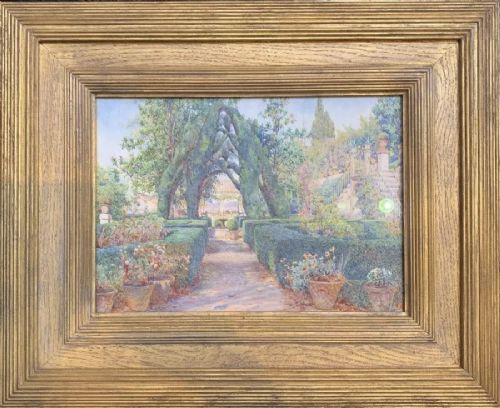
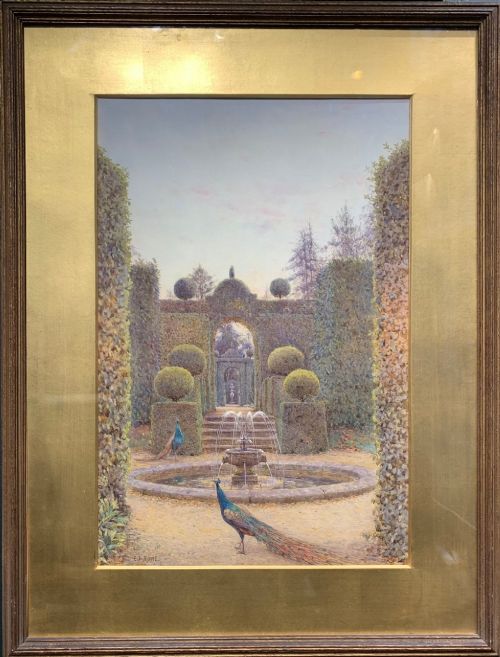
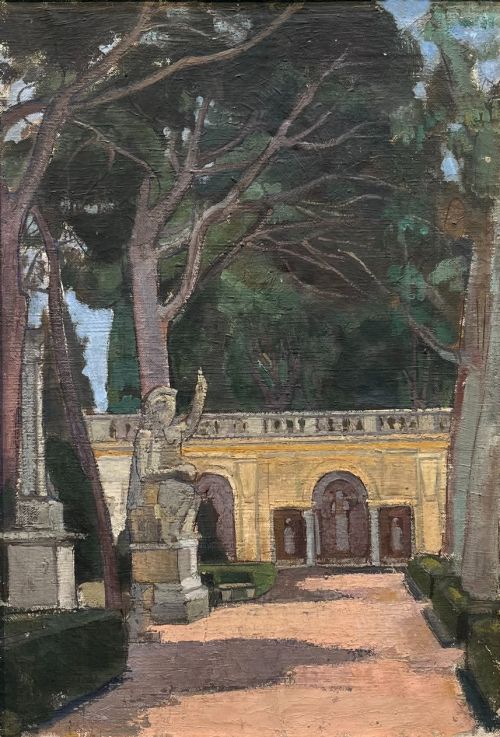
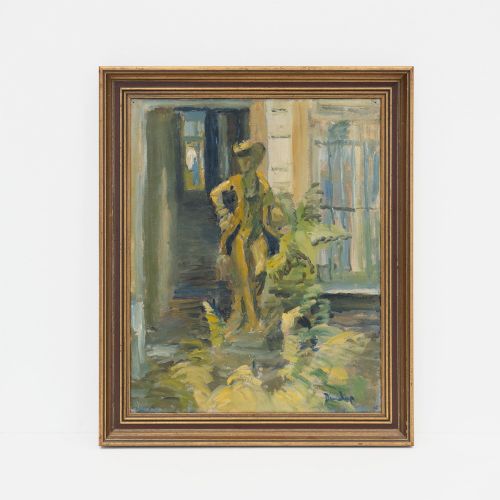
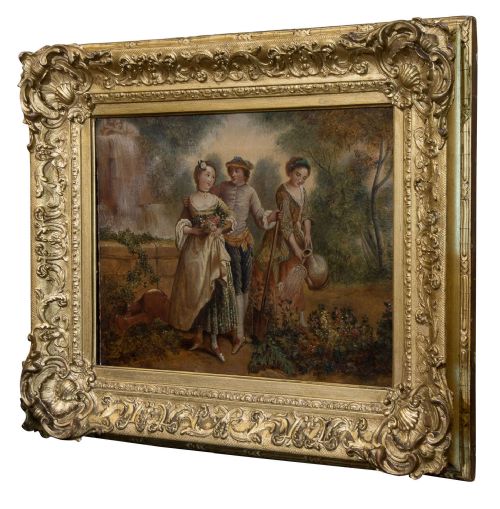
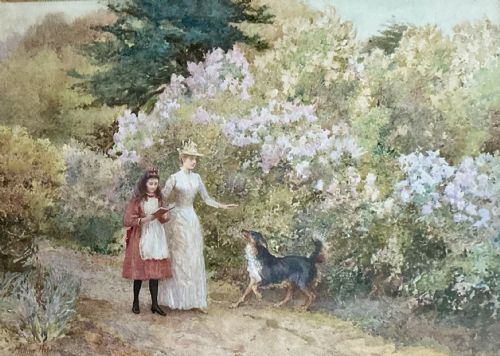
An antique garden landscape painting captures cultivated outdoor spaces, country house grounds, and cottage borders. These works range from late seventeenth-century Flemish school compositions to twentieth-century impressionist watercolours.
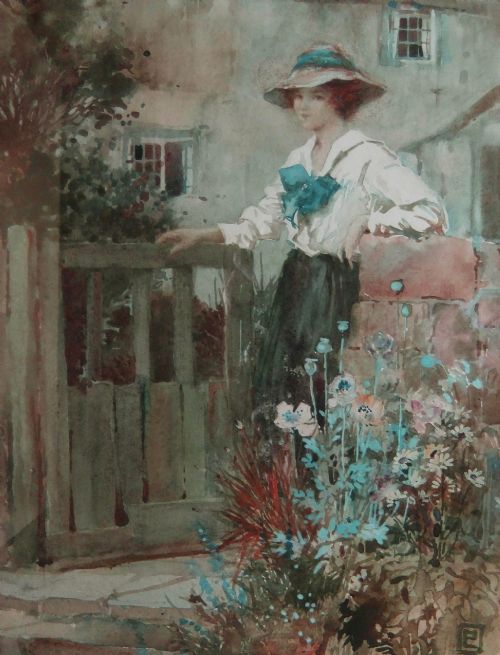
You are most likely to meet watercolours on paper and oil paintings on canvas depicting British and European settings. The subjects span formal architectural gardens, rustic cottage gates, and sunlit floral arrangements.
The featured views often include figures engaged in daily rural tasks, children with pets, or architectural elements such as fountains and stone walls. Such pieces reflect changing artistic interpretations of nature and domestic life from the Victorian era onwards.
Materials and Technique
Artists painted these scenes primarily using watercolour pigments on paper or oil on canvas, framed in wood and glass. Mixed media surfaces also appear alongside traditional oils.
Makers applied pigments to build light and shadow across foliage, stone, and water, utilising techniques associated with British Impressionism, pastoral genres, and Flemish baroque traditions.
Materials documented in the collection include paper, canvas, watercolour pigment, oil paint, and gilt wood.
Variations in Quality
Quality depends on the precision of brushwork, the handling of natural light, and the composition of the botanical elements. Finer examples capture atmospheric depth and seasonal flora with distinct realism.
The distinction between standard works and superior pieces lies in the artist's ability to render complex textures like stone, water lilies, and cottage walls convincingly.
Ernest Arthur Rowe·Percy Lancaster·Arthur Hopkins·Rowland Henry Hill·Theresa Stannard·Owen Bowen·Ernest Higgins Rigg·Kershaw Schofield·Charles E Cundall·Frank Moss Bennett·John Henry Inskip·Samuel Sidley·Paul Viry·David Woodlock·Arthur Claude Strachan·John Abernethy Lynas-Gray·Jane Utley·Lester Sutcliffe·Henry John Sylvester Stannard·Benjamin D Sigmund·Beatrice Parsons·Edgar Bundy·Mary Stevens·William James Boddy·Alfred Walter Williams
The Antique Garden Landscape Painting Glossary
- Watercolour pigment
- A water-based paint using finely ground colour particles that produces transparent washes on paper. This medium allows artists to capture delicate effects of light in garden scenes.
- Oil on canvas
- A mixture of ground pigments with drying oils applied to a stretched woven fabric support. This technique provides rich colour saturation and texture.
- Flemish Baroque
- An artistic tradition originating in Flanders during the seventeenth century characterised by dramatic composition and rich detail. Works from this school often depict formal garden vistas.
- Impressionism
- A nineteenth-century painting style focusing on the visual impression of the moment, especially shifting light and colour. Practitioners often painted en plein air in gardens and landscapes.
Antique Garden Landscape Painting: Frequently Asked Questions
What periods do these paintings cover?
The available selection spans from the late seventeenth century through the Victorian and Edwardian eras into the mid-twentieth century. Works reflect stylistic shifts from baroque formality to British impressionism.
Most pieces date from the nineteenth and early twentieth centuries, capturing traditional domestic gardens and country estates.
How were these landscape watercolours framed?
Many works on paper appear behind glass within traditional wooden frames that protect the fragile pigment surface. Gilt wood mouldings frequently complement the pastoral subject matter.
Original framing helps preserve the condition of antique watercolours by limiting exposure to environmental moisture and light.
How do I identify a Victorian garden painting?
Victorian examples often emphasise narrative detail, domestic genre scenes, and structured rural settings. Artists from this period balanced botanical accuracy with human activity.
Stylistic markers include precise draughtsmanship in watercolours and traditional composition in oil paintings.