
Antique Garden Furniture
Antique garden furniture brings character and utility to outdoor spaces through robust materials and enduring forms.
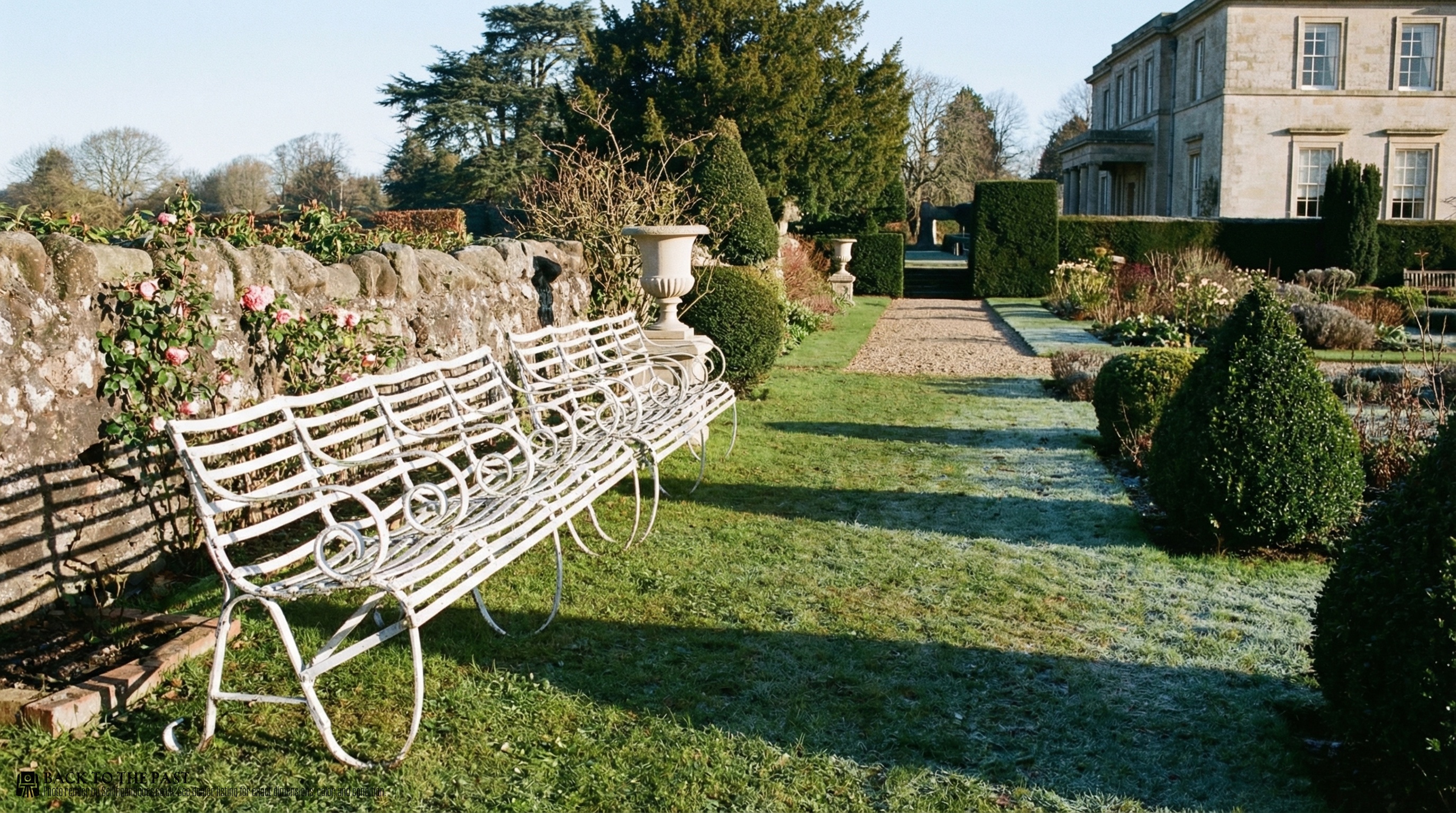
What Antique Garden Furniture Is
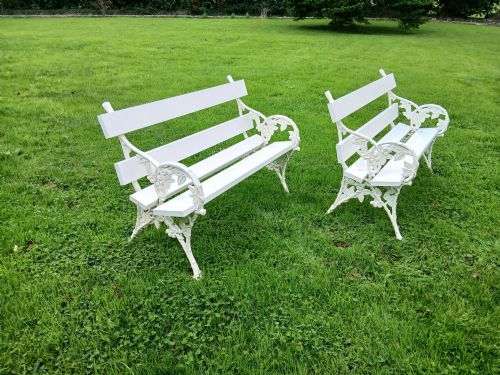
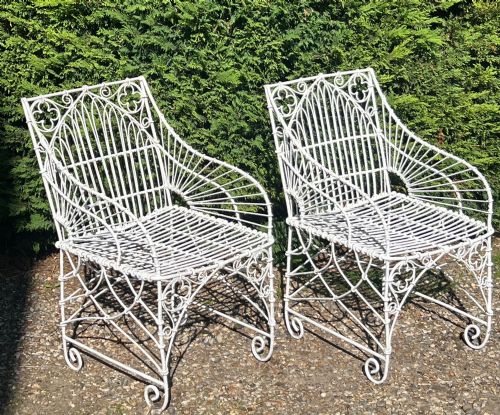
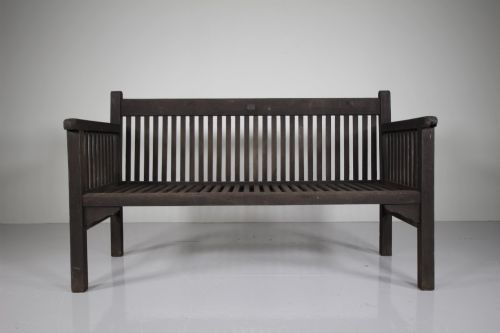
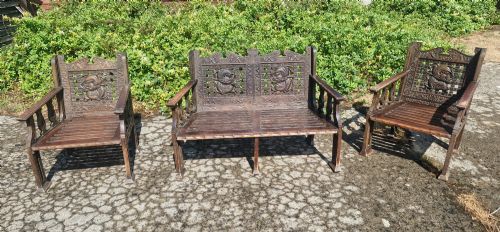
Antique garden furniture comprises functional seating and lounging pieces designed for exterior use across multiple historical periods. Buyers searching for antique garden furniture encounter items spanning the Regency era, the nineteenth century, the Victorian period, and the interwar years.
Origins and associations vary from French country items to specific provenances like the Calcutta Polo Club. These pieces offer practical outdoor utility combined with historical design aesthetics.

How They Were Made
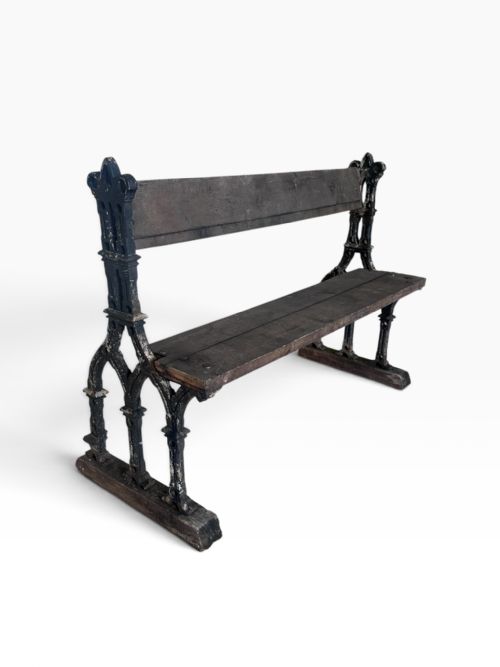
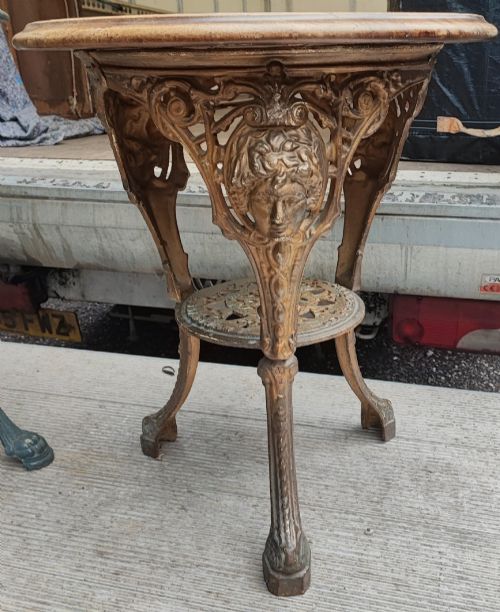
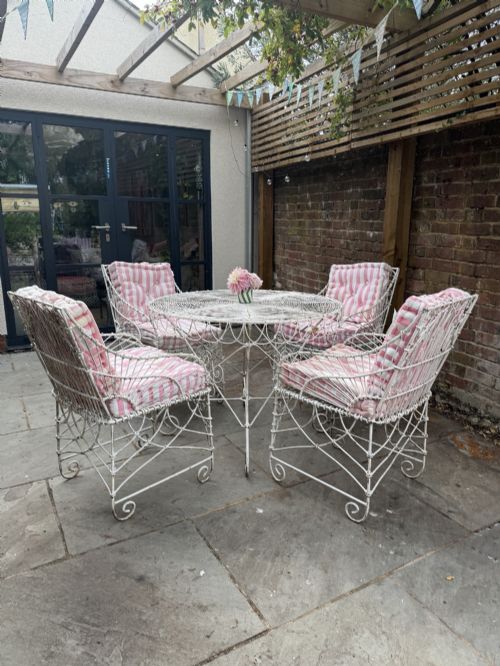
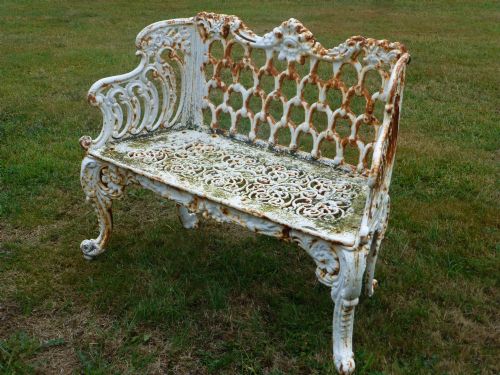
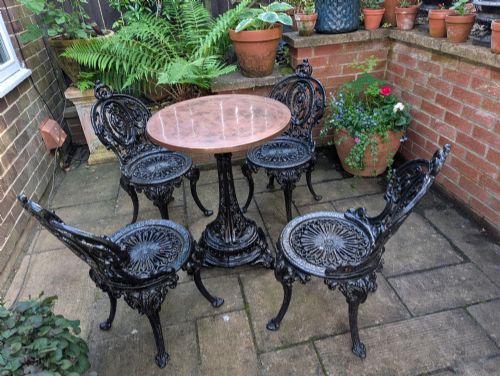
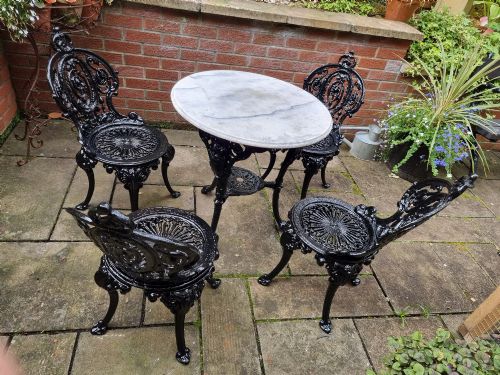
Construction relies heavily on durable metals including cast iron and wrought iron, alongside steel. Makers employed casting techniques for ornamental details like lion masks and intricate strapwork.
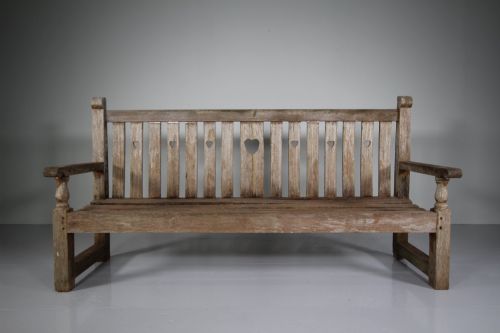
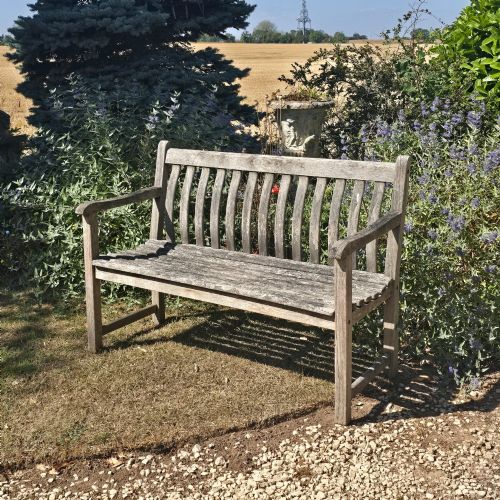
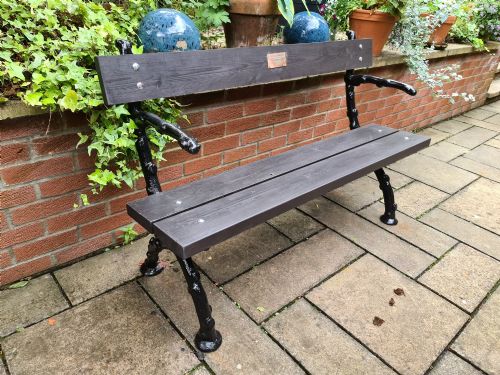
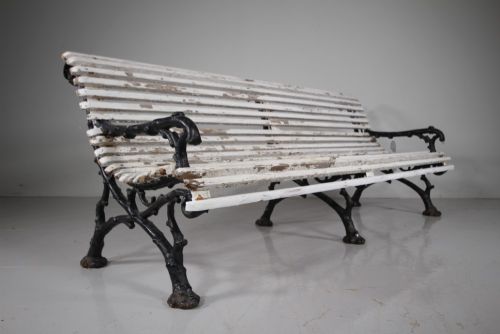
Wood and timber, specifically painted pitch pine, appear alongside iron components in bench construction. Painted finishes provide initial protection and colour, weathering over decades of exterior exposure.
Retail Price Guide 2026
Typical UK retail prices for garden furniture, calculated from the Sellingantiques database of over a million retail prices indexed since 2003. This retail price guide relies exclusively on Sellingantiques data; no external sources or auction records are used, so the figures do not describe the wider market.
Listings span the Regency period, the nineteenth century, the Victorian era, and the nineteen twenties and thirties.
What Varies in Quality
Quality rests in the precision of the casting and the sophistication of the design, distinguishing standard utility seating from foundry-marked output. Pieces bearing specific foundry attributions or complex decorative motifs like lion masks command greater attention from collectors.
The integrity of combined materials, such as integrated timber and metal structures, determines longevity and structural survival. Original painted surfaces and patination earned through age separate untouched survivors from later restorations.
Carron Foundry
The Antique Garden Furniture Glossary
- Cast iron
- A heavy alloy poured into moulds to create rigid, highly ornamental components. This material allows for intricate relief work such as floral motifs and animal masks on garden seats.
- Wrought iron
- Iron heated and hammered into shape by hand, resulting in fibrous metal with high tensile strength. It yields lighter, resilient frames compared to brittle cast iron.
- Strapwork
- A decorative pattern of flat, interlaced bands resembling leather straps or ribbons. This style frequently decorates the backs of Regency and Victorian metal benches.
- Pitch pine
- A resinous softwood utilised for exterior joinery due to its natural durability against moisture. It provides sturdy timber slats for garden bench seats.
Frequently Asked Questions
What materials make up antique garden furniture?
Cast iron, wrought iron, steel, and timber such as pitch pine constitute the primary materials used in these pieces.
Foundries combined these heavy metals and woods to withstand outdoor conditions over centuries.
How do I identify a Regency garden bench?
Regency pieces often feature distinctive strapwork designs and clean architectural lines characteristic of the early nineteenth century.
These designs prioritise classical proportions and restrained ornamentation compared to later Victorian output.
Were these pieces meant for outdoor use?
Makers constructed these items specifically for exterior placement in parks, courtyards, and residential gardens.
Robust metals and painted finishes helped the furniture endure weathering across generations.
What is a foundry mark?
A foundry mark is an identifying stamp or name cast directly into the metal by the manufacturer.
Such marks verify the origin of pieces like nineteenth century cast iron benches.