


Antique Gaming Furniture
Antique gaming furniture brings together the clever mechanics of social play and the finest cabinet-making of the eighteenth and nineteenth centuries.
Antique Gaming Furniture
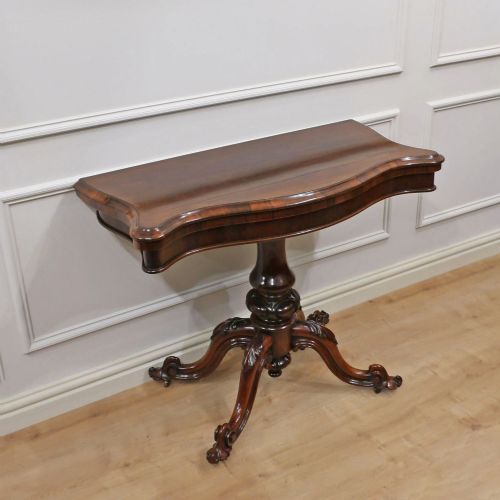
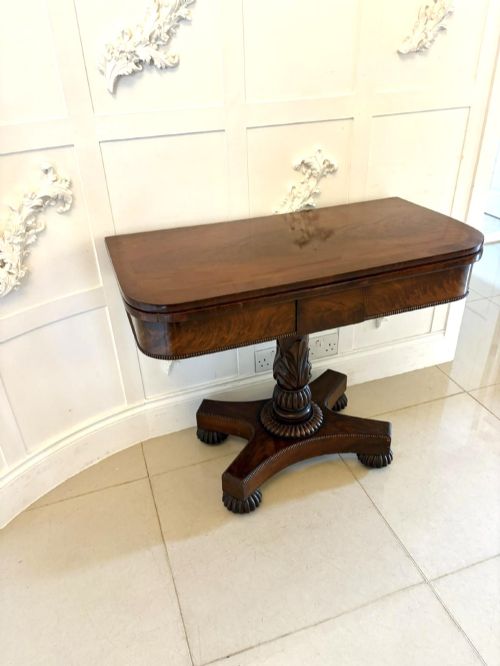
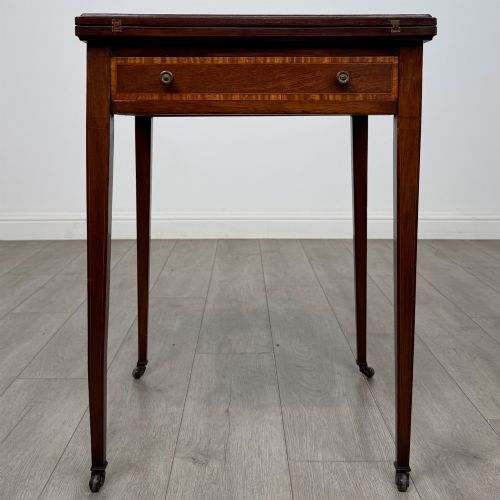
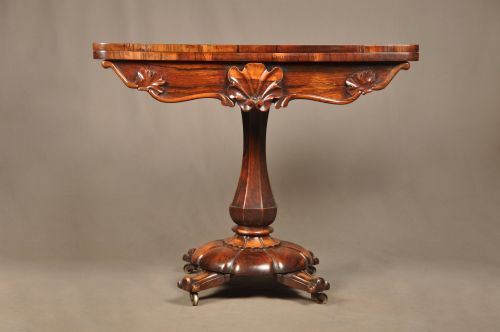
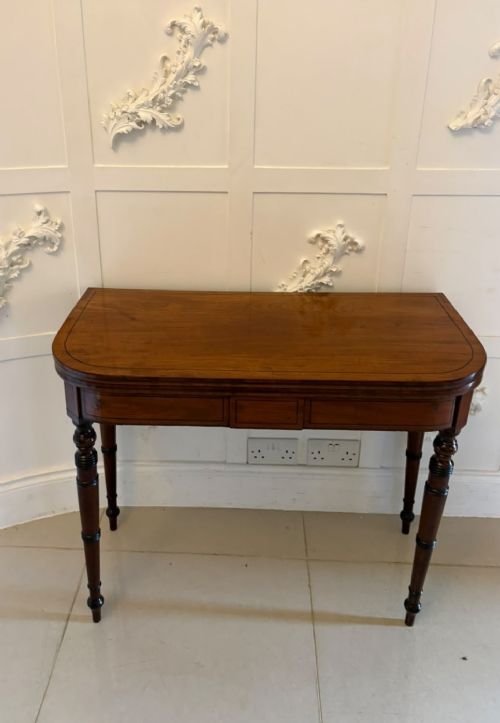
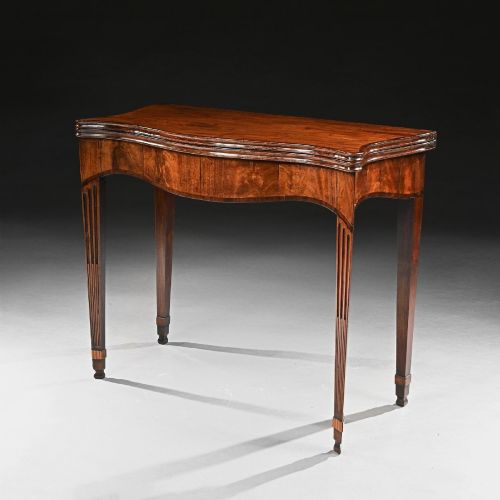
When you search for antique gaming furniture, you are looking at specialised tables designed for cards, chess and social pastime, which most commonly appear here as card tables, games tables and envelope tables from the Georgian, Regency and Victorian periods.
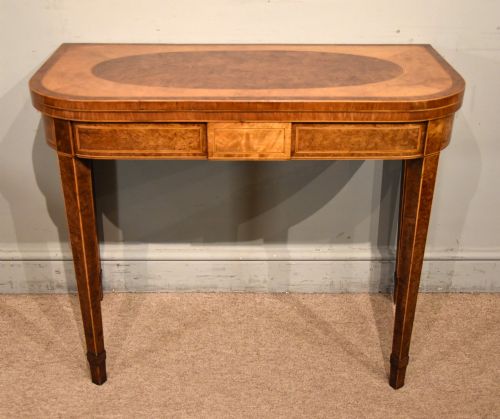
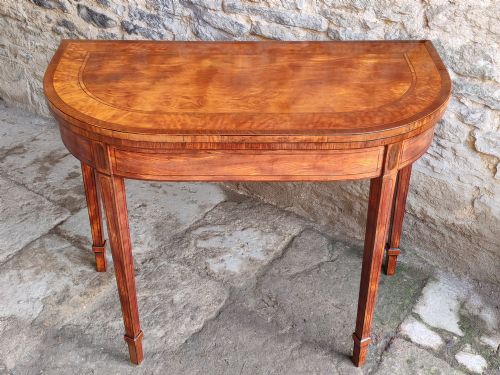
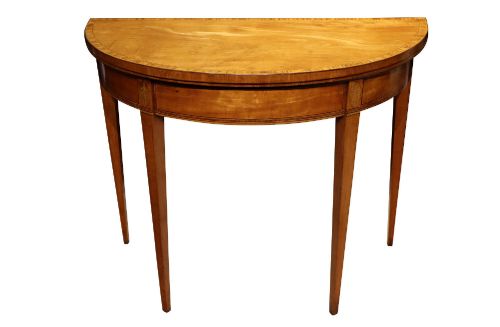
These pieces range from demilune satinwood tables with delicate crossbanding to robust rosewood and mahogany fold-over tables featuring swivel tops and concealed storage compartments.
The selection also includes occasional tables, side tables and tea tables that doubled for evening entertainment in period drawing rooms.
How they were made
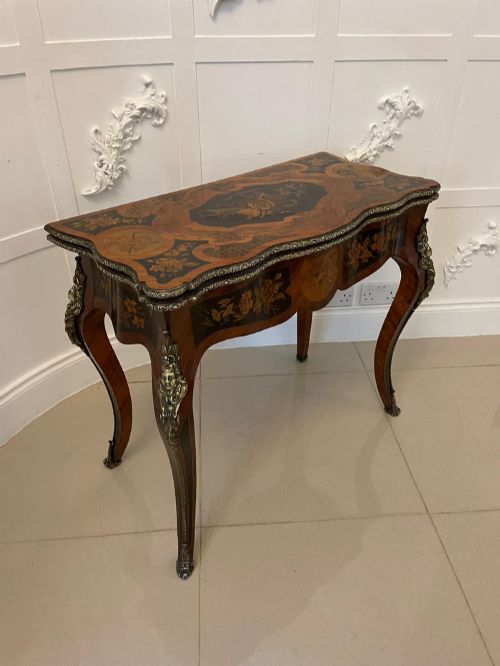
Cabinet-makers relied on rich timbers like mahogany, rosewood, walnut and satinwood, often enhanced with intricate marquetry, boxwood stringing and brass inlay.
Structural complexity defined these pieces, utilising pivoting mechanisms, fold-over leaves and pivoting legs to support heavy hardwood tops safely during play.
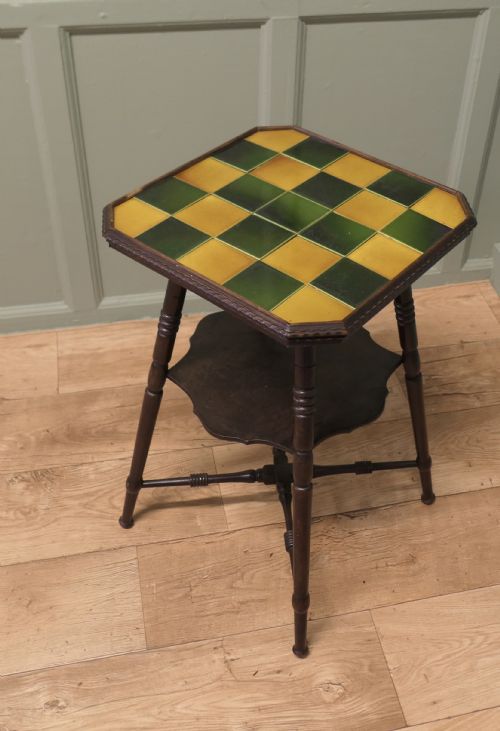
Ormolu mounts, brass sabots and castors finished the finer Regency and Victorian examples, while specialised surfaces incorporated leather or tiled tops.
Primitive French beech game blocks wait quietly for rustic evenings.
What varies in quality
Quality rests primarily on the choice of timber and the precision of the cabinet-making, visible in the careful matching of figured mahogany or burr yew veneers.
The sophistication of the folding or swivelling mechanism dictates the engineering standard; superior tables operate with a smooth, perfectly balanced action that prevents wobbling.
The refinement of secondary details, such as finely chased ormolu mounts, crisp brass inlay and well-executed marquetry, separates standard workshop production from signed master pieces.
George Bullock·Antoine Lampre·G T Morant·Shapland & Petter·Epstein and Co
The Antique Gaming Furniture Glossary
- Card table
- A small, often foldable table designed specifically for playing cards, typically featuring a baize-lined interior surface.
- Envelope table
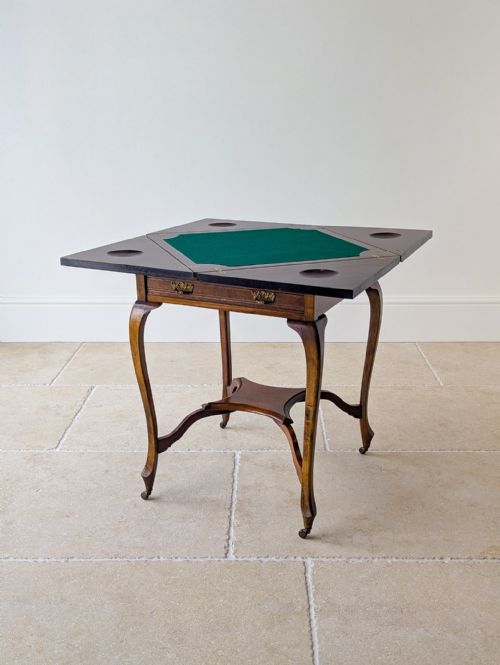
- A square card table with four triangular flaps that fold inward like an envelope to conceal the playing surface.
- Demi-lune
- A half-moon shape characteristic of many Georgian console and card tables designed to sit flush against a wall.
- Marquetry
- Decorative veneer work arranged in pictorial or geometric patterns using various coloured woods and organic materials.
- Ormolu
- Gilded bronze or brass applied as a decorative mount on furniture, popular in Regency and Victorian cabinet-making.
Antique Gaming Furniture: Frequently Asked Questions
How do I use an antique card table?
These tables are designed to unfold or swivel open to reveal a baize-lined playing surface, often supported by a swing leg or a gateleg mechanism.
Many incorporate hidden wells beneath the top for storing counters, cards and game pieces when not in use.
Where were these tables placed in a home?
In period drawing rooms, folding tables stood against the wall as console or side tables when not in use.
When evening entertainment began, they were moved to the centre of the room and opened for guests to play cards.
How do I distinguish Regency from Victorian tables?
Regency tables tend to feature architectural lines, brass inlay, rosewood veneers and classical brass paw feet or sabots.
Victorian pieces often display heavier proportions, rich burr walnut, intricate marquetry and more elaborate carving or ormolu mounts.
What is an envelope card table?
An envelope table is a clever square design where four triangular leaves rotate and fold over each other to form a closed top.
Popular during the Edwardian era, opening one leaf causes the others to open simultaneously in a coordinated motion.