

Antique Fusee Timepiece
An antique fusee timepiece offers steady mechanical precision through a cone-shaped pulley system that regulates the mainspring's power.
Antique Fusee Timepiece
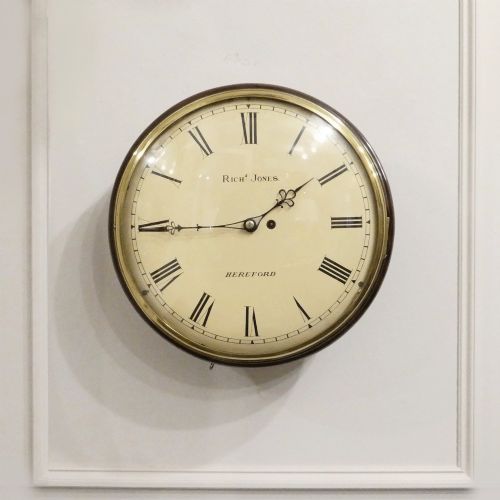
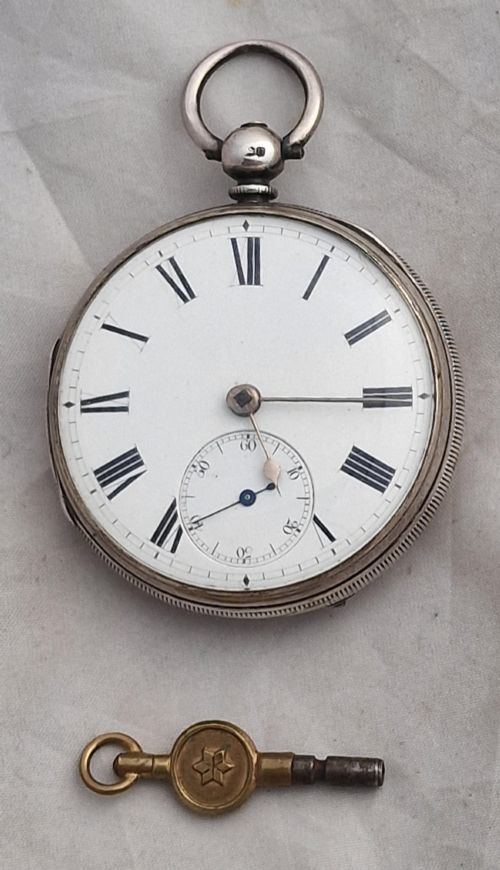
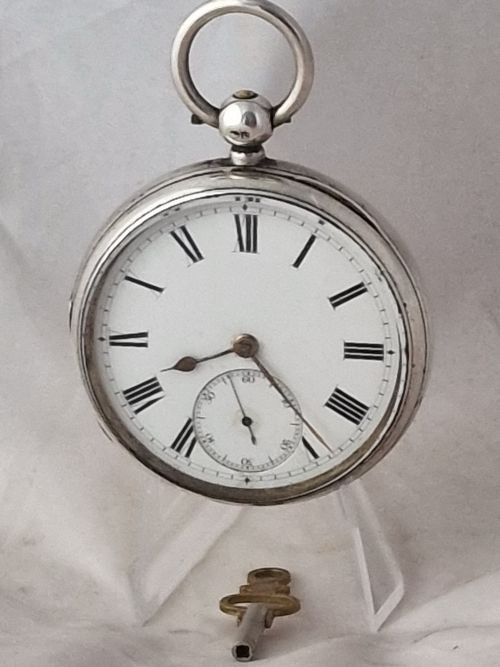
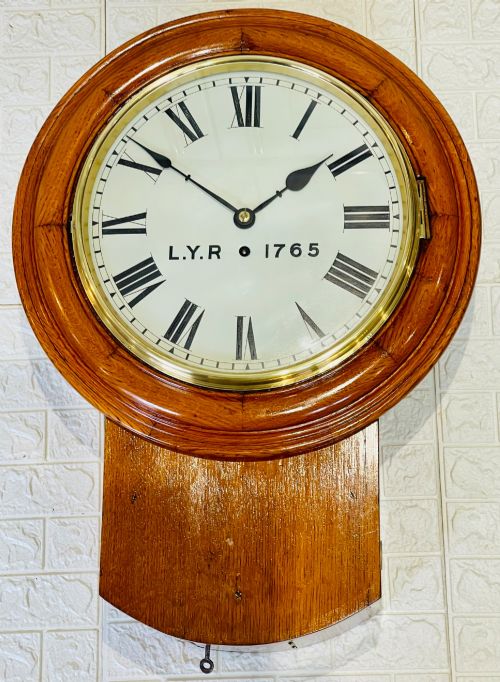
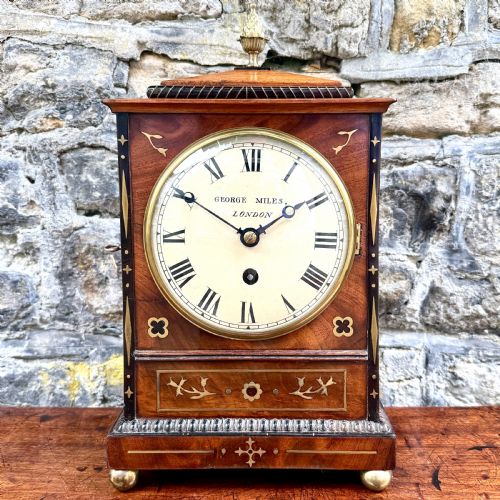
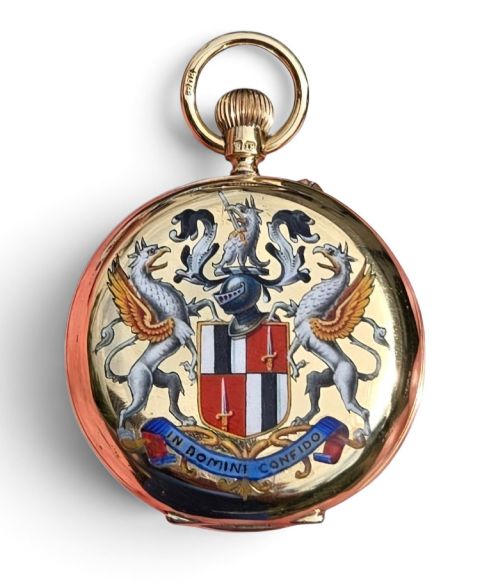
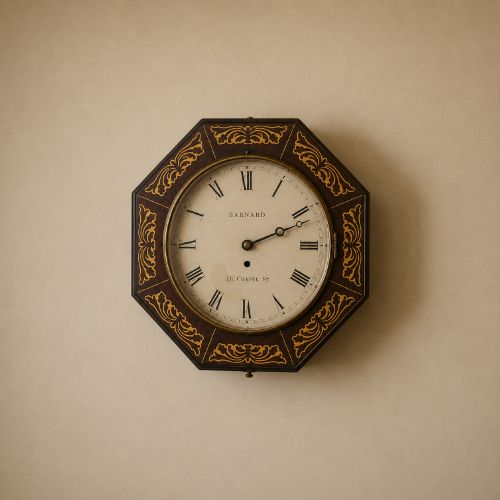
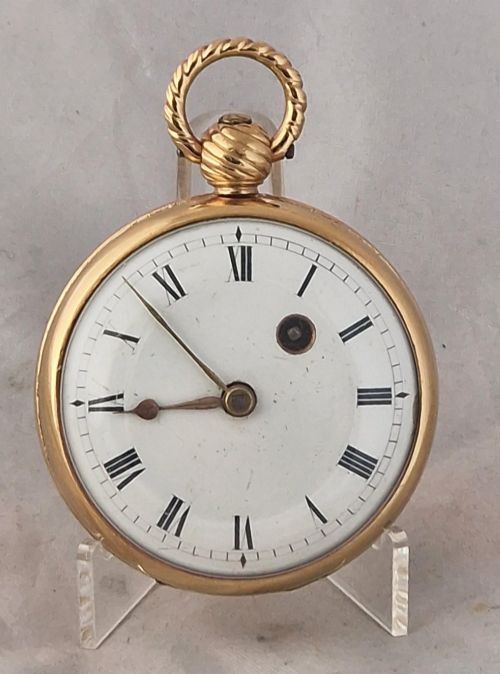
An antique fusee timepiece represents a pinnacle of traditional horology, utilising a conical drum to maintain even tension as the mainspring unwinds. Buyers searching for an antique fusee timepiece encounter diverse forms ranging from large wall-mounted railway dials to compact bracket clocks and delicate pocket watches.
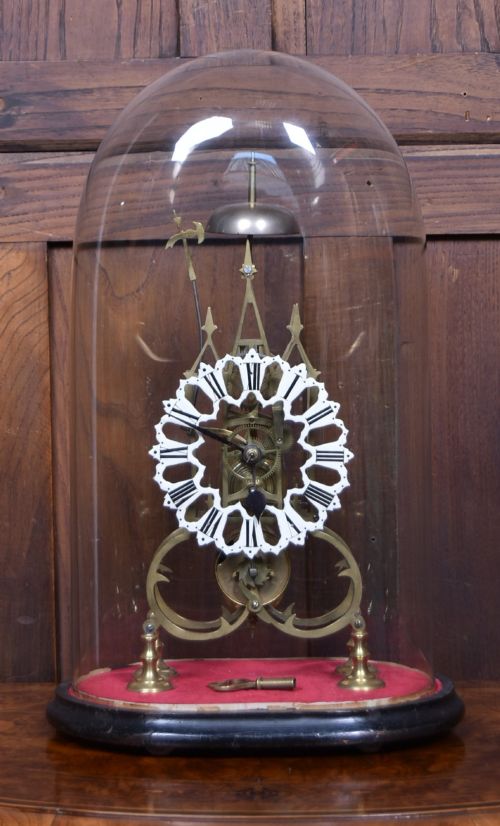
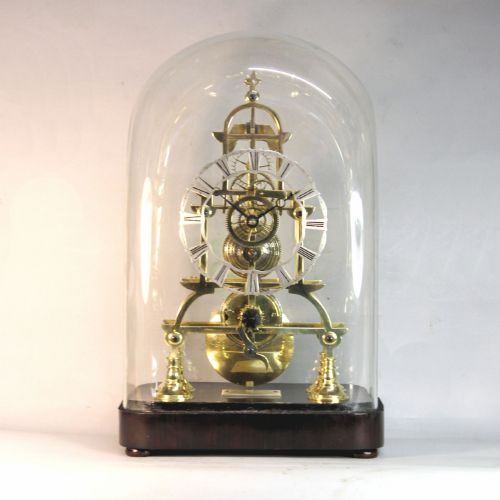
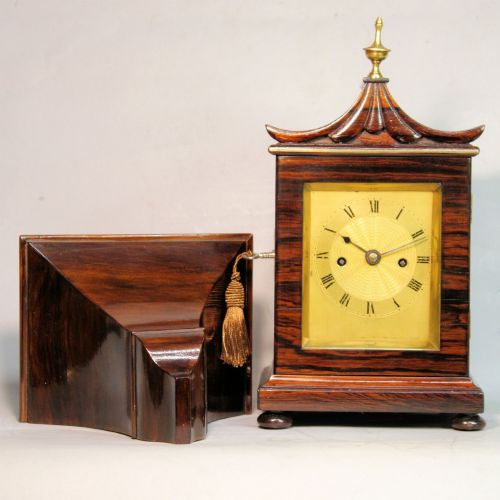
The selections span several distinct eras, with Victorian, Regency, and Georgian periods dominating the available inventory. Wall clocks and mantel clocks appear most frequently, housed in timber cases such as mahogany, oak, and rosewood, alongside exposed skeleton movements.
Railway companies, public institutions, and domestic households originally relied on these exact timepieces for precise scheduling. Today, collectors acquire them for their visible mechanical integrity and the steady ticking of a chain or gut-line driven movement.
How They Were Made
Craftsmen built these mechanisms using brass and steel plates, wheels, and escapements, housed within sturdy timber cases of mahogany, oak, and occasionally rosewood. The core mechanism relies on a cut brass fusee cone connected via a chain or cord to the mainspring barrel, evening out the variable torque.
Dials feature painted iron, white enamel, or brass, protected by heavy bevelled glass bezels. Fine decorative work incorporates ormolu, bronze, and inlaid brass details, particularly on Regency and Victorian library and bracket clocks.
Periods represented span from Georgian and Regency eras through Victorian, Edwardian, and twentieth-century railway developments.
What Varies in Quality
Quality rests in the crispness of the movement's hand-cut brass gears, the stability of the fusee chain, and the original condition of the dial and case. Master makers integrated signed movements and finely engraved backplates, elevating the horological merit above standard production pieces.
Case timber selection and secondary details like carved bracket supports, original bezels, and matching wooden wall brackets distinguish higher tier specimens. Rettailed pieces carrying signatures from renowned London or provincial makers command stronger regard among horologists.
Richard Jones of Hereford·George Clarke·R. Stewart·Henry Harris·Richard Winter·Webster Cornhill London·Dent of London·Thomas Cole·James Cole·John Walker
The Antique Fusee Timepiece Glossary
- Fusee
- A conical pulley with a spiral groove designed to equalize the diminishing power of the mainspring as it unwinds. This clever device ensures consistent force delivered to the escapement.
- Timepiece
- A clock that measures and indicates the passage of time without a striking mechanism. Such movements focus purely on accurate timekeeping.
- Verge escapement
- An early type of escapement mechanism featuring a crown wheel and vibrating pallets. It provides the characteristic rapid tick seen in older pocket watches.
- Skeleton clock
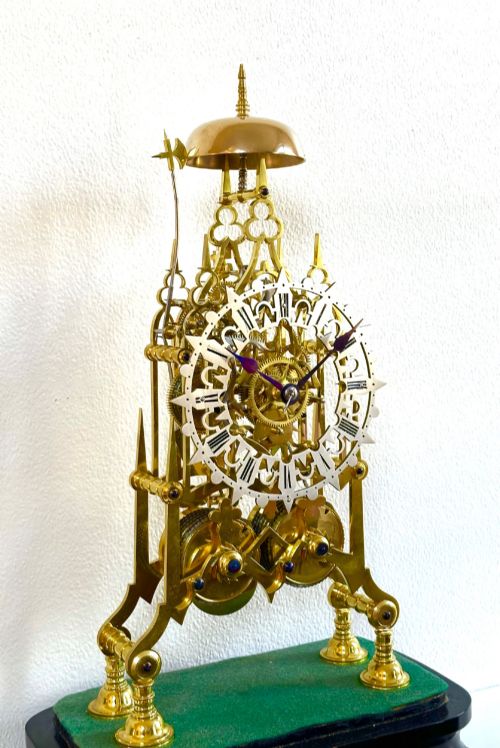
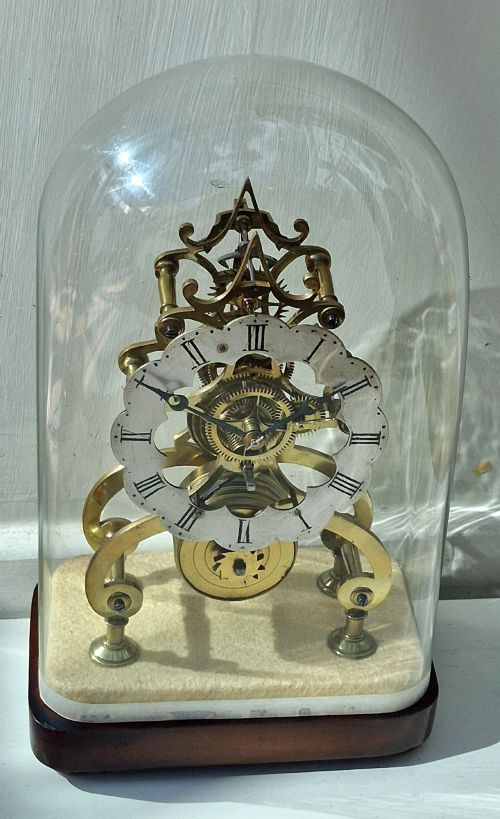
- A timepiece with an openwork brass frame designed to expose the gear train and escapement to view. These pieces sit beneath glass domes to display the inner mechanics.
- Drop dial clock
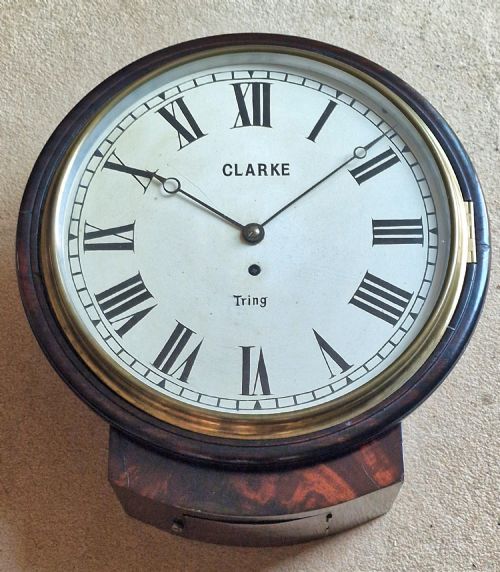
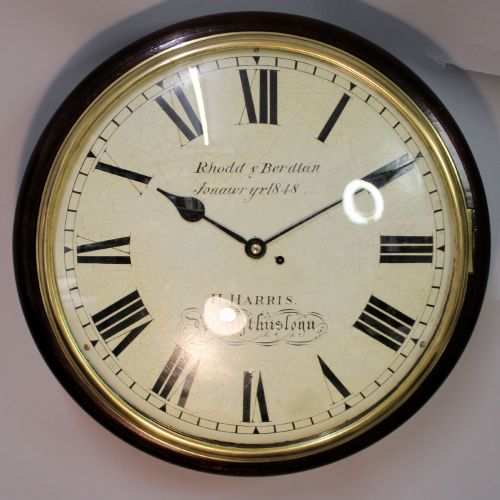
- A wall clock featuring a circular dial above a short, glazed trunk or drop case that encloses the pendulum. Railway companies utilised this format extensively for station visibility.
Antique Fusee Timepiece: Frequently Asked Questions
How does a fusee movement work?
A fusee movement uses a conical pulley connected to the mainspring via a delicate chain. As the spring unwinds and loses strength, the chain moves to a wider part of the cone, maintaining constant torque.
This clever mechanical compensation ensures the clock maintains steady accuracy throughout its running cycle.
Why do railway clocks use fusee movements?
Railway companies required absolute precision for timetabling operations across their networks. Fusee movements delivered the consistent reliability demanded by busy stations.
Wall-mounted dial clocks with sturdy wooden cases withstood the vibrations and heavy conditions of nineteenth-century transport hubs.
How do I wind an antique fusee timepiece?
Winding requires a matching key inserted into the dial or backplate to tension the mainspring via the fusee cone. Care must be taken not to overwind the mechanism.
Most examples require attention every eight days, keeping the gear train under proper tension for continuous operation.
Are skeleton clocks difficult to maintain?
Skeleton clocks feature exposed gear trains that gather dust more readily than enclosed mantel clocks. They typically sit beneath glass domes to protect the delicate brass work.
Professional cleaning and oiling every few years keep the open gear train running smoothly without excessive wear on the pivots.
What is the difference between a bracket clock and a wall clock?
Bracket clocks are portable mantel pieces originally designed to sit on a wooden wall bracket or table. They feature finished wooden cases on all sides.
Wall clocks mount directly to vertical surfaces with flat backs and dials positioned for high visibility in rooms or public spaces.