

Antique Furniture Writing Desk
An antique furniture writing desk brings period timber and fitted compartments into daily study.
Antique Furniture Writing Desk
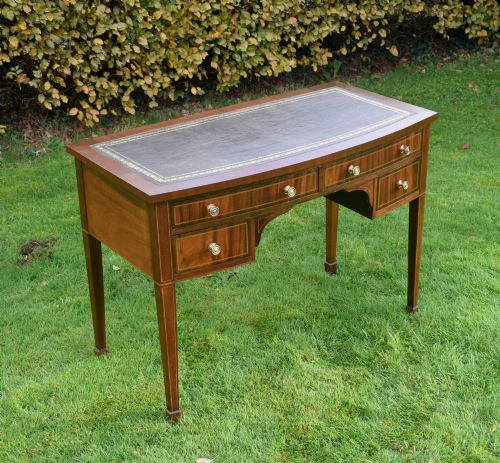
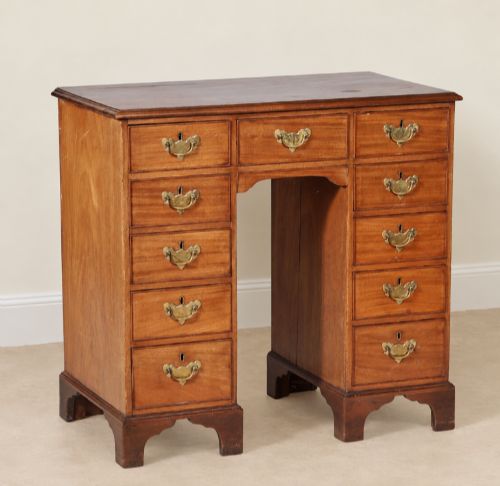
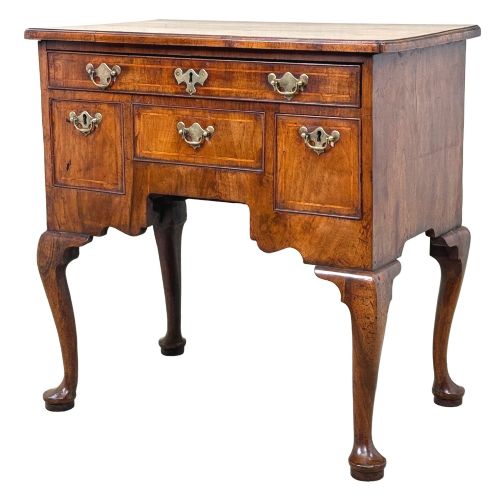
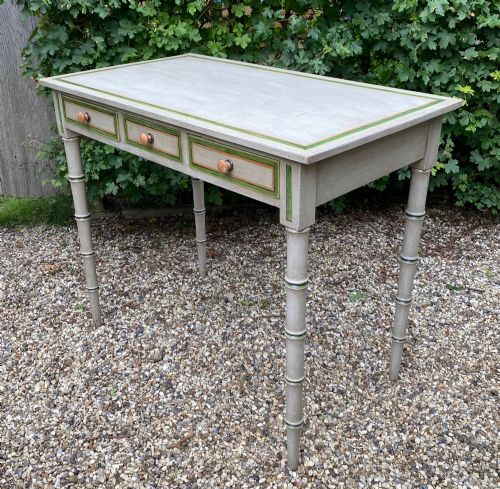
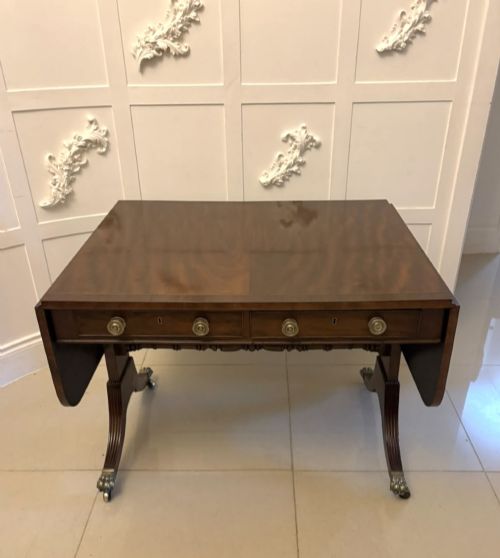
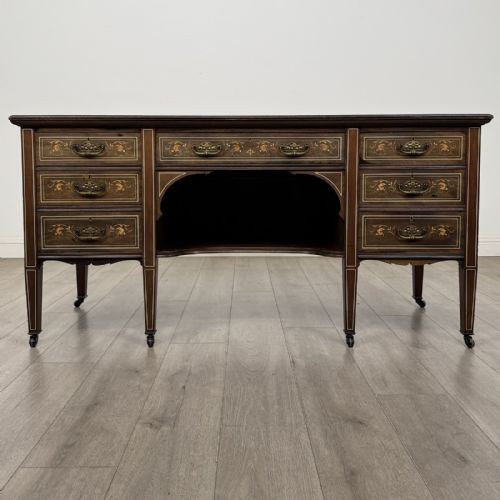
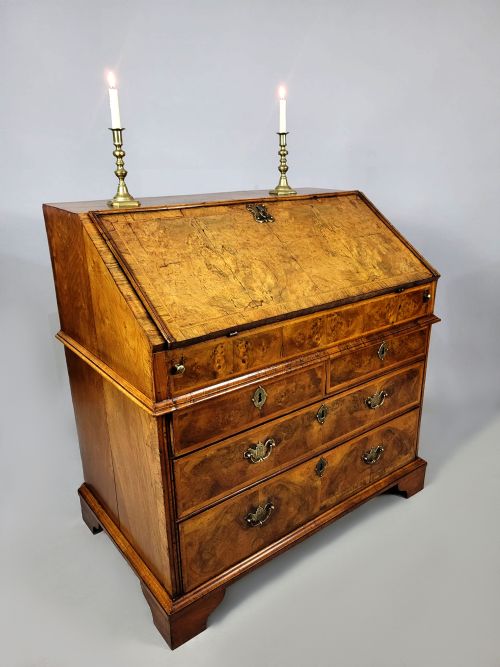
When you search for an antique furniture writing desk, you encounter diverse forms spanning the eighteenth and nineteenth centuries, including pedestal desks, Davenport tables, and bureau bookcases. These pieces served practical domestic and clerical duties in period homes, offering specialised compartments for correspondence and ledgers.
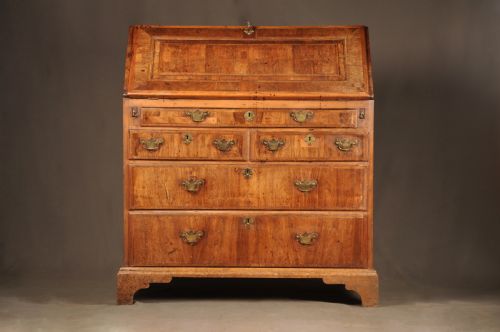
The selections here most frequently comprise mahogany and walnut specimens from the Victorian, Edwardian, and Georgian eras. Bureau desks with fold-down slopes and twin pedestal formats dominate the available examples, reflecting the domestic architecture of their original periods.
Materials and construction
Cabinet makers built these desks primarily using solid timbers and veneers of mahogany, walnut, and oak, often accented with burr walnut figuring or parquetry. Structural integrity relied on traditional joinery techniques suited to heavy daily use.
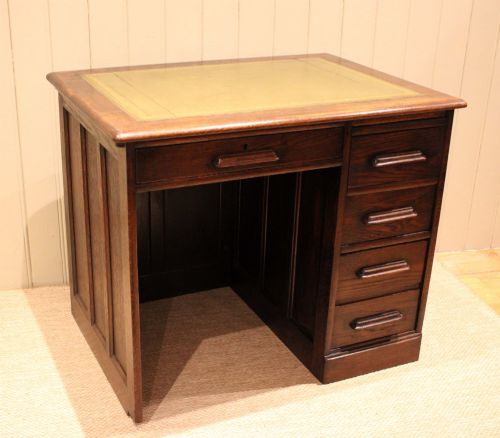
Surfaces frequently incorporated inset leather writing panels, sometimes tooled with gold leaf, alongside brass hardware such as drop handles and escutcheons. Interior compartments utilised secondary woods like pine or oak for small drawers and pigeonholes.
Antique Furniture Writing Desk Retail Price Guide 2026
Typical asking prices for furniture writing desk among the pieces listed under this phrase on Sellingantiques today, from the lower quarter to the upper quarter. They describe what is for sale here now, not the wider market.
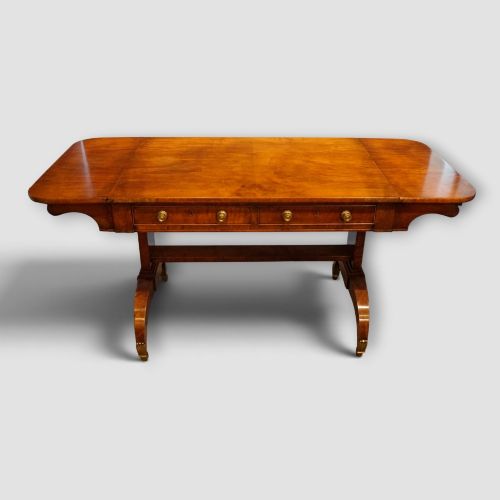
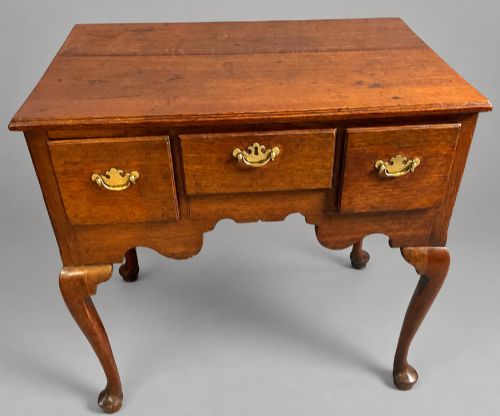
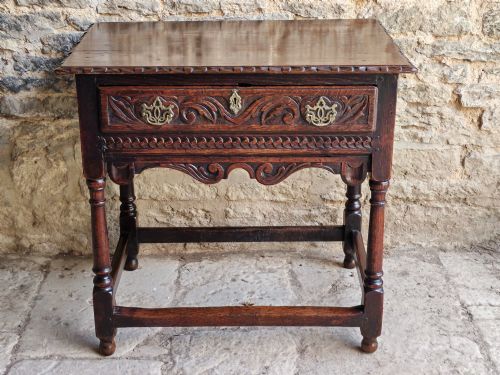
The listings span the seventeenth century through the Edwardian era, utilising primary woods such as oak, mahogany, walnut, kingwood, and padouk.
Factors determining quality
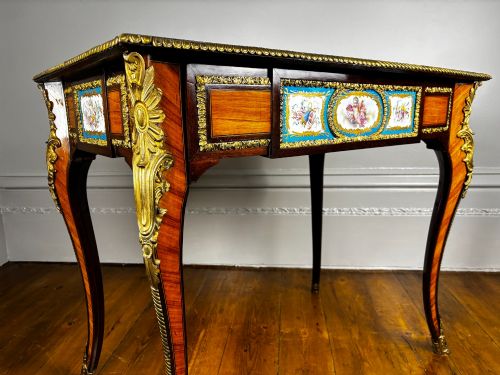
Quality in an antique furniture writing desk rests on the choice of timber figurations, such as figured mahogany or burr walnut, and the precision of the marquetry or parquetry inlay. Superior examples display thoughtful grain matching across large surfaces and drawer fronts.
The complexity and completeness of the internal fittings, including secret drawers and original brasses, distinguish finer workshop output. Structural stability in freestanding partners desks and pedestal forms also indicates higher manufacturing standards.
W. Walker and Sons London
The Antique Furniture Writing Desk Glossary
- Davenport
- A compact writing desk featuring a sloping top and a bank of side drawers. This form became popular during the nineteenth century for drawing rooms.
- Bureau
- A desk fitted with a hinged sloping flap that opens to reveal a collection of small drawers and pigeonholes. Early versions often rested on bracket feet or frames.
- Pedestal desk
- A heavy freestanding writing table supported by two vertical banks of drawers. These pieces provide substantial storage beneath the main writing surface.
- Secretaire
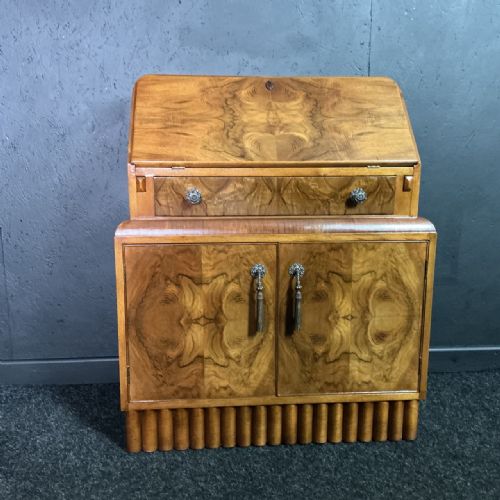
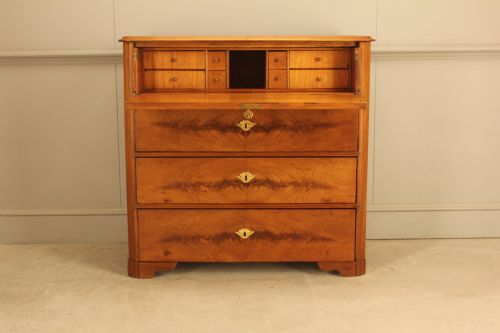
- A cabinet or chest containing a pull-out drawer or fitted drop-front writing surface. The mechanism conceals writing compartments while maintaining the exterior appearance of a chest of drawers.
- Parquetry
- Geometric wood inlay work arranged in patterns to ornament table tops and bureau falls. Cabinet makers utilised contrasting timbers to achieve visual depth.
Antique Furniture Writing Desk: Frequently Asked Questions
What is a partners desk?
A partners desk is a large freestanding writing table designed with drawers and cupboards on both opposing sides. This configuration allowed two people to work face to face in a library or study.
Such pieces usually date from the Georgian and Victorian periods, constructed in mahogany or oak with inset leather tops intended for heavy administrative tasks.
How do I identify a bureau bookcase?
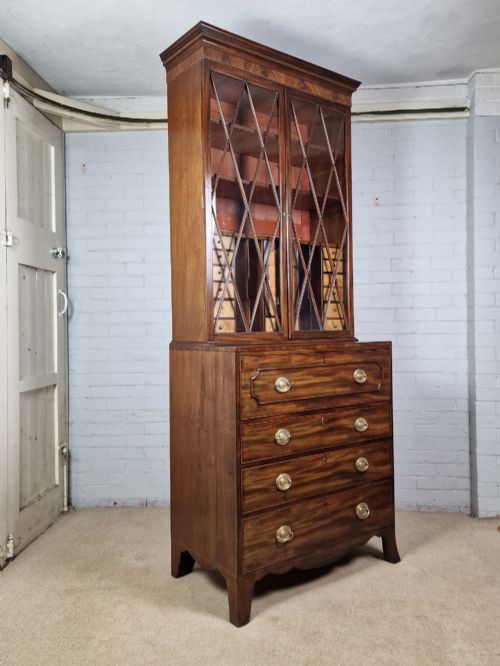
A bureau bookcase combines a sloping desk compartment at the lower section with glazed or panelled doors enclosing shelving above. The upper and lower portions generally separate into two distinct parts for transport.
These taller items appeared frequently in walnut and mahogany during the eighteenth century to store and consult reference volumes.
Where were campaign desks used?
Campaign desks and writing boxes were built for military officers and travellers on active service abroad. They typically featured brass corners, recessed handles, and collapsible elements for secure transport.
Materials like camphor wood resisted insects and humidity during transit across colonial territories.
How should I care for a leather desk top?
Leather writing surfaces benefit from occasional gentle cleaning and conditioning to prevent drying and cracking. Avoid harsh chemical cleaners and excessive moisture near gold tooling.
Using a blotter during daily writing protects the vintage leather from ink stains and physical wear.