

Antique Furniture with Castors
Antique furniture with castors rolls through Georgian, Regency, and Victorian rooms as side tables, desks, and canterburys.
Antique Furniture with Castors
When you search for antique furniture with castors, you encounter pieces designed to move smoothly across heavy carpets and wooden floors without marking the surface. The listings span Georgian, Regency, Victorian, and Edwardian periods, covering forms built for utility and display in homes.
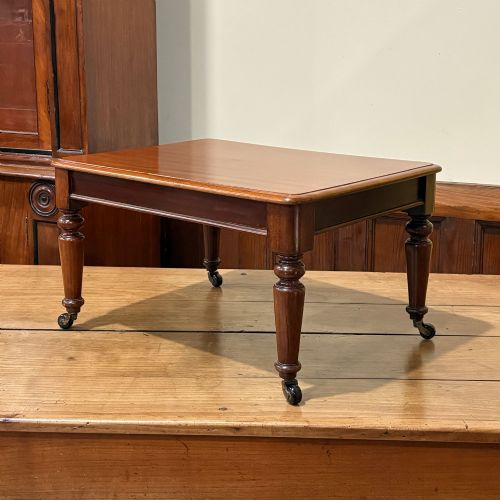
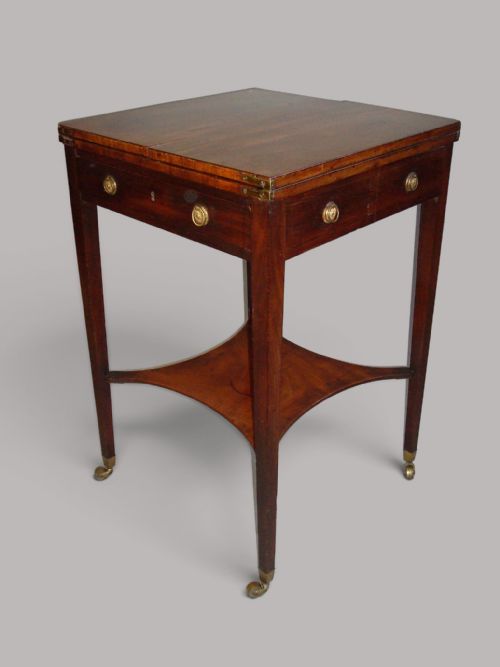
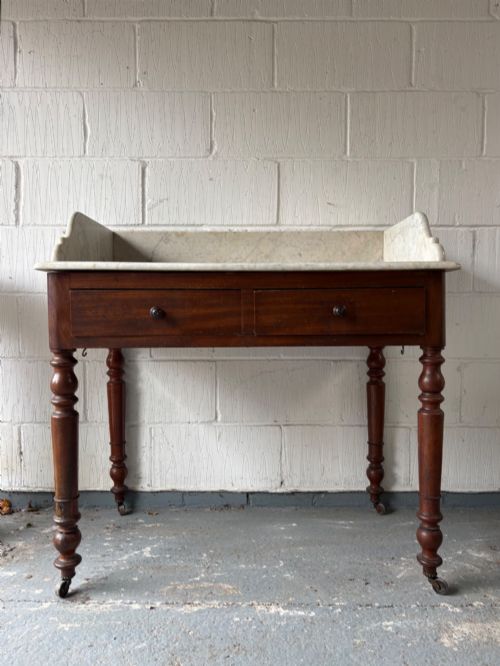
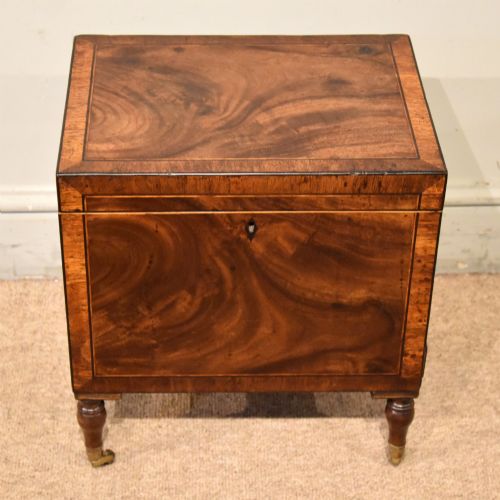
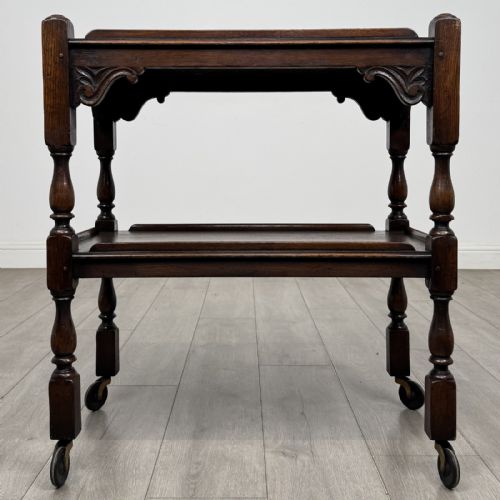
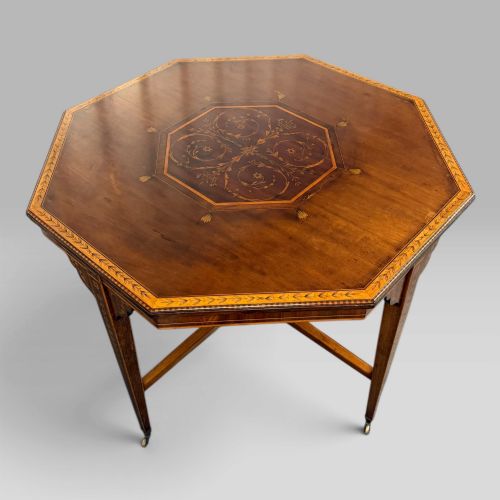
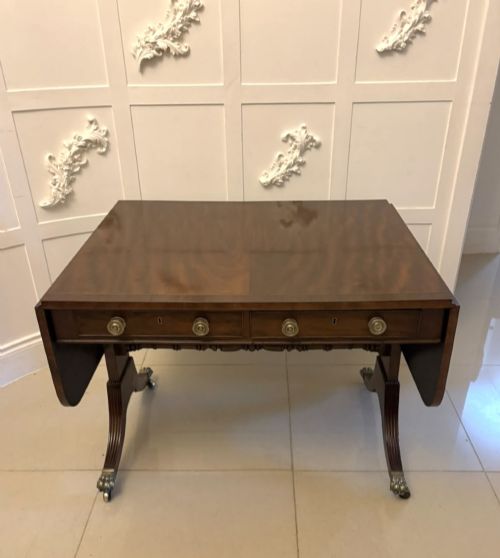
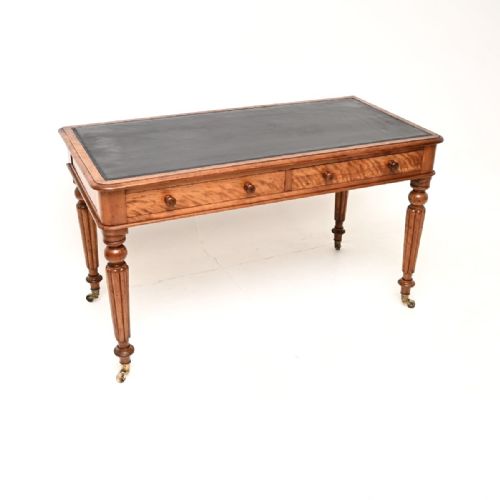
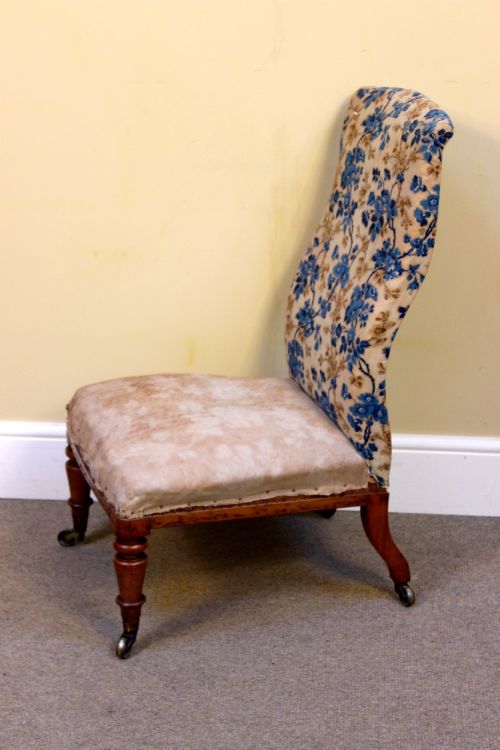
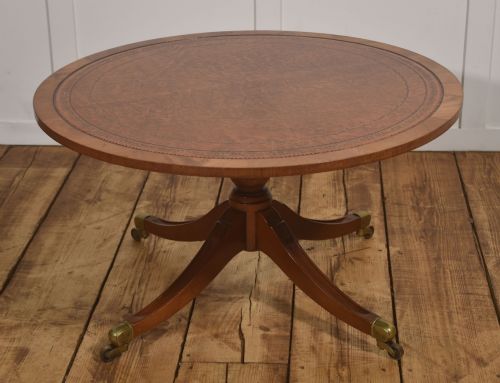
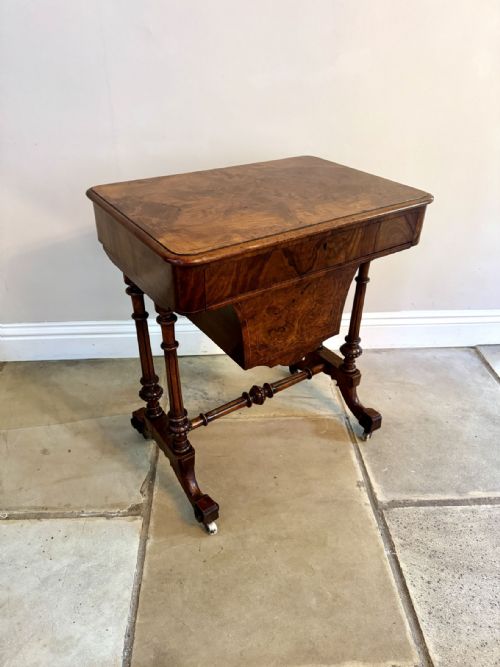
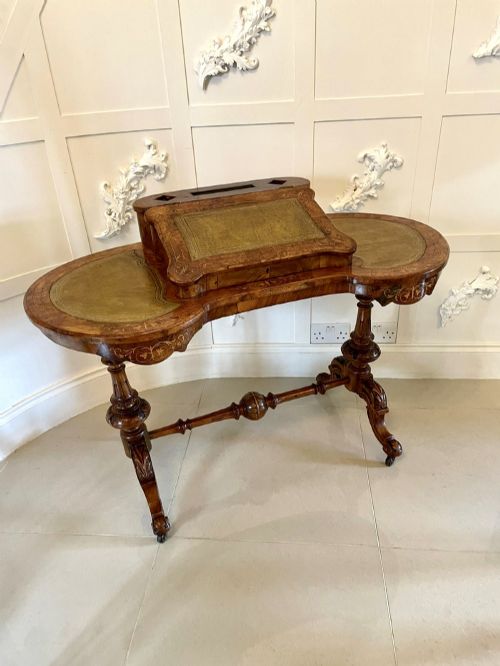
The most common forms on this page are small tables, writing desks, and canterburys, alongside beds and armchairs. Mahogany, rosewood, and walnut appear frequently as the primary timbers, shaped into side tables, sewing tables, and card tables supported by small wheels.
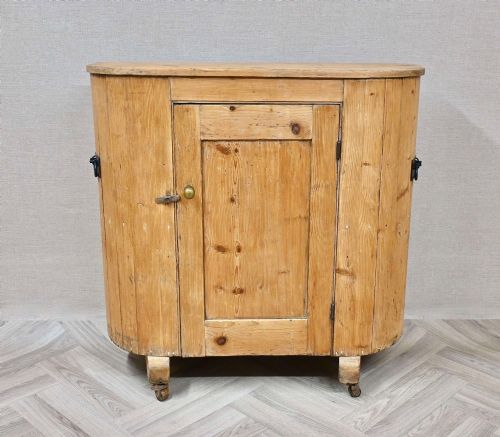
Makers ranged from large cabinet-making firms to individual workshops, utilising brass and cast iron for the wheel mounts. These additions show how functional design adapted to domestic spaces throughout the nineteenth century.
Materials and construction methods
Cabinet makers selected dense timbers such as mahogany, rosewood, burr walnut, and satin birch to build heavy framework that could support metal hardware. These woods were often polished or inlaid to highlight the grain on tabletops, desks, and canterburys.
Metal components, predominantly brass and cast iron, were fitted into the base of legs to hold the rolling mechanisms. Brass sabots and sockets protected the wood from splitting while allowing the wheels to swivel under weight.
Antique Furniture with Castors Retail Price Guide 2026
Typical asking prices for furniture with castors among the pieces listed under this phrase on Sellingantiques today, from the lower quarter to the upper quarter. They describe what is for sale here now, not the wider market.
Listings feature mahogany, rosewood, walnut, and satin birch, with brass and cast iron used for the wheel mounts.
Judging the quality of these pieces
Quality rests on the integrity of the timber framing and the original integration of the wheel mounts into the legs. Pieces where the brass fittings match the period and show clean casting without replacement demonstrate superior workshop execution.
Refinement in secondary details, such as inlaid veneers, dovetailed drawer linings, and turned supports, elevates a piece from standard domestic utility to high cabinet-making. The joinery must remain tight where legs meet the castor mounts to support the weight of the furniture.
Johnstone and Jeanes·J A Mein Edinburgh Cabinet Maker·Shoolbred·Jenks & Woods·Howard & Sons·Gillows
The Antique Furniture with Castors Glossary
- Castor
- A small wheel mounted on a swivel at the bottom of a leg to allow smooth movement. These fittings appear in brass and cast iron across nineteenth-century tables and seating.
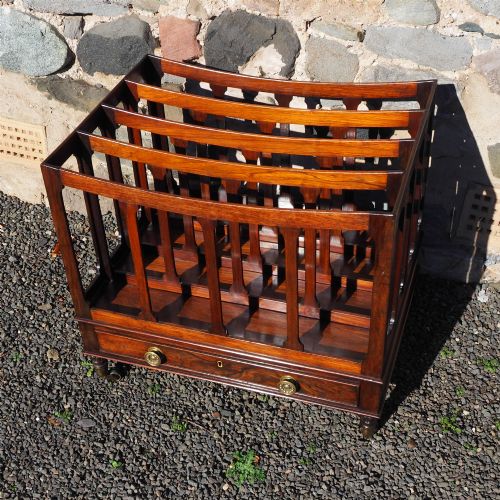
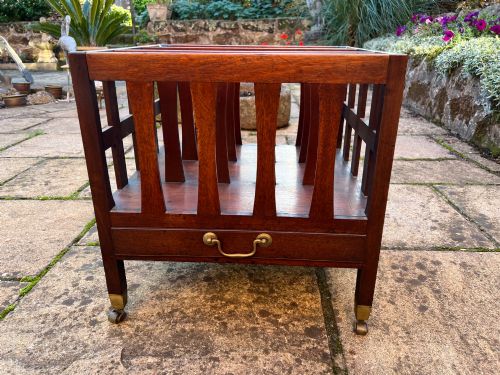
- Canterbury
- A low stand with vertical partitions designed for holding sheet music, newspapers, or magazines. Many examples sit upon small wheels for easy repositioning beside a chair.
- Sabot
- A metal shoe fitted over the foot of a table leg to protect the timber and house the wheel mechanism. They are frequently cast in brass on Regency rosewood and mahogany pieces.
- Pembroke table
- A small rectangular table with hinged drop flaps on either side. These tables often incorporate a single drawer and rest upon wheeled supports.
- Whatnot
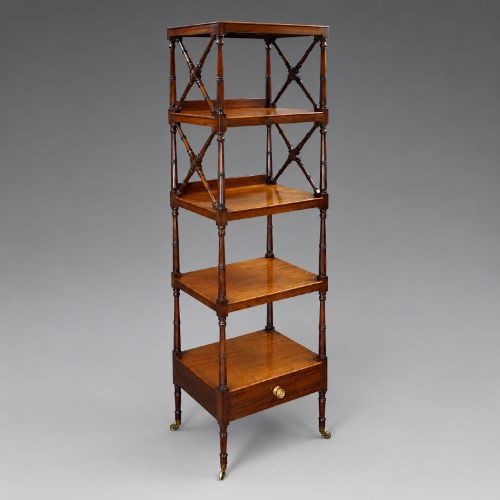
- An open set of multiple shelves used for displaying ornaments or books. They appear in Georgian and nineteenth-century forms supported on slender uprights and castors.
Antique Furniture with Castors: Frequently Asked Questions
What periods do these pieces date from?
The pieces span the Georgian, Regency, Victorian, and Edwardian eras, covering the eighteenth, nineteenth, and early twentieth centuries. Timber choices and decorative styles generally reflect the specific decade of manufacture.
Most items originate from the nineteenth century when domestic furniture prioritized mobility for cleaning and room reconfiguration.
Were all castors made of brass?
Makers utilised both brass and cast iron depending on the weight of the furniture and the period of production. Brass fittings appear frequently on refined rosewood and mahogany tables.
Cast iron was often selected for heavier metal bed frames and utilitarian pieces requiring robust structural support.
Are the wheels usually original?
Original wheels and sockets match the wear and metal composition of the period. Replacement fittings often appear clean and unblemished compared to the aged timber above them.
Examining the screw fixings and the wood around the socket helps determine if the hardware has been changed over time.