
Antique Furniture Table
An antique furniture table brings centuries of practical craftsmanship and timber variety into daily domestic use.
Antique Furniture Table
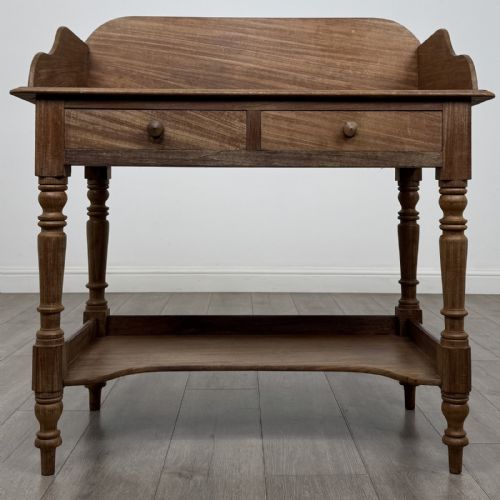
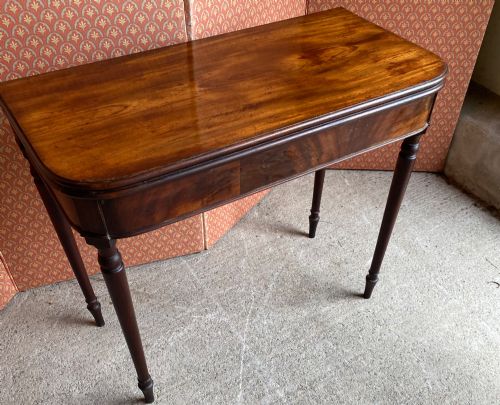
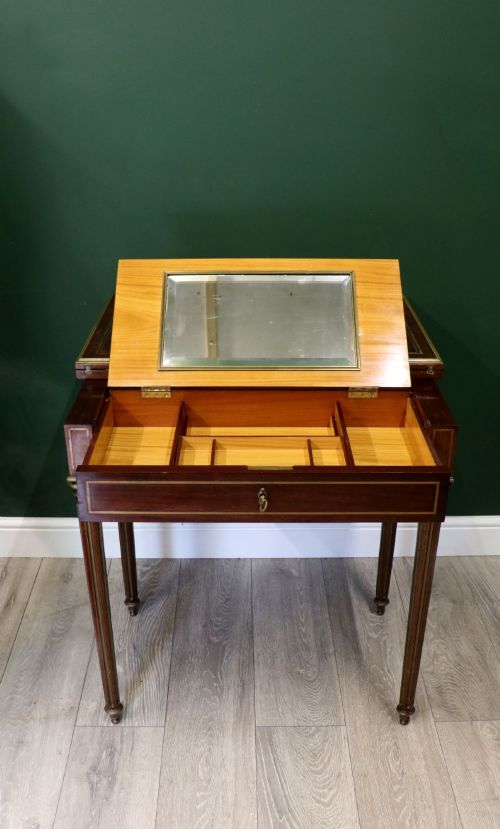
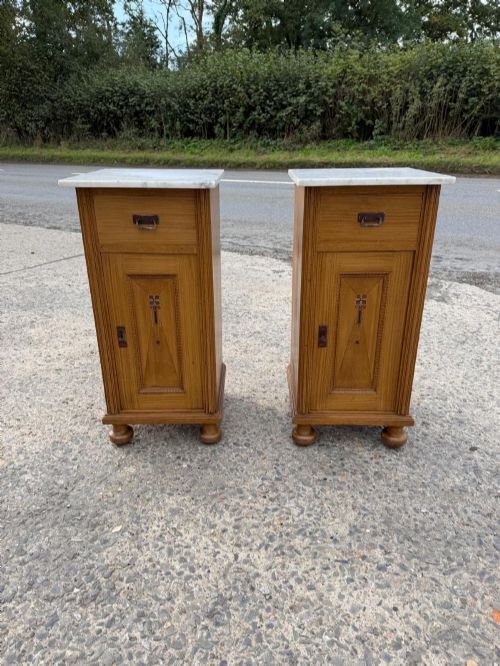
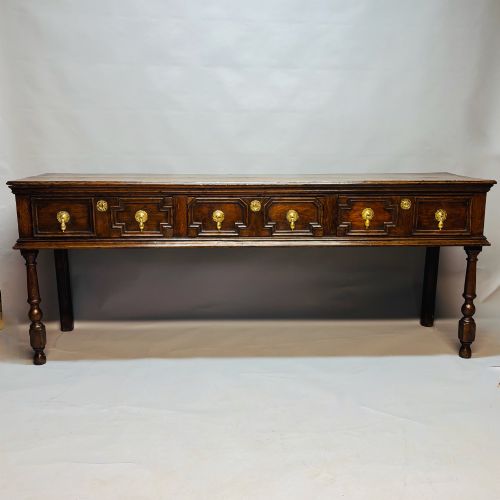
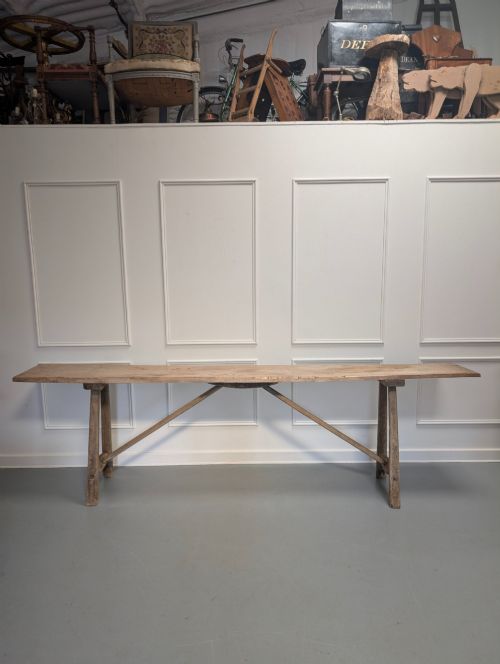
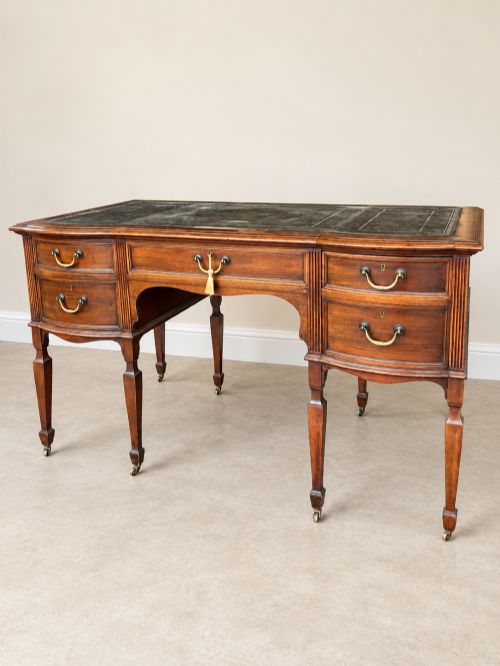
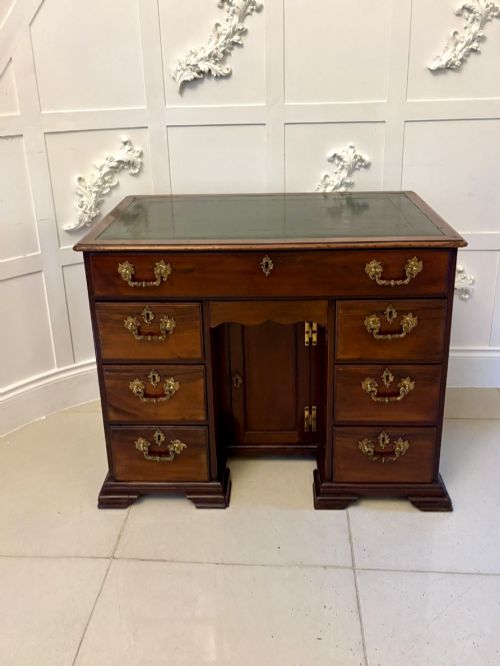
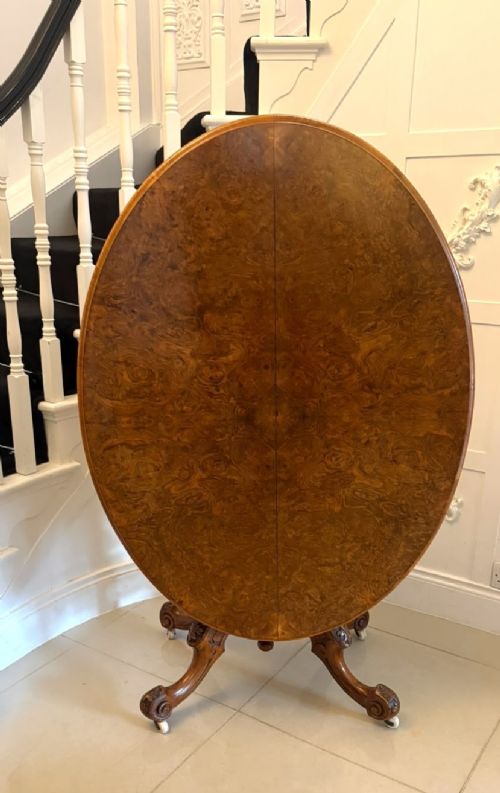
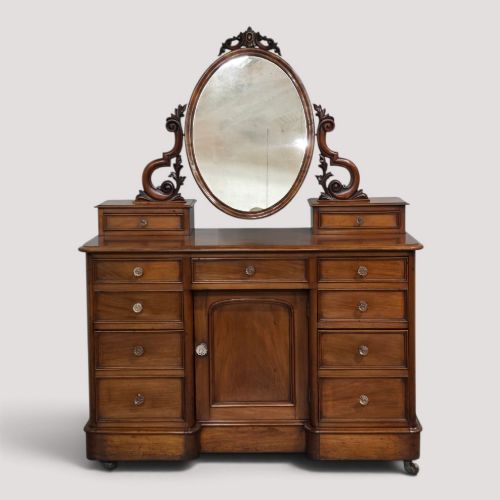
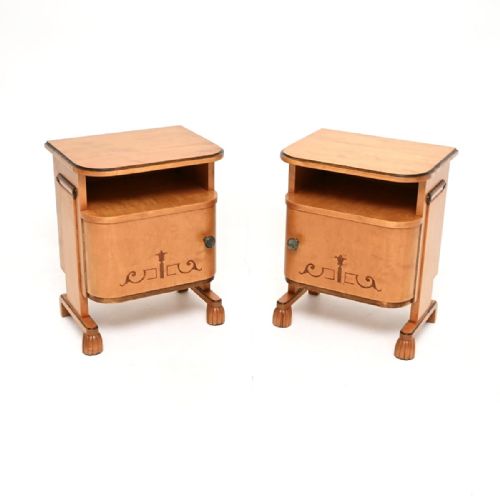
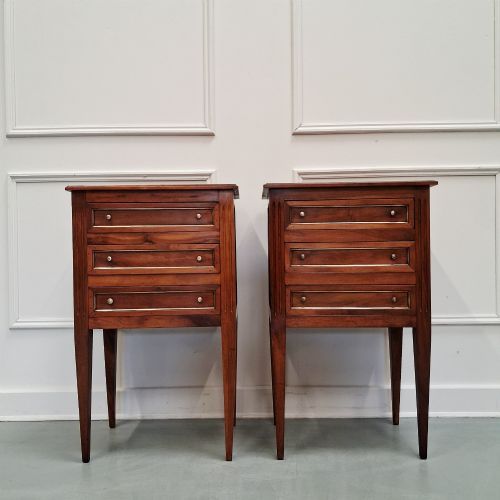
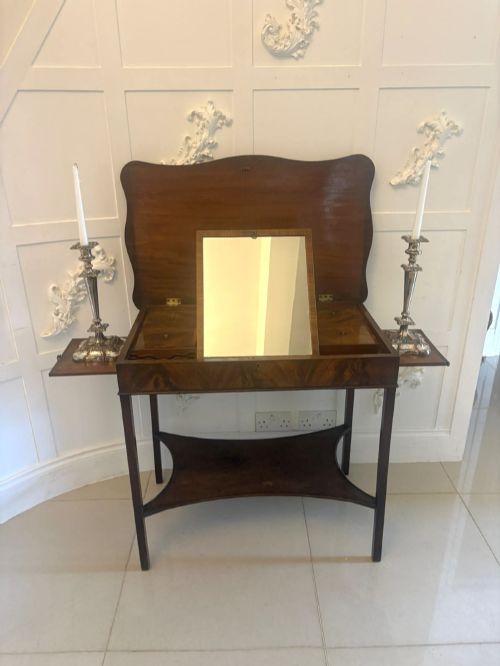
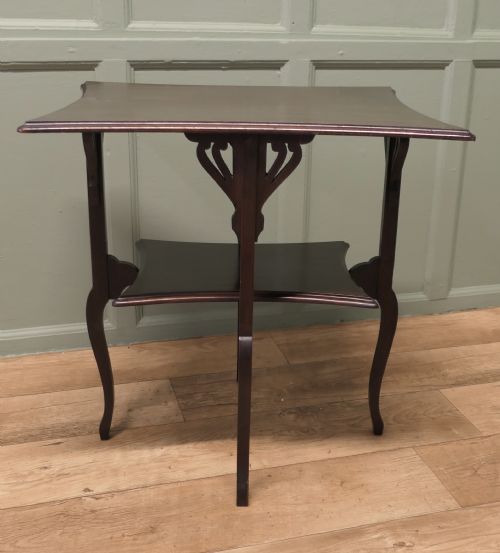
An antique furniture table encompasses diverse domestic forms including dining tables, side tables, dressing tables, desks, and occasional tables spanning multiple historical periods.
Buyers seeking an antique furniture table most frequently encounter 19th-century and Victorian pieces, alongside Georgian, Regency, Edwardian, and earlier examples.
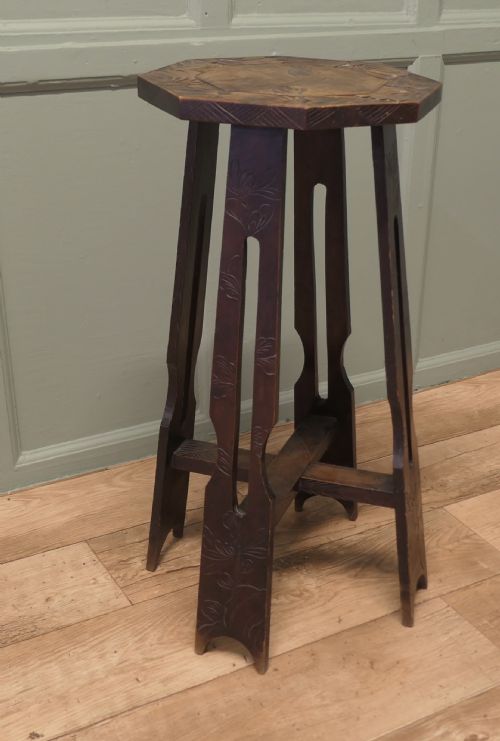
Forms range from compact oak lowboys and elm plant stands to large mahogany extending dining tables and twin pedestal desks.
How they were made
Joinery relies heavily on dense hardwoods such as mahogany, oak, walnut, and rosewood, frequently enhanced by decorative elements like satinwood crossbanding and burr walnut veneers.
Metal hardware such as brass fittings and cast iron components integrate with timber structures on specific forms like card tables, writing desks, and garden pub tables.
Pine sculptors stand ready for messy work.
What varies in quality
Distinction across the range rests on timber selection, such as figured mahogany, burr walnut, or yew wood, paired with precise execution of carved details and crossbanding.
Structural integrity and the retention of original surfaces, patination, and secondary timbers dictate the standing of individual tables.
Liberty and Co·W Walker and Sons London
The Antique Furniture Table Glossary
- Lowboy
- A small side table or dressing table featuring drawers, commonly produced in oak or walnut during the 17th and 18th centuries.
- Crossbanding
- A decorative border technique where thin strips of veneer are laid perpendicular to the grain of the primary surface.
- Foldover top
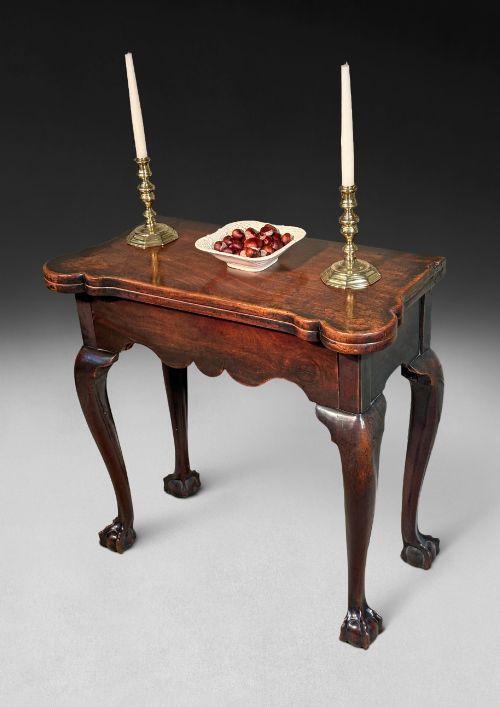
- A hinged tabletop design that opens to double the surface area, frequently utilised on card tables and tea tables.
- Dumb waiter
- A tiered set of revolving or stationary circular shelves on a central pillar, used for serving food without attendants.
- Gallery
- A raised wooden or brass rail positioned around the edge of a tabletop or stand to secure objects from sliding off.
Antique Furniture Table: Frequently Asked Questions
How do I identify a Georgian table?
Georgian tables commonly utilise dense timbers like mahogany and oak, displaying restrained proportions and classical joinery methods appropriate for dining, tea, or writing.
Details such as straightforward cabriole legs, pad feet, or subtle mouldings help distinguish pieces produced during the reigns of the Georges from later Victorian revivals.
Where were side tables used?
Side tables served practical functions in hallways, reception rooms, and bedrooms for holding lamps, writing materials, or decorative items.
Their compact footprints allowed them to sit flush against walls without obstructing movement through domestic spaces.
How do I care for antique wood?
Maintain timber surfaces by keeping tables away from direct heat sources and sudden humidity changes that cause wood to split.
Apply traditional wax sparingly and polish with a soft cloth to preserve the natural finish and historic patination.