

Antique Furniture Restoration
These pieces associated with antique furniture restoration span centuries of cabinet-making, offering substantive historical character to an interior through period timber and form.
Antique Furniture Restoration
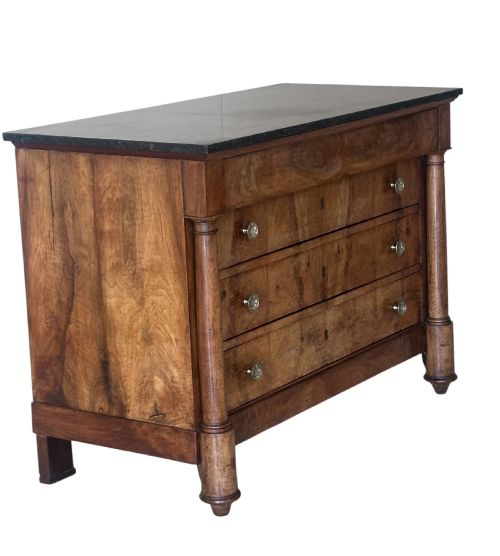
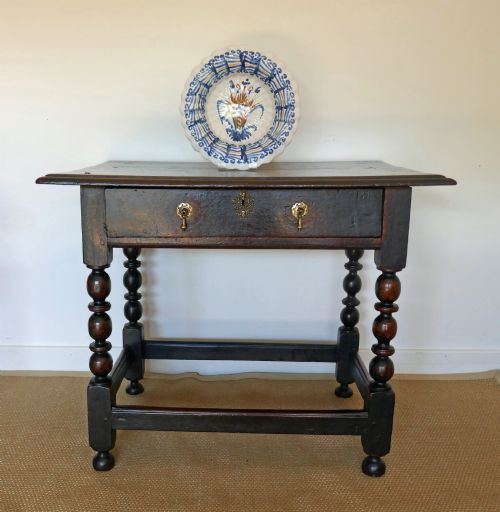
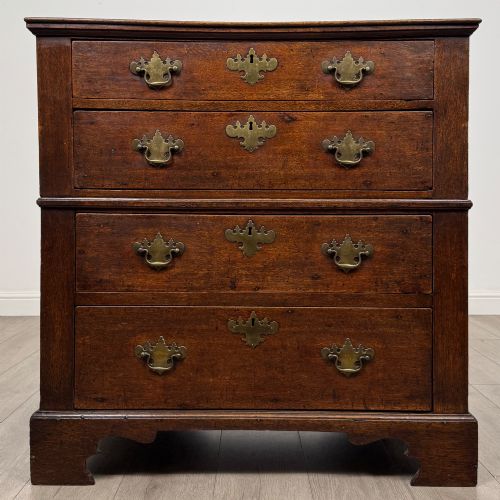
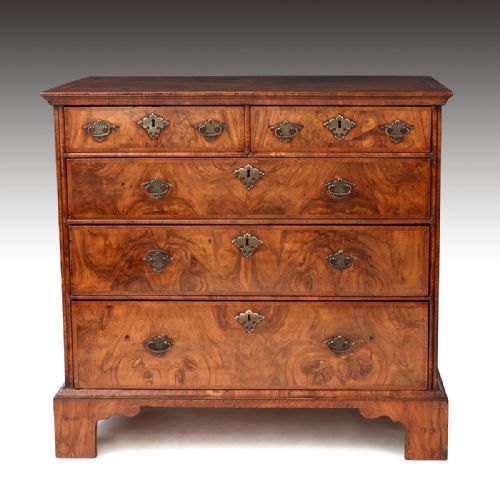
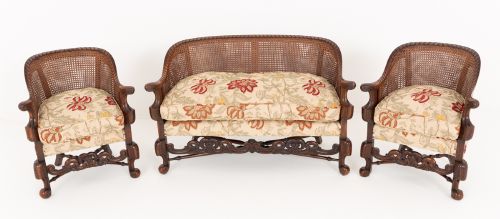
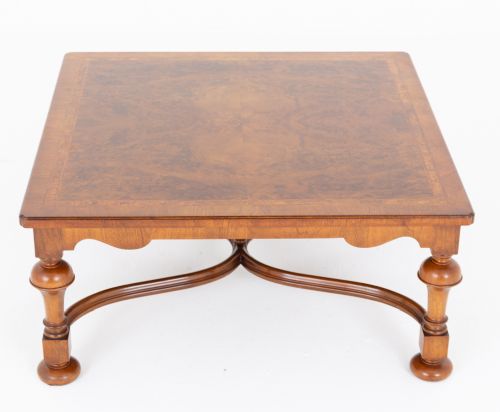
When you search for antique furniture restoration, you encounter a selection centred heavily on seventeenth-century oak and walnut pieces alongside nineteenth-century French designs. The core of the selection comprises chests of drawers, side tables, cabinets on stand, and seating.
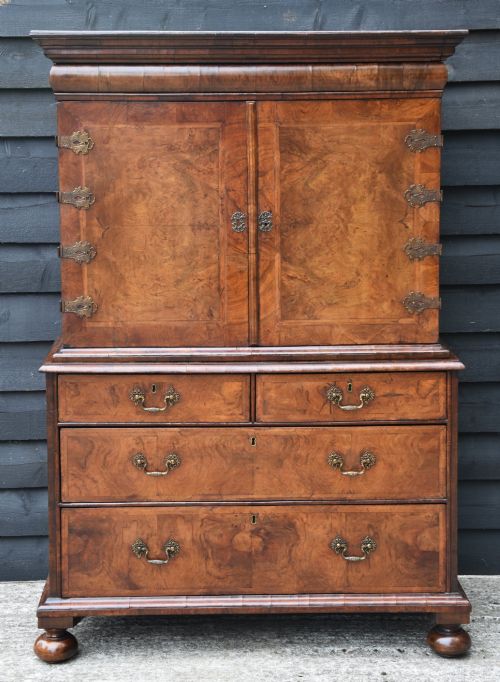
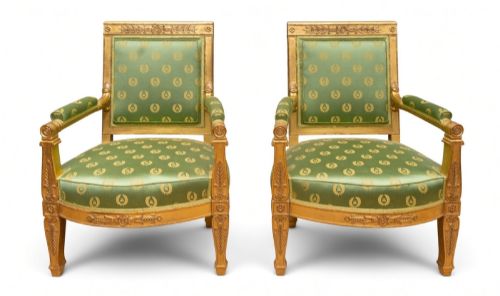
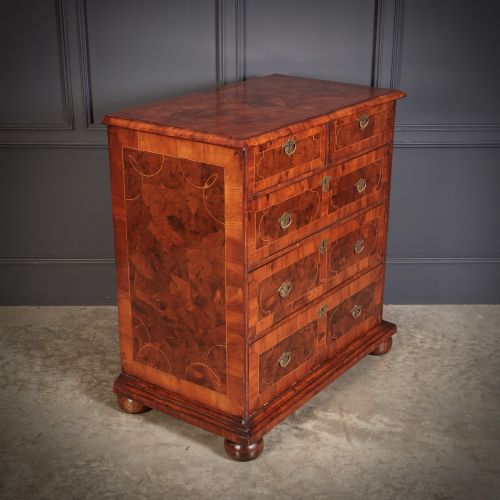
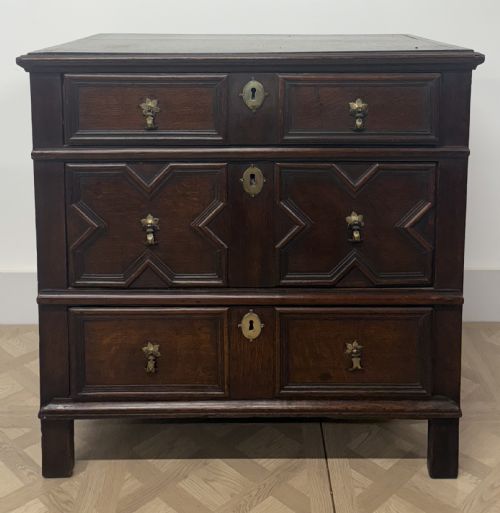
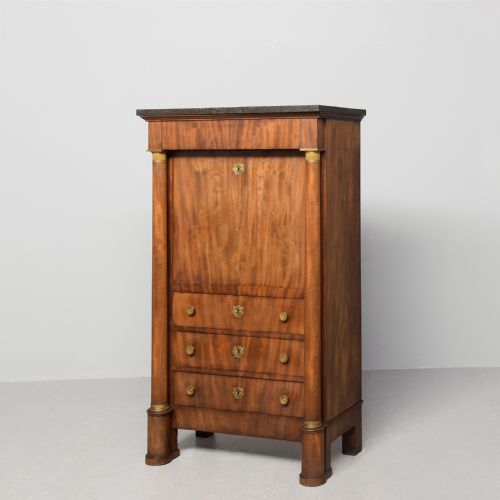
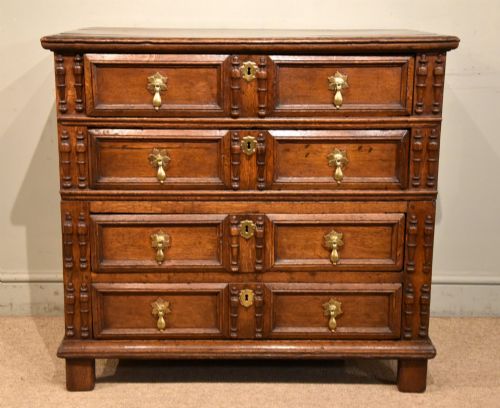
The seventeenth-century material is predominantly oak, frequently enhanced with walnut, fruitwood, or yew wood, often taking the form of geometric mouldings and oyster veneer. Nineteenth-century examples introduce mahogany, rosewood, and giltwood through Empire, Charles X, and Restauration styles.
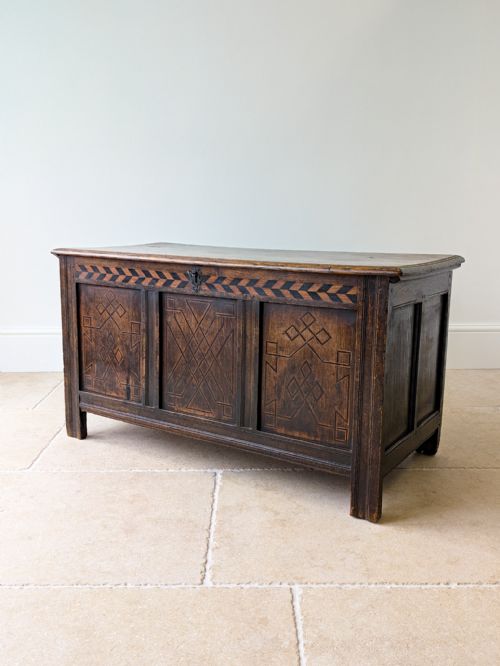
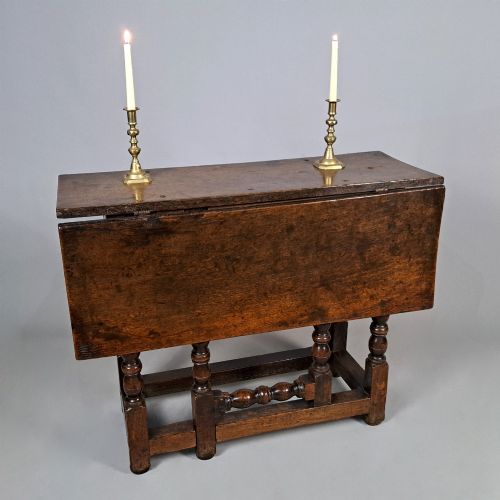
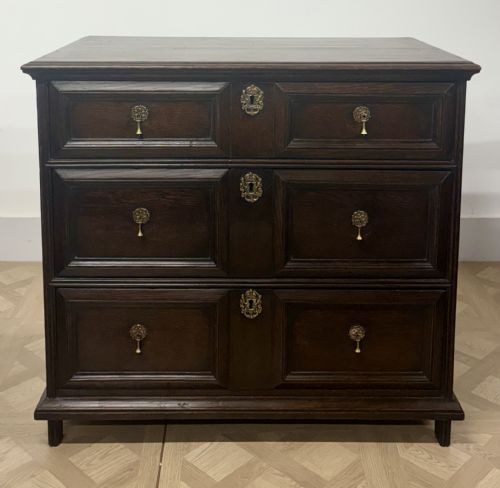
Seventeenth-century chests of drawers and side tables dominate the offerings, built with sturdy proportions and distinct panel construction. Alongside these, armchairs, stools, and writing furniture provide varied utility.
Assessing quality
Quality rests upon the integrity of the timber selection, the crispness of applied geometric mouldings, and the survival of an authentic surface patina. Early seventeenth-century pieces demonstrate quality through the tightness of their joinery and the depth of figured grain in walnut and oak.
Later nineteenth-century pieces depend on the precision of their veneers, the execution of decorative carving, and the retention of original mounts like brass hardware and marble slabs. The distinction between ordinary and superior examples lies in the harmony of proportion and the restraint of subsequent intervention.
Antique Furniture Restoration Retail Price Guide 2026
Typical asking prices for furniture restoration among the pieces listed under this phrase on Sellingantiques today, from the lower quarter to the upper quarter. They describe what is for sale here now, not the wider market.
A solitary seventeenth-century fruitwood cradle sits among the heavy chests and tables, built to rock infants through the Restoration.
Jacob-Desmalter
The Antique Furniture Restoration Glossary
- Oyster veneer
- Cutting small branches or shoots across the grain to produce circular or oval patterns resembling oyster shells. This technique was favoured by seventeenth-century cabinet-makers using walnut and olive wood.
- Geometric mouldings
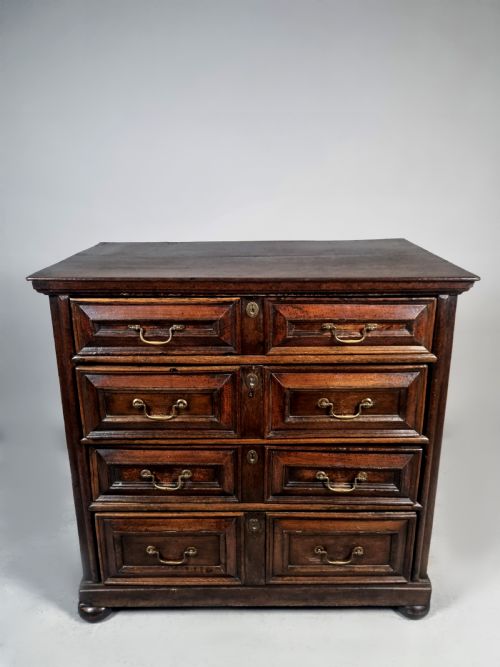
- Raised wooden profiles applied in repeating geometric patterns onto drawer fronts and cabinet doors. They created strong chiaroscuro effects on seventeenth-century oak and walnut pieces.
- Fauteuil
- An open-armed upholstered armchair with exposed wooden framing, originating in France. Eighteenth and nineteenth-century examples often featured carved and giltwood surfaces.
- Secretaire abattant
- A tall upright cabinet featuring a fall-front writing flap that conceals a collection of small drawers and pigeonholes. These pieces frequently incorporated marble tops and fine veneers during the nineteenth century.
- Patina
- The surface sheen and mellowed tone developed by timber over centuries of handling, exposure to light, and waxing. It serves as a visual indicator of age and careful preservation.
Antique Furniture Restoration: Frequently Asked Questions
What defines a Charles II chest of drawers?
These chests typically feature solid oak construction with applied geometric mouldings on the drawer fronts, often accented with walnut or fruitwood. They stand on sturdy stiles and frequently utilise two-part configurations.
The drawer fronts display panels arranged in octagons or rectangles, reflecting the aesthetic preferences of the late seventeenth century. Their proportions remain bold and utilitarian.
How do I identify oyster veneer?
Oyster veneer consists of small, circular slices of branch wood arranged closely together to create a repeating, patterned surface resembling oyster shells. It appears prominently on walnut furniture from the late seventeenth century.
The technique requires considerable skill to cut and lay evenly across large drawer faces and table tops, producing a distinctive rippled visual texture.
How should I care for antique oak furniture?
Antique oak benefits from consistent indoor humidity levels and protection from direct sunlight, which can dry and crack old timber. Regular application of traditional beeswax helps maintain the natural moisture and sheen of the wood.
Avoid silicone-based polishes, as they build up over time and dull the historic patina. Gentle dusting with a dry, soft cloth remains the best daily maintenance.