

Antique Furniture Pairing
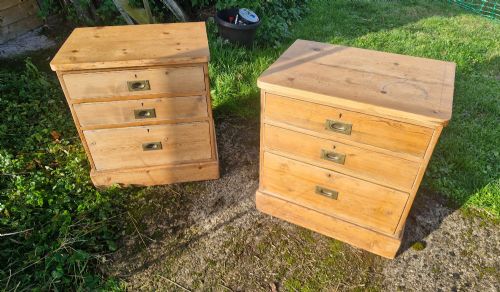
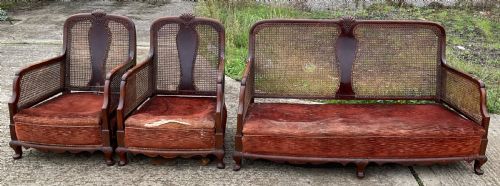
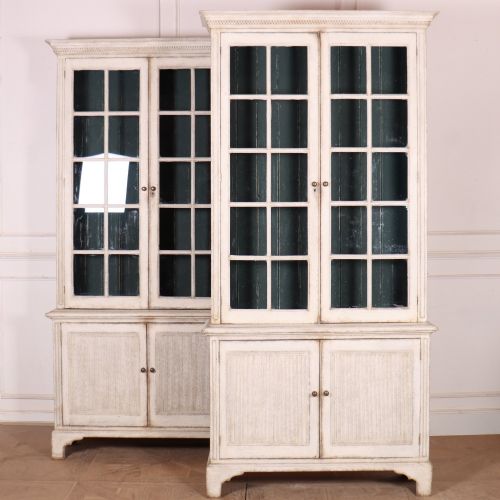
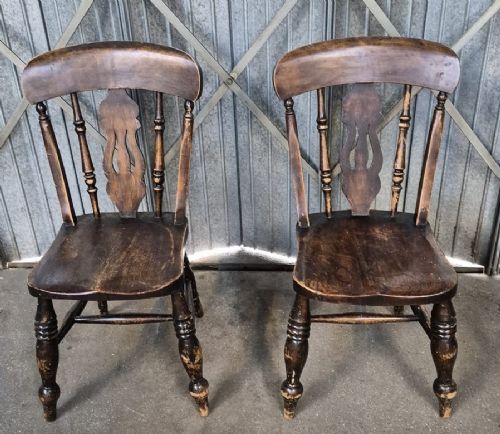
An antique furniture pairing brings balance to a room through matched design, uniting pieces crafted centuries ago in walnut, mahogany, and oak.
Antique Furniture Pairing
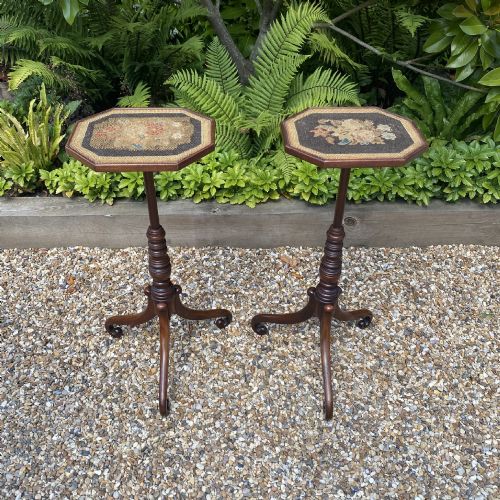
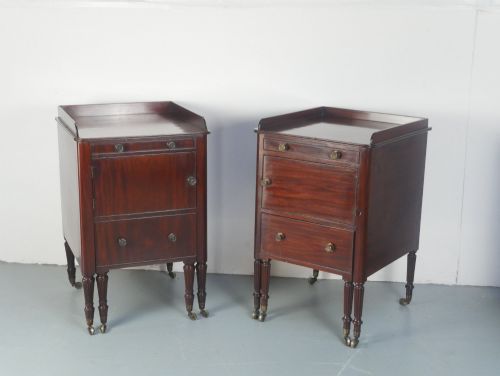
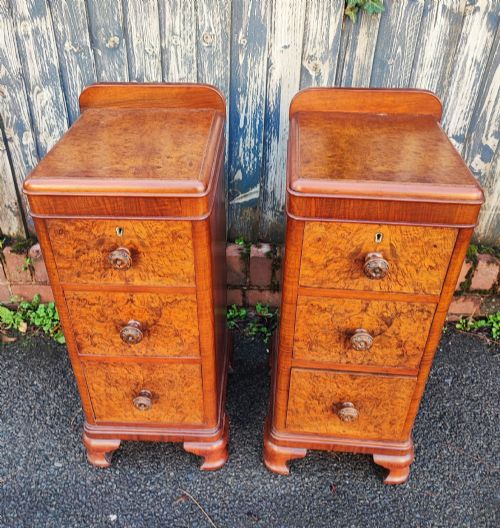
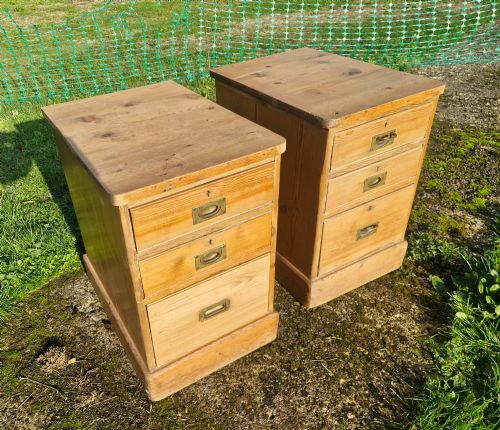
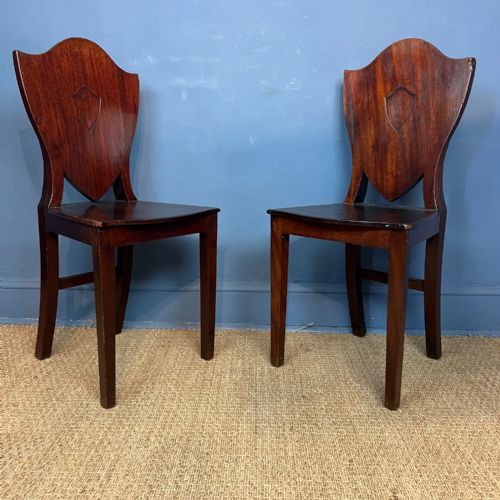
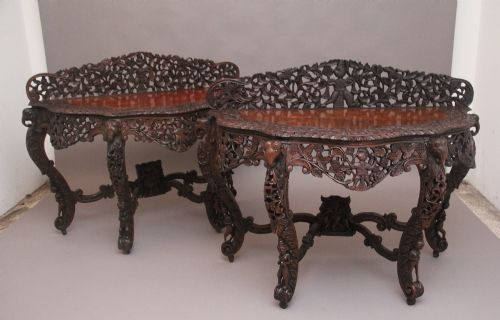
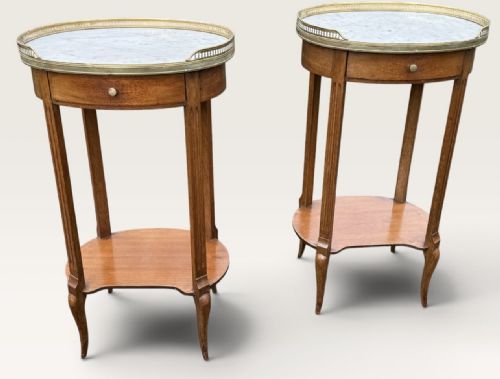
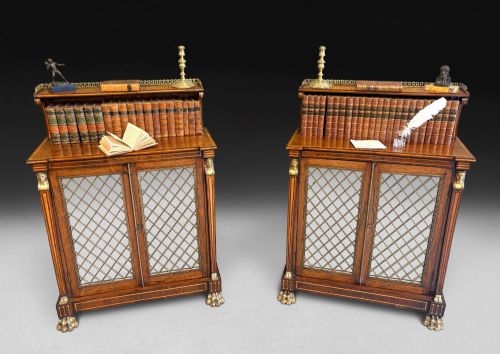
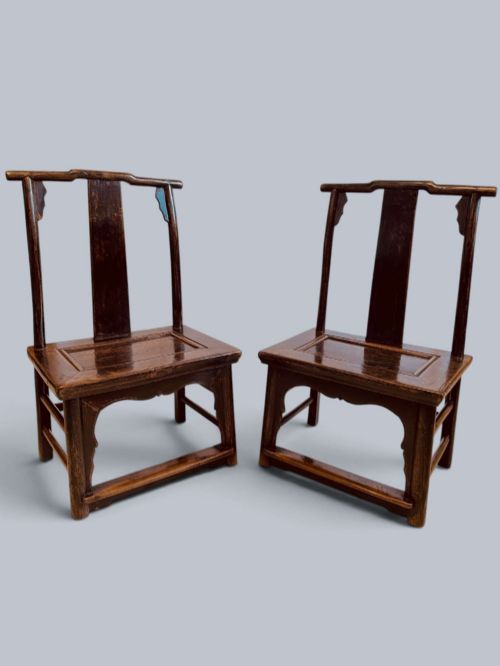
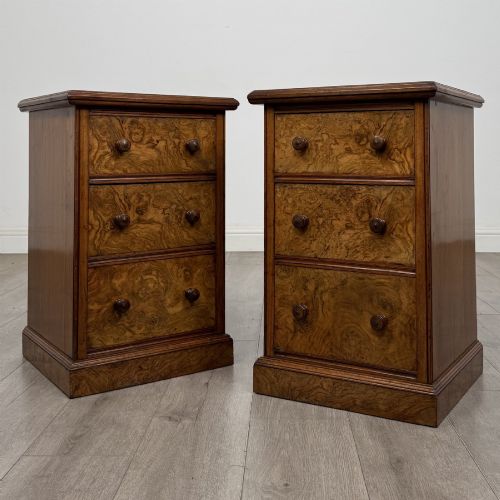
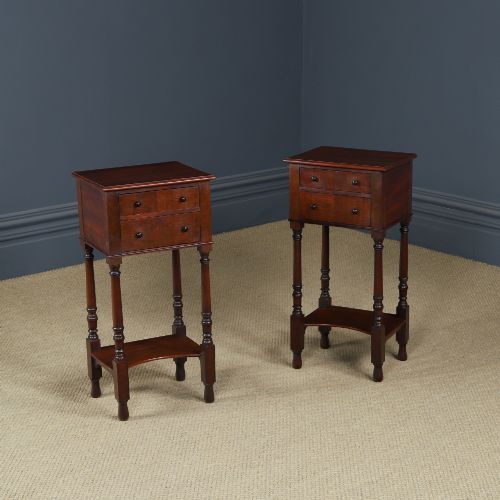
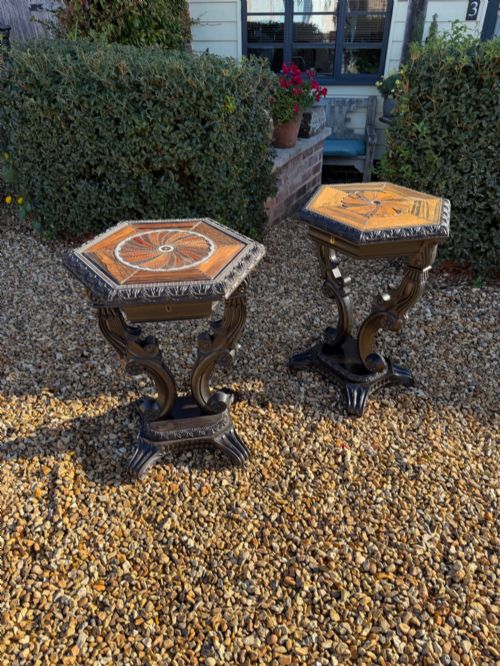
An antique furniture pairing consists of matching or complementary items designed to be used together, such as bedside cabinets, side tables, and armchairs. When exploring an antique furniture pairing, buyers encounter diverse forms ranging from Victorian walnut whatnots to Regency rosewood card tables and French oak bedside tables.
The selection spans multiple periods, predominantly the nineteenth and early twentieth centuries, alongside earlier Georgian and eighteenth-century examples. Common formats include pairs of chairs, chests of drawers, bookcases, and low tables originating from workshops across Britain, France, Sweden, and beyond.
These matched sets served practical domestic purposes in pairs, flanking beds, fireplaces, or doorways to create symmetry in period interiors. Today, collectors seek them out to maintain historical harmony within a room while acquiring functional storage and seating.
Materials and construction methods
Cabinet makers utilised dense hardwoods including mahogany, walnut, oak, and cherrywood, often enhancing plain timbers with decorative veneers such as satin birch, satinwood, and burr walnut. Secondary structural elements commonly relied on beech, pine, or elm to provide sturdy internal framing.
Surface decoration involved marquetry inlay, painted pine finishes, lacquer work, and mother-of-pearl embellishments, alongside carved structural details like those found on Gothic Revival and Greek Revival pieces. Marble tops frequently reinforced functional items such as bedside cabinets for daily wear.
Joinery methods varied by period and region, ranging from traditional dovetailed drawer construction in nineteenth-century chests to specialised turning and framing on Windsor armchairs and folk art escabelle hall chairs.
Antique Furniture Pairing Retail Price Guide 2026
Typical asking prices for furniture pairing among the pieces listed under this phrase on Sellingantiques today, from the lower quarter to the upper quarter. They describe what is for sale here now, not the wider market.
A pair of oak doors carries the legendary thumbprint of the mouseman, watching over the hallway in quiet solitude.
Factors determining quality
The distinction between ordinary and superior pieces rests on the choice of timber and the precision of decorative work, such as the intricacy of marquetry inlay or the grain selection in rosewood and satinwood. Bookcases and cabinets signed by known makers or originating from notable workshops demonstrate higher craftsmanship.
Originality of surface finish and hardware, including brass fittings and marble slabs, significantly influences the integrity of a matching pair. Closely matched colour, grain pattern, and wear across both items indicate that the pieces originated together rather than being assembled later.
Structural stability and the preservation of original carved details without heavy restoration distinguish well-preserved examples from those with altered or replaced components.
Gillows·Bowman Brothers·Jack Grimble·Whytock And Reid·Alexander Greek Thomson
The Antique Furniture Pairing Glossary
- Escabelle
- A traditional type of wooden hall chair or stool, often featuring carved panels and upright supports.
- Enconchado
- A decorative technique utilising inlaid mother-of-pearl on wooden panels, frequently seen in Spanish Colonial mirrors.
- Whatnot
- A multi-tiered open shelving unit used for displaying ornaments and books, popular during the Victorian period.
- Marquetry
- The art of applying pieces of veneer to a structure to form decorative patterns and pictorial designs.
- Commode
- A low chest of drawers or cabinet, typically French in origin, standing on relatively tall legs.
Antique Furniture Pairing: Frequently Asked Questions
How do I match antique furniture?
Look for items sharing the same wood species, period style, and approximate scale to ensure visual harmony.
Matching finishes and turning details helps disparate pieces look like a deliberate pair within a room.
Where were bedside cabinets used?
Bedside cabinets were placed beside sleeping quarters to hold chamber pots, night lights, and personal items.
Over time, their enclosed cupboards and marble tops adapted easily to modern bedside storage needs.
What is a whatnot used for?
A whatnot is a tiered shelving unit designed for displaying small decorative objects, porcelain, and books.
Their open construction allowed them to fit neatly into corners or against walls in Victorian reception rooms.
How do I identify Regency style?
Regency style is characterised by classical restraint, inspired by ancient Greek and Roman design.
Expect dark rosewood or mahogany timbers, brass inlay, and saber legs on seating and tables.