



Antique Furniture Clock
When you seek an antique furniture clock, you want a piece that merges timekeeping with cabinetmaking.
Antique Furniture Clock
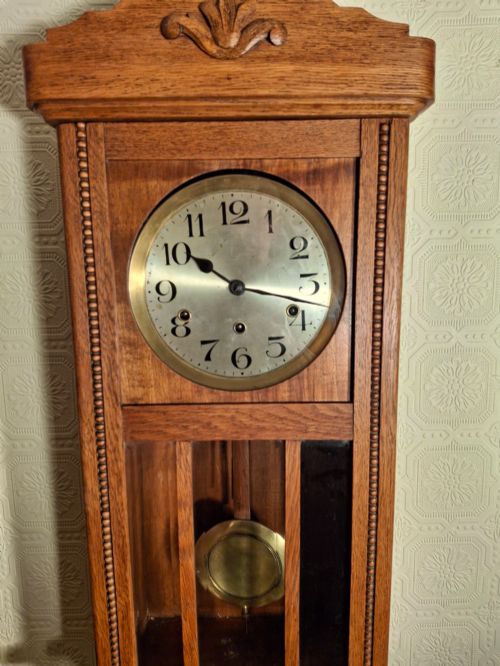
An antique furniture clock brings together horology and fine cabinetry, often taking the form of a tall longcase clock housed in timber housings. These items range from Georgian grandfather clocks in oak and pollard oak to country pine kitchen cupboards designed to hold timepieces.
Buyers encountering this search phrase find various expressions of period timepieces and their enclosures, including Regency eight-day movements and Viennese cabinets. The selection spans the eighteenth century through to the early twentieth century, reflecting diverse regional furniture traditions.
Materials and construction
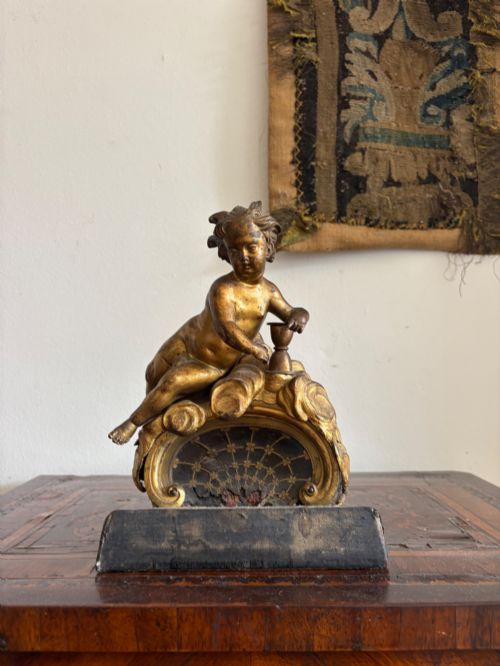
Cabinetmakers utilised sturdy hardwoods such as oak, mahogany, and pollard oak to build the architectural housings for these clocks, frequently incorporating brass dials and iron movements. Pine served for provincial pieces like kitchen cupboards, while decorative mounts employed gilt bronze and ormolu.
The construction of longcase clocks demanded precise joinery to house delicate gear trains and weighted movements safely within tall wooden trunks. Surface details often included hand-carved wooden elements and applied brass or bronze ornamentation.
Antique Furniture Clock Retail Price Guide 2026
Typical asking prices for furniture clock among the pieces listed under this phrase on Sellingantiques today, from the lower quarter to the upper quarter. They describe what is for sale here now, not the wider market.
Distinctions in quality
The standard of a piece rests upon the calibre of the timber selection, such as figured pollard oak, and the crispness of any hand-carved woodwork. Simpler provincial pine cupboards represent a different domestic tier compared to ambitious metropolitan longcase clocks with signed movements.
Horological excellence and cabinetwork refinement determine the standing of each item, distinguishing standard utilitarian time enclosures from masterworks of period furniture design. The integration of specialised materials like gilt bronze ormolu elevates the overall execution.
The Antique Furniture Clock Glossary
- Longcase clock
- A tall pendulum clock enclosed in a wooden case that rests upon the floor, often called a grandfather clock. These standing timepieces evolved significantly during the Georgian period.
- Ormolu
- Finely ground high-carat gold-copper mercury gilding applied to bronze objects. This decorative technique appears on mounts and ornaments associated with period horology.
- Pollard oak
- Oak timber taken from trees that have been pollarded, producing highly figured wood with dense grain patterns. Cabinetmakers utilised this decorative veneer for high-status furniture and clock cases.
- Regency
- A British design period spanning the early nineteenth century, noted for classical restraint and refined proportions in cabinetry. Pieces from this era often feature precise mechanical movements.
Antique Furniture Clock: Frequently Asked Questions
What is an antique furniture clock?
It is a timekeeping device integrated into period furniture, most notably seen in tall longcase clocks and specialised cabinetry.
These pieces combine the mechanics of horology with the craftsmanship of historical cabinetmakers, spanning materials from oak to gilt bronze.
How do I identify a Georgian longcase clock?
Georgian longcase clocks typically feature traditional timber cases made from oak, pollard oak, or mahogany, housing brass dials and weight-driven movements.
They reflect the proportions and joinery methods characteristic of eighteenth-century British craftsmanship.
Where were these clocks placed in a home?
Grandfather clocks stood in principal rooms and hallways where their striking mechanism could be heard throughout the house.
Smaller pieces, such as table cabinets or kitchen clock cupboards, served functional and decorative roles in specific domestic spaces.
What materials are used in these clock cases?
Cabinetmakers relied on woods like oak, mahogany, and pine for the main structural housings.
Metal components included brass for dials and galleries, alongside gilt bronze and ormolu for decorative mounts.