
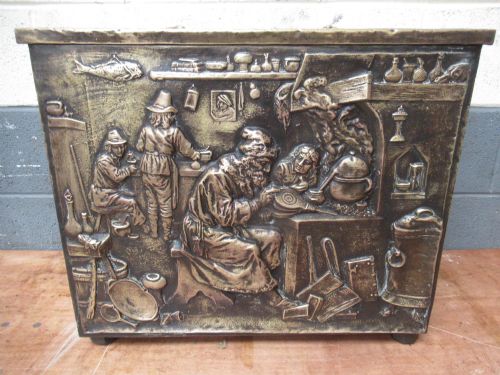
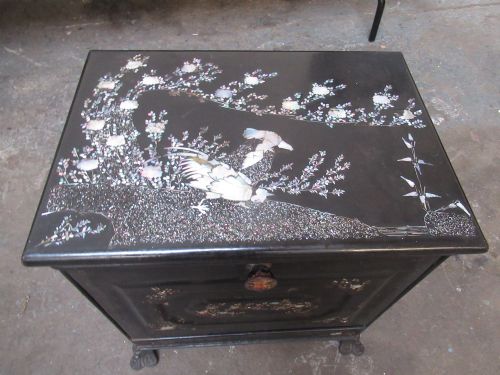


Antique Fuel Scuttle
An antique fuel scuttle is a fireside vessel designed to hold coal, logs or peat, bringing practical function and decorative warmth to the hearth.
Antique Fuel Scuttle
When you search for an antique fuel scuttle, you encounter a range of hearth vessels designed to store coal, logs and peat beside the fireplace. These pieces span periods from the eighteenth century through the Victorian and Edwardian eras, reflecting changing domestic habits in British and European homes.
You are most likely to meet Victorian and Edwardian examples on this page, taking the form of helmet-shaped copper buckets, lidded wooden boxes and brass purdoniums. Makers constructed these items in varied configurations, from coopered wooden staves to riveted sheet metal, to serve the daily needs of coal fires.
How they were made
Craftsmen utilised heavy metals such as brass and copper, shaping them through panel hammering, riveting and casting to form durable buckets and scuttles that could withstand daily use near the fire. Artisans also worked with timber, employing cooperage techniques with oak staves and metal hoops for peat buckets, or standard cabinetmaking methods for mahogany and walnut coal boxes.
Wooden coal boxes and purdoniums often feature carved details, inlaid panels and brass fittings, combining structural sturdiness with decorative refinement suitable for the principal rooms of the house. Metal vessels frequently incorporate swing handles, riveted seams and cast or ormolu mounts to strengthen the structure while providing visual contrast.
Some Scots kept peat dry in coopered buckets that look ready to roll straight out of a Highland glen.
What varies in quality
The distinction between ordinary and superior pieces rests on the weight of the metal and the thickness of the timber employed in construction. Thicker gauge copper and solid hardwood bodies indicate a higher standard of manufacture that endures years of heavy use.
Refinement of detail also separates the ranges, seen in hand-hammered decorative elements, secure dovetail joints in wooden boxes, and the quality of brass mounts and hinges. Superior examples display careful finishing to interior linings and handles, ensuring both utility and elegance.
Benham & Froud·Petrus Ramus
The Antique Fuel Scuttle Glossary
- Purdonium
- A specialised coal box, typically featuring a sloping front flap and an interior metal liner, designed for domestic firesides. These Victorian and Edwardian cabinets kept coal neatly enclosed within the living room.
- Coopered
- Built using narrow wooden staves held together by metal hoops, much like a traditional barrel. This technique appears in Scottish peat buckets and log bins.
- Helmet scuttle
- A fireside metal bucket featuring an elevated back and a flared spout resembling a classical helmet. This form allowed easier pouring of coal into the grate.
- Ormolu
- Gilded bronze mounts applied to furniture and decorative metalwork. They add ornamental detail to nineteenth-century coal bins.
- Aesthetic Movement
- A late nineteenth-century style emphasising visual beauty and artistic design over narrative content. Objects from this period display distinct surface decoration.
Antique Fuel Scuttle: Frequently Asked Questions
How do I clean a brass scuttle?
Cleaning requires a soft cloth and a gentle metal cleaner suitable for historical brass surfaces. Avoid abrasive pads that scratch the metal.
Preserving the aged patina is often preferred by collectors over achieving a bright shine.
Were these used for coal or wood?
They were used for both, depending on the specific form and regional fuel availability. Smaller buckets and helmet scuttles held coal, while larger bins accommodated logs or peat.
Scottish examples often specifically served peat storage.
How do I date a copper scuttle?
Dating relies on manufacturing techniques such as hand-hammering versus machine rolling, alongside handle attachments and stylistic clues. Georgian and Victorian pieces show distinct hand-finished riveting.
Comparing the form to documented periods helps narrow down the decade of production.