




Antique Fruit Pedestal Stand
An antique fruit pedestal stand elevates table presentation, bringing height and structured grace to dessert courses and displays.
Antique Fruit Pedestal Stand
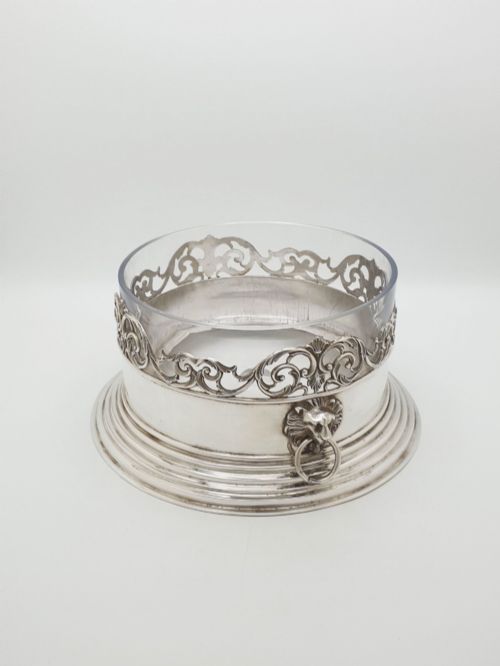
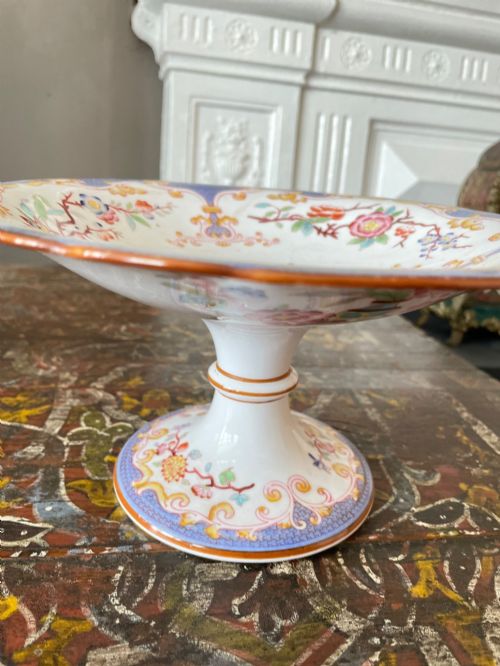
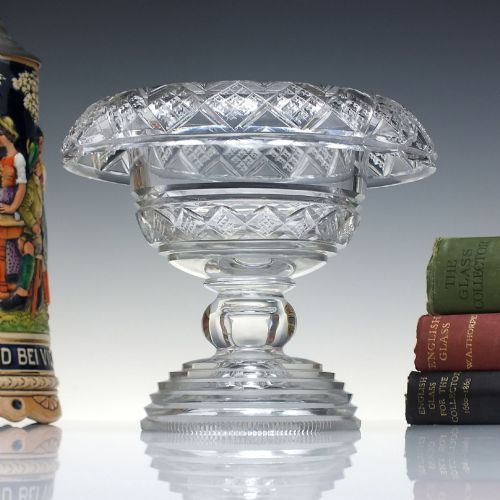
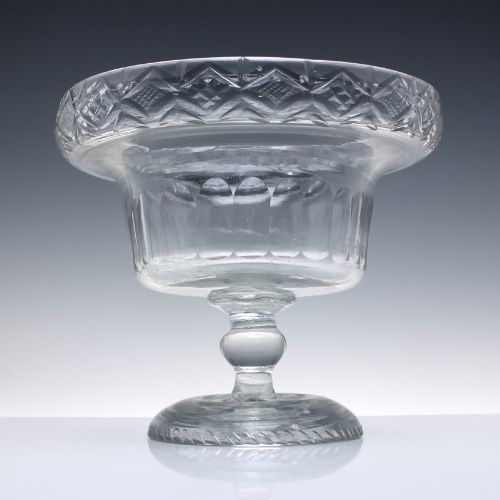
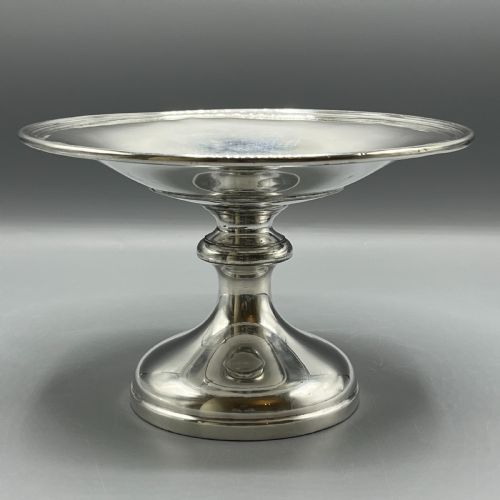
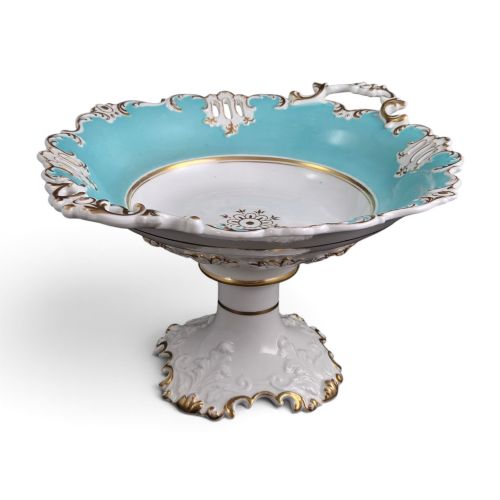
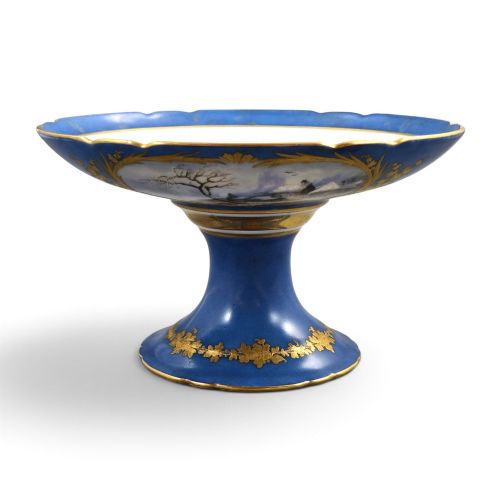
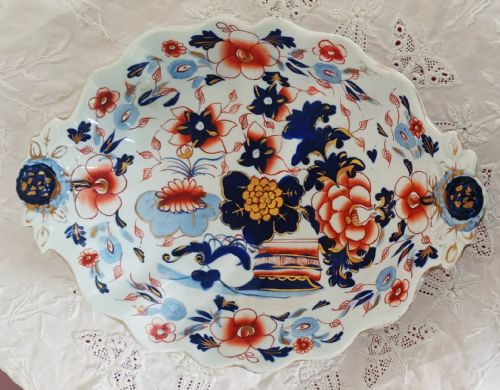
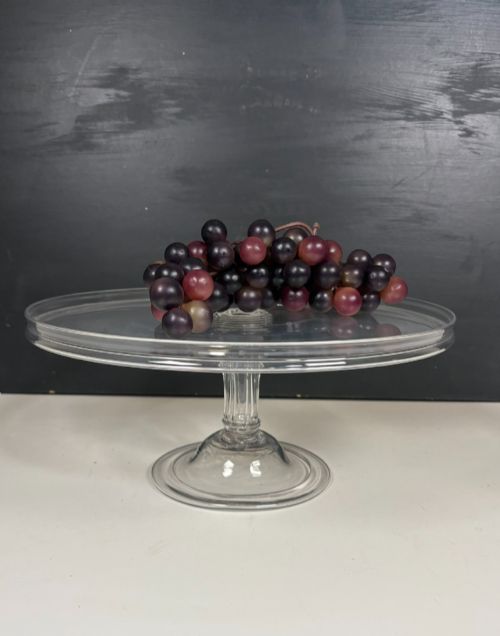
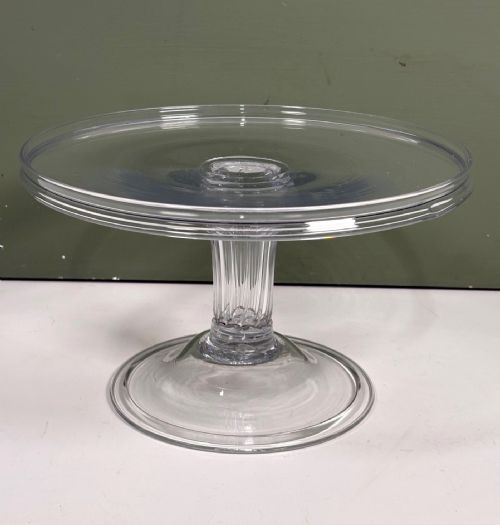
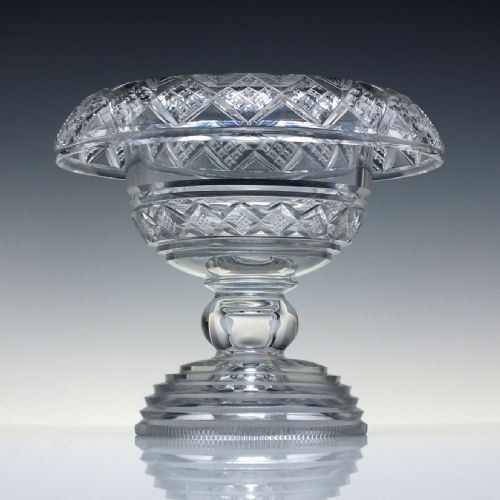
An antique fruit pedestal stand encompasses a varied group of raised serving pieces designed for display upon dining tables and sideboards. These elevated vessels include glass standing bowls, porcelain tazzas, ceramic comports, and metallic centrepieces originating from the eighteenth, nineteenth, and early twentieth centuries.
Buyers meet examples spanning Georgian, Victorian, Edwardian, and Art Deco periods, created in forms such as low comports, tazzas, and pedestal dishes. The selection includes works from English potteries, French ateliers, and German manufactories, utilising diverse materials to present fruit and sweetmeats.
How they were made
Glass pieces utilise lead crystal, cut glass, and etched glass formed into standing bowls and tazzas, occasionally combining gilded or coloured glass techniques. Ceramic examples employ porcelain, bone china, ironstone, and majolica, shaped into comports and centrepieces with hand-painted floral or figural decoration.
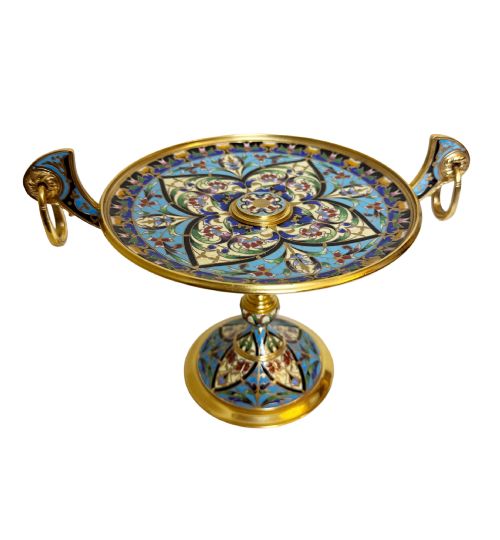
Metal items involve silver plate, sterling silver, gilt bronze, champlevé, and brass, often paired with crystal inserts, mother-of-pearl dishes, or applied sculptural details. Woodwork appears through fruitwood turning and oak construction for specialised serving platforms.
Antique Fruit Pedestal Stand Retail Price Guide 2026
Typical asking prices for fruit pedestal stand among the pieces listed under this phrase on Sellingantiques today, from the lower quarter to the upper quarter. They describe what is for sale here now, not the wider market.
Listings feature items from the Georgian, Victorian, and Edwardian periods, constructed in porcelain, cut glass, silver plate, and gilt bronze.
What varies in quality
Quality rests upon the crispness of execution, whether in the deep facets of cut glass bowls, the fine detail of moulded bronze mounts, or the precision of hand-painted porcelain decoration. Finer examples display harmonious proportions between the supporting stem and the upper bowl or platter, maintaining structural integrity across varied materials.
The sophistication of ornamentation distinguishes standard production from superior workshops, visible in complex champlevé enamel work, intricate silver piercing, or master-modelled ceramic figures. Retaining original pairings of metal stands and glass liners or matched pairs elevates the standing of individual pieces.
Coalport·Sèvres·Schierholz·Minton·James Dixon And Sons·Christofle Et Cie·Royal Worcester
The Antique Fruit Pedestal Stand Glossary
- Tazza
- A shallow bowl or plate mounted upon a central foot or pedestal, used traditionally for serving fruit or sweetmeats. This form appears across glass, ceramic, and metal mediums in various historical styles.
- Comport
- An elevated dish or bowl designed for the dessert course of a formal meal. These pieces frequently match larger dessert services from the nineteenth century.
- Centrepiece
- A decorative vessel placed in the middle of a dining table, often taking the form of a large pedestal bowl or elaborate standing dish. They dominate the table landscape during formal dining.
- Ironstone
- A heavy, durable type of earthenware patented in the nineteenth century to imitate Chinese porcelain. Makers such as Mason utilised this ceramic body for robust comports and serving dishes.
- Champlevé
- An enamelling technique where troughs are carved into a metal surface and filled with vitreous enamel powder before firing. This method decorates bronze and metal tazzas.
Antique Fruit Pedestal Stand: Frequently Asked Questions
What is an antique fruit pedestal stand used for?
These elevated vessels served originally to hold fruit, nuts, or sweetmeats during the dessert course of formal meals. Dining rooms utilised them as centrepieces to add height and visual interest to the table setting.
Modern interiors employ these stands for displaying fruit in kitchens, holding decorative items, or serving pastries during gatherings. Their raised profile creates functional vertical space on dining tables and sideboards.
How do I date an antique pedestal stand?
Dating relies upon examining material composition, manufacturing marks, and stylistic indicators such as Rococo Revival curves or Art Nouveau motifs. Porcelain pieces often feature factory ciphers, painted pattern numbers, or impressed registry marks on the underside.
Glassware reveals age through pontil marks, lead weight, and cutting styles characteristic of Georgian or Victorian production. Metalwork items frequently carry maker stamps and silver hallmarks denoting the exact year of manufacture.
How do I care for glass and ceramic comports?
Care requires gentle hand washing in lukewarm water with mild soap, avoiding abrasive sponges that scratch soft glazes or glass surfaces. Metal mounts on mixed-media pieces need protection from excess moisture to prevent tarnish and corrosion.
Storage and display demand stable surfaces away from direct sunlight, which can fade hand-painted enamels or gilded highlights over time. Heavier lead crystal and ironstone pieces require secure placement where accidental knocks are minimised.