
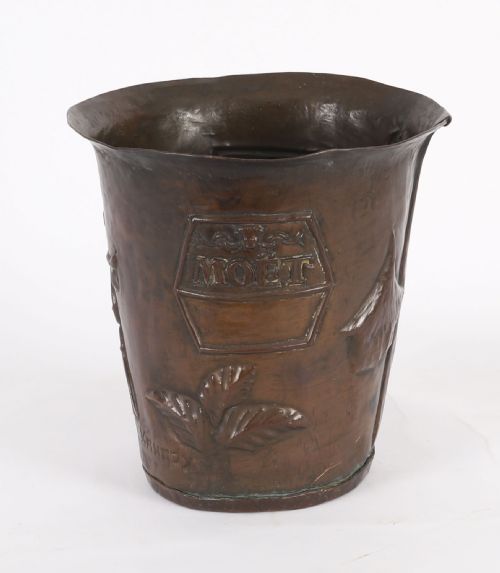


Antique French Wine Bucket
An antique French wine bucket brings practical hospitality to the table, combining heavy metal or crystal with the confident styling of past centuries.
Antique French Wine Bucket
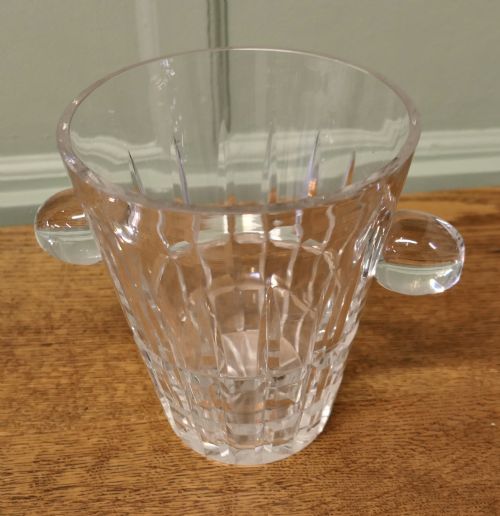
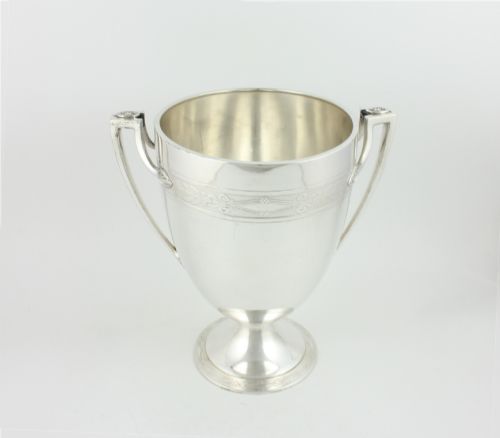
When searching for an antique French wine bucket, collectors encounter vessels designed to chill bottles or hold ice at the dining table, ranging from functional barware to decorative planters.
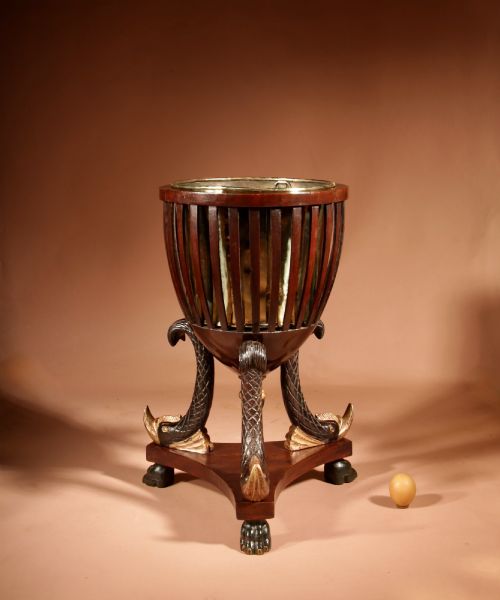
The pieces appearing on this page span several centuries and stylistic movements, including ornate nineteenth-century revivals, sturdy agricultural conversions, and sleek twentieth-century designs.
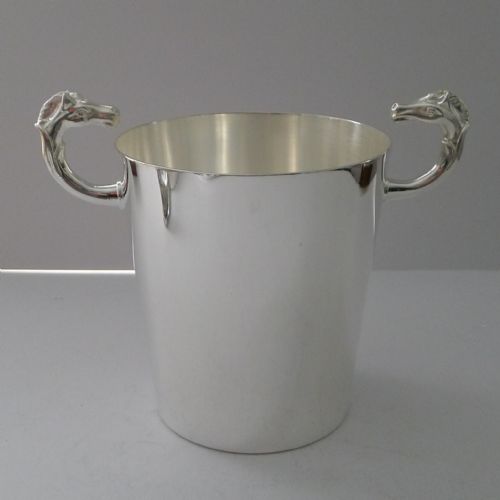
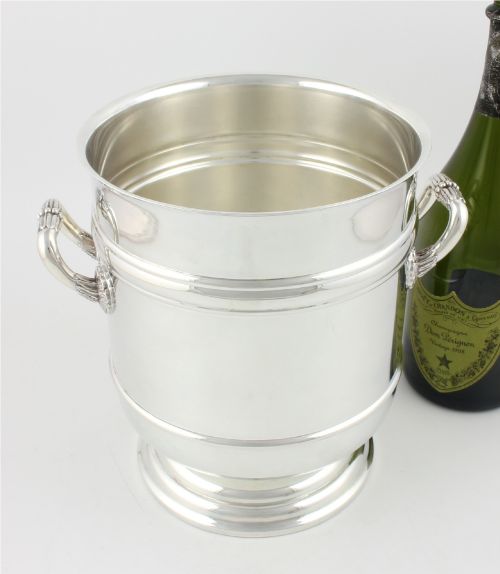
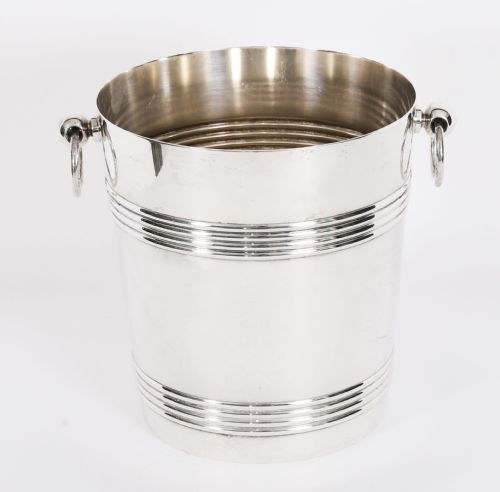
Silver plate and brass vessels dominate the selection, often taking the form of trophy coolers, handled bowls, or cylindrical buckets intended for champagne and wine.
Materials and construction methods
Silversmiths and metalworkers shaped these objects using heavy silver plate over base metals, alongside solid brass, copper, iron, and chrome, often finishing surfaces with embossing or cast mounts.
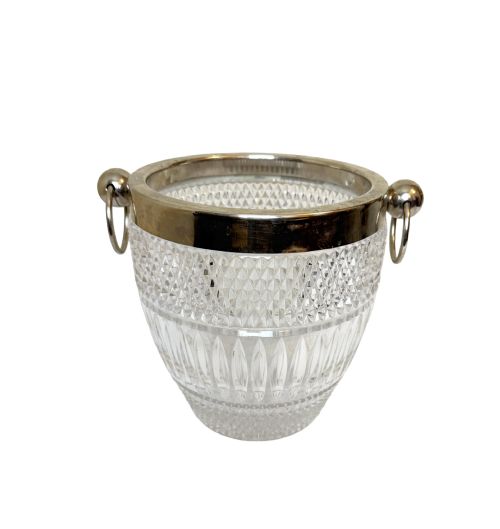
Glassmakers contributed heavy cut crystal and hand-blown glass bodies, sometimes paired with gilt bronze, ormolu, or silver-plated handles and rims.
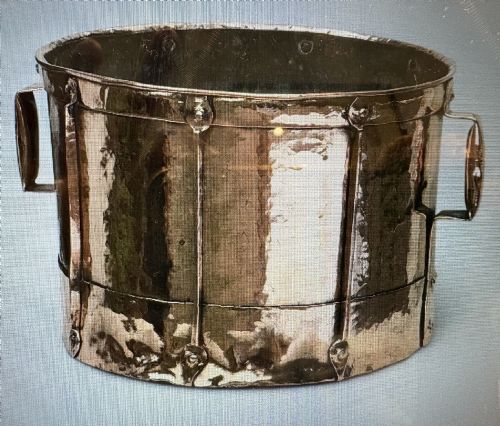
Agricultural vessels such as copper grain measures and grape hods utilised hand-beaten sheet metal and riveted joints for utilitarian durability.
Listings feature vessels spanning from the eighteenth century through the mid-twentieth century, including works by notable Parisian silver manufacturers.
Factors that separate the range
Quality rests upon the weight of the metal and the crispness of any cast ornament, where thicker silver plating and substantial brass or bronze mounts indicate superior manufacture.
Maker attribution elevates certain examples, particularly documented pieces from prominent Parisian silversmiths and designers working in defined twentieth-century styles.
The integrity of cut crystal bodies and the secure attachment of handles and bases distinguish fine table pieces from heavier utilitarian hardware.
Christofle·Luc Lanel·Puiforcat
The Antique French Wine Bucket Glossary
- Silver Plate
- A thin layer of silver bonded to a base metal such as copper or nickel brass. This technique allowed makers to produce luxurious tableware at a lower cost than solid silver.
- Ormolu
- Finely chased and gilt bronze mounts applied to decorative objects and crystal vessels. The process involves coating bronze with a gold amalgam.
- Ferrat
- A traditional French copper measure or agricultural vessel. These pieces often feature riveted seams and patinated surfaces from rural use.
- Hotte
- A traditional French backpack carrier used during the grape harvest. In modern collections, these heavy copper or iron hods serve as decorative floor-standing wine coolers.
- Gallia
- A high-grade silver plate alloy and subsidiary brand utilised by Christofle during the early twentieth century. Pieces bearing this mark are particularly sought after by collectors.
Antique French Wine Bucket: Frequently Asked Questions
How were these buckets originally used?
These vessels served primarily at the dining table or in Parisian restaurants to chill wine and champagne in ice water during meals. Some larger examples doubled as planters or presentation trophies.
Agricultural vessels repurposed for wine storage were originally designed for gathering grapes or measuring grain in French provinces.
How do I clean a silver plated cooler?
Silver plate requires gentle cleaning with a soft cloth and specialised polish to preserve the underlying metal plating. Avoid abrasive pads that can wear through the silver layer.
For copper and brass surfaces, mild soapy water and drying prevent spotting while retaining the aged patina.
What is the difference between an ice bucket and a wine cooler?
Wine coolers generally feature taller, deeper bodies designed to accommodate a wine or champagne bottle immersed in ice and water. Ice buckets are often wider and more compact, intended solely for holding ice cubes for drinks.
Many antique pieces functioned interchangeably for both purposes depending on the occasion.
How can I tell Art Deco pieces from earlier styles?
Art Deco items from the 1920s and 1930s favour geometric lines, streamlined chrome finishes, and minimal ornament. Earlier Victorian and nineteenth-century pieces lean towards ornate floral embossing, heavy cast handles, and revivalist motifs.
Twentieth-century modernist coolers often bear maker signatures from prominent Parisian studios.