



Antique French Torchere
An antique French torchere provides an elevated stand for lamps, urns or plants, bringing classical proportion and vertical presence into a room.
Antique French Torchere
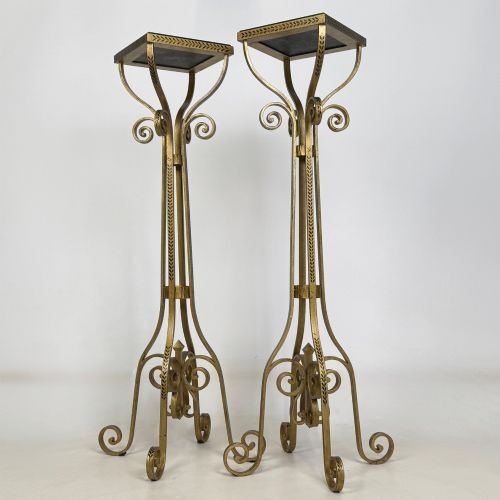
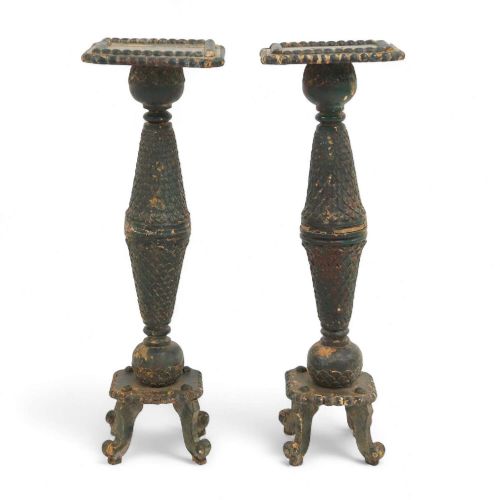
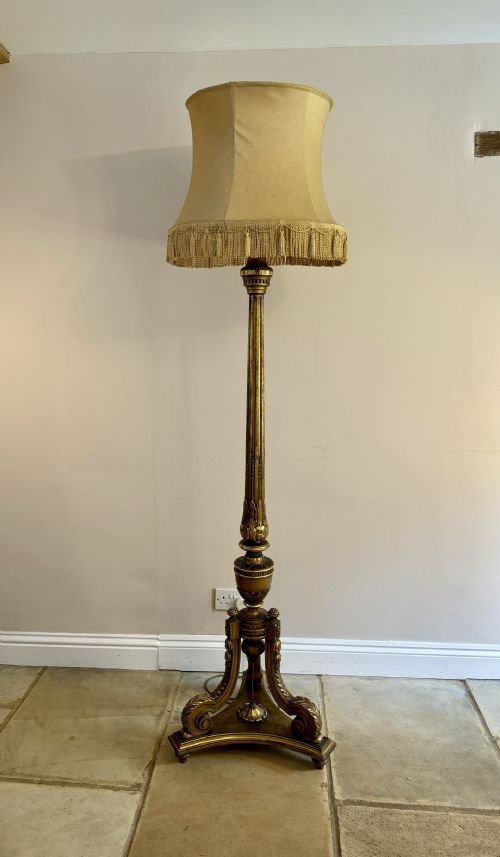
An antique French torchere serves primarily as a tall, slender stand for display or illumination, drawing the eye upward with distinct architectural height. When you search for this phrase, you encounter forms ranging from freestanding pedestals to electrified floor lamps and figural column standards.
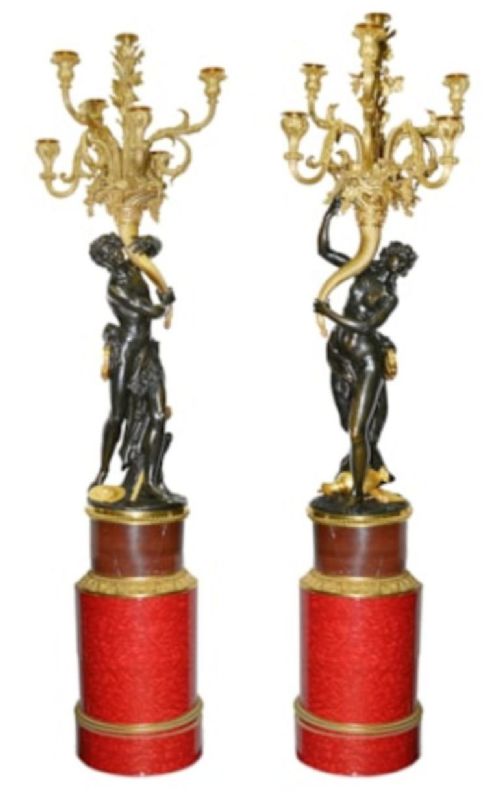
The pieces appearing in this category span the nineteenth and early twentieth centuries, drawing heavily upon neoclassical, Louis XVI, and empire design vocabularies. Makers and workshops shaped these stands to carry heavy marble tops, candelabra, or sculptural bronze figures in grand chateau interiors.
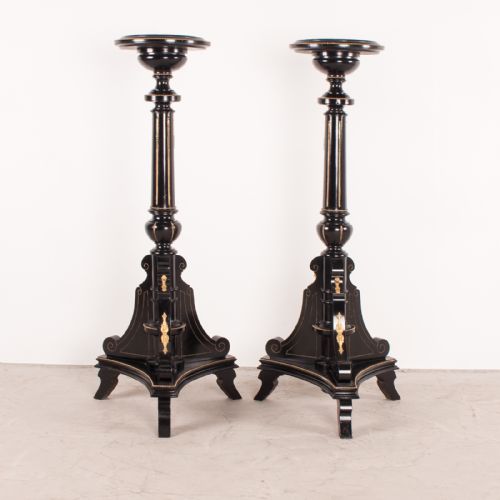
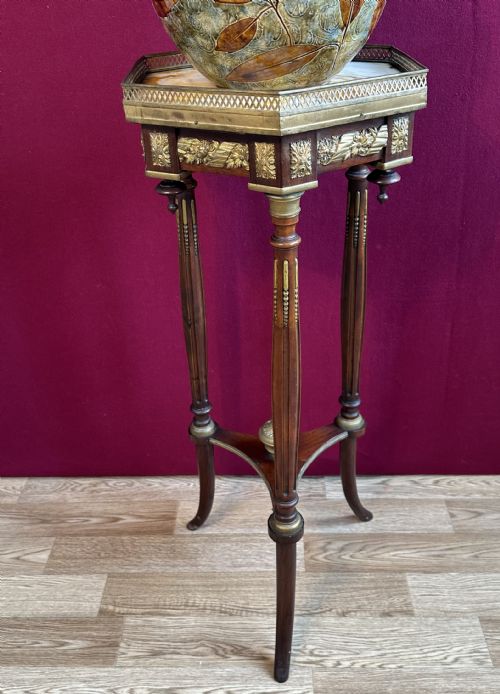
Alongside traditional wooden columns, the selection includes ebonised finishes, painted gesso, and giltwood constructions often paired with inset marble surfaces. Such variety allows these vertical furnishings to function equally as plant stands, occasional supports, or primary light sources.
Materials and construction methods
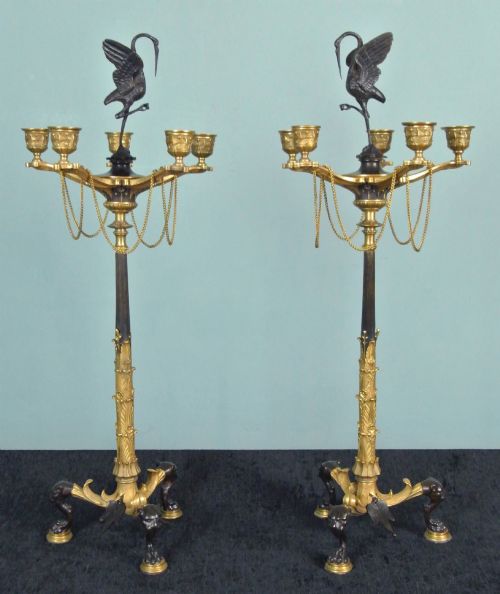
Craftsmen built these tall supports using dense timbers such as mahogany, walnut, kingwood, and ebonised hardwoods, frequently applying intricate carved gesso and giltwood decoration. Metalwork played a central role, utilising cast bronze, ormolu, brass, and spelter for mounts, figural bases, and structural collars.
Surface ornamentation combined traditional hand-carving with applied metal mounts, original paint schemes, and polished stone insertions. Marble and onyx provided heavy, stable tops and columns, balancing the slender vertical proportions required of a proper torchere stand.
Recorded periods range from the eighteenth century through Edwardian revivals, with particular emphasis on 1860 and 1880 production dates.
Distinctions in quality and execution
The highest-tier examples display crisp, deep hand-carving in wood and meticulous chasing across bronze and ormolu mounts, signed by known ateliers or sculptors. Lesser pieces rely on cast plaster or simpler turned timber with uniform machine finishing rather than individual artistic execution.
Proportion and material integrity dictate the distinction between utilitarian stands and exceptional decorative pieces. Heavier stones like marble and onyx, combined with patinated bronze figures and fire-gilded brass, mark the upper echelon of surviving French work.
Barbedienne·Emile Picault·Jean-Jules Cambos·François-Christophe-Armand Toussaint·Coutan·Moreau
The Antique French Torchere Glossary
- Torchere
- A tall ornamental stand designed to carry a lamp, candle, or decorative object. Originally developed to hold flaming torches in large halls.
- Ormolu
- Gilt bronze produced by applying a mixture of powdered gold and mercury to a bronze base, then firing it in a kiln. This technique creates a rich, durable golden surface.
- Gesso
- A plaster-like mixture applied to wood surfaces as a base for painting or gilding. It allows for crisp, intricate low-relief ornamentation.
- Ebonised
- Wood treated with a dark stain or finish to imitate ebony. This dark surface creates a sharp contrast against gilt bronze mounts.
- Spelter
- A zinc alloy frequently used as a cheaper alternative to bronze for cast figures and lamp bases. It takes patination well but lacks the weight and tensile strength of true bronze.
Antique French Torchere: Frequently Asked Questions
What were antique French torcheres originally used for?
These tall stands originally supported lighting devices such as large candelabra, oil lamps, or wax candles to illuminate grand rooms.
Over time, their function expanded to hold decorative urns, floral arrangements, and eventually electric lamps as domestic interiors evolved.
How do I style a torchere in a modern room?
Place a slender wooden or giltwood torchere in an empty corner to add vertical line and break up flat wall expanses.
Topped with a heavy marble surface, they also serve well beside seating as an elevated plant stand or sculptural lamp base.
How can I tell a nineteenth-century piece apart from later reproductions?
Examine the construction joints, hand-chased details on metal mounts, and the natural ageing of the timber or gilt gesso layers.
Nineteenth-century examples show tool marks appropriate to period handcraft and consistent material weight in the marble or bronze elements.
Are these stands strong enough to hold heavy lamps?
Most antique torcheres with stone tops or heavy timber columns were engineered to support substantial weight, including large bronze candelabra and figural groups.
Checking the stability of the triform or circular base ensures the stand safely balances heavier top-heavy lighting fixtures.