

Antique French Side Cupboard
An antique french side cupboard brings continental scale and practical storage to a room, turning modest bedside or hallway corners into focal points.
Antique French Side Cupboard
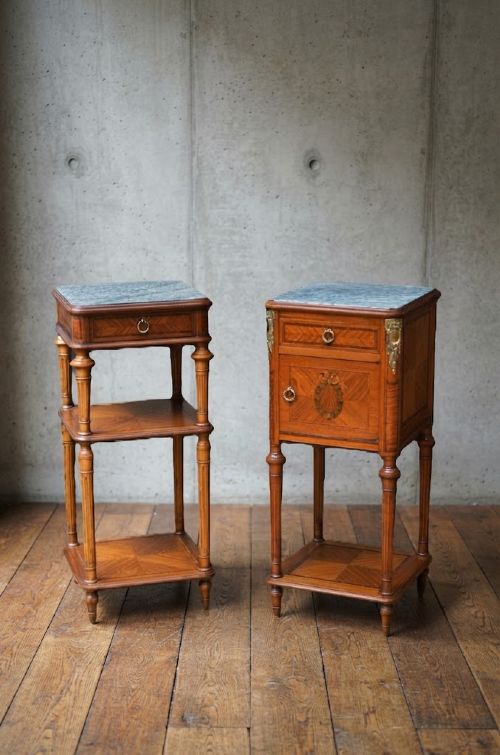
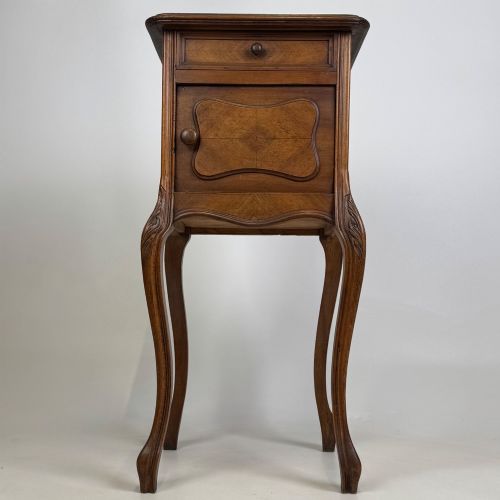
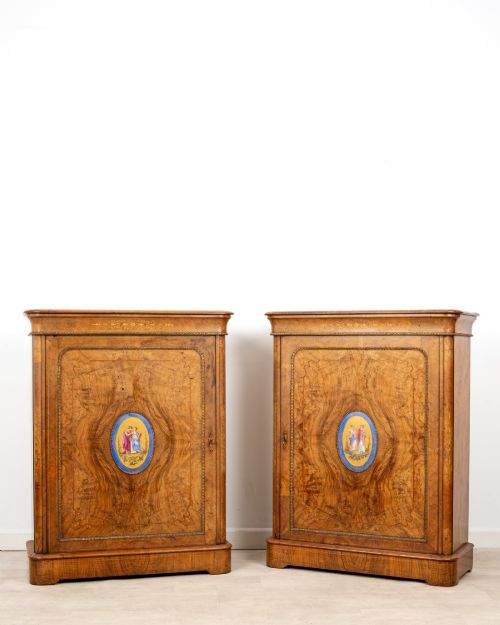
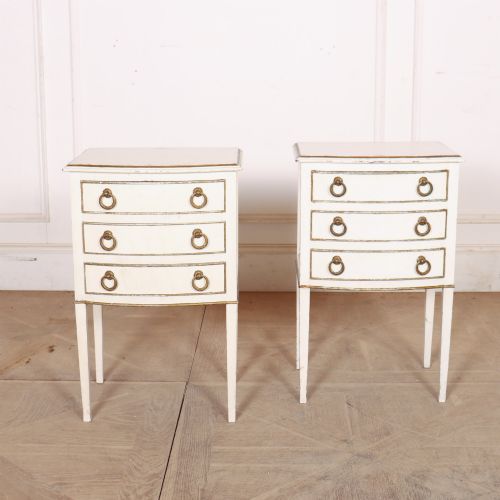
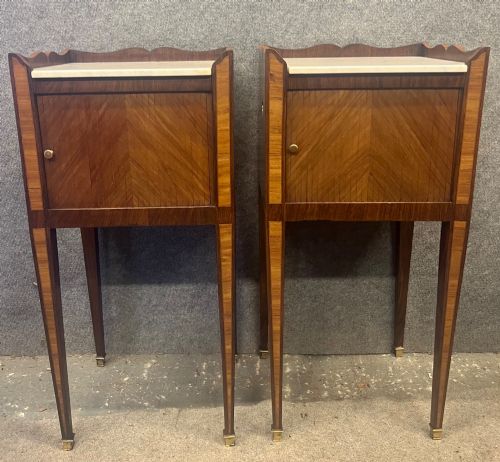
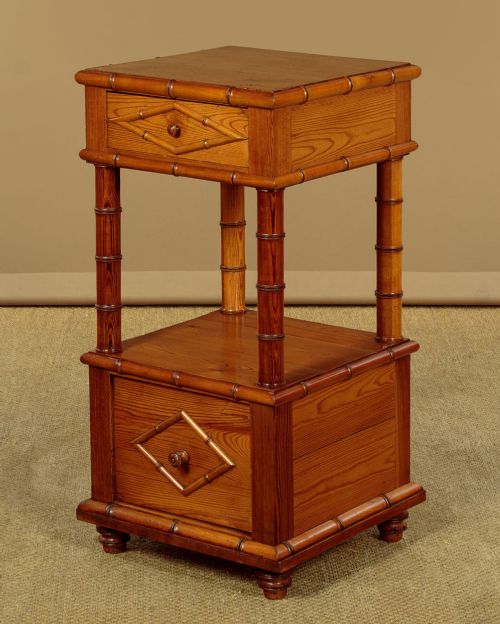
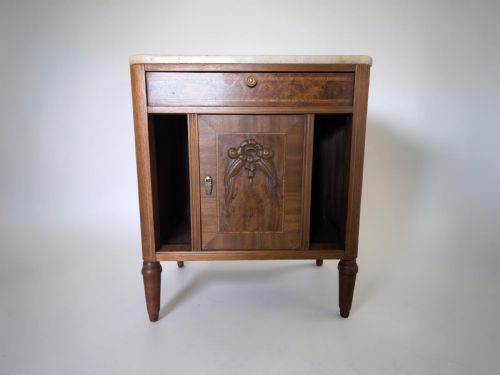
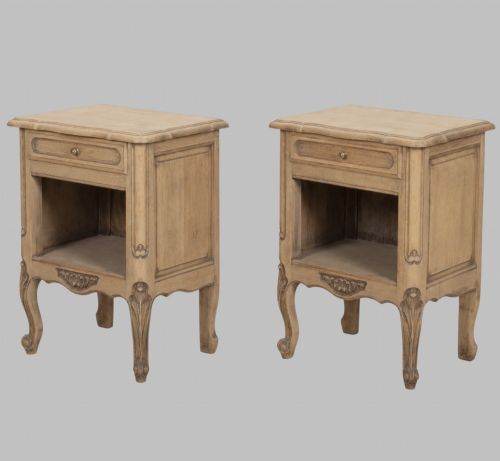
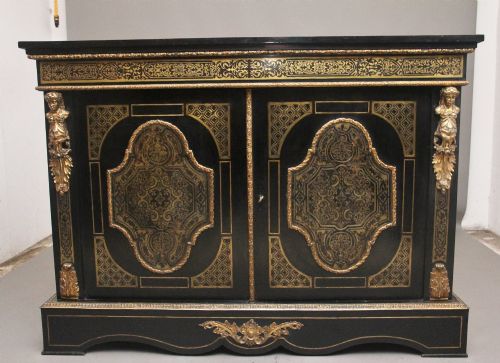
The search for an antique french side cupboard covers a broad range of smaller domestic furniture, from bedside cabinets and pot cupboards to larger commodes and pier cabinets. These pieces serve functional roles beside a bed or in a reception space while carrying the distinct decorative vocabulary of continental design.
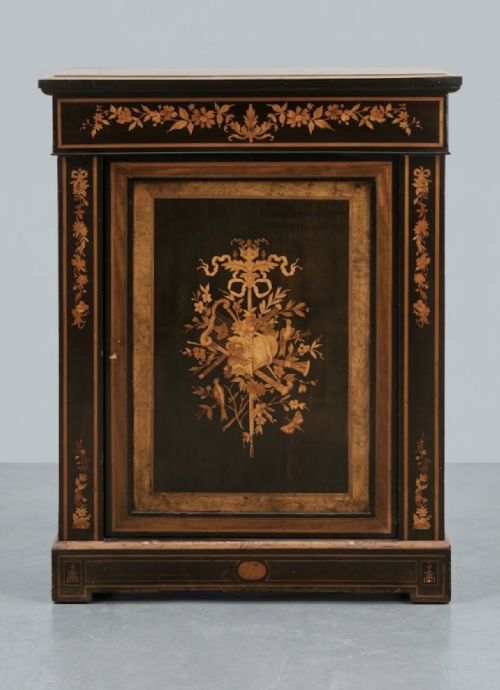
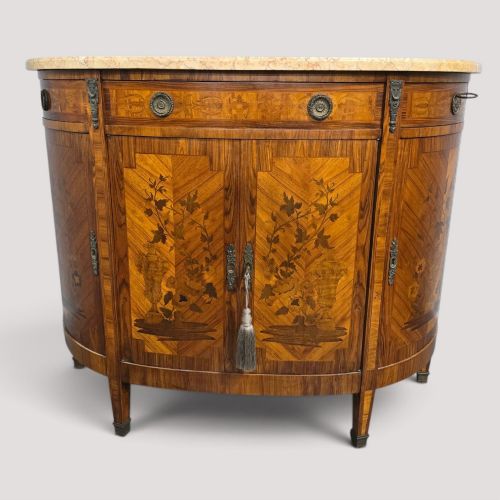
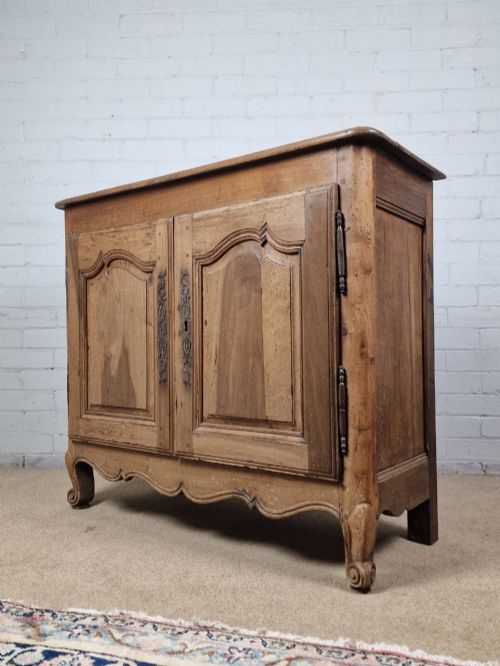
Examples on this page span several centuries, featuring forms shaped by regional French provincial traditions as well as urban revival movements. Pieces range from straightforward oak and walnut pot cupboards to highly decorative marble-topped chests with intricate marquetry.
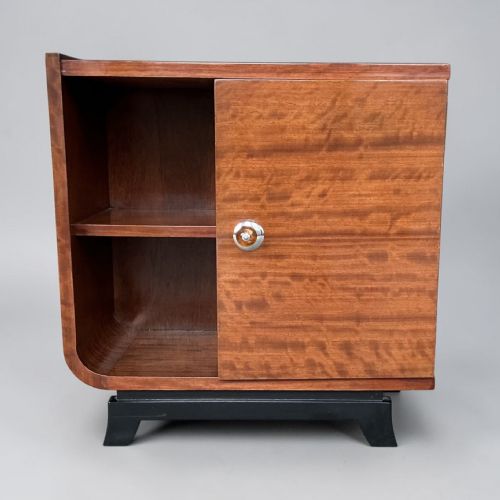
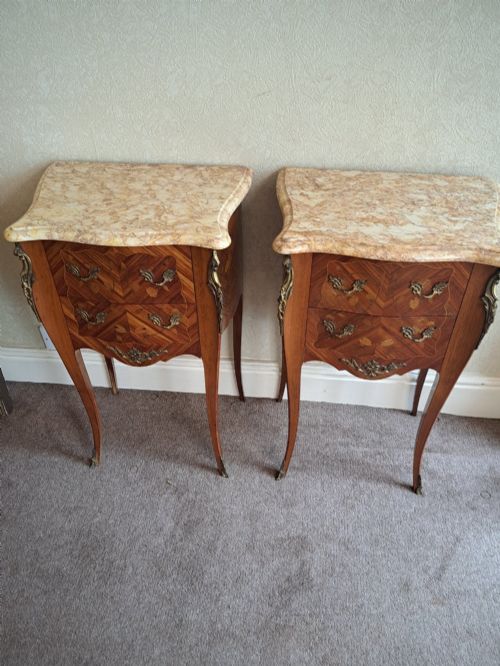
The most common formats met here are compact bedside tables and cabinets designed to occupy tight spaces without sacrificing surface utility or visual weight. Many retain their original stone tops, brass mounts, or enclosed lower compartments intended for discrete bedside storage.
How They Were Made
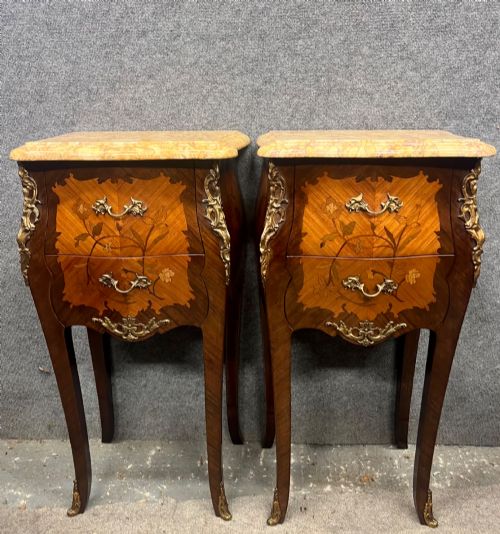
Cabinetmakers constructed these pieces using dense hardwoods like walnut, mahogany, oak, and kingwood, often applied as fine veneers over secondary timber carcases. Marquetry patterns and parquetry geometric designs relied on precise hand-cut sections of contrasting wood laid into the surface.
Surfaces frequently incorporated inset slabs of coloured marble, secured as heavy working tops resistant to spills and wear. Metal elements included cast or gilt ormolu mounts, brass handles, and delicate gallery rails that framed the upper edges.
Several listings disguise their utilitarian past as chamber pot enclosures, proving that even humble storage once demanded marquetry and marble.
What Varies in Quality
The standard of a piece rests heavily on the crispness of its hand-carved details and the precision of the timber matching in veneer work. Superior examples demonstrate seamless joins in complex curved or serpentine forms, whereas simpler items rely on flat planes and minimal embellishment.
Hardware and mounts indicate the original workshop tier, with finely chased gilt bronze or brass showing sharper relief than mass-produced replacements. The integrity of internal framing and the original fit of doors and drawers distinguish workshop execution from later commercial production.
Edward Holmes Baldock·E. Kahn
The Antique French Side Cupboard Glossary
- Commode
- A low cabinet or chest of drawers, typically standing on relatively tall legs and carrying a decorative top surface. These units often served principal rooms as display surfaces.
- Ormolu
- Gilded bronze mounts applied to furniture edges and corners to provide decorative contrast and protect vulnerable timber. The technique involves applying a gold amalgam to cast bronze.
- Marquetry
- The art of forming decorative patterns on a wooden carcase using thin veneer slices of various timber species. Craftsmen cut these pieces to interlock tightly before gluing them down.
- Boulle
- A style of marquetry utilising tortoiseshell and brass inlaid in elaborate floral or arabesque patterns. Named after the royal cabinetmaker to Louis XIV, this technique requires meticulous hand-piercing.
- Vernis Martin
- A type of simulated Japanese lacquer developed in France to imitate Asian export panels. The finish involves multiple layers of varnish applied over painted or metallic grounds.
Antique French Side Cupboard: Frequently Asked Questions
How do I identify a true antique french side cupboard?
Examine the construction methods visible inside the drawers and along the back panels, looking for hand-cut joinery and period-appropriate timber shrinkage.
Hardware placement and the ageing of internal secondary woods also offer clear indicators of period authenticity.
Were these cabinets originally meant for the bedroom?
Many examples functioned as bedside pot cupboards designed to house chamber pots or personal items out of sight.
Others served as smaller commodes and lamp tables intended for reception rooms or grand hallways.
How should I care for the marble top?
Clean the stone surface using warm water and a soft cloth, avoiding acidic cleaners that can etch the polished finish.
Use coasters under glasses and protect the marble from heavy impacts to prevent chipping along the vulnerable bevelled edges.
What is the difference between provincial and revival styles?
Provincial pieces reflect regional craftsmanship with simpler lines, local timbers like chestnut or oak, and practical everyday utility.
Revival styles draw on court aesthetics from earlier reigns, incorporating elaborate veneers, gilt mounts, and serpentine forms.