

Antique French Side Chairs
These antique french side chairs offer elegance and useful seating, bringing timeless continental style to any room.
What the pieces are
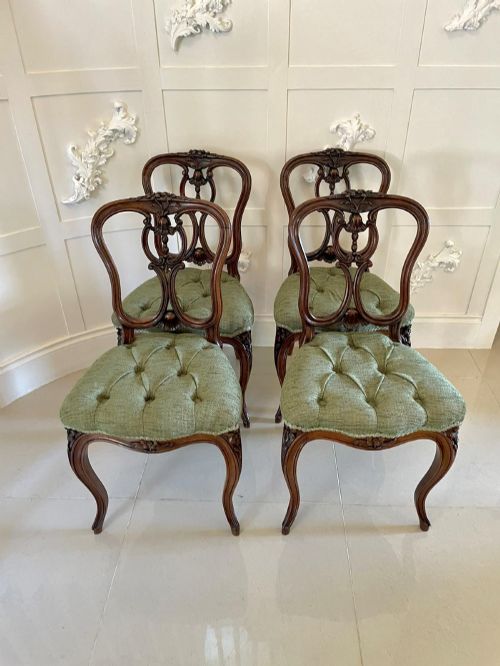
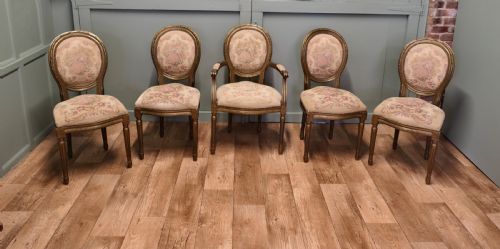
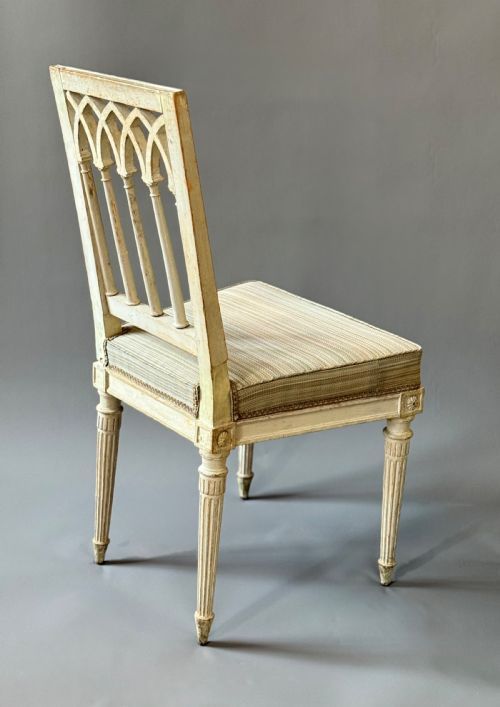
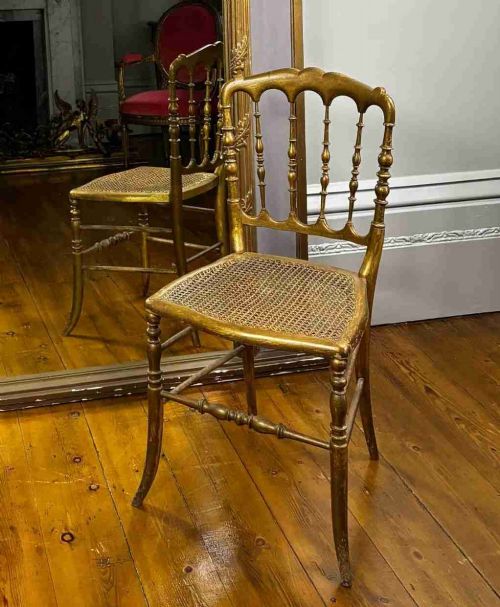
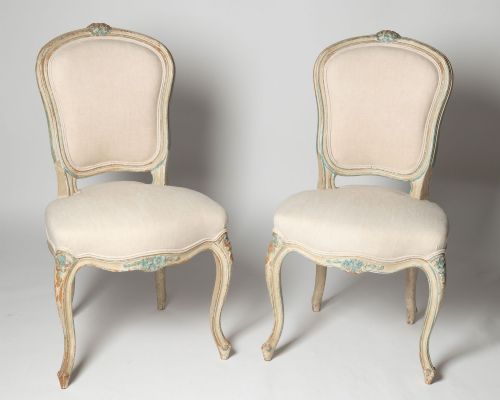
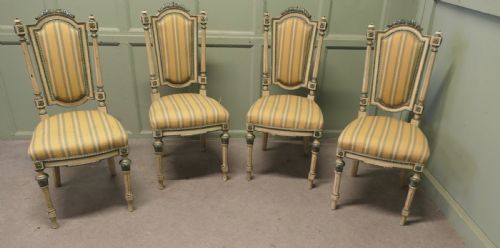
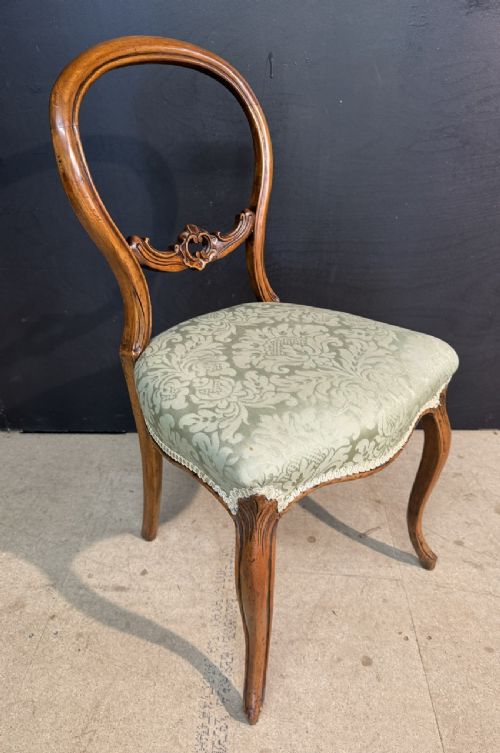
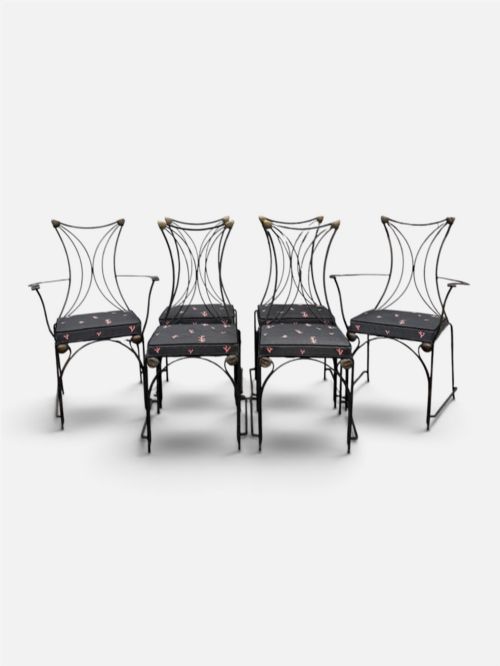
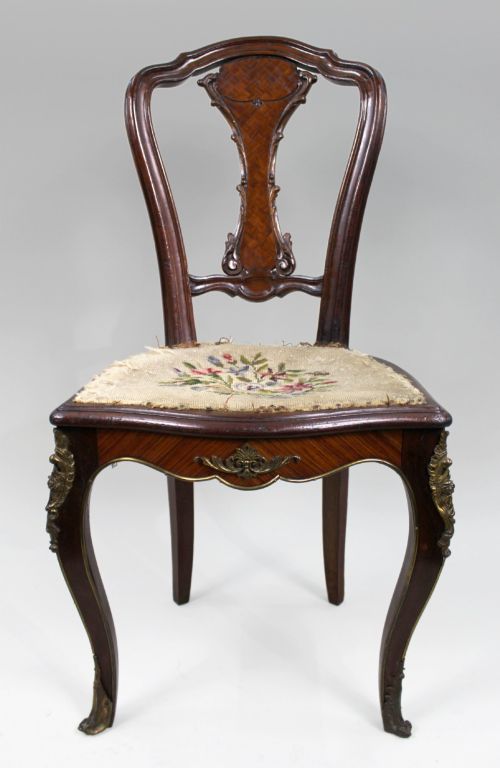
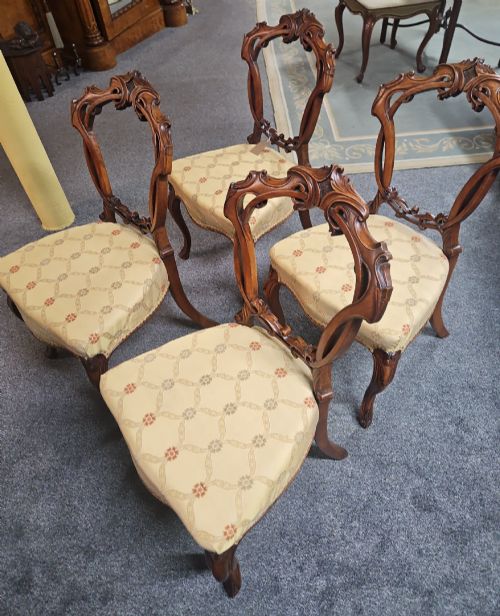
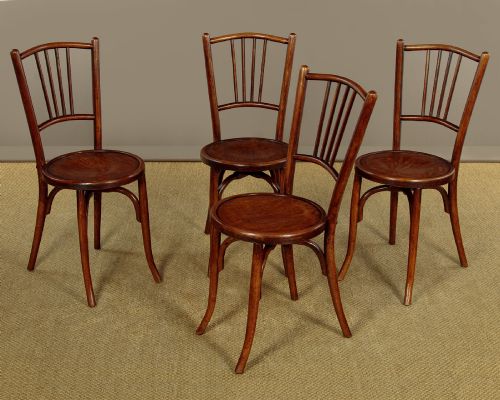
Antique french side chairs span the nineteenth century and the early twentieth century, taking the form of dining chairs and salon chairs. The selection includes walnut, giltwood, and rush seat chairs built for domestic use.
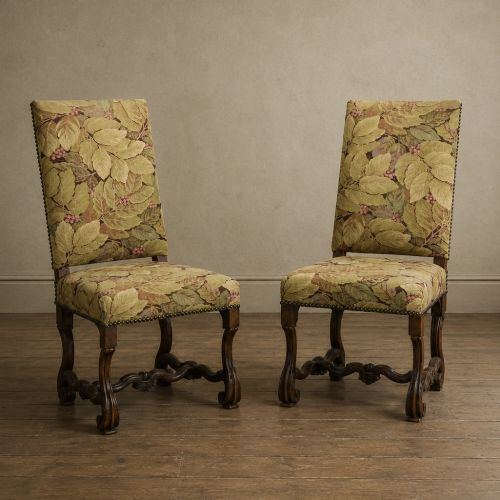
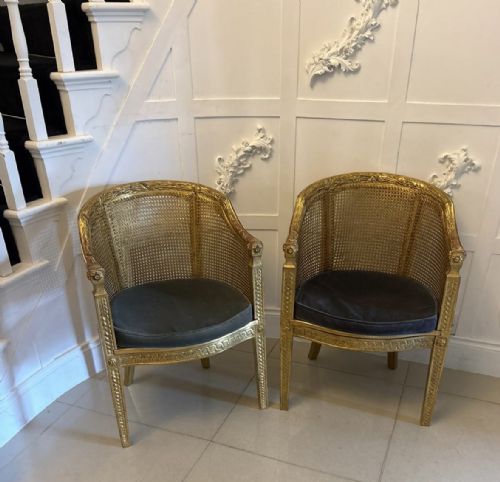
The styles range across revival periods such as Louis XIV, Louis XVI, French Rococo, French Provincial, and the Second Empire. Walnut and giltwood frames dominate the recorded pieces, often appearing in pairs or sets.
How they were made
Carpenters utilised solid walnut, beech, and giltwood to build these frames, applying carved details and decorative finishes. Upholstery materials recorded include tapestry, velvet, canvas, and brass accents.
Some examples feature rush seats and distinctive hoof feet, reflecting traditional regional and period construction methods employed by makers.
Retail Price Guide 2026
Typical UK retail prices for french side chairs, calculated from the Sellingantiques database of over a million retail prices indexed since 2003. This retail price guide relies exclusively on Sellingantiques data; no external sources or auction records are used, so the figures do not describe the wider market.
Recorded pieces span the nineteenth century and the early twentieth century, utilising walnut, giltwood, beech, tapestry, and rush.
What varies in quality
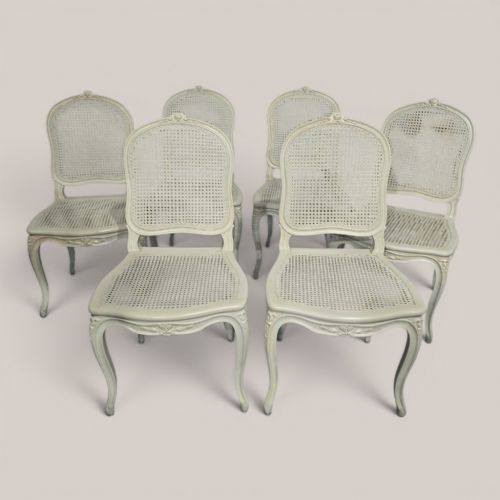
Quality rests upon the depth and crispness of the wood carving, the choice of solid timbers like walnut over softer woods, and the integrity of the original giltwood surfaces. Sets matching six chairs command greater cohesion than single pairs.
The sophistication of the revival style, from simple provincial rush seating to elaborate Louis XIV and Second Empire ornament, dictates the visual weight and finish of each chair.
The Antique French Side Chairs Glossary
- Giltwood
- Wood that has been covered with a thin layer of gold leaf or gilt. This finish provides a bright, reflective surface popular in formal salon settings.
- Rush seat
- A seating surface woven from dried marsh grasses or rushes. This method appears on traditional provincial chairs.
- Hoof foot
- A carved furniture foot shaped to resemble the hoof of an animal. This decorative detail terminates the legs of certain period chairs.
- Revival style
- A design movement that looks back to historical periods such as the reigns of Louis XIV and Louis XVI. Makers reinterpreted these classic motifs for later nineteenth-century homes.
Frequently Asked Questions
Where should I place these chairs?
These chairs suit dining tables, dressing rooms, or empty hallway corners where extra seating is required. Their compact proportions allow them to sit against walls without crowding the floor space.
They function well as decorative accents in sitting rooms when paired with a small table or desk. Their varied styles mean they can either match an existing interior theme or provide a deliberate contrast.
How do I care for giltwood frames?
Dust giltwood surfaces gently with a soft, dry cloth to prevent damage to the delicate gold leaf layer. Avoid liquid cleaners and harsh chemical polishes that can strip the finish.
Keep the chairs away from direct sunlight and heat sources to protect both the wood and any surrounding upholstery. Gentle handling ensures the original surface remains intact for years to come.
Are rush seats durable?
Rush seating is surprisingly resilient when kept in dry indoor environments and used with reasonable care. The woven grass material flexes slightly under weight, offering comfortable support.
Avoid placing rush seat chairs in damp areas like conservatories where moisture might weaken the fibres. Regular dry dusting maintains the condition of the weave.
How do I identify the style?
Look at the leg shapes, carving motifs, and overall frame proportions to determine the design period. Louis XIV revival pieces feature heavier carved elements, while Louis XVI styles often display straighter, more neoclassical lines.
The recorded materials and foot designs, such as hoof feet, also point towards specific nineteenth-century manufacturing traditions. Comparing the decorative details against known revival epochs clarifies the origin.