




Antique French Paperweight
These antique french paperweight examples span nineteenth-century animal bronzes and twentieth-century moulded glass figures, offering both desk utility and cabinet display.
Antique French Paperweight
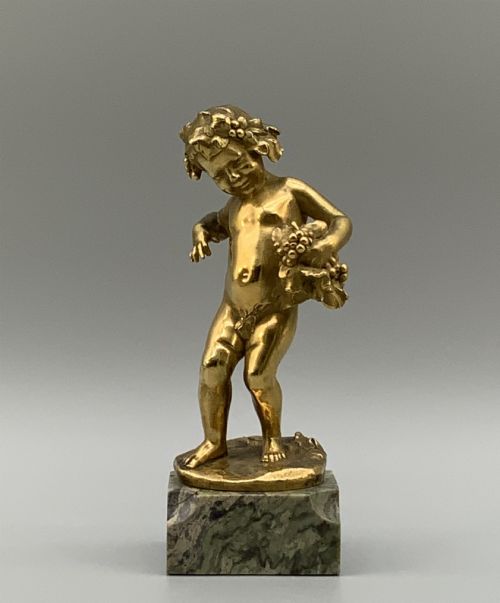
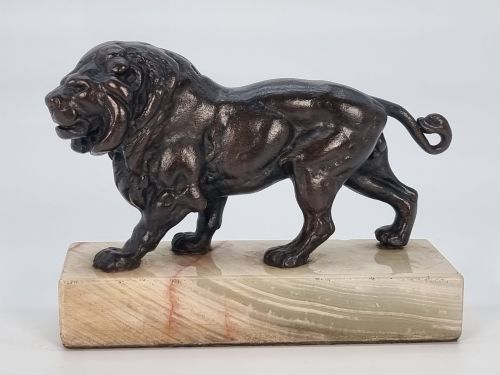
An antique french paperweight primarily takes the form of animalier bronze studies or moulded glass figures originating from Parisian workshops and factories. Buyers encounter nineteenth-century cast bronze animals mounted on marble or onyx bases alongside early twentieth-century glass designs.
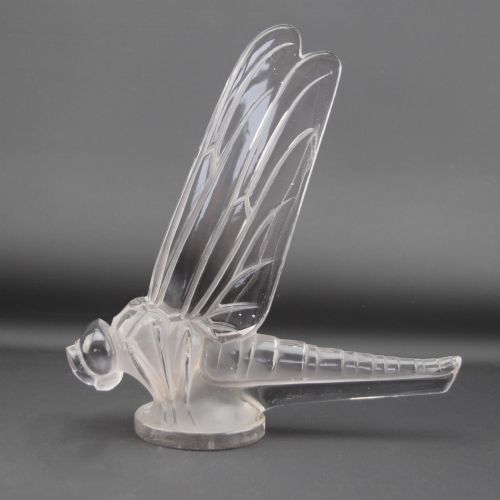
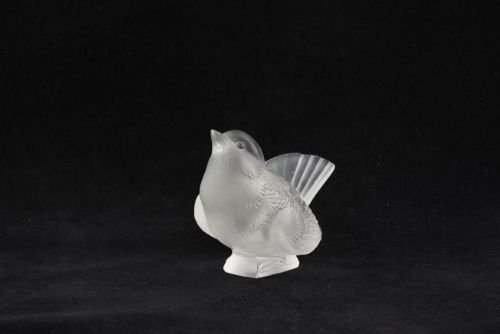
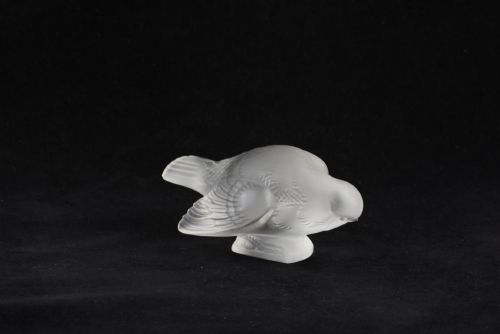
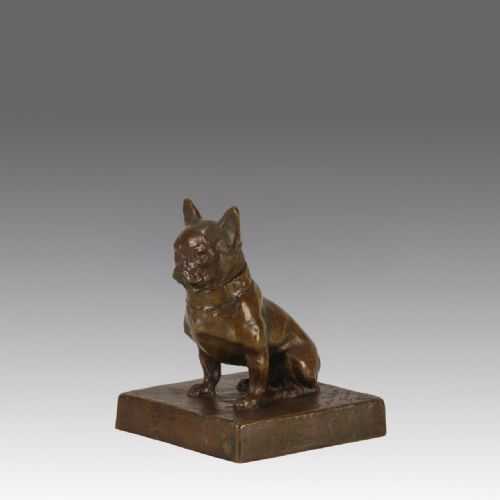
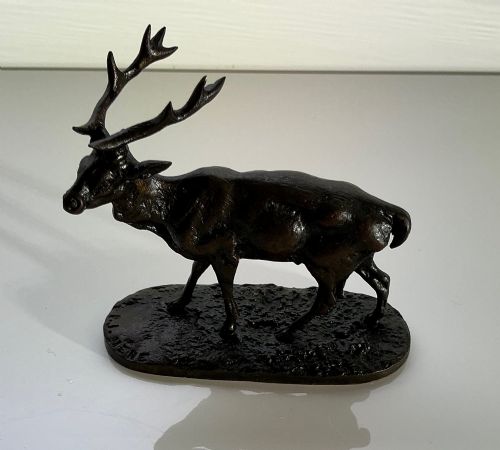
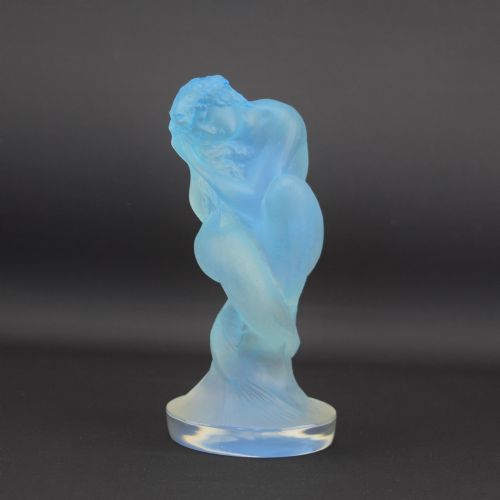
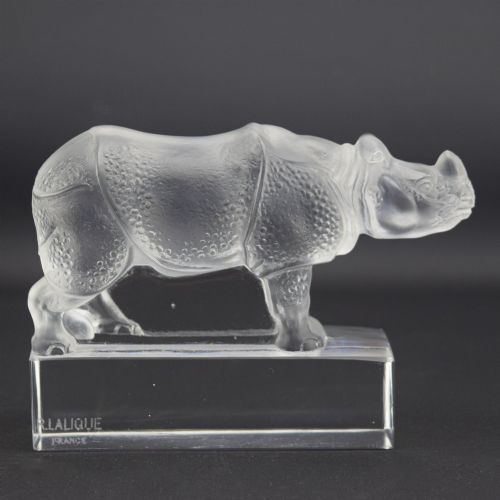
Nineteenth-century examples frequently depict dogs, hares, lions and stags cast by notable founders or modelled by classical sculptors. Twentieth-century pieces comprise glass birds, elephants and frosted creatures originally produced as desk ornaments or car mascots.
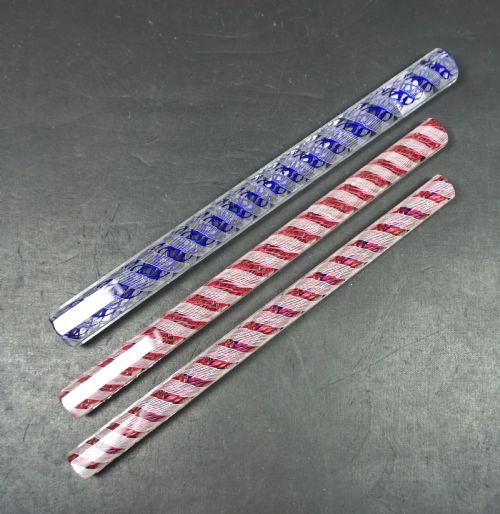
Grand Tour models and architectural souvenirs also appear among the selection, alongside botanical glass weights and desk magnifiers. These objects reflect both nineteenth-century naturalism and twentieth-century decorative glass arts.
Materials and Techniques
Bronze works utilise lost-wax casting methods to capture anatomical detail in patinated, gilt or plain bronze, frequently mounted upon heavy marble, onyx or slate bases. Founders applied chemical patination or mercury gilding to achieve varied surface tones.
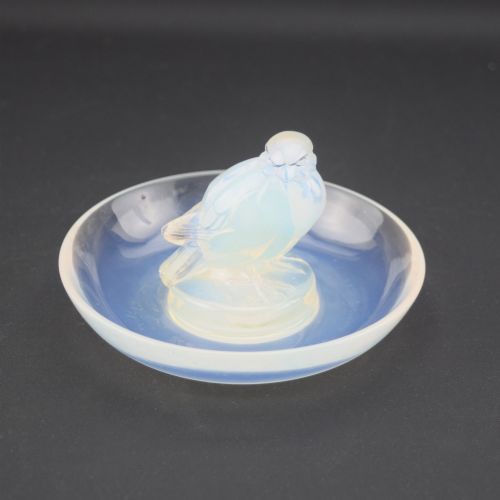
Glass pieces employ moulded, pressed, frosted, opalescent or blue-stained crystal techniques, often enhanced with enamel tints or facet cutting. Workshops such as Baccarat and St. Louis utilised complex glass-batch formulations to create internal floral motifs and optical clarity.
Listings feature nineteenth-century cast bronze sculptures alongside 1930s moulded crystal glass pieces.
Design and Execution
Quality rests upon the crispness of the original cast in bronze or the sharpness of the mould in glass, where superior examples retain fine fur texturing, feather details and facial expressions without blurring. Casts produced during an artist's lifetime or under direct foundry supervision display greater depth than later strikes.
In glass pieces, the purity of the crystal, the subtlety of opalescent shading, and the precision of the polishing distinguish master works from standard production items. Bronze mounts and marble plinths that fit securely without gap or wobble indicate careful workshop assembly.
Rene Lalique·Antoine Louis Barye·Pierre Jules Mene·Isidore Jules Bonheur·Susse Freres·Barbedienne
The Antique French Paperweight Glossary
- Animalier
- A nineteenth-century art movement and style focusing on the realistic depiction of animals, particularly predators, hounds and stags. Practitioners studied live specimens in menageries to achieve anatomical accuracy in bronze.
- Lost-wax casting
- A metalcasting process where a wax model is melted from a mould and replaced with molten bronze. This technique allows for complex undercuts and fine surface textures.
- Opalescent glass
- Glass containing chemical agents that scatter light, creating a milky translucent appearance with bluish or amber highlights. The technique gained prominence during the Art Deco period.
- Patinated bronze
- Bronze treated with chemical solutions to produce a controlled surface oxidation and colour. This finish protects the metal and highlights sculptural contours.
Antique French Paperweight: Frequently Asked Questions
What is an antique french paperweight?
An antique french paperweight is a small decorative or utilitarian object produced in France during the nineteenth or early twentieth centuries. These pieces typically take the form of cast bronze animal sculptures or moulded crystal glass figures.
Buyers select them for their fine artistic modelling, use of quality materials, and historical association with prominent French sculptors and glassmakers. They serve as functional desk accessories or miniature display sculptures.
How are Lalique glass pieces dated?
Lalique glass pieces from the early twentieth century often bear signature stampings or mould-engraved marks corresponding to specific production periods. Stylistic indicators include Art Deco geometries, animal motifs, and specific colour treatments such as blue staining or opalescence.
Many of these glass objects were originally designed as car mascots before finding use as desk paperweights. Examining the base lettering and glass weight helps establish the manufacturing era.
How should I display my paperweight?
Display these objects on stable flat surfaces away from direct sunlight to protect coloured glass and bronze patination. Glass pieces benefit from placement near natural light sources to accentuate opalescent and frosted qualities.
Bronze sculptures require minimal handling to preserve the original surface finish and patination. Cleaning should be limited to gentle dusting with a soft dry cloth.