

Antique French Painting
When you search for an antique french painting, you find works spanning centuries from court portraits to rural landscapes.
Antique French Painting
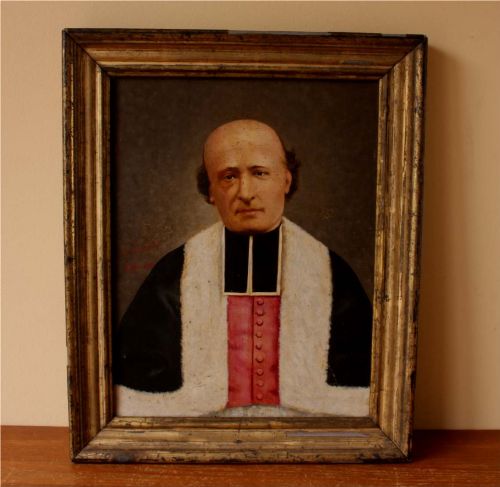
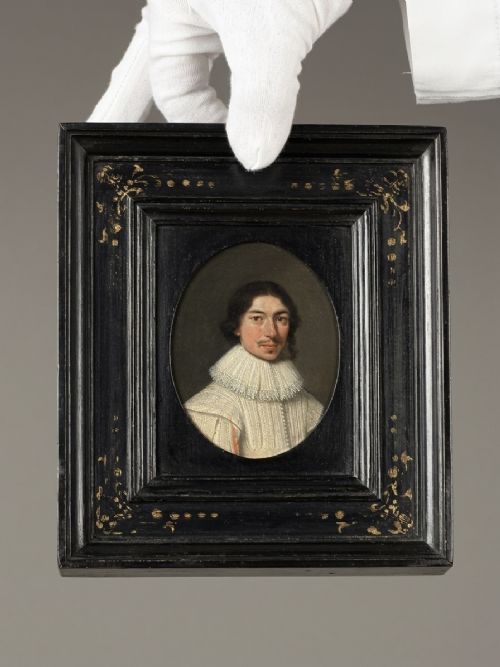
An antique french painting encompasses works executed in oil on canvas, panel, or board, alongside watercolors and painted surfaces from various historic periods. Collectors encounter portraits of elegant women, gentlemen, and military officers originating from the seventeenth, eighteenth, and nineteenth centuries. Alongside these character studies, pieces include seascapes, classical landscapes with ruins, religious subjects, and rural scenes attributed to the French School.
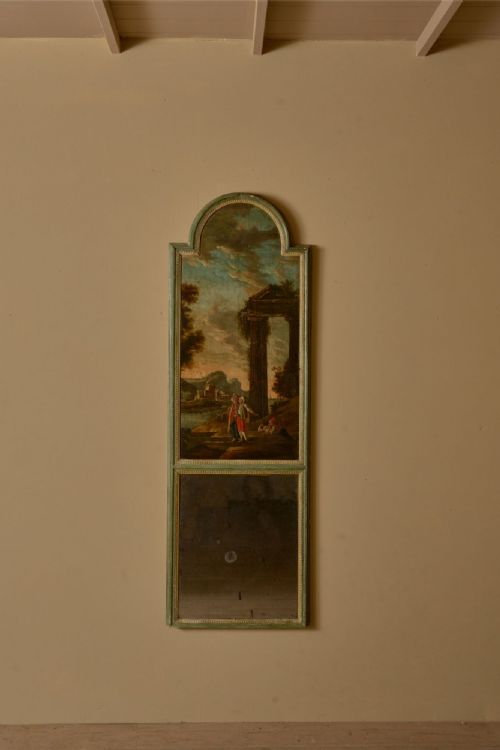
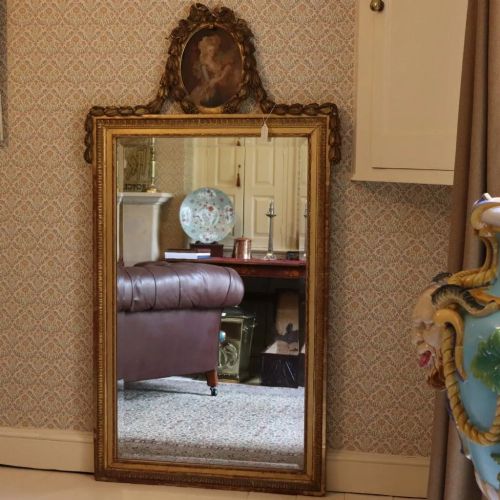
The selection ranges from intimate miniature religious portraits to large canvases depicting shipping off the coast or pastoral gatherings. Many works emerge from specific academic traditions, while others represent regional folk art, such as painted tambourines or domestic village views. Buyers also find paintings integrated directly into larger decorative objects, including trumeau mirrors featuring seascapes or pastoral scenes set above the glass plate.
How They Were Made
Artists painted primarily with oil on woven canvas supports, stretched over wooden frames, or directly onto prepared wood panels. Watercolour and wash techniques appear on paper supports, particularly for lighter portraiture and topographical studies from the nineteenth century. Pigments were bound in oil mediums, capturing fine details in costume, expression, and atmospheric lighting.
Many historical works survive within their original giltwood, painted, or carved frames, which often incorporate decorative motifs characteristic of French design periods. Canvases received layers of priming and ground before the application of paint, allowing brushwork to record the hand of the artist across centuries.
Antique French Painting Retail Price Guide 2026
Typical asking prices for french painting among the pieces listed under this phrase on Sellingantiques today, from the lower quarter to the upper quarter. They describe what is for sale here now, not the wider market.
Listings feature oil paintings on canvas and panel, alongside watercolors, spanning from the seventeenth century through to the post-impressionist era.
What Varies in Quality
The standard of execution in portraiture and landscape work depends on the precision of anatomy, the handling of drapery and light, and the psychological depth of the sitter. Pieces originating from named members of the French School or documented artists display superior draughtsmanship and compositional balance compared to anonymous works. The survival of an original signed signature or attribution adds historical weight to a canvas.
Condition plays a central role in valuation, specifically regarding the stability of the paint layer, the presence of original stretcher frames, and the minimisation of past restoration. The integration of the artwork with its housing, such as an original trumeau frame or period gilt mount, influences the overall integrity of the piece.
CHARLES-ANTOINE COYPEL·Eugène-Louis Gillot·Pierre Mignard
The Antique French Painting Glossary
- French School
- A term used to designate artists trained or working within the French artistic tradition, often applied to unsigned or historical paintings. It groups works sharing stylistic traits of their respective century.
- Trumeau
- A decorative wall mirror or panel featuring an oil painting set into the upper section above the mirror glass. These architectural elements originated in eighteenth-century interior design.
- Oil on Canvas
- A painting technique utilising pigments suspended in a drying oil applied onto a stretched woven fabric support. This method became standard for European easel painting from the Renaissance onward.
- Giltwood
- Timber that has been coated with a thin layer of gold leaf or gold paint for decorative effect. It appears frequently on the frames surrounding antique French artworks.
Antique French Painting: Frequently Asked Questions
What subjects appear in these paintings?
Works depict a broad variety of subjects including aristocratic portraits, military officers, classical landscapes with ruins, and coastal shipping scenes. Artists also captured domestic animals, still lifes with roses, and religious figures.
Religious subjects range from small devotional miniature portraits to larger narrative works. Secular pieces document daily life, naval engagements, and rural French topography.
How do I date an antique painting?
Dating relies on stylistic evidence such as the cut of clothing, hairstyle, and posture in portraits, as well as the treatment of background landscapes. Pigment analysis and the construction of the canvas stretcher offer further clues.
Frame styles often correspond to the period of the artwork, though frames can be later replacements. Signatures, inscriptions on the reverse, and historical documentation help narrow the decade of creation.
Where were these paintings displayed originally?
Portraits and landscapes hung primarily in period chateaux, townhouses, and bourgeois residences across France. Larger canvases served as focal points in formal reception rooms and dining spaces.
Some paintings functioned as architectural components, fitted permanently into wood-panelled walls or above mantelpieces within trumeau mirrors. Smaller devotional works were kept in private chambers for personal contemplation.
How do I care for an oil painting?
Protect canvas and panel works from direct sunlight, extreme temperature fluctuations, and high humidity to prevent cracking and warping. Dust the surface gently with a soft, dry brush without applying pressure.
Avoid using liquid cleaners or household products on the paint layer or the surrounding gilt frame. Professional conservators should handle any structural repairs or cleaning of aged varnish.