

Antique French Metal Statue
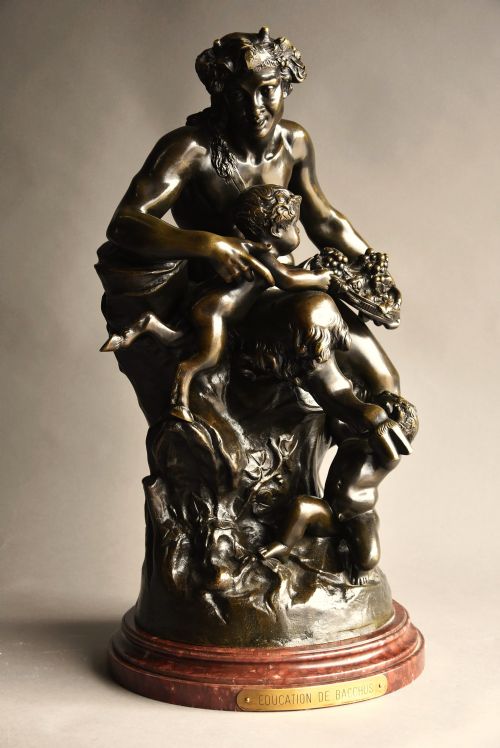
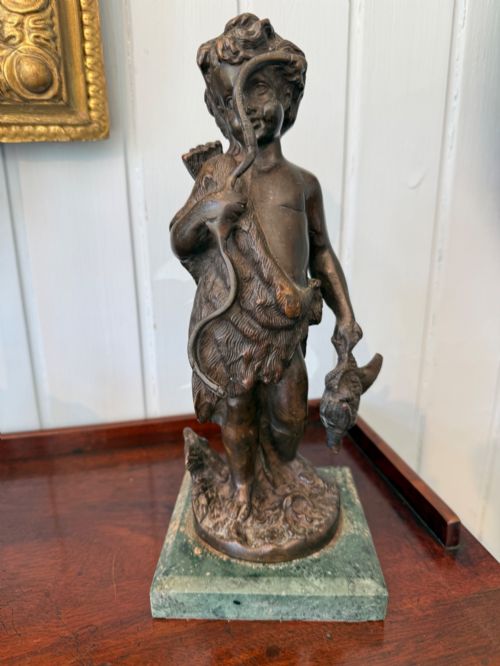
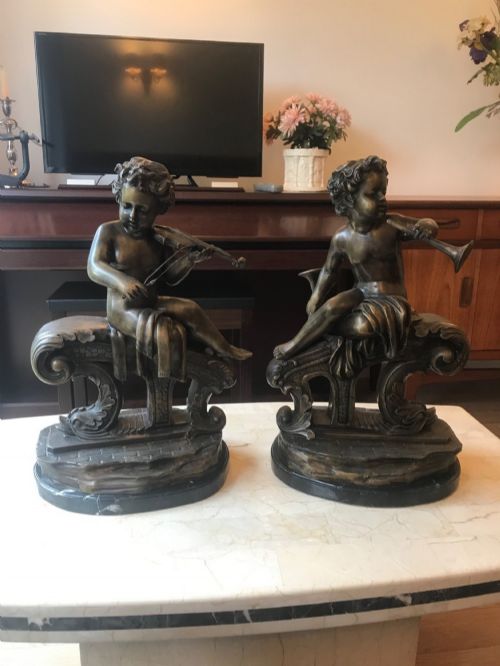
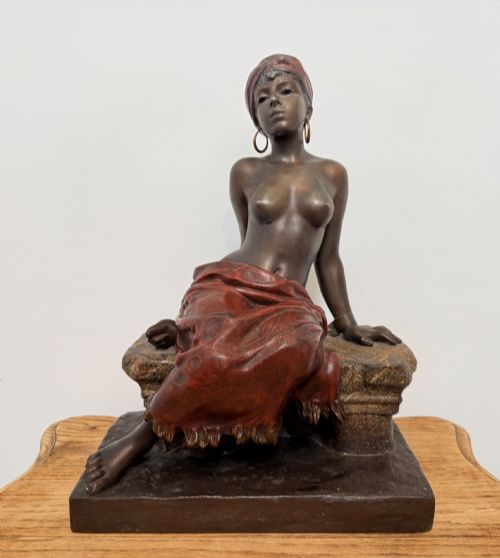
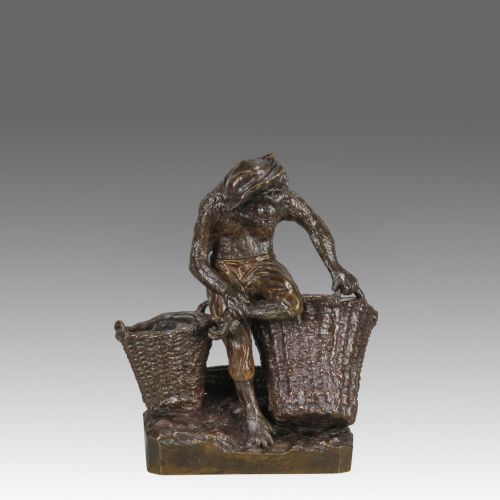
An antique french metal statue brings tactile weight and narrative presence into a room, spanning delicate dancer studies to robust animalier groups.
Antique French Metal Statue
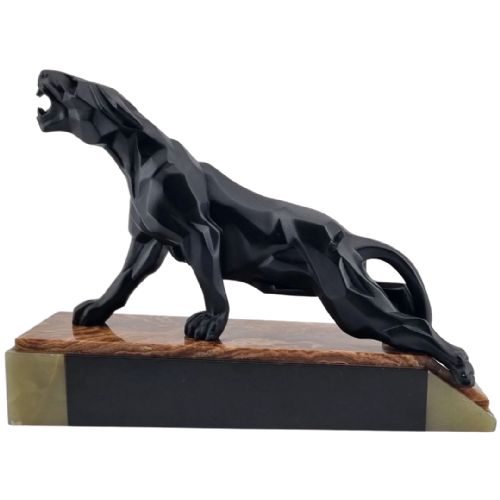
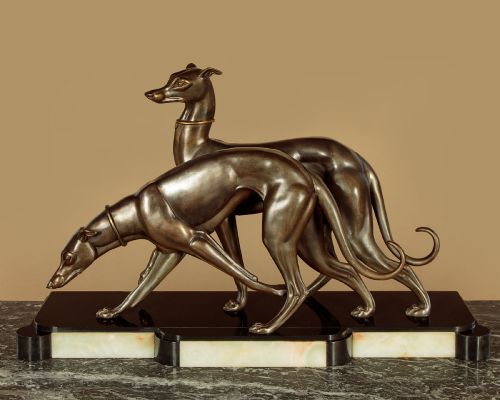
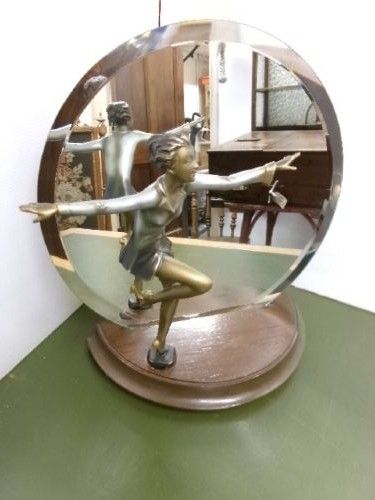
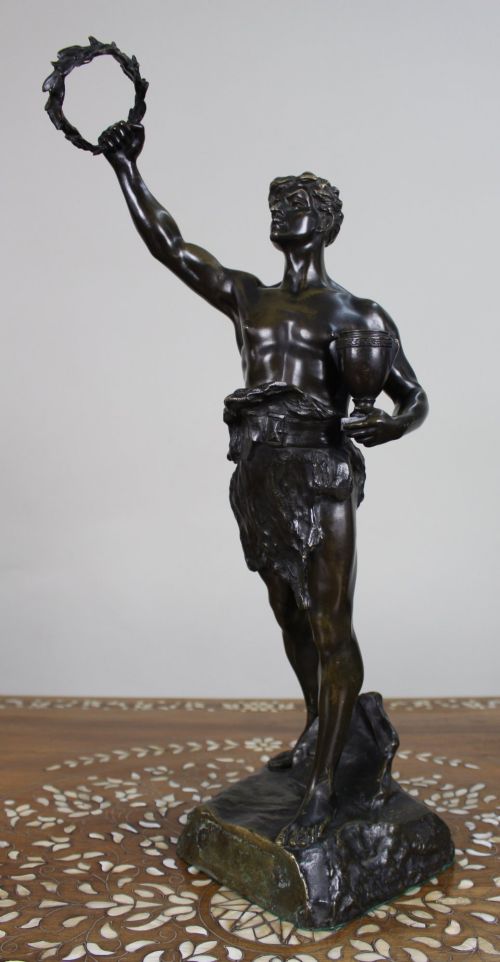
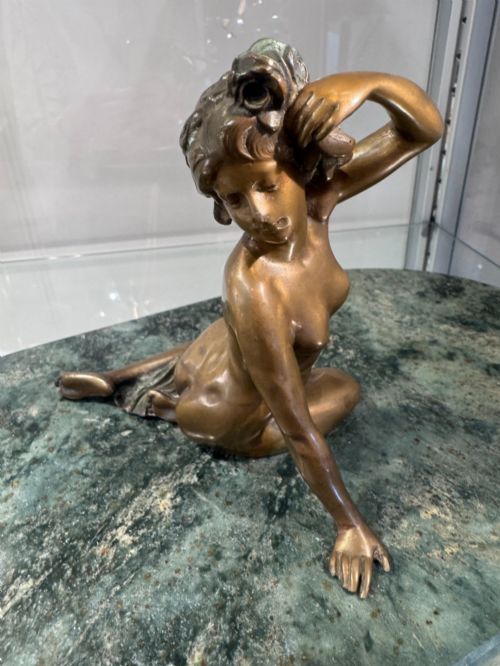
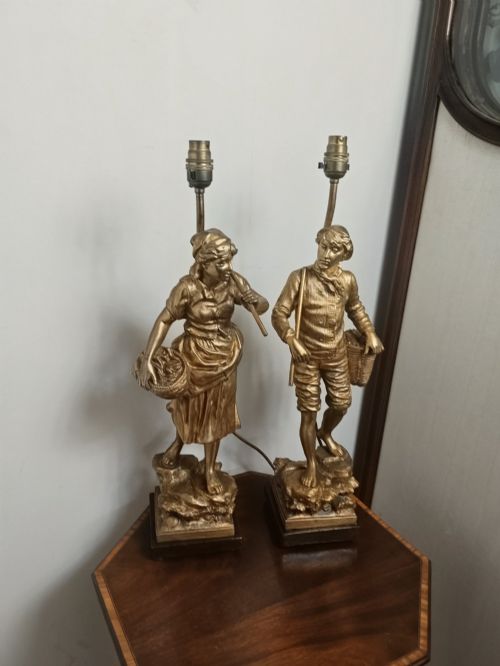
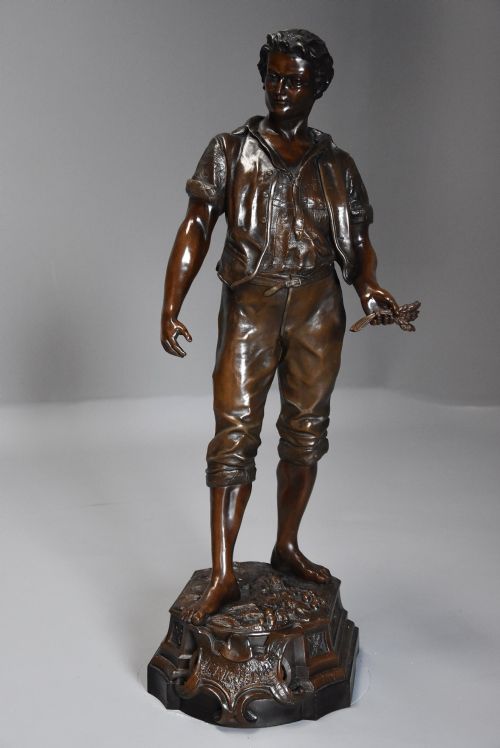
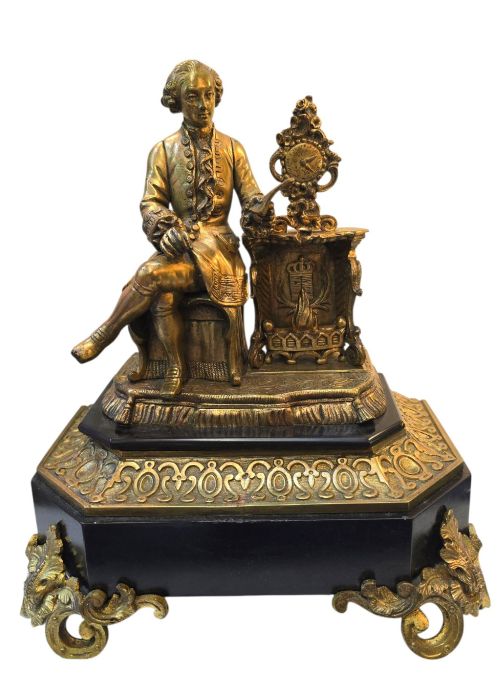
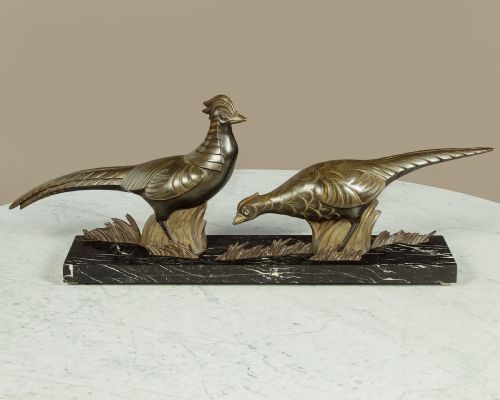
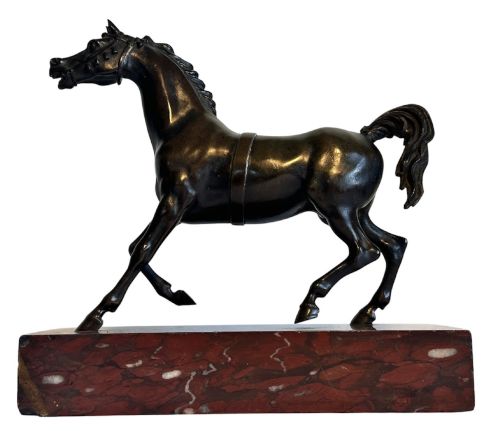
An antique french metal statue encompasses sculptural figures, figural bookends, and table lamps originating from nineteenth-century studios through to the Art Deco period. The listings here frequently present bronze and spelter figures mounted upon marble or onyx bases, depicting mythological subjects, animals, and human laborers.
Buyers encounter numerous variations ranging from classical foundry casts after Renaissance models to sleek twentieth-century modernist animalier studies. Spelter versions finished with patination sit alongside heavy cast iron garden statuary and gilded tabletop pieces.
How They Were Made
Foundries utilised traditional metal-casting techniques, predominantly the lost-wax method for fine bronzes and sand-casting for robust spelter and iron figures. Molten metal poured into moulds captured intricate details in hair, drapery, and musculature.
Post-casting work involved chasing the surface with chisels and applying patination acids or cold-painted pigments to achieve tonal depth. Figures were then secured to bases of carved marble, onyx, or wood.
Materials documented across the inventory include cast iron, onyx, marble, and gilt bronze.
What Varies In Quality
The definition in the cast separates exceptional sculptures from mass-market productions, revealing crisp details in facial expressions and ornamentation rather than softened edges. Superior handling of the metal surface shows intentional chasing work that removes mould lines.
The integration of the figure with its mounting plinth demonstrates careful construction, where marble and onyx bases complement the weight and balance of the metalwork above.
Lemoyne·Pierre le Faguays·E Rousseau·F.Milliot·Claude Michel Clodian·E Villanis·Christophe Fratin·Emile Carlier·Henri Godet·Val d’Osne foundry·Emile-Coriolan Guillemin·Jean Jules Salmson·P. Sega·C Masson·Lucien Madrassi
The Antique French Metal Statue Glossary
- Spelter
- A zinc alloy commonly used as a cost-effective alternative to bronze in nineteenth and twentieth-century European figures. It accepts patination well to imitate heavier metals.
- Animalier
- A nineteenth-century artistic movement focusing on realistic depictions of animals, particularly predators and domestic beasts. Sculptors captured creatures in dynamic motion or repose.
- Patination
- The chemical or natural surface coloration applied to metal sculptures to enhance highlights and create aged tones. Artists utilised various acids to darken bronze.
- Lost-wax casting
- A meticulous process where a wax model is melted from a ceramic mould to receive molten metal. This method allows for complex undercuts and fine sculptural detail.
Antique French Metal Statue: Frequently Asked Questions
What is spelter?
Spelter is a zinc-based alloy that European foundries utilised extensively for decorative figures and lamps during the nineteenth and early twentieth centuries.
It provided a pliable medium for mass production while retaining the visual weight of heavier materials when treated with patination.
How do I clean bronze?
Bronze statues require minimal intervention beyond dusting with a soft brush to preserve the historical surface layer and applied patina.
Avoid abrasive cleaners or polishes that strip away chemical colorations accumulated over decades of existence.
Are these pieces signed?
Many sculptures feature foundry stamps, cast signatures, or inscribed names on the metal base or marble plinth.
These markings identify the sculptor or the producing foundry, though unsigned decorative works remain common in the marketplace.
Where did they stand?
These statues functioned primarily as mantelpiece ornaments, library desk companions, and focal points on pedestals within domestic interiors.
Some iterations served dual purposes as lighting fixtures, bookends, or candlesticks in period reception rooms.