



Antique French Lustres
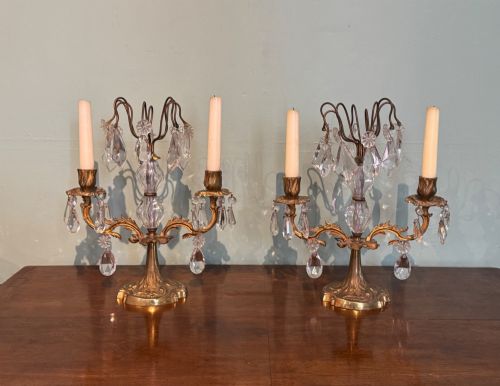
These antique french lustres combine cut crystal and gilt bronze to catch the light, bringing formal 19th century elegance to a room.
Antique French Lustres
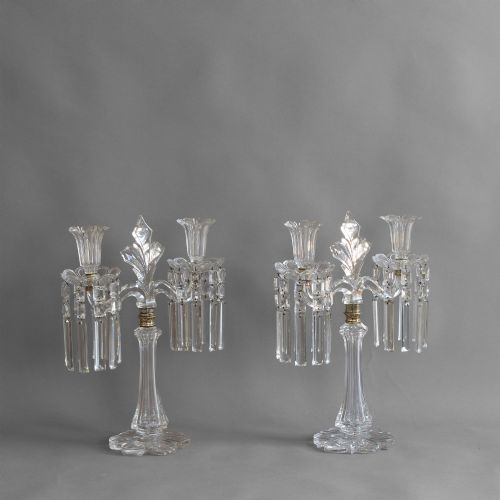
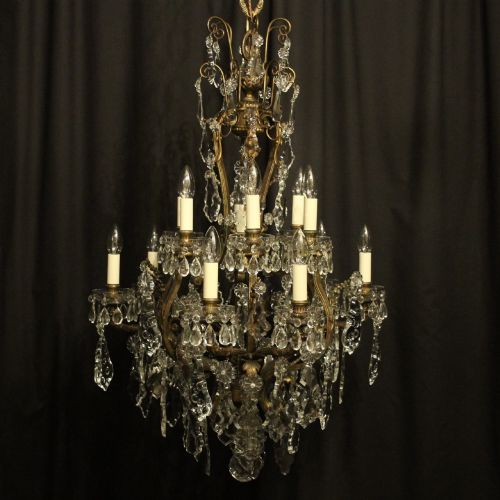
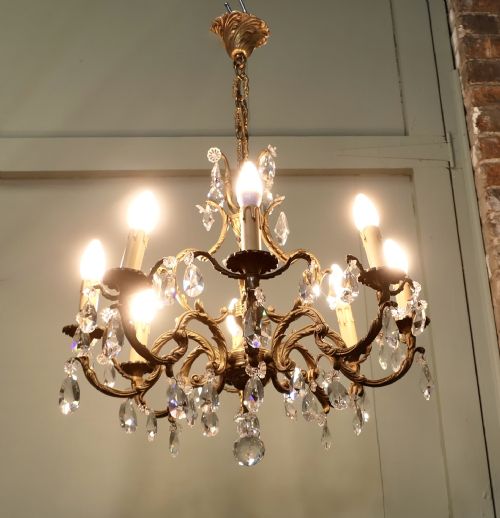
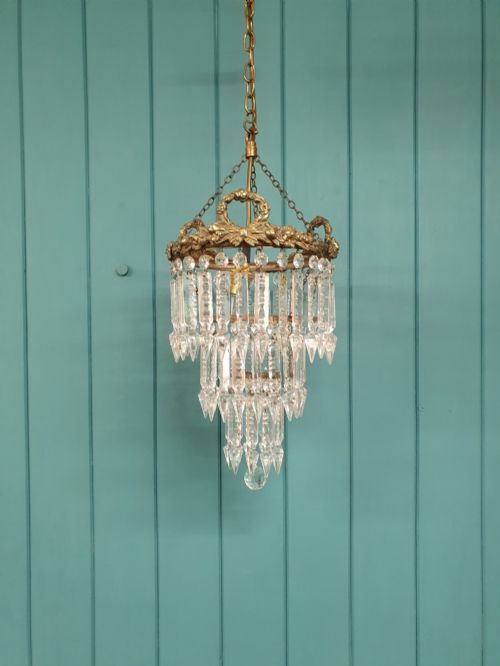
When you search for antique french lustres, you encounter lighting and table pieces ornamented with hanging glass drops, spanning periods from the Regency era through to the 1930s. The most common forms on this page include chandeliers, table candelabras, and paired mantel ornaments.
The styles range from French Empire and Rococo to Edwardian and French Chateau. These pieces serve both to illuminate and to refract candlelight or electric light through shaped crystal prisms.
How they were made
Maker workshops utilised cast brass, bronze, and ormolu to form the structural frames and candelabra bodies. Gilt finishes were applied to metal surfaces to provide a rich metallic sheen.
Glass and crystal elements were hand-cut and polished, then suspended from the main body using wire pins or loops. Opaline glass and lustre glazed earthenware also appear among the material variations.
Antique French Lustres Retail Price Guide 2026
Typical asking prices for french lustres among the pieces listed under this phrase on Sellingantiques today, from the lower quarter to the upper quarter. They describe what is for sale here now, not the wider market.
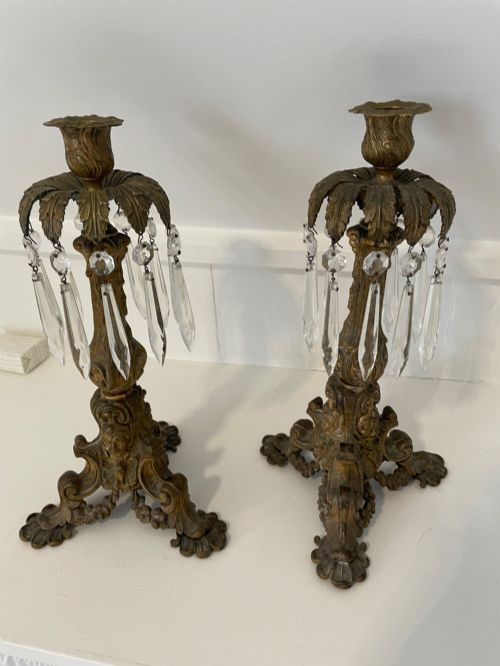
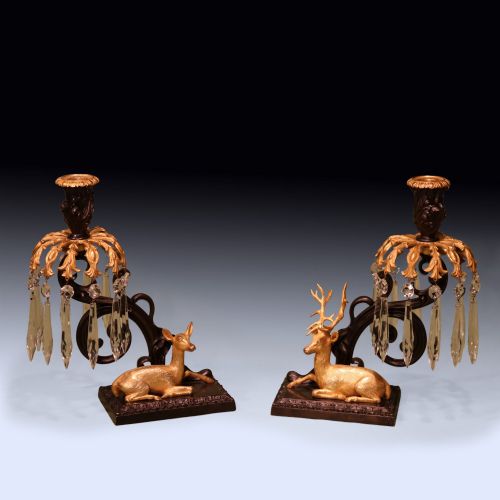
Several pairs of these antique pieces feature sculpted bronze stags, does, cherubs, and even a griffin stand keeping watch over the candles.
What varies in quality
The refinement of the metal casting and the depth of the fire-gilding set finer examples apart from simpler work. Crisp chasing on bronze mounts indicates skilled workshop execution.
The clarity and facet cutting of the hanging crystal drops determine the brilliance of the piece. Complete sets of matching prisms with minimal edge chipping demonstrate higher preservation.
The Antique French Lustres Glossary
- Ormolu
- A gilded bronze technique utilising finely ground gold mercury amalgam applied to a bronze base. This process creates a warm, durable surface finish typical of French decorative arts.
- Lustre
- A hanging glass or crystal pendant designed to refract light. These drops are suspended from chandeliers, candelabras, and candlesticks.
- Candelabra
- A branched candlestick holder designed to support multiple candles. Many examples on this page incorporate hanging crystal drops.
- Opaline
- An opaque or translucent glass popular in 19th-century French decorative objects. It often appears in soft pastel shades on table lustres.
Antique French Lustres: Frequently Asked Questions
How do I hang a crystal chandelier?
These chandeliers require secure ceiling anchorage capable of supporting the combined weight of the bronze frame and crystal components. Professional electrical installation ensures the internal wiring safely handles the bulb capacity.
Hang the crystal drops after the main fixture is firmly mounted to prevent damage during the installation process.
How should I clean antique glass drops?
Remove the crystal drops from the frame individually where possible to clean them safely. Wash them in lukewarm water with mild soap and dry them thoroughly with a lint-free cloth.
Avoid harsh chemical cleaners that can damage older glass surfaces or degrade the metal fixings.
Where were these pieces used originally?
Such pieces stood in formal salons, dining rooms, and parlours of French chateaus and townhouses. Table lustres and candelabras decorated mantelpieces and sideboards.
They provided ambient illumination by candlelight before the widespread adoption of gas and electric lighting.
Can I convert table lustres to lamps?
Some pieces feature modifications for electricity, while others retain their original candle sockets. Altering antique table lustres requires careful consideration of their original structural integrity.
Consult a specialist restorer to discuss reversible wiring options that preserve the collectible nature of the object.