




French Style Lustre
French style lustre pieces bring brilliant illumination and classical elegance to a room, offering glittering cut glass and rich bronze forms.
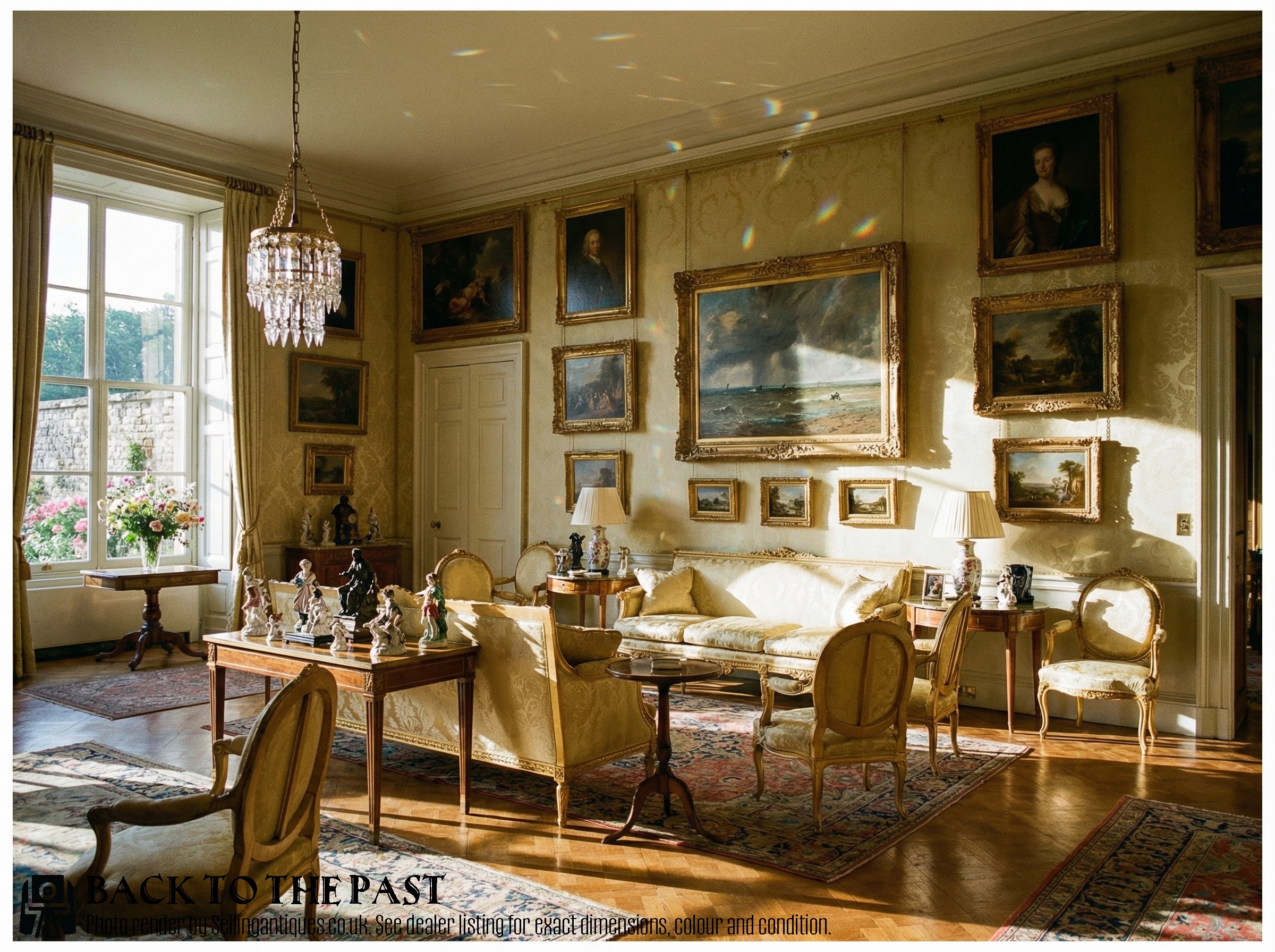
French Style Lustre
When you search for french style lustre, you encounter decorative lighting and candle holders that draw on classical, rococo, and empire aesthetics. These objects span periods from the Regency era through the nineteenth century and into the early twentieth century.
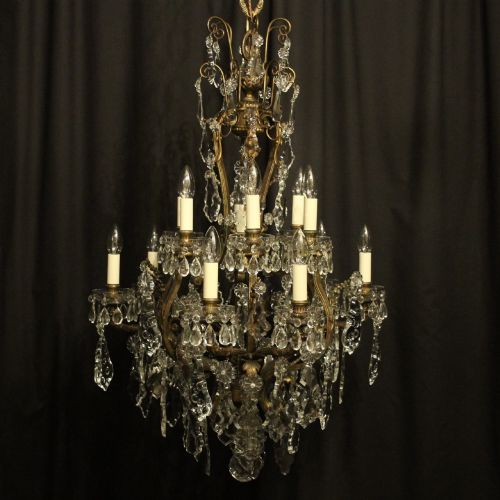
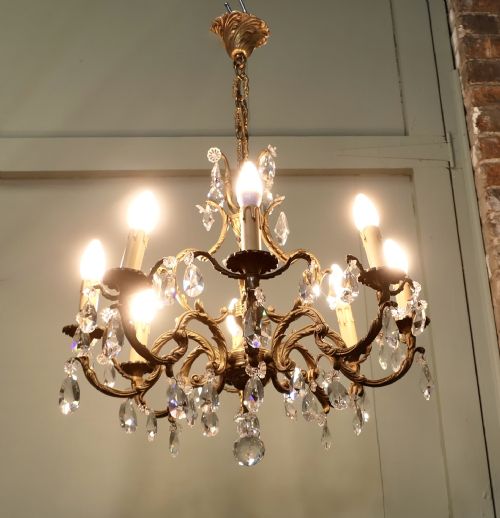
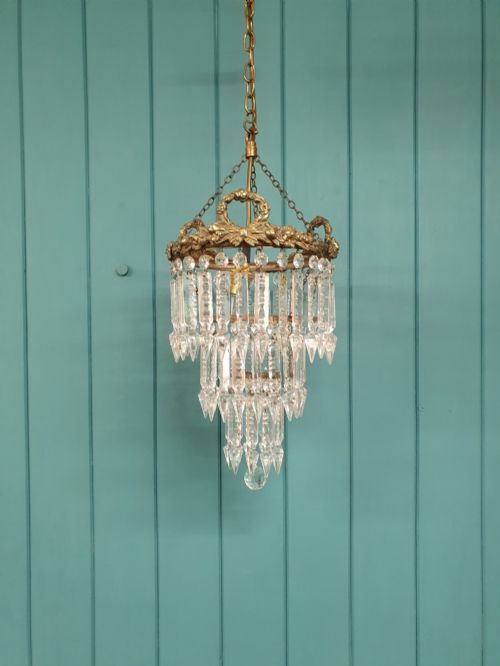
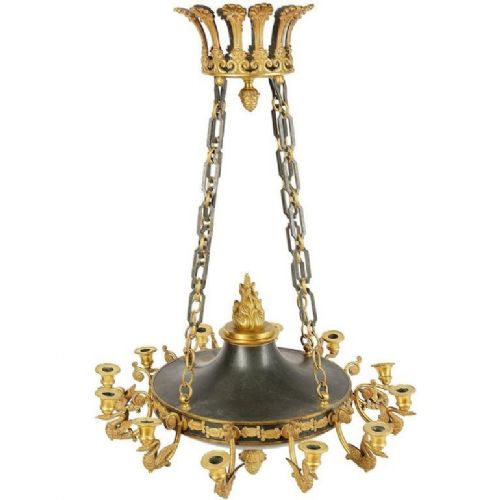
The pieces you are most likely to meet on this page include chandeliers, ceiling lights, wall lights, and candlesticks. Many feature hanging glass drops or crystal lustres suspended from metal frames.
Forms range from large multi-light chandeliers down to smaller ceiling fixtures, table lustres, and pairs of wall lights adorned with cherubs or gilded details.
Materials and Construction
Maker workshops utilised metals such as brass, bronze, gilt bronze, ormolu, and silver gilded bronze to form the structural bodies and decorative mounts. These durable foundations supported intricate cast details like cherubs and classical foliage.
Glass and crystal formed the shimmering ornamentation, utilising crystal glass and cut crystal shaped into drops and large lustres. These elements were wired or pinned to the metal frameworks to refract light effectively.
French Style Lustre Retail Price Guide 2026
Typical asking prices for french style lustre among the pieces listed under this phrase on Sellingantiques today, from the lower quarter to the upper quarter. They describe what is for sale here now, not the wider market.
The inventory includes nineteenth-century pieces alongside Edwardian items and 1930s ceiling fixtures.
Distinctions in Quality
The sophistication of the cast metalwork distinguishes finer examples, particularly where ormolu or gilt bronze displays crisp chasing and deep relief. Simpler brass frames lack this extra layer of hand-finishing.
The cut and clarity of the crystal glass drops create another division. High-grade cut crystal produces sharper light refraction than plain glass pendants, and complete sets of matching lustres elevate the piece.
The French Style Lustre Glossary
- Lustre
- A glass pendant or drop hung from a light fitting or candlestick to catch and reflect light. These often feature faceted cuts.
- Ormolu
- Gilded bronze produced by applying a mercury and gold amalgam to a bronze base and heating it. This technique creates a rich, durable golden surface.
- Rococo
- An ornate decorative style characterised by asymmetric scrolls, shells, and flowing organic forms. It appears frequently in nineteenth-century French designs.
- Candelabra
- A branched candlestick holder designed to hold multiple candles simultaneously. They often share stylistic traits with matching chandeliers.
French Style Lustre: Frequently Asked Questions
What periods do these pieces come from?
The items span several periods, beginning with the Regency era and moving through the nineteenth century. You will also find Edwardian pieces and items from the early twentieth century, including the 1920s and 1930s.
Design influences across these eras draw heavily on French Rococo, French Empire, and classical styles. This creates a continuity of aesthetic despite the varying production dates.
What is the difference between a chandelier and a wall light?
Chandeliers hang directly from the ceiling and typically feature multiple light arms spread in a circle. They are designed to serve as the central light source in a room.
Wall lights, by contrast, mount directly onto vertical wall surfaces. They often feature fewer lights, sometimes accompanied by decorative figures such as cherubs.
How do crystal lustres function on these pieces?
Crystal lustres hang from metal frames using small wire loops or pins. Their primary purpose is to multiply and refract the light emitted by candles or early electric bulbs.
Beyond their optical function, the cut crystal and glass drops serve as prominent decorative elements that define the visual character of the object.
How do I identify a Regency piece from a 1930s piece?
Regency items, such as bronze and ormolu candlesticks, typically reflect strict classical proportions and early nineteenth-century metalworking techniques. Their construction methods differ from later twentieth-century production.
Pieces from the 1930s often show Edwardian or early twentieth-century adaptations of French styles. Comparing the casting crispness and the cut of the crystal helps separate the earlier examples.