

Bronze Pendant Fitting
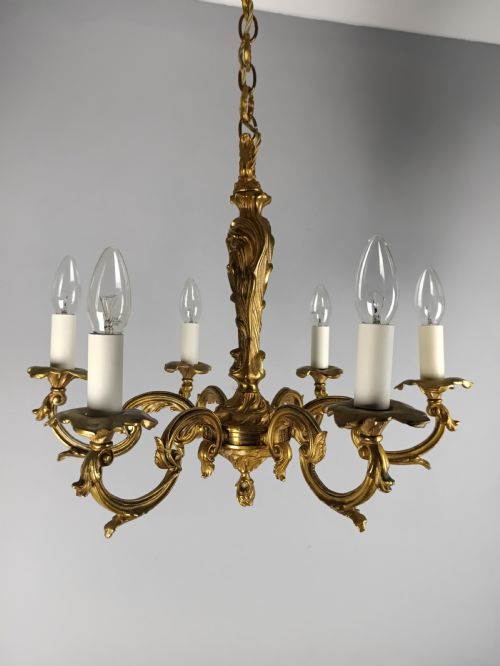
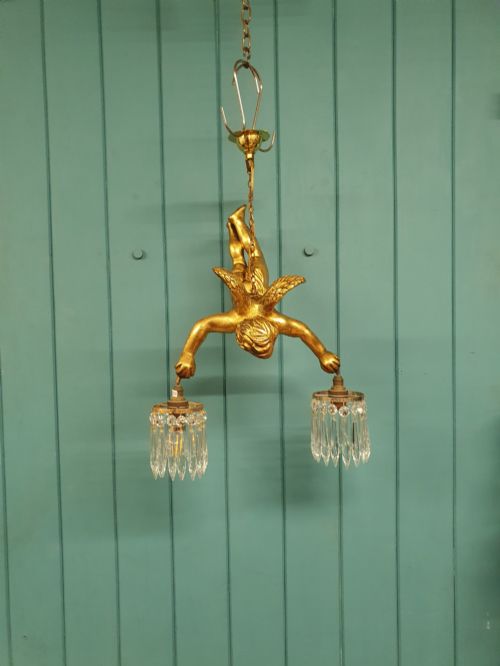
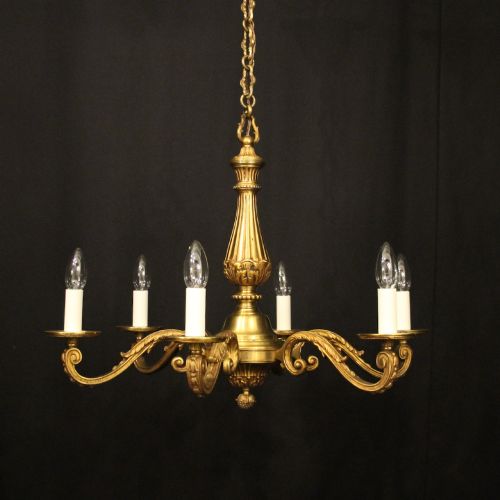
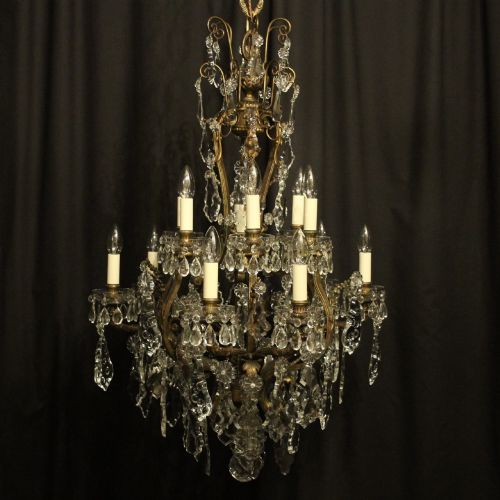
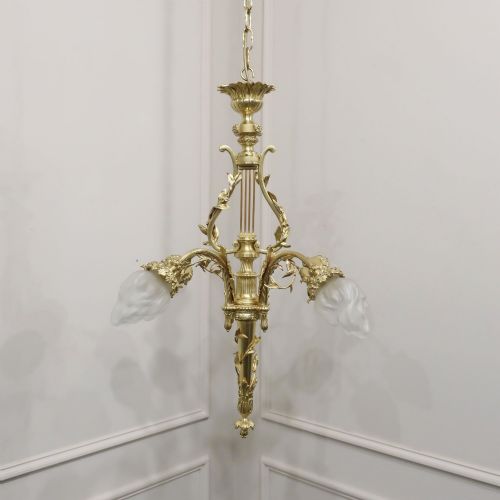
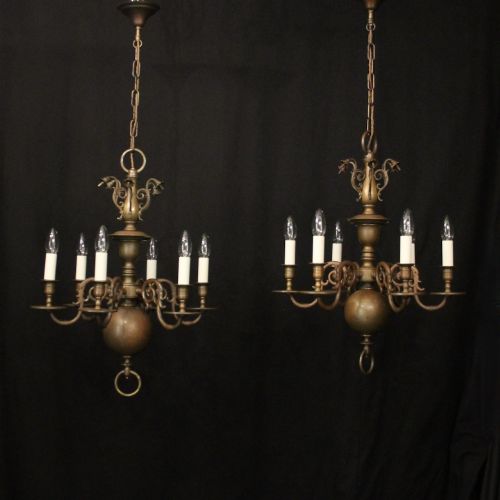
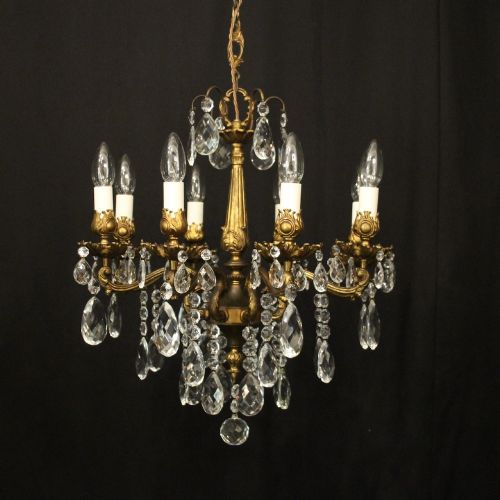
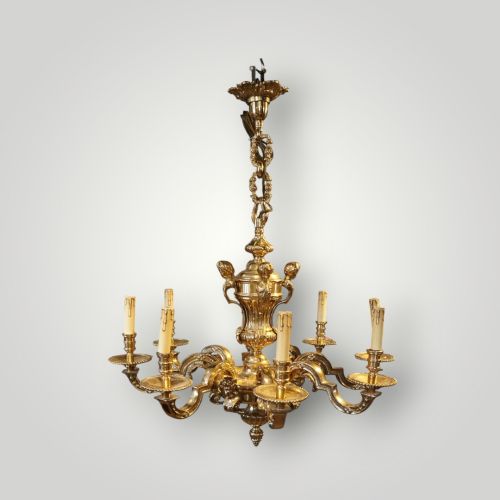
These bronze pendant fitting examples bring substantial metalwork and crystal illumination to period interiors.
Bronze Pendant Fitting
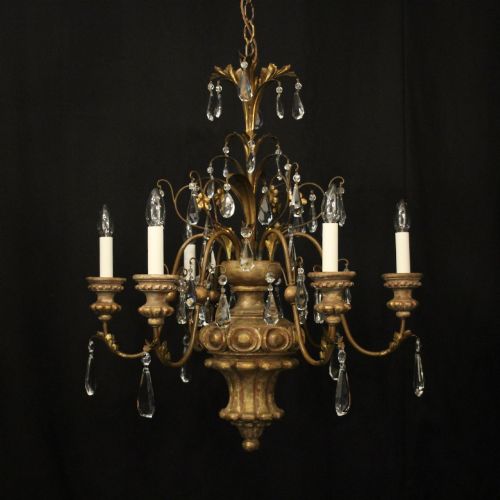
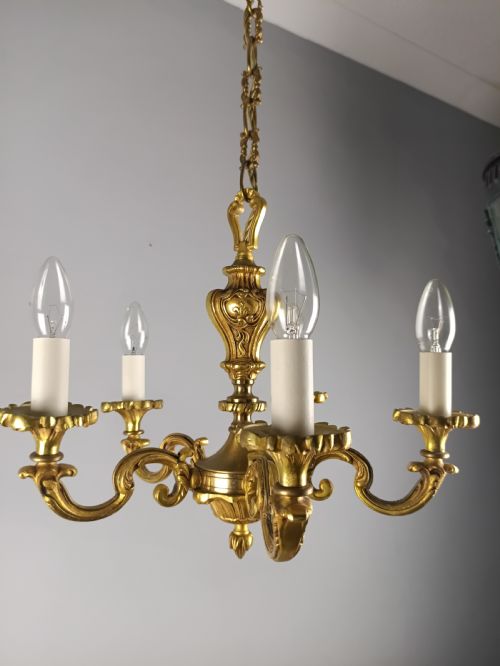
Buyers seeking a bronze pendant fitting encounter substantial multi-light ceiling illumination, predominantly French chandeliers and hall lanterns dating from the nineteenth century through the interwar decades. The selection centres heavily on cast metal fixtures holding multiple candle-arms, often augmented with cut glass crystals.
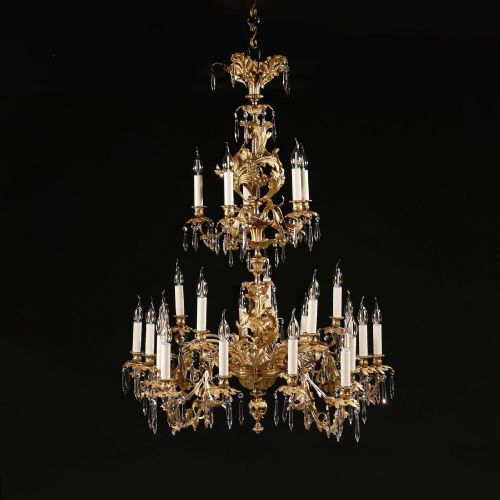
The objects span varied Continental and English designs, with French workshops providing the majority of the surviving examples. These range from modest four-light configurations to large twenty-five light ballroom centerpieces.
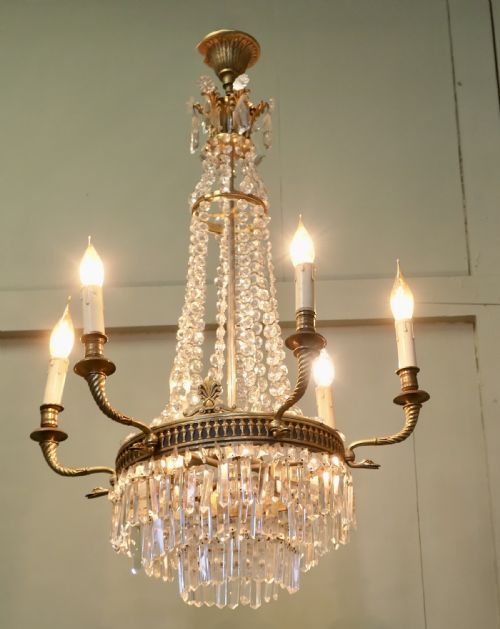
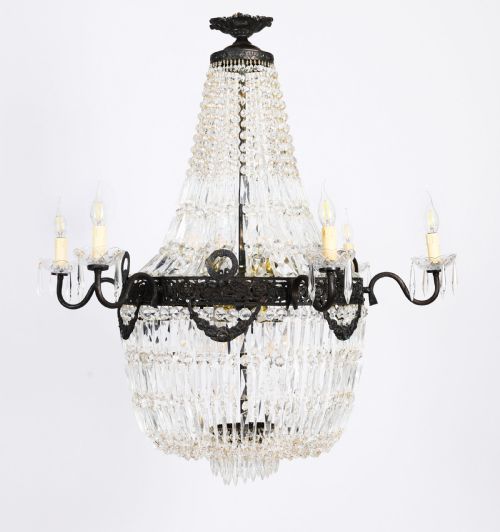
Forms include classic Empire tent and waterfall arrangements, Neoclassical lyre frames, and ornate Rococo or Baroque revival structures. Buyers also find simpler dark bronze or gilded brass lanterns suited to entrance halls.
Materials and construction methods
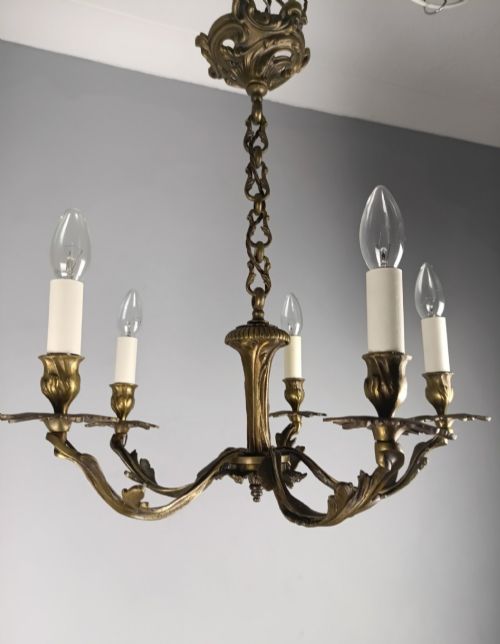
Foundry work relies on casting bronze, brass, or spelter into structural arms, rings, and decorative mounts. Metal surfaces are frequently gilded, silver-gilded, or left in a natural dark bronze finish.
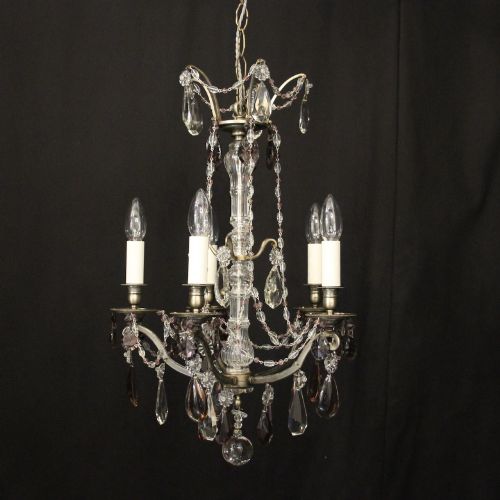
Lighting assemblies integrate cut glass and crystal drops, spikes, and beads suspended by wire garlands. Alabaster bowls also appear in specific twentieth-century iterations paired with metal frames.
The listings span periods from the Victorian era and 1890 through the 1930s, showcasing materials including crystal, alabaster, gilt bronze, and brass.
The markers of quality
Quality rests in the crispness of the metal casting and the depth of the chasing work on foliage and mounts. Superior pieces display sharply defined ornamentation without softness in the cast details.
The integrity of the crystal elements and the weight of the metal framework dictate the overall substance of the fixture. Substantial cast bronze and hand-cut crystal outlast lighter brass-plated or spelter alternatives.
G.E.C
The Bronze Pendant Fitting Glossary
- Gilt Bronze
- Bronze metal coated with a thin layer of gold or gold leaf. This finish protects the underlying metal while providing a bright metallic lustre.
- Tent and Waterfall
- A chandelier design featuring a conical upper section of beaded crystal strings resembling a tent, dropping into a cascading lower array. This arrangement maximises the light reflection from cut glass.
- Spelter
- A zinc alloy frequently utilised as a substitute for bronze in decorative metalwork. It takes finishes well but possesses a lighter weight and lower melting point than genuine bronze.
- Lyre Chandelier
- A lighting fixture styled in the symmetrical shape of a classical stringed musical instrument. This Neoclassical motif appears prominently in nineteenth-century metalwork.
- Hall Lantern
- An enclosed ceiling fixture designed for entrance spaces and corridors. These pieces typically feature glazed panels within a metal frame.
Bronze Pendant Fitting: Frequently Asked Questions
How do I hang a heavy bronze chandelier safely?
Heavy chandeliers require direct anchoring into ceiling joists using a rated steel hook and junction box capable of supporting the full weight of the metal and crystal elements.
Professional electrical installation is essential to ensure the internal wiring safely handles the multi-bulb load.
What is the difference between bronze and gilt brass?
Bronze is an alloy of copper and tin offering high structural density and durability, whereas brass is an alloy of copper and zinc with a brighter yellow tone. Gilt versions of both metals receive a superficial gold coating.
Examining the weight and the casting seams helps distinguish solid bronze work from lighter brass alternatives.
How do I clean cut glass crystals on a chandelier?
Crystals can be washed individually using a mild solution of warm water and dish soap, then dried thoroughly with a lint-free cloth before reattachment.
Leaving crystals in place while cleaning risks damaging the delicate wire fixings and surrounding metal finish.
Which ceiling height suits a tent and waterfall chandelier?
These expansive multi-tier fixtures require tall ceilings, typically over three metres, to allow proper clearance beneath the lowest drop.
Placing such a large fitting too low interrupts the room flow and obscures the proportions of the metalwork.