
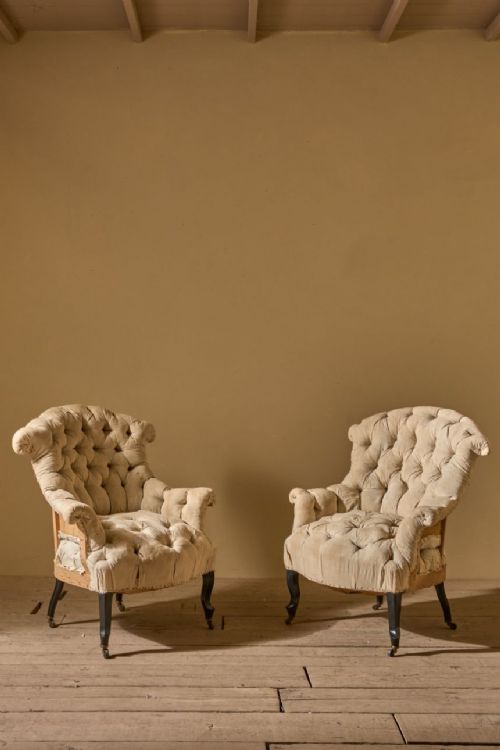
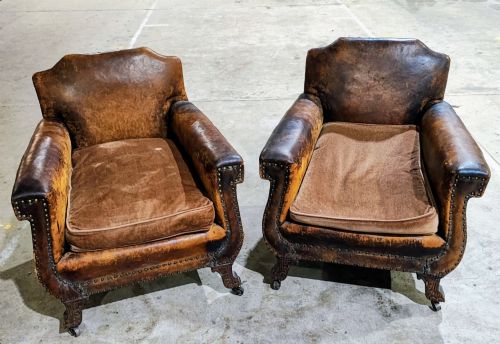

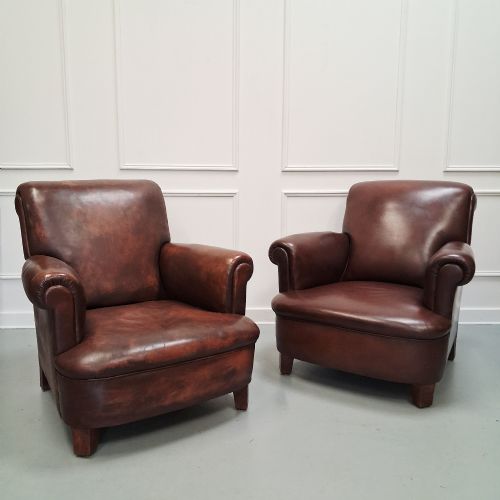
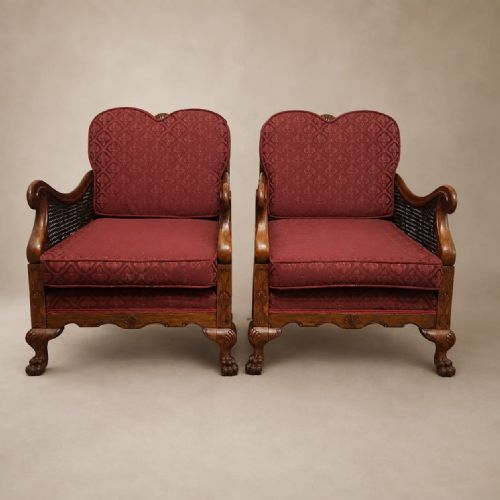
Antique French Lounging Chair
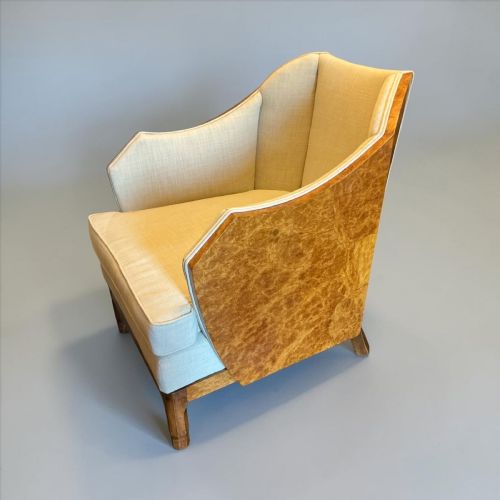
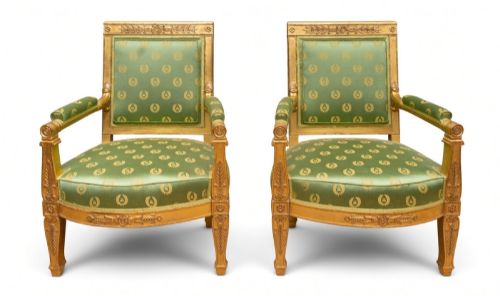
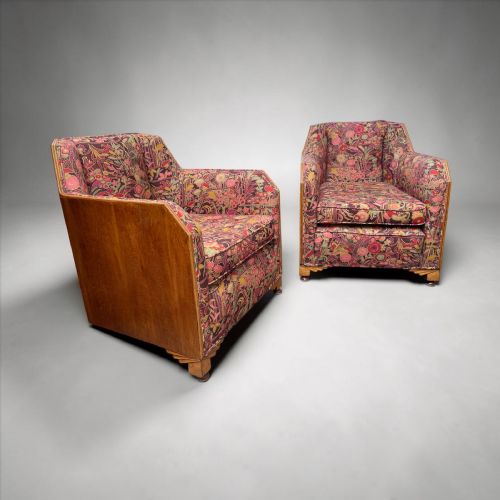
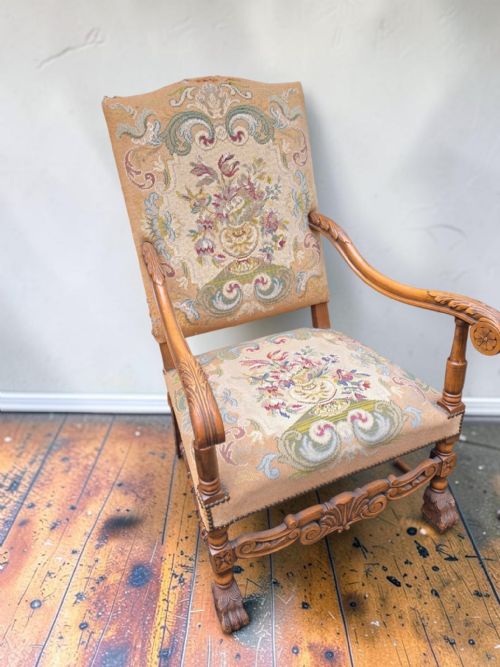
An antique french lounging chair offers deep-set comfort, pairing carved timber frames with traditional upholstery for graceful interior seating.
Materials and construction methods
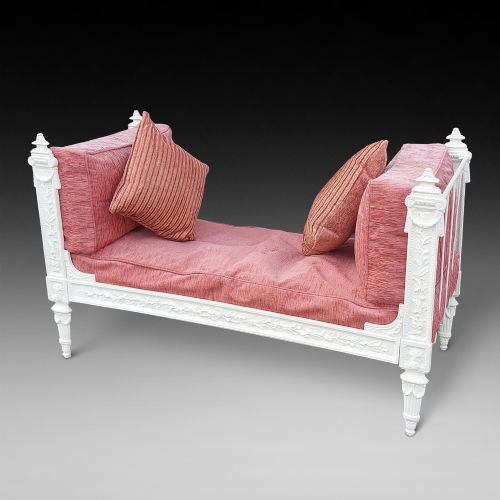
Makers utilised solid timbers including walnut, oak, mahogany, and giltwood to construct the foundational frames of these chairs. Structural metal elements also appear, notably in cast iron and wrought iron daybeds originating from garden and interior settings.
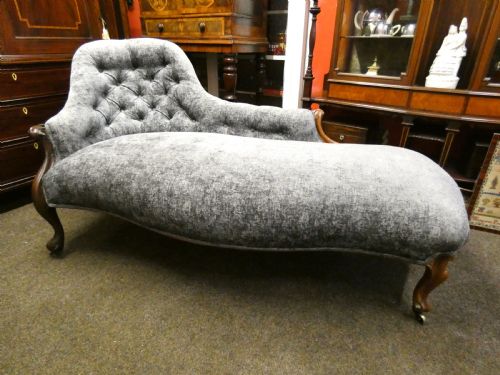
Upholstery techniques rely on traditional stuffing materials enclosed in fabrics such as leather, velvet, pure silk, tapestry, split cane, and calico. Button-backed finishing and exposed carved woodwork define the decorative execution of many nineteenth-century examples.
Distinctions in craftsmanship and materials
The quality of these chairs rests on the depth of hand-carving in the wooden frames and the structural integrity of the joinery. Superior examples display crisp detail in giltwood or polished walnut and retain harmonious proportions across the arms and backrest.
Upholstery materials also establish divergence in the range, with supple leathers, heavy silk, and detailed tapestry work marking higher tiers of production. The preservation of original paint finishes or period-appropriate cane panels adds further distinction to individual pieces.
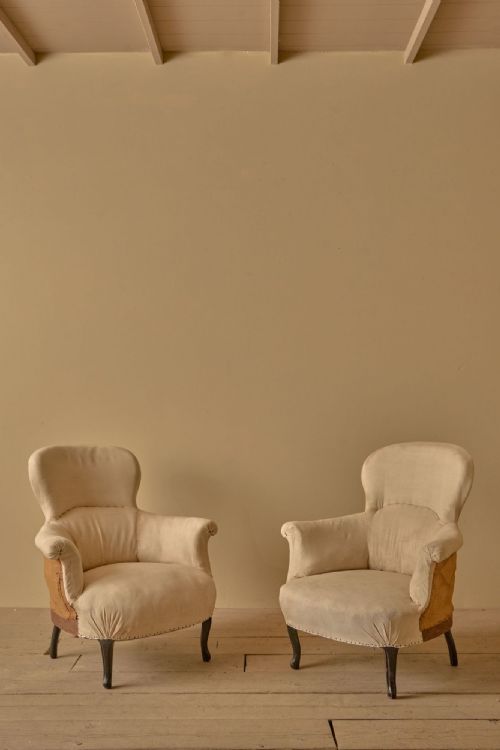
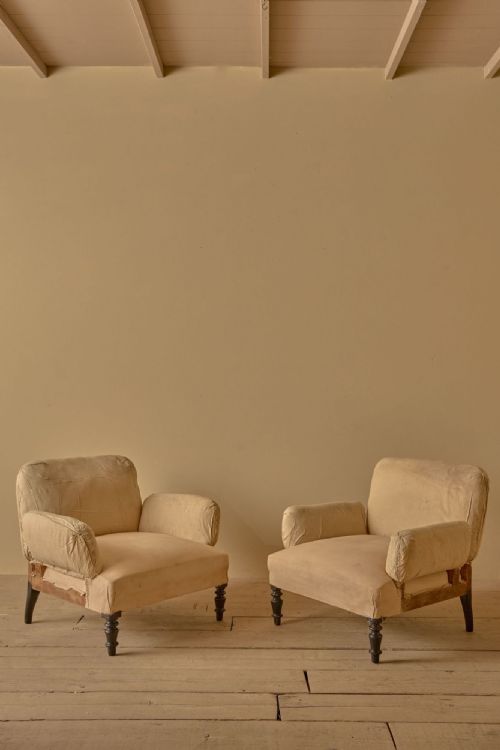
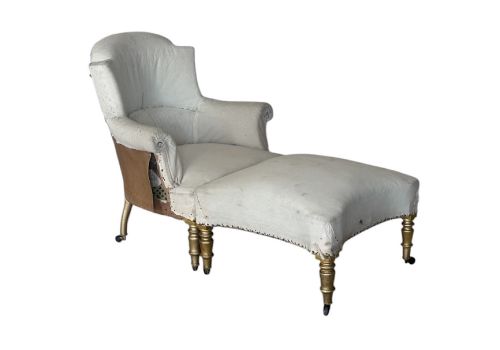
Several chairs arrive ready for a completely new life in calico, awaiting an owner with bold upholstery ambitions.
Jacob-Desmalter
The Antique French Lounging Chair Glossary
- Berg è re
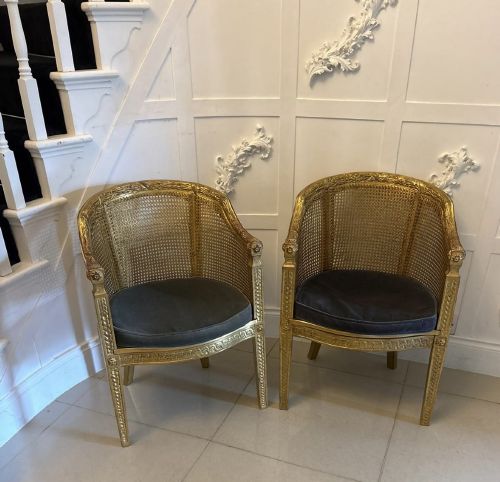
- An enclosed upholstered armchair with wooden framing, often featuring cane work on the sides and back. These chairs typically include a loose cushion for the seat.
- Duchesse bris é e
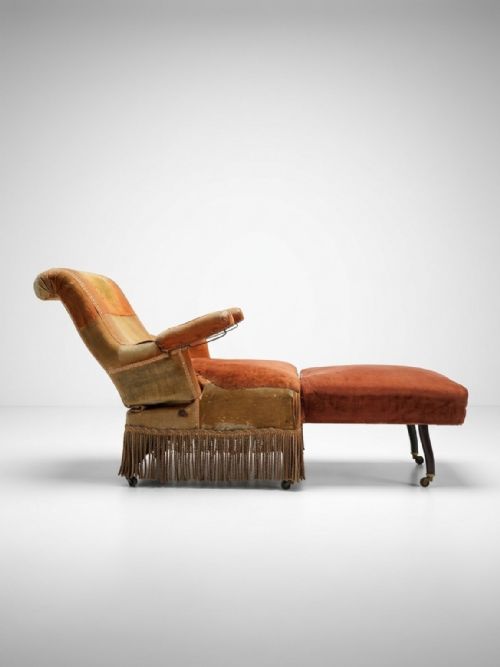
- A multi-part daybed consisting of an armchair accompanied by a matching stool or a prolonged footstool component. The name translates to broken duchess.
- Giltwood
- Timber treated with a thin layer of gold leaf applied to carved decorative surfaces. This finish appears frequently on formal nineteenth-century seating.
- Club chair
- A heavy, deep-seated armchair upholstered in leather, developed for comfort during the early twentieth century. These chairs often feature rounded backs and generous proportions.
- Rococo Revival
- A nineteenth-century design movement inspired by French styles of the eighteenth century, characterised by asymmetrical curves, floral motifs, and scrollwork.
Antique French Lounging Chair: Frequently Asked Questions
What is a duchesse bris é e?
A duchesse bris é e is a compound lounging form that combines an armchair with an extended footrest or secondary stool. This creates a continuous surface for reclining while maintaining a distinct seat and support structure.
Such pieces were designed for boudoirs and dressing rooms, allowing occupants to stretch out fully without moving to a bed. They reflect the nineteenth-century emphasis on domestic relaxation.
How do I identify Napoleon III seating?
Napoleon III pieces generally date from the mid to late nineteenth century and often feature buttoned upholstery on the back and seat. Their forms borrow heavily from earlier royal French styles while incorporating comfortable padding.
Makers working in this period frequently paired dark wood or gilt frames with plush fabrics like velvet or patterned textiles. The overall aesthetic prioritises visual opulence alongside deep-seated comfort.
Where were club chairs used?
Leather club chairs originated as heavy, comfortable seating designed for studies, libraries, and smoking rooms during the early twentieth century. Their generous proportions encouraged prolonged sitting.
Unlike formal salon chairs, these pieces were built for private relaxation rather than public display. The thick leather upholstery made them durable additions to domestic interiors.
Can I use these chairs daily?
Most antique lounging chairs are structurally sound for everyday seating when placed correctly within a home. Their solid wood frames and traditional upholstery withstand standard domestic use.
Care should be taken with delicate textiles such as silk or antique tapestry to preserve their condition. Regular placement out of direct sunlight helps maintain both the fabric and the timber.