


Antique French Globe
An antique french globe brings geography, timekeeping, and illumination together in decorative forms spanning the nineteenth century through the art deco era.
Antique French Globe
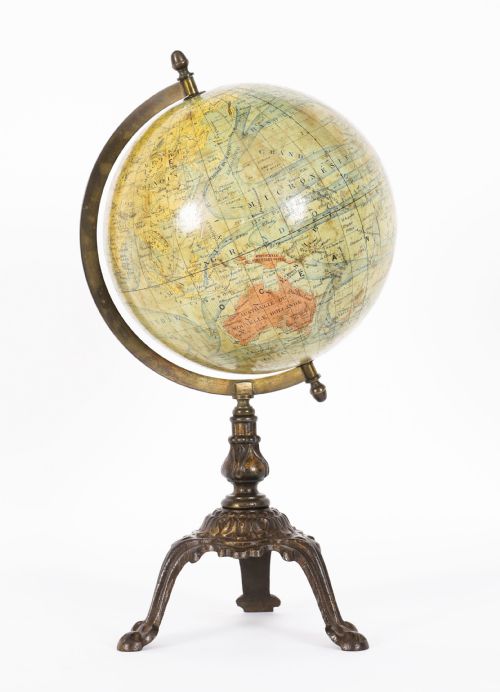
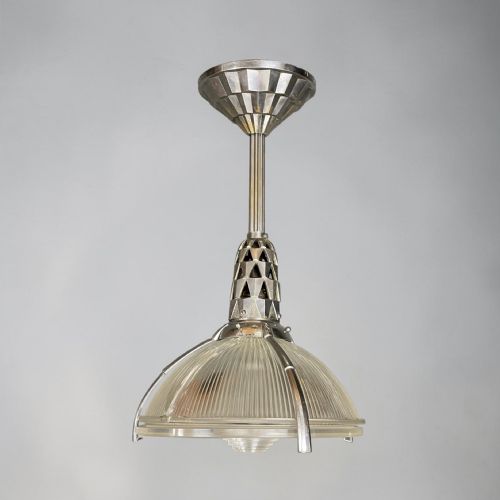
When you search for an antique french globe, you encounter diverse objects ranging from dedicated terrestrial and celestial spheres by makers such as Lebegue and J. Forest to complex mechanical globe clocks and pendant lighting fixtures. These pieces originate across distinct periods including the Victorian era, the nineteenth century broadly, and the nineteen-twenties and nineteen-thirties.
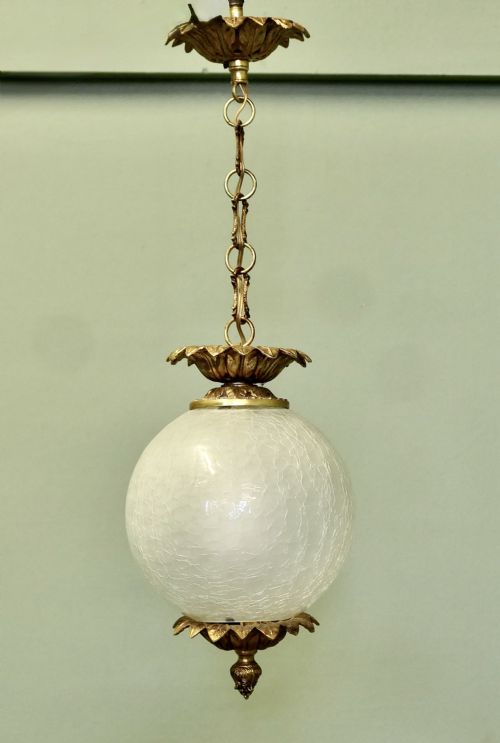
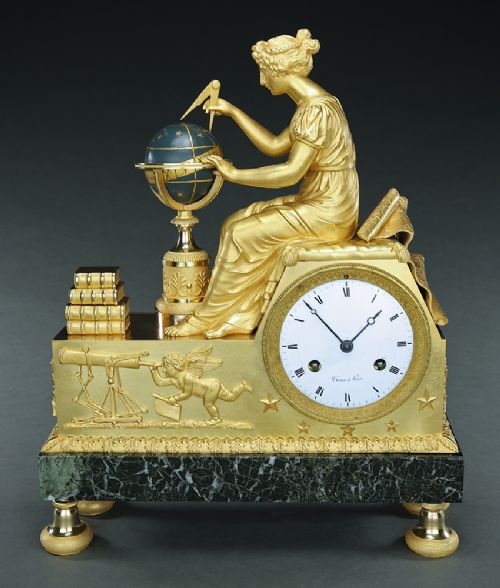
The selections on this page appear in various configurations, including desktop globes on stands, hanging pendant lights, and monumental mantel clock garnitures incorporating celestial or terrestrial globes. Terrestrial models present geographical details mapped on paper or plaster spheres, while associated lighting and clockwork pieces integrate spherical glass shades and revolving globes.
Makers and cartographers of the period produced works reflecting contemporary scientific interests and decorative arts movements, shifting from nineteenth century scientific instruments to streamlined art deco designs. Buyers find pieces rooted in specific stylistic traditions like French Empire, Napoleon III, and nineteenth century French design.
Materials and construction
Craftsmen built these globes and associated fixtures using durable combinations of metal, stone, and paper. Terrestrial models typically employ printed paper gores applied over plaster spheres, supported by mountings in brass, bronze, or gilt bronze.
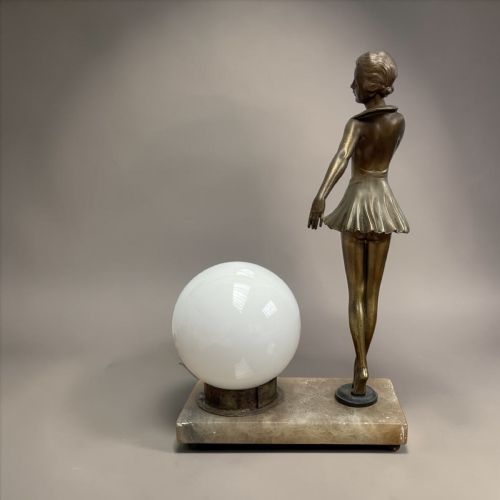
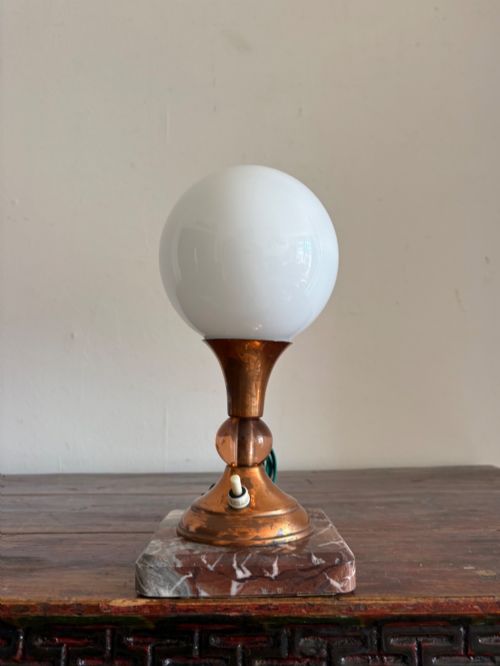
Lighting fixtures and clocks combine glass components such as opaline, crackle glass, and frosted crystal with heavy bases of white marble, granite, or onyx. Spelter and ormolu also appear frequently as primary structural or decorative elements for figural mounts and clock garnitures.
Materials recorded include opaline glass, white marble, brass, gilt bronze, spelter, and printed paper.
Assessing quality in manufacture
Quality in an antique french globe rests upon the precision of the cartography, the complexity of the housing, and the quality of the materials used in the mounting and base. Fine examples feature detailed, legible cartography by established makers mounted securely within calibrated brass or bronze meridians.
The distinction between standard and superior pieces also depends on the integration of the globe with its support structure, such as intricately cast ormolu mounts, heavy marble bases, or working clockwork and lighting mechanisms.
Lebegue and Cie·J. Forest·Henri de Magnac·Émile-Jacques Ruhlmann·Perry and Co
The Antique French Globe Glossary
- Terrestrial Globe
- A spherical map representing the earth. These items show geographical boundaries and place names relevant to the date of publication.
- Celestial Globe
- A sphere depicting the constellations and stars in the night sky. These instruments served both scientific and decorative purposes.
- Gore
- A tapering printed paper strip applied to a spherical core to form a map. Multiple gores align to cover the surface of a globe.
- Ormolu
- Gilded bronze applied as a decorative mount on furniture, clocks, and scientific instruments. This technique creates a rich golden finish.
- Spelter
- A zinc alloy used as a cost-effective substitute for bronze in figural bases and decorative mounts. It is frequently patinated to resemble darker metals.
Antique French Globe: Frequently Asked Questions
What is an antique french globe?
An antique french globe is a decorative or scientific sphere produced in France during the nineteenth or early twentieth century. These items include terrestrial and celestial globes, as well as complex mechanical globe clocks.
Such pieces reflect the cartographic standards and artistic tastes of their specific period of manufacture, ranging from nineteenth century scientific models to art deco designs.
How were globe clocks used?
Globe clocks served as functional timepieces and decorative status symbols for desks, libraries, and mantelpieces. They often incorporated mystery clock mechanisms or globe structures that rotated to indicate time or celestial movements.
Owners placed them in prominent rooms to display both their appreciation for horology and their interest in geography and astronomy.
How do I identify the period?
Identifying the period involves examining the materials, the geographical boundaries printed on the globe, and the overarching artistic style. Nineteenth century examples often feature heavy bronze mounts and detailed paper gores, while nineteen-twenties pieces show art deco styling with marble and opaline glass.
Maker signatures, dates printed on the gores, and structural elements like spelter or ormolu provide further chronological clues.
Are these globes still accurate?
The geographical information on antique terrestrial globes reflects the political boundaries and discoveries of the era in which they were printed. National borders, colonial territories, and place names will differ significantly from modern maps.
Collectors value this historical accuracy as a record of how the world was understood at the time of manufacture rather than as a modern navigational tool.
How do I care for a globe?
Caring for an antique globe requires protecting fragile paper gores and delicate glass or metal components from direct sunlight and moisture. Dusting should be done gently with a soft, dry cloth without chemical cleaners.
For pieces incorporating clocks or lighting, mechanical parts should be serviced by professionals experienced in handling antique mechanisms.