

Antique French Glazed Pottery
Antique French glazed pottery brings rich regional character and tactile warmth into an interior through centuries of earthenware, faience, and salt-glazed vessels.
Antique French Glazed Pottery
When searching for antique French glazed pottery, collectors encounter a diverse range of objects spanning from utilitarian kitchenware to highly decorative display items. The selection includes sturdy confit pots, oil jars, and water pitchers alongside painted faience vases, dishes, and figurative sculptures.
The material traditions stretch across multiple centuries, represented primarily through earthenware, ceramic, and terracotta creations. Pieces frequently showcase regional styles such as French provincial utility and intricate French faience painting.
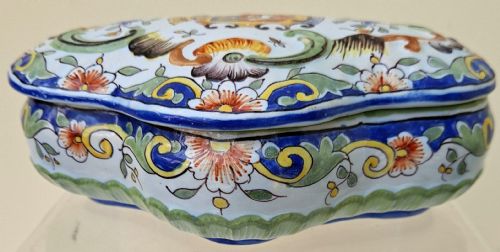
The forms vary widely in function, encompassing table lamps, trinket boxes, salt cellars, sauceboats, and large garden planters. Many surviving examples originate from notable production centres like Quimper, Desvres, Gien, and Nevers.
How they were made
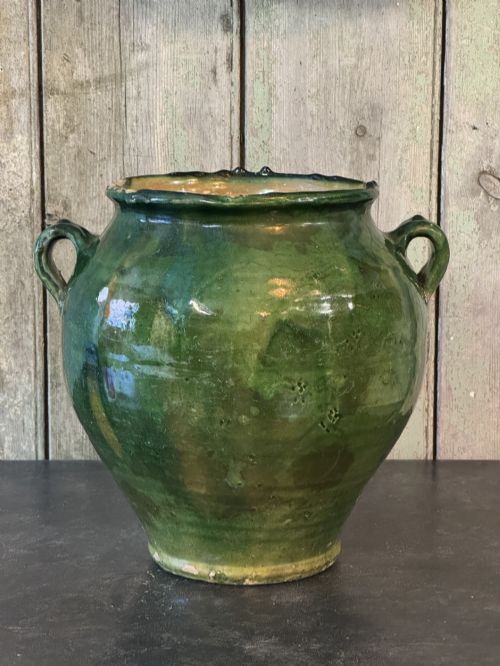
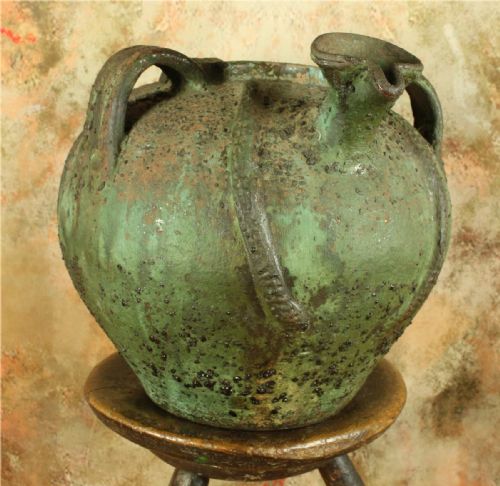
Potters shaped local clays by hand or on the wheel to form utilitarian vessels like olive jars, confit pots, and tian bowls, applying rich green, brown, or celadon lead glazes to waterproof the porous earthenware body.
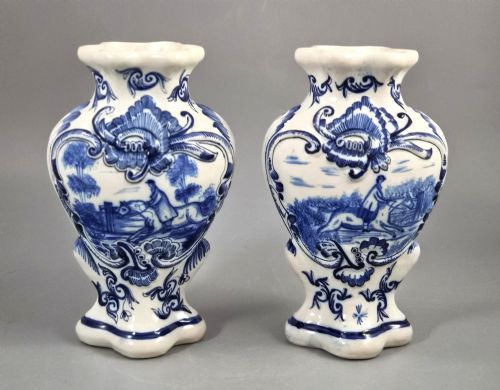
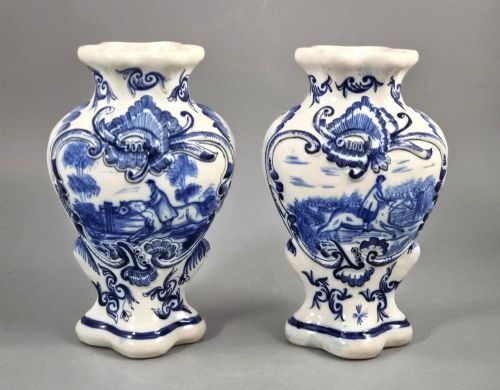
Faience production involved coating the ceramic base in an opaque tin glaze, which provided a smooth white ground for detailed hand-painted cobalt blue, manganese purple, and polychrome decorations before a final firing.
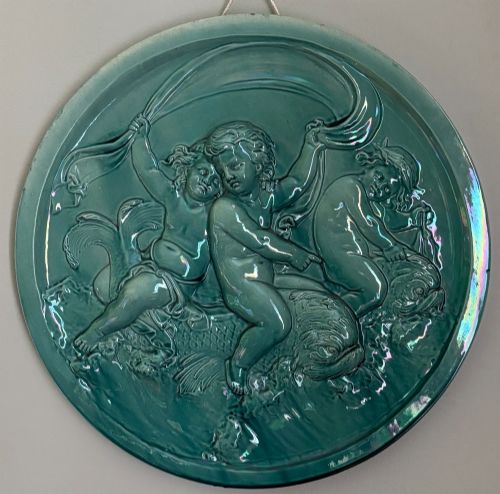
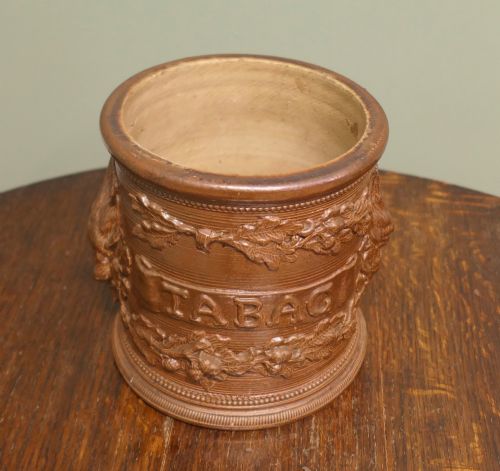
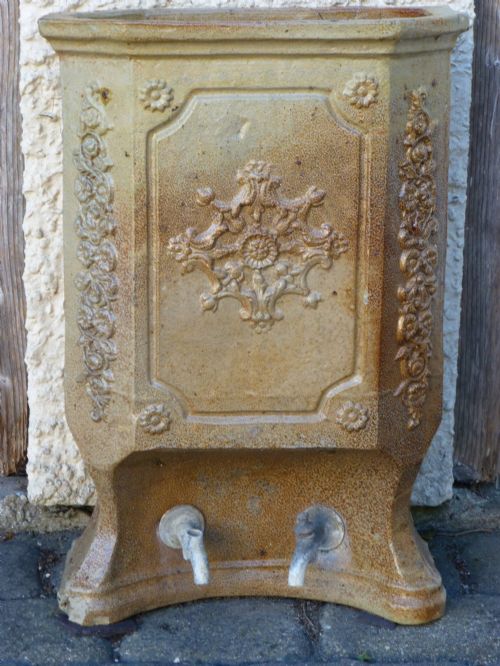
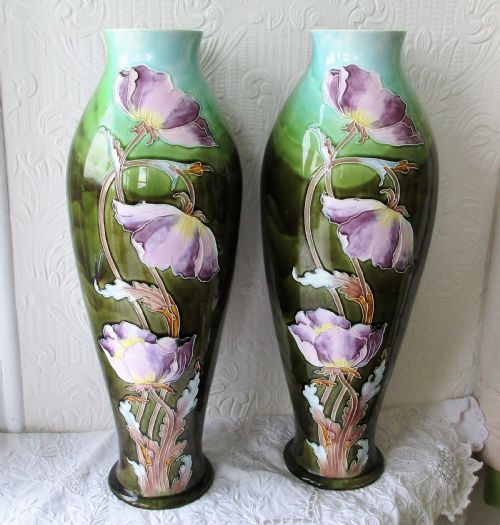
Specialised workshops also utilised salt glazing for dense stoneware items like water filtration fountains, and lustre techniques that imparted metallic sheens onto decorative jardinières and vases.
Antique French Glazed Pottery Retail Price Guide 2026
Typical asking prices for french glazed pottery among the pieces listed under this phrase on Sellingantiques today, from the lower quarter to the upper quarter. They describe what is for sale here now, not the wider market.
Listings feature eighteenth-century tin-glazed dishes alongside nineteenth-century earthenware confit pots and twentieth-century Art Deco pottery.
What varies in quality
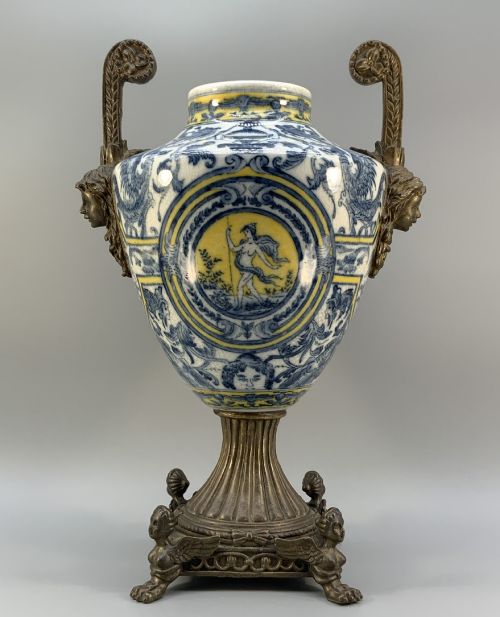
The artistic merit of the hand-painted decoration separates standard provincial wares from exceptional factory productions, with fine brushwork, complex mythological scenes, and crisp heraldic motifs commanding greater attention.
Glaze depth and consistency influence the visual impact of a vessel, distinguishing smoothly pooled tin glazes and rich drip-glazed surfaces from flat or unevenly fused finishes.
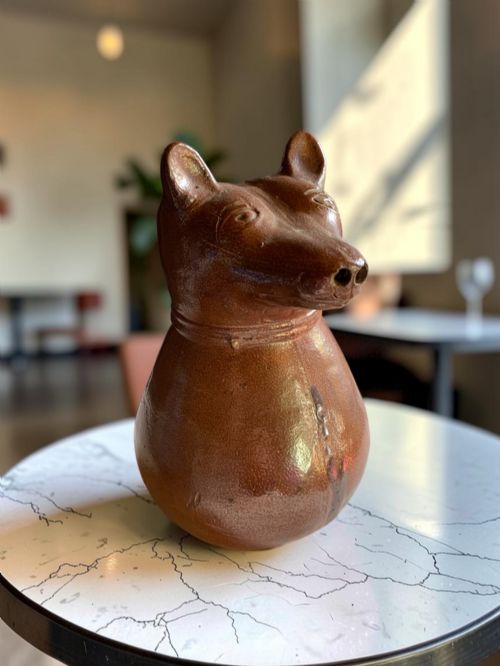
Structural complexity, such as the inclusion of intricate bronze mounts, applied figural handles, or modelled animal sculptures, marks pieces produced for affluent drawing rooms rather than everyday domestic service.
Fourmaintraux-Courquin·Berthe Savigny·Robert T Lallement·Clement Massier·Sarreguemines
The Antique French Glazed Pottery Glossary
- Faience
- Tin-glazed earthenware decorated with opaque colours over a white enamel background. This technique allowed French potteries to imitate expensive Chinese porcelain using local materials.
- Confit Pot
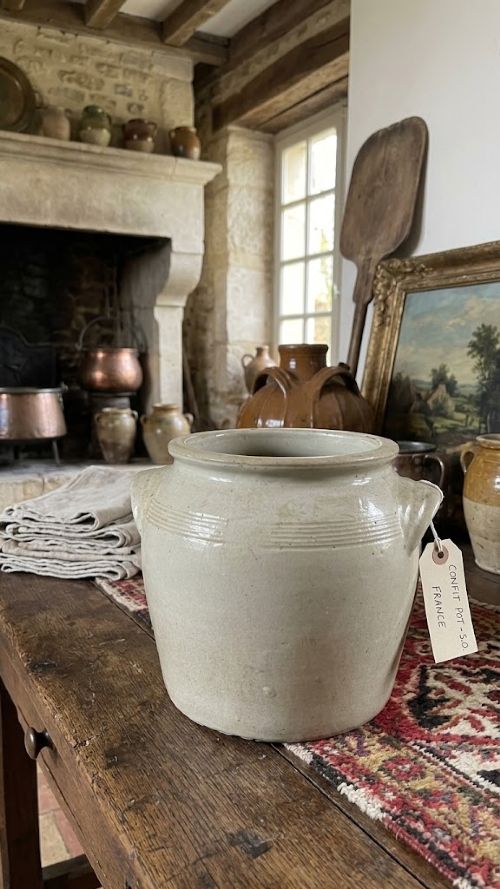
- A utilitarian glazed earthenware jar traditionally used in rural France for preserving meats and fats. These heavy vessels typically feature two loop handles and rich green or honey-coloured lead glazes.
- Tin Glaze
- A ceramic coating made by adding tin oxide to a lead glaze to create a white, opaque surface suitable for painting. It forms the technical basis for traditional European majolica and delftware.
- Terracotta
- Fired but unglazed or transparently glazed porous clay varying in colour from orange to dark brown. Sculptures and roof tiles from Normandy frequently utilise this tactile material.
- Stoneware
- A dense, impermeable pottery fired at high temperatures until the clay vitrifies. It requires no glaze for waterproof qualities, though salt is often introduced during firing to create a textured surface.
Antique French Glazed Pottery: Frequently Asked Questions
What is a French confit pot?
A confit pot is a traditional earthenware vessel used in provincial France for storing preserved meats in fat. They are easily identified by their deep, rounded bodies, two side handles, and rich green or yellow glazes.
Today, these jars function primarily as decorative planters, umbrella stands, or sculptural floor pieces in rustic and contemporary interiors alike.
How do I clean antique glazed pottery?
Antique ceramics require gentle maintenance using warm water and a mild, non-abrasive soap. Avoid submerging pieces with old repairs or unglazed bases for extended periods to prevent moisture damage.
Dry the item thoroughly with a soft cloth and keep it away from direct sunlight or sudden temperature shifts to protect the historic glaze.
What is the difference between earthenware and stoneware?
Earthenware is fired at lower temperatures, leaving the clay body porous and requiring a glaze to hold liquids. It forms the base for traditional painted faience and rustic confit pots.
Stoneware is fired much hotter until the material vitrifies and becomes completely impermeable on its own, resulting in heavy, durable utility vessels like water filtration fountains.
Where was French faience made?
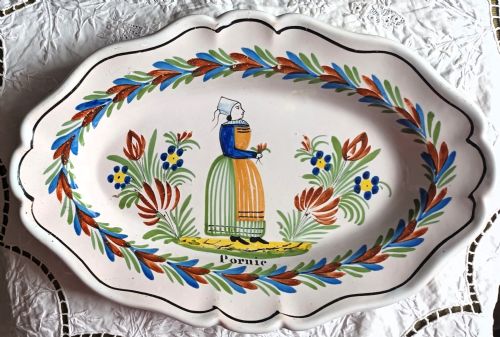
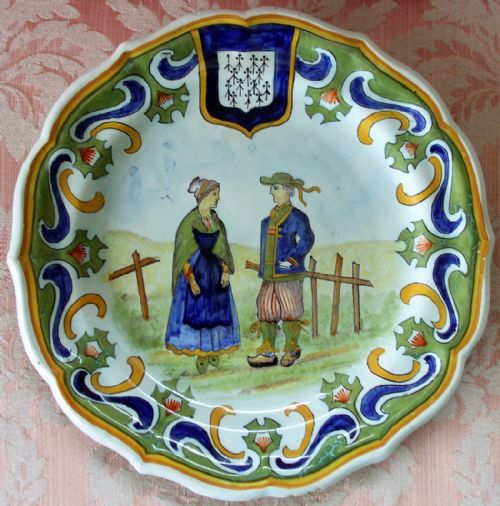
Faience production centred around historic pottery towns such as Quimper in Brittany, Desvres in the north, and Nevers along the Loire river. Each region developed distinct colour palettes and painting styles.
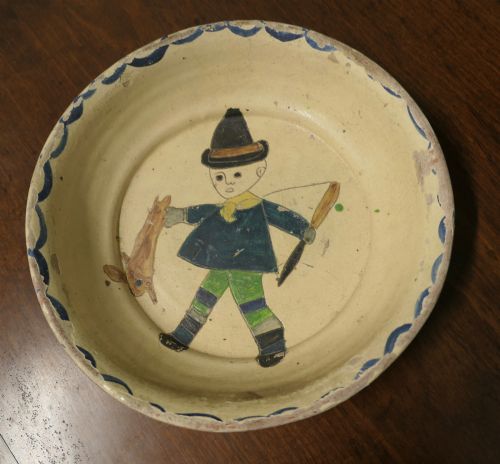
Quimper pieces often feature folkloric figures in regional costume, while Nevers workshops specialised in elaborate blue and white floral and historical designs.
Are antique ceramic figurines functional?
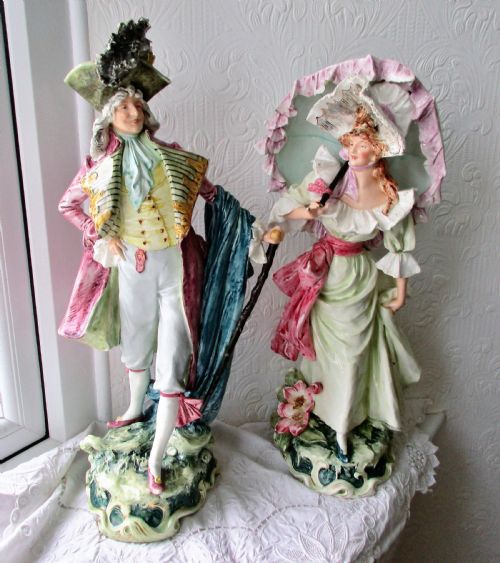
Antique French ceramic figures, animals, and trinket boxes served primarily as decorative ornaments or small storage containers for dressing tables. Examples include figural salt cellars and vide-poche dishes.
Displaying these sculptural pieces on mantelpieces or shelves brings a touch of historic charm and folk art character to living spaces.