



Antique French Flower Stand
An antique french flower stand brings botanical display indoors through decorative ironwork, fine timber and gilded mounts.
Antique French Flower Stand
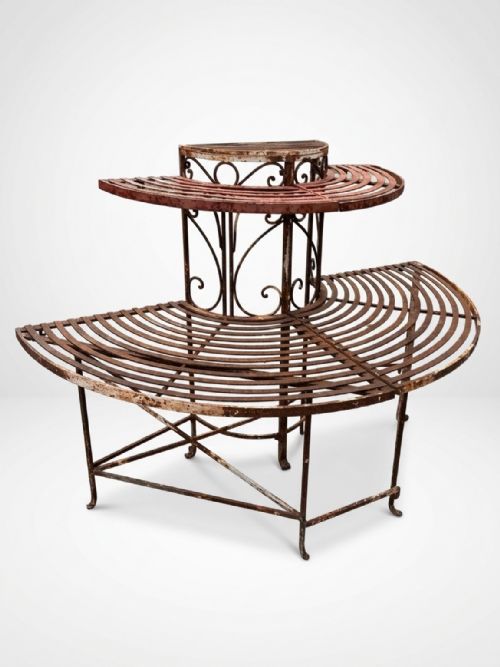
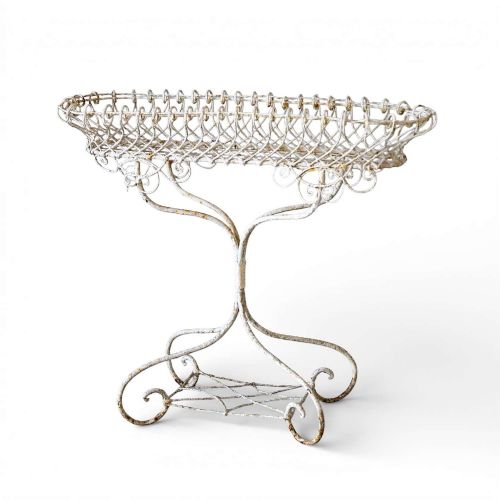
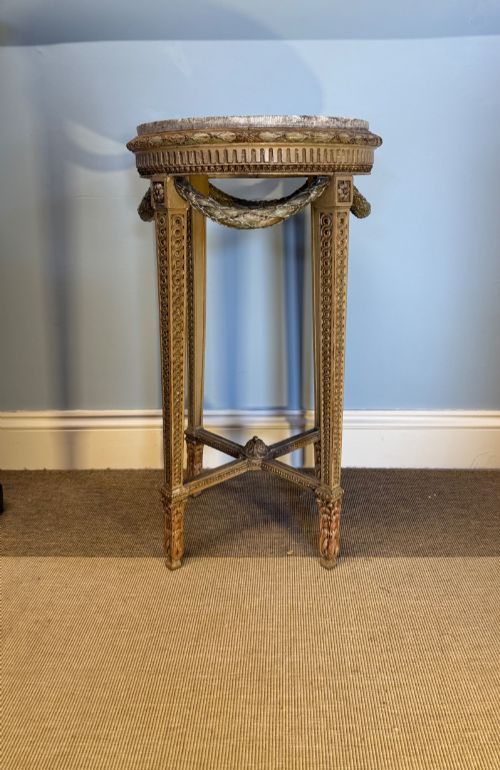
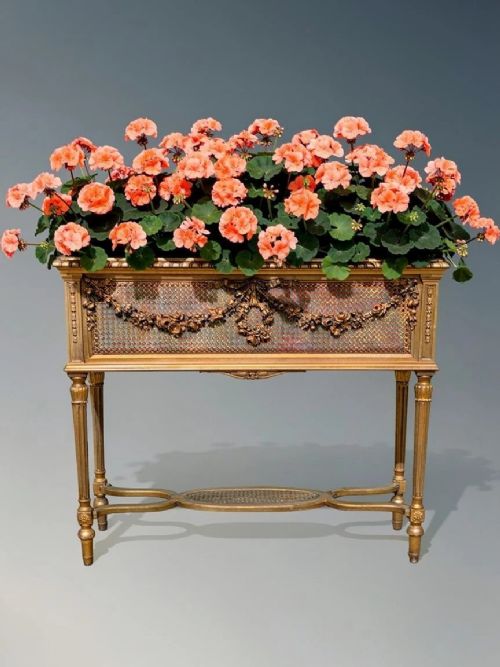
When you search for an antique french flower stand, you encounter a variety of jardinieres, plant stands, and occasional tables designed to display flora within domestic interiors. These pieces frequently take the form of floor-standing jardiniere planters, pedestal tables, and multi-tiered stands intended to hold pots or cut flowers.
Materials and construction methods
The construction of these pieces relies on a combination of robust structural metals and refined cabinet timbers. Workshops utilised wrought iron, cast brass, and ormolu alongside hardwoods including mahogany, walnut, satinwood, and kingwood.
Surface treatments and decorative additions involve marble tops, giltwood carving, ebonising, and painted finishes. Many jardinieres incorporate zinc or brass inserts to protect the underlying woodwork or metal structure from moisture.
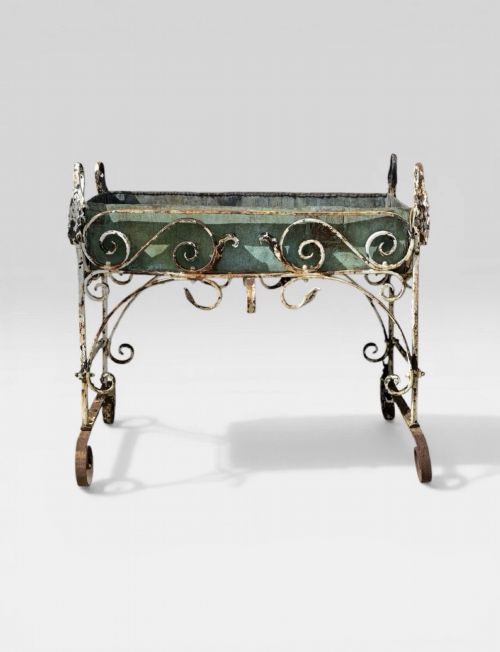
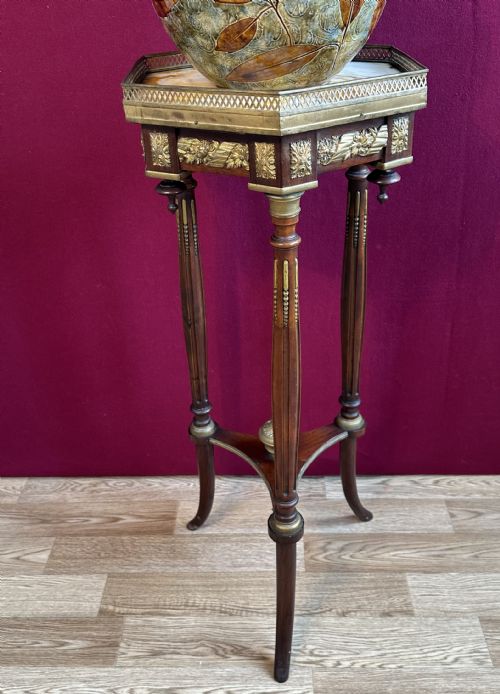
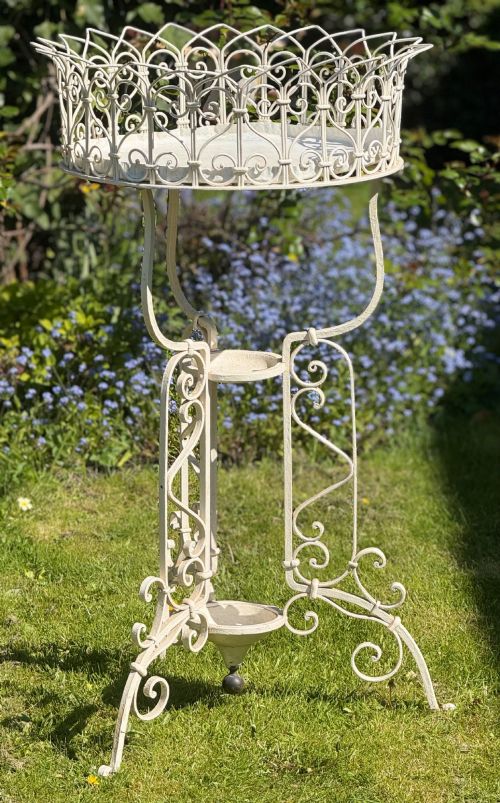
The inventory combines nineteenth-century wrought iron garden urns with refined mahogany and kingwood parlour jardinieres.
Judging quality and craftsmanship
Quality rests upon the crispness of metal casting, the precision of marquetry inlay, and the structural integrity of the frame. Finer examples display hand-chiseled brass mounts, carefully selected timber veneers, and substantial marble or onyx slabs rather than thinner substitutes.
The articulation of decorative details, such as scrollwork on iron planters or giltwood carving on pedestal supports, distinguishes workshop output. Original metal liners and well-preserved surface patination further elevate the standing of a piece.
The Antique French Flower Stand Glossary
- Jardiniere
- A decorative ornamental pot or stand designed to hold plants or flowers indoors. They often feature removable metal liners to catch drainage water.
- Ormolu
- Gilded bronze used for decorative mounts and ornamentation on furniture and stands. This technique was prevalent in French decorative arts.
- Giltwood
- Wood that has been coated with a thin layer of gold leaf or gold paint. It provides a bright, reflective surface popular in classical revival styles.
- Marquetry
- The art of applying pieces of veneer to a structure to form decorative patterns. Craftsmen utilised various exotic woods to create intricate surface designs.
Antique French Flower Stand: Frequently Asked Questions
What is an antique french flower stand?
An antique french flower stand is a decorative furnishing designed to elevate plants, pots, or floral arrangements inside the home. These pieces function as structural plant holders, jardinieres, or small display tables.
They emerged from various periods across the nineteenth and early twentieth centuries, reflecting changing interior tastes. Their primary purpose was to integrate living botany into formal reception rooms and parlours.
How were these stands used originally?
In period interiors, these stands held potted palms, flowering plants, or floral centrepieces in drawing rooms and conservatories. Many included waterproof liners to protect fine timber surfaces from damp soil.
They also served as decorative occasional tables or torchere stands for illuminating dark corners. Their placement added both vertical interest and botanical life to domestic spaces.
How do I tell different French revival styles apart?
French revival styles on these stands draw from distinct historical periods of design. Louis XVI pieces feature straight tapered legs, neoclassical urn motifs, and symmetrical ornamentation.
By contrast, Rococo revival designs display asymmetrical scrolling, floral swags, and curved contours. Examining the leg profiles, mount designs, and carving details clarifies the specific stylistic influence.