

Antique French Earthenware
Antique French earthenware brings together centuries of regional pottery, from tin-glazed tablewares to heavy green-glazed storage jars, valued for their hand-shaped character.
Antique French Earthenware
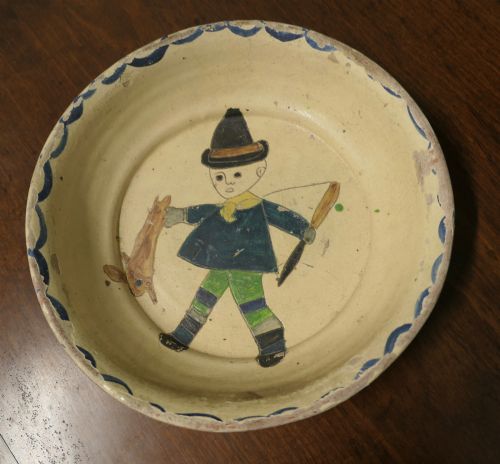
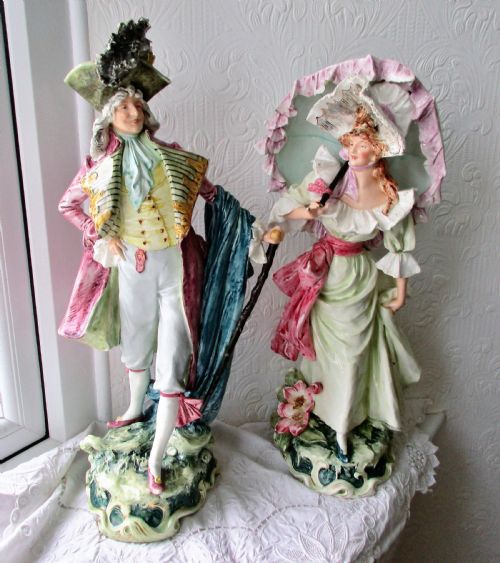
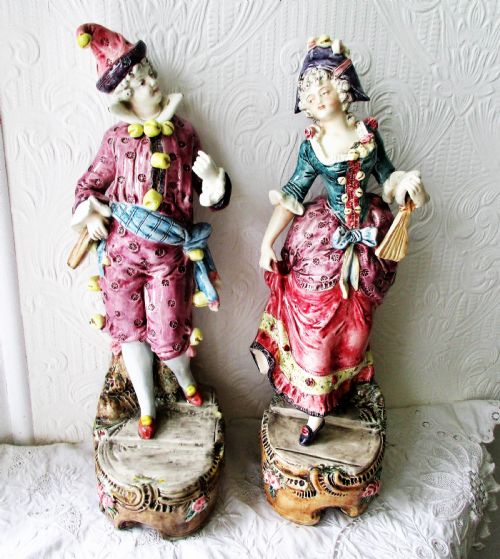
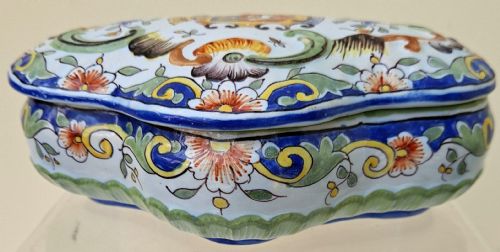
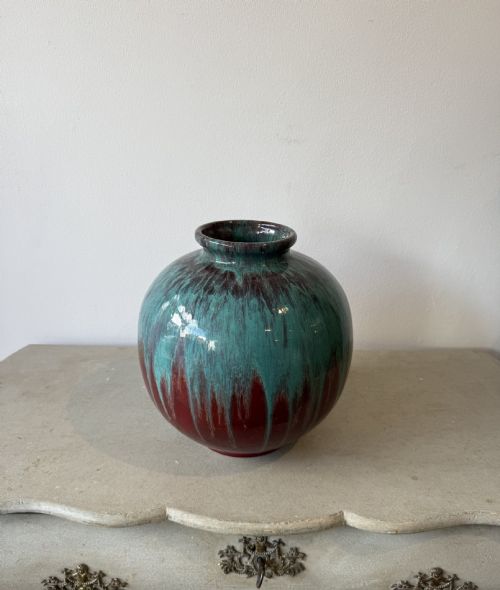
Antique french earthenware encompasses a diverse array of ceramics produced across various regions and centuries, appearing in forms designed for both utility and display. Buyers encounter everything from large utilitarian dairy bowls and oil jars to decorative vases, chargers, and figurines.
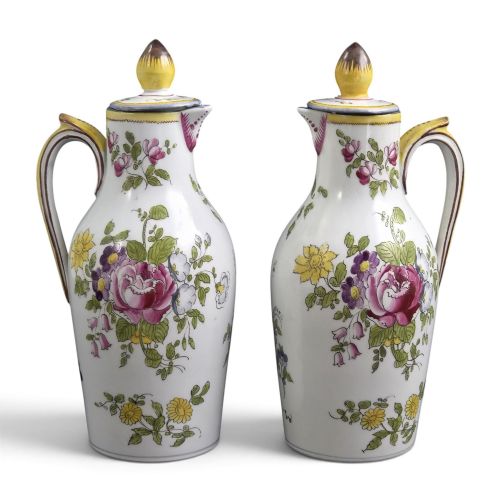
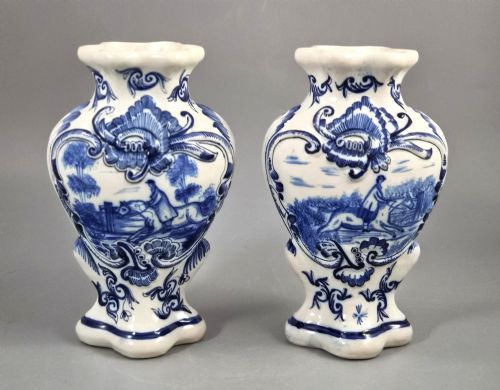
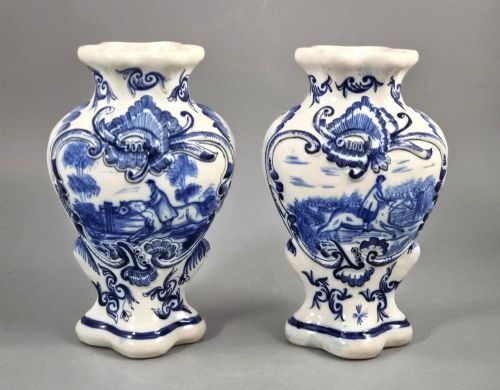
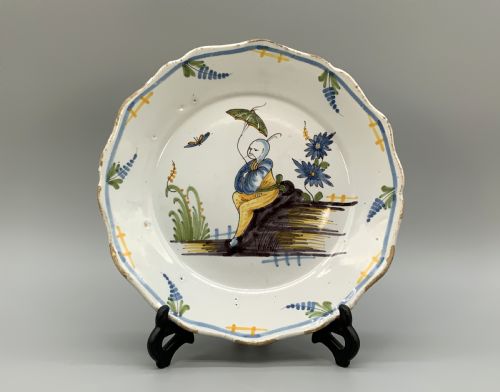
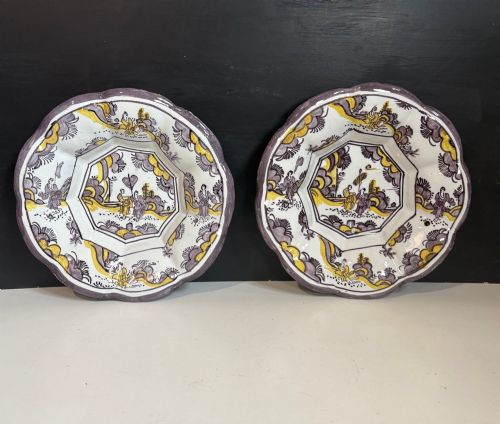
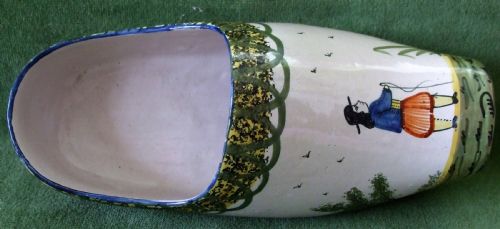
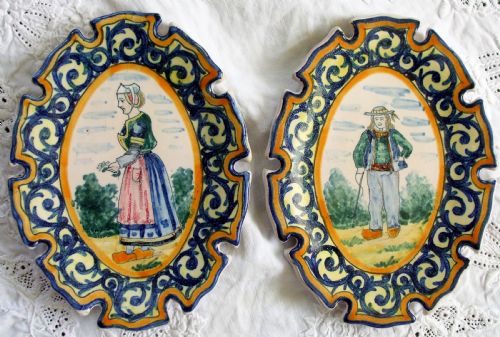
The selection ranges from eighteenth-century tin-glazed dishes and faience oil jugs to nineteenth-century terracotta confit pots and twentieth-century art deco pottery. Regional centres such as Quimper, Desvres, and Nevers contribute distinct styles, including traditional blue and white painting and vibrant manganese decoration.
How they were made
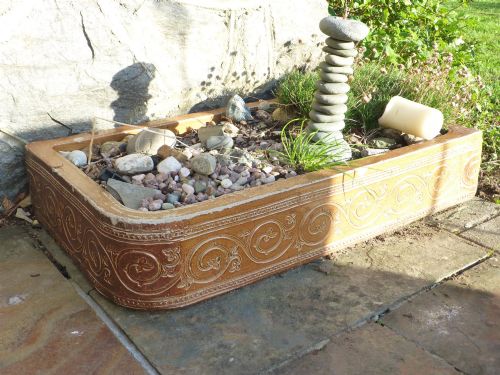
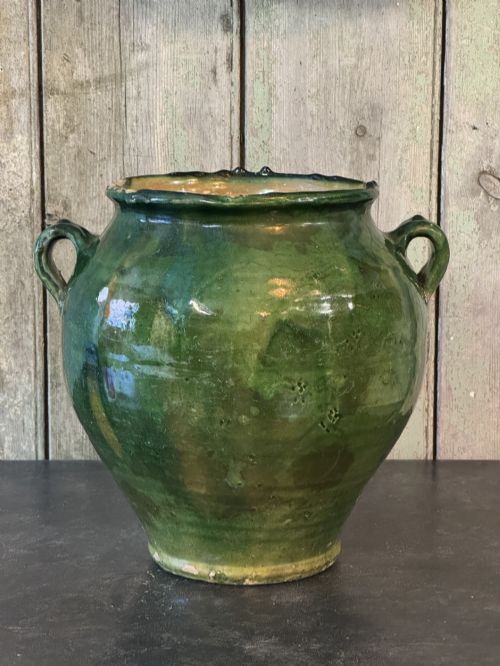
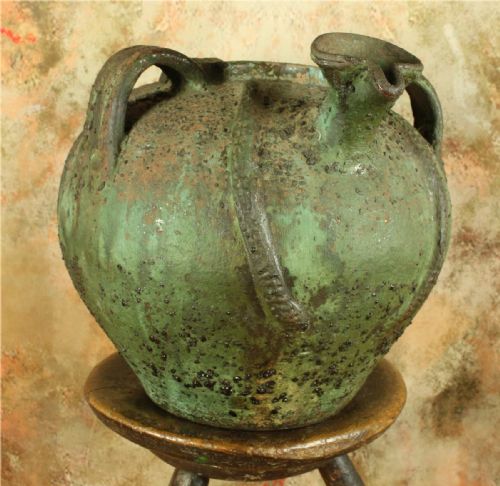
Potters shaped these vessels using earthenware clay, terracotta, and faience bodies, often finished with tin-glaze, salt glaze, or rich green lead glazes. Many utilitarian storage vessels and garden planters received interior glazing to ensure watertight practicality while leaving the exterior porous or simply washed.
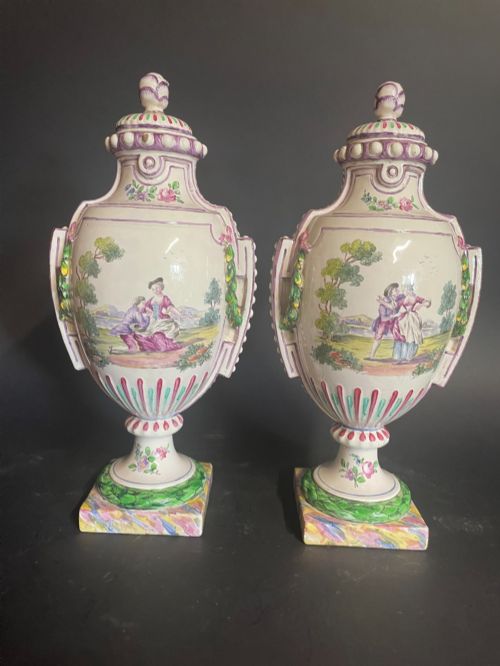
Decoration relied heavily on hand-painted pigments, particularly manganese, blue, and yellow on tin-glazed surfaces, alongside moulded relief work for figurative pieces and architectural planters. Firing techniques varied from traditional kiln methods to specialised lustre finishes developed in later periods.
Antique French Earthenware Retail Price Guide 2026
Typical asking prices for french earthenware among the pieces listed under this phrase on Sellingantiques today, from the lower quarter to the upper quarter. They describe what is for sale here now, not the wider market.
Listings feature nineteenth-century and eighteenth-century earthenware, incorporating tin-glazed faience, terracotta confit pots, and art deco ceramic vessels.
What varies in quality
Quality rests primarily on the clarity and crispness of the hand-painted decoration, the control of the glaze during firing, and the overall integrity of the ceramic body. Pieces from established workshops demonstrate finer brushwork and more precise execution in moulding than standard utilitarian wares.
The depth of the glaze and the preservation of original painted or lustred surfaces distinguish exceptional examples from simpler regional output. Age and historical attribution to specific potteries also influence the standing of an individual piece.
Veuve Perrin Marseille·Guichard Carriès·Fourmaintraux Courquin Desvres·Sceaux·HB Quimper·Nevers·Robert T Lallement·Choisy le Roi·Sarreguemines·Clement Massier
The Antique French Earthenware Glossary
- Earthenware
- A porous ceramic body fired at lower temperatures, requiring a glaze to hold liquids. It forms the foundation of traditional regional French pottery.
- Faience
- Tin-glazed earthenware decorated with opaque white glazes and painted pigments. This technique produced the intricate plates and vases characteristic of French pottery centres.
- Confit Pot
- A heavy earthenware jar featuring internal or partial green glazing, originally utilised in rural kitchens for preserving meats. These vessels now serve widely as decorative floor and garden pots.
- Tin Glaze
- An opaque white glaze containing tin oxide, providing a smooth canvas for hand-painted cobalt blue, manganese, and polychrome designs. It defines much of eighteenth-century tableware.
- Terracotta
- Unglazed or partially glazed baked red clay used extensively for large garden pots, olive jars, and dairy bowls. Its warm reddish hue responds well to weathering.
Antique French Earthenware: Frequently Asked Questions
What is antique French faience?
Antique French faience refers to tin-glazed earthenware decorated with painted designs over an opaque white surface. These pieces range from eighteenth-century chargers to nineteenth-century vases.
Production centred in specific towns like Quimper, Nevers, and Desvres, each developing distinct colour palettes and regional motifs.
How were confit pots used?
Confit pots were heavy earthenware storage vessels utilised in rural French kitchens for preserving duck, pork, or other meats in fat. Their interiors featured dense green or clear glazes to prevent oil seepage.
Today, collectors appreciate these jars for their robust terracotta bodies and simple, functional forms suited to interior display.
Are these ceramics waterproof?
Most antique earthenware and faience pieces have porous clay bodies sealed with glazes, but older glazes can develop fine micro-crazing over time. Utilitarian vessels like confit pots and oil jugs held liquids originally, but delicate decorative vases should be handled with care.
Using a modern inner liner is advisable if you intend to display fresh flowers in antique vases.