

Antique French Decorative Arts
These antique french decorative arts span bronze, glass, and carved wood to bring tactile French craftsmanship into everyday rooms.
Antique French Decorative Arts
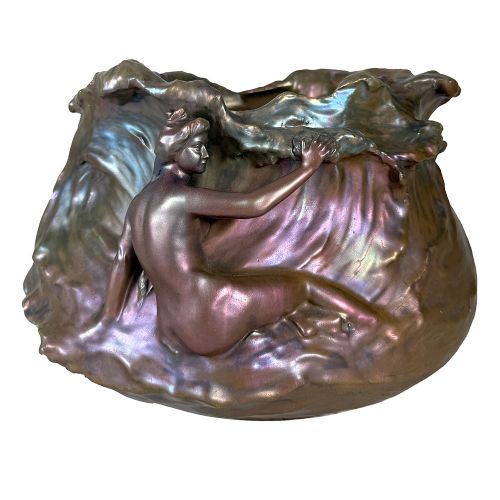
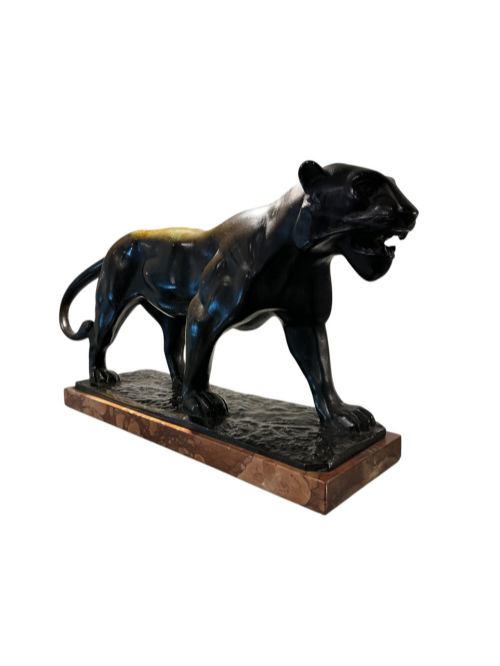
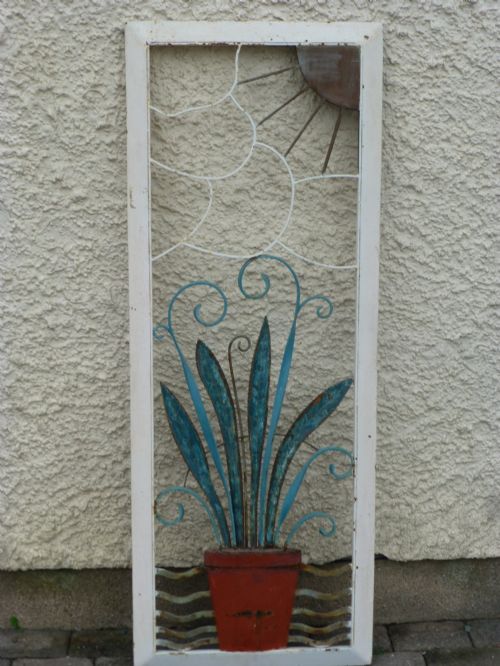
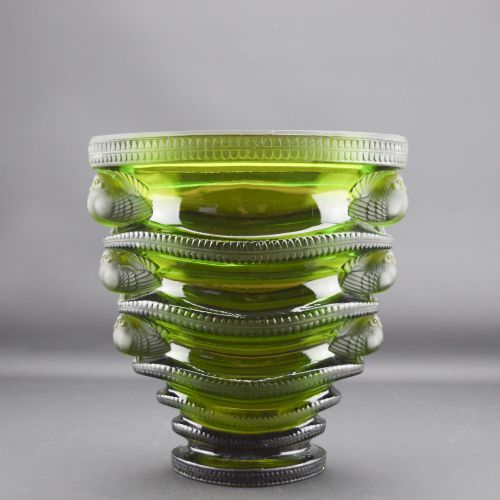
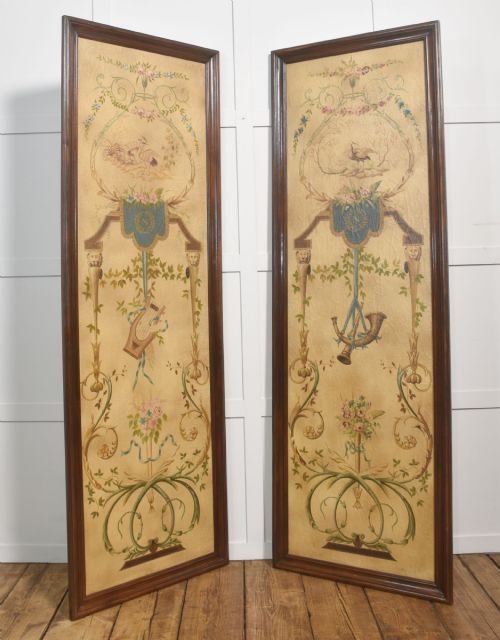
Antique french decorative arts cover a broad mix of utilitarian objects and pure ornamentation, ranging from bronze sculptures and painted wall panels to cameo glass vases and architectural ironwork.
The pieces on this page lean heavily into the twentieth century, bringing together Art Nouveau fluidity, Art Deco geometry, and nineteenth-century revival styles.
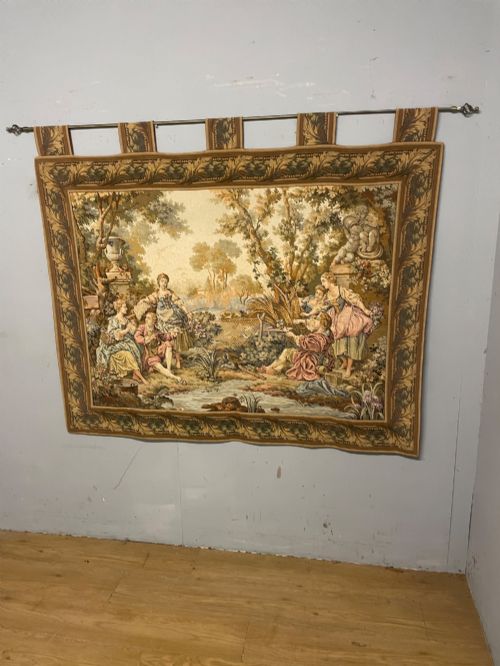
Buyers frequently encounter lighting, mantel clocks, and ceramic vessels alongside textile wall art and garden salvage, reflecting the diverse output of French makers and workshops.
How they were made
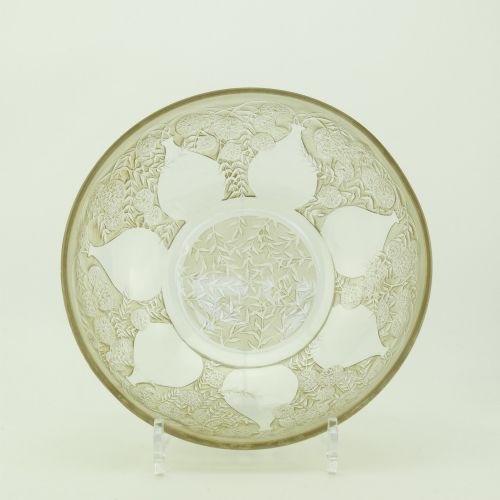
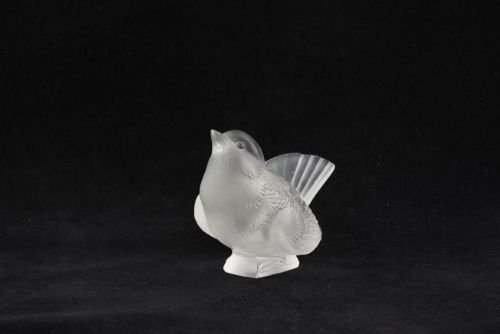
Makers shaped these items using traditional foundry casting for bronzes and brass, alongside acid-etching and cameo layering for decorative glass vessels.
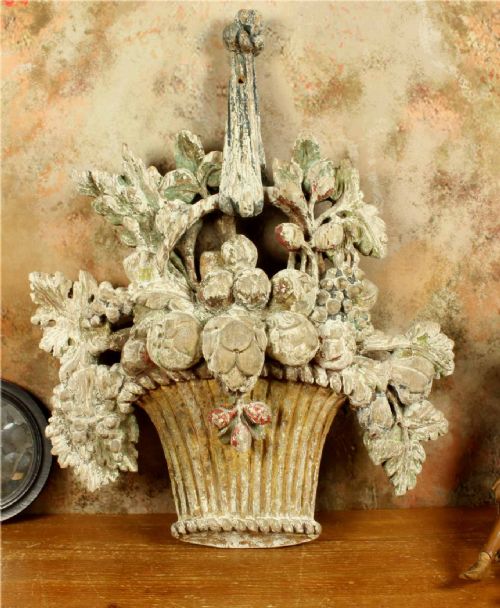
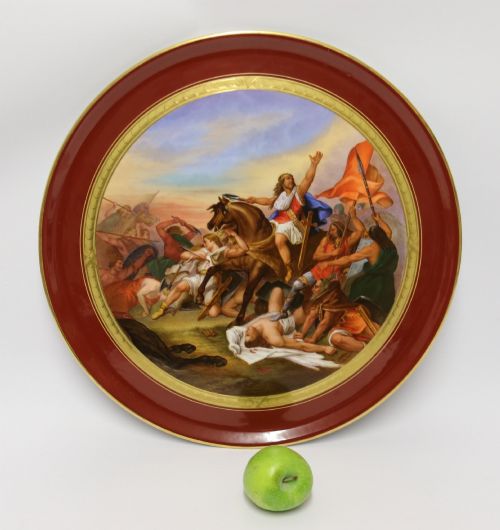
Carved wooden architectural elements and hand-painted porcelain chargers demonstrate foundational hand skills applied across furniture, wall art, and tableware.
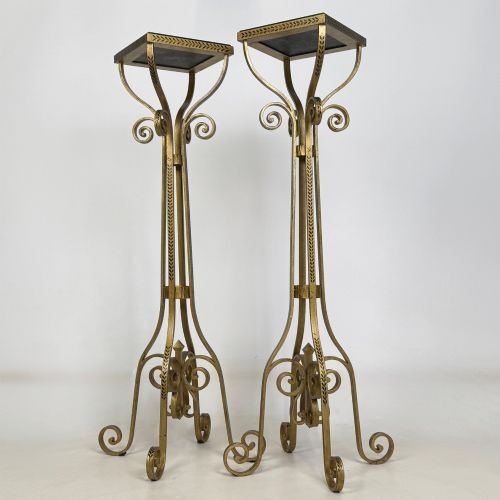
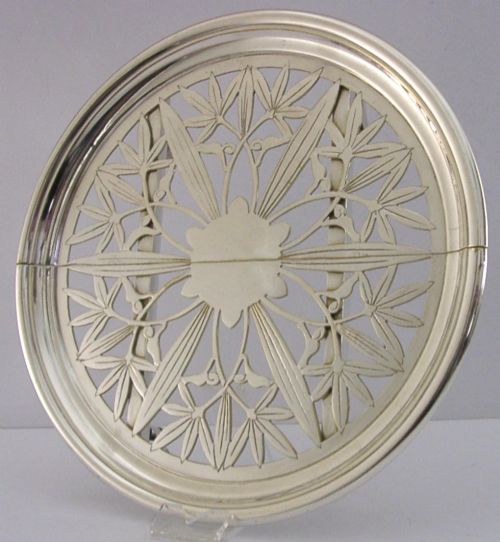
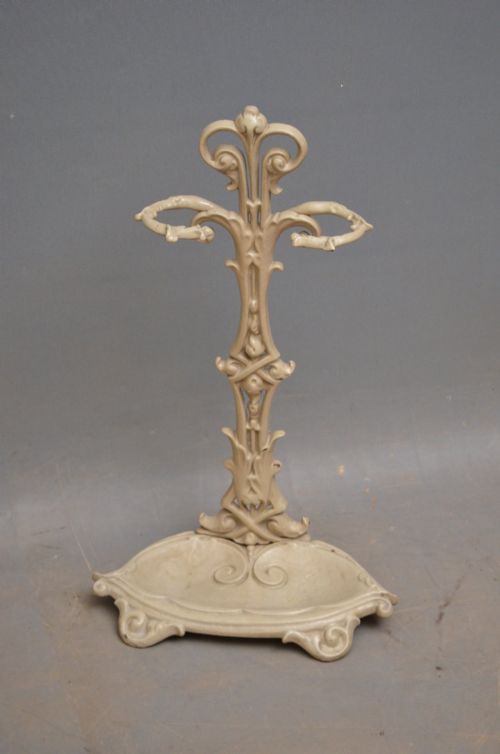
Silver-plating, enamelling, and wrought iron manipulation complete the material repertoire seen across the inventory.
One unexpected piece is a child's walking stick cane from the nineteenth century.
What varies in quality
Quality rests on the crispness of the casting in metalwork and the depth of acid-cutting or layering in cameo glass pieces.
Hand-painted ceramics and canvas panels separate ordinary production from superior examples through brushwork control and compositional harmony.
The integrity of patination on bronze and weathered iron dictates whether a surface retains its authentic visual depth.
Rene Lalique·Daum Freres·Henri Godet·Galle·Christofle·Legras·Raymond Subes
The Antique French Decorative Arts Glossary
- Cameo glass
- Glass vessels formed with multiple layers of different colours, acid-etched or carved to create a raised design. This technique reached its zenith during the Art Nouveau period.
- Garniture
- A set of matching decorative objects, typically a mantel clock flanked by two matching urns or vases. They were designed to sit symmetrically on a fireplace mantel.
- Faience
- Tin-glazed earthenware produced in France, known for its opaque white background and hand-painted polychrome decoration. It bridges traditional folk art and refined ceramics.
- Grisaille
- A painting executed entirely in monochrome shades of grey, usually to imitate sculpture or relief carving. Artists utilised this technique on panels and wall hangings.
- Chiaroscuro
- An artistic effect contrasting light and shadow to create dramatic volume in paintings. This approach defines many tavern and figure scenes from the nineteenth century.
Antique French Decorative Arts: Frequently Asked Questions
What defines Art Nouveau design?
Art Nouveau items embrace asymmetrical organic lines, floral motifs, and sinuous curves inspired by natural forms. This style dominates much of the glass, bronze, and lighting from the turn of the twentieth century.
Makers utilised this aesthetic to soften domestic interiors, creating flowing movement across vases, lamps, and architectural fixtures.
How do I display a clock garniture?
Clock garnitures work best placed centrally on a mantelpiece, sideboard, or console table. The central clock anchors the arrangement while the flanking urns or vases create visual balance.
Keep the surrounding surface clear to let the matching materials and architectural silhouettes stand out properly.
Where were cameo glass vases made?
Cameo glass production concentrated heavily in France, particularly around workshops in Nancy associated with glass innovators. These pieces required meticulous layering of coloured glass before acid cutting.
The resulting landscapes and floral designs established a benchmark for turn-of-the-century decorative glass.
How are painted panels used today?
Painted decorative panels and canvas wall art serve as statement wall hangings or architectural inserts. They bring historical narrative and colour into modern living spaces without dominating the room.
Secure them to flat walls or mount them within period rooms to replicate traditional French interior schemes.