
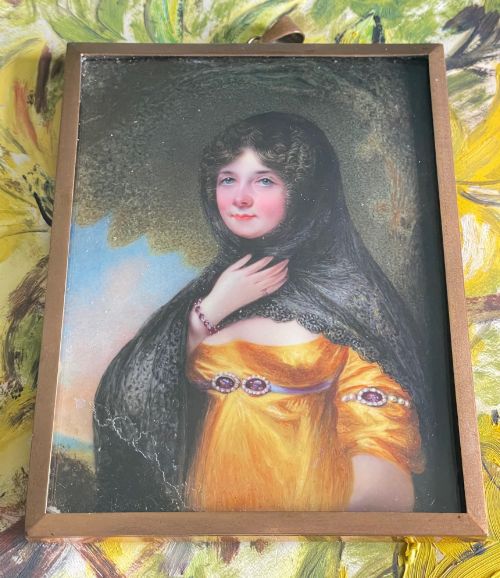


Framed Enamel Artwork
Framed enamel artwork brings together rich pigments fired on metal and protected by glass, offering miniature portraits and wall plaques from centuries past.
Framed Enamel Artwork
When you search for framed enamel artwork, you encounter portrait miniatures and wall plaques executed on copper or porcelain bases. These pieces span periods from the early eighteenth century through the Regency era and into the twentieth century, reflecting styles such as Georgian, French Baroque, and Renaissance Revival.
The most common examples on this page are rectangular or circular plaques and portrait miniatures housed in wood, gilt metal, or brass frames. Subjects range from individual sitters like Mrs Barnard and Prince Charlotte to maritime scenes and classical copies.
Origin points visible in the listings include Limoges and Vienna, alongside British portraitists working in enamel. Wall art and framed plaques form the bulk of the selection, usually designed for intimate interior display.
How they were made
Enamel artwork relies on fusing powdered glass to a metal or porcelain substrate through high-temperature firing. Copper serves as the primary metal base for many plaques and paintings, while other pieces utilise porcelain supports.
Frames are constructed from wood, gilt metal, and brass to house and protect the enamel surface under glass. Polychrome enamels require multiple firings to fix distinct colour layers before final mounting.
Object types seen across the inventory include portrait miniatures, wall plaques, and broader wall art categories.
What varies in quality
The sophistication of the mounting and frame integration also dictates value, with heavy gilt metal or custom wood surrounds matching the period of the artwork. Firing flaws and pitting distinguish hurried output from masterwork plaques.
Horace Hone·Stinton·Samson·Henry Pierce Bone
The Framed Enamel Artwork Glossary
- Enamel
- A glassy substance fused to metal or porcelain through heat. It provides a durable, glossy surface for detailed painting.
- Portrait miniature
- A small, highly detailed painting, often on enamel or ivory. These portable likenesses were popular for personal keeping.
- Limoges
- A French city renowned for enamel production. Artisans there produced plaques and vessels using specialised techniques across several centuries.
- Polychrome
- Decorated in multiple colours. This technique allows for rich pictorial detail on small surfaces.
Framed Enamel Artwork: Frequently Asked Questions
What is framed enamel artwork?
Framed enamel artwork consists of painted glass powder fused to metal or porcelain bases, then mounted behind glass in wood or metal frames.
These pieces function primarily as wall plaques or intimate portrait miniatures from historical periods.
How were they displayed?
Historically, portrait miniatures and small wall plaques hung in private rooms or sat on furniture surfaces for close inspection.
The protective wooden and gilt metal frames ensured the fragile enamel surfaces remained secure from damage.
How do I identify the period?
Period identification relies on the sitter's costume, the framing style, and the manufacturing characteristics recorded in the piece.
Regency and Georgian pieces often feature specific portrait styles, whereas Limoges plaques carry distinct regional traits.
What are Limoges enamels?
Limoges enamels originate from the French centre famous for producing painted plaques on copper supports.
Examples on this page date from the early eighteenth century through the nineteenth century.