
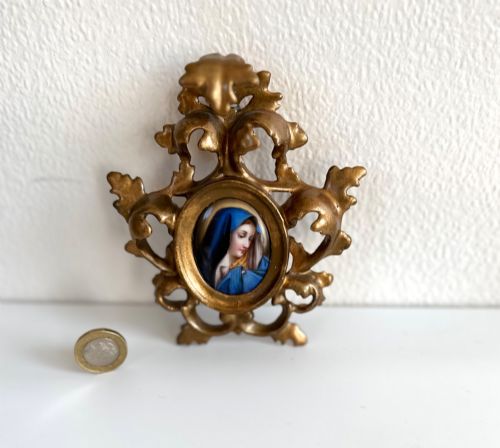


Antique Enamel Miniature Plaque
An antique enamel miniature plaque is a small, hand-painted work of art that brings rich colour and fine detail into any room.
Antique Enamel Miniature Plaque
An antique enamel miniature plaque is a small decorative or portrait piece designed for display or mounting. You will frequently encounter 18th century and 19th century examples, often featuring hand-painted scenes, portraits or religious subjects.
The selections on this page include oval and rectangular shapes, mounted in frames or integrated into boxes and table mirrors. Many originate from English workshops like South Staffordshire or French centres such as Limoges.
Makers and artists applied meticulous detail to small surfaces, capturing subjects ranging from classical figures to literary narratives. These works reflect stylistic revivals including Victorian Rococo, Renaissance, and French decorative traditions.
How they were made
Craftsmen typically applied vitreous enamel powders onto copper or porcelain bases before firing them in a kiln to fuse the coloured glass surface. This technique allowed makers to achieve permanent, luminous pigments that resist fading over time.
Mountings and frames often incorporate gilt metal, brass, or ormolu, while some pieces utilise wooden or gilded wood surrounds. Artisans combined metalwork and painting to create finished decorative objects and portable portraits.
Listings feature 18th Century, 19th Century, Victorian, and Regency periods, alongside materials such as copper, porcelain, ormolu, and gilt metal.
What varies in quality
The quality of the surrounding mount, whether cast ormolu, gilt metal, or custom wood framing, contributes significantly to the overall presence of the object. Heavier, more detailed mountings indicate higher workmanship.
Henry Pierce Bone·F. Bienvue·Samson
The Antique Enamel Miniature Plaque Glossary
- Enamel
- A glassy substance fused to a metal or porcelain base by firing at high temperatures. It provides a durable and glossy coloured surface.
- Ormolu
- Gilded bronze or brass used for decorative mounts and furniture ornamentation. It became popular for framing luxury French decorative items.
- South Staffordshire
- An English region famous for producing enamels on copper during the eighteenth century. These works often adorned small boxes and plaques.
- Limoges
- A French city renowned for its enamel and porcelain production. Pieces from this area frequently feature painted portraits and mythological scenes.
- Portrait Miniature
- A small, highly detailed painting depicting a specific person. They were often worn as jewellery or kept as private keepsakes.
Antique Enamel Miniature Plaque: Frequently Asked Questions
How were these plaques originally displayed?
Many of these small works were set into desk accessories, snuff box lids, or small frames for domestic interiors. Others were mounted as wall art or incorporated into portable mirrors.
Over time, owners have re-framed some pieces or mounted them specifically for wall display to better appreciate the painted detail.
What is the difference between enamel and porcelain plaques?
Enamel plaques involve fusing powdered glass directly onto a metal base such as copper, resulting in a distinct glossy sheen and metallic backing. Porcelain plaques utilise a ceramic clay base which is fired and painted separately.
Both materials allowed artists to achieve remarkable miniature detail, though their weight and structural composition differ noticeably.
How do I care for antique enamel?
Keep these delicate objects away from direct sunlight and high humidity to protect the pigments and metal mounts. Dust them gently with a soft, dry cloth without applying any cleaning liquids.
Because the glassy surface can chip upon impact, handle the pieces carefully by their frames rather than the painted edges.
Are these pieces signed by the artist?
Some works bear signature marks, monograms, or attribution details on the reverse or near the edge of the painted surface. Others remain unsigned, which was common practice in regional workshops and earlier production periods.
Stylistic comparison and subject matter often help identify the probable period and origin when a signature is absent.