



Antique French Charm
Antique french charm encompasses delicate gold pendants, religious medals, and decorative objects spanning the eighteenth to the twentieth centuries.
Antique French Charm
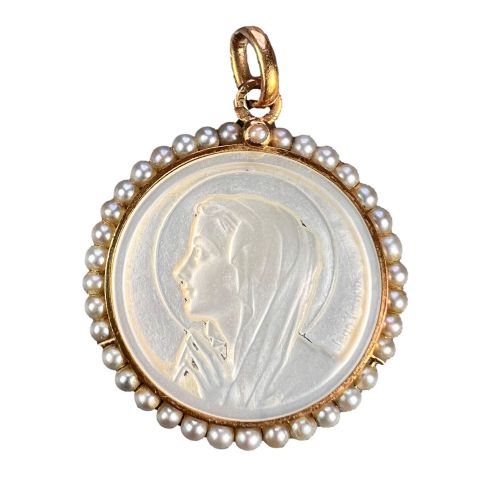
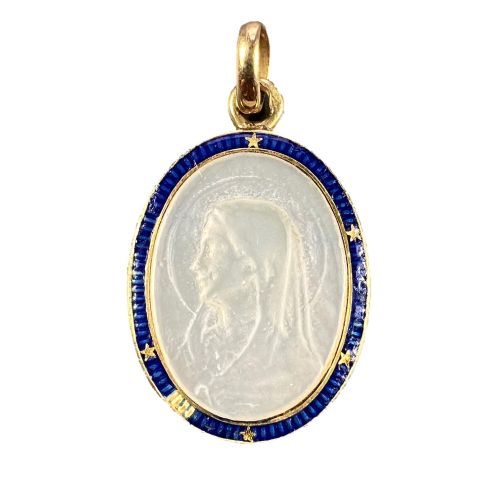
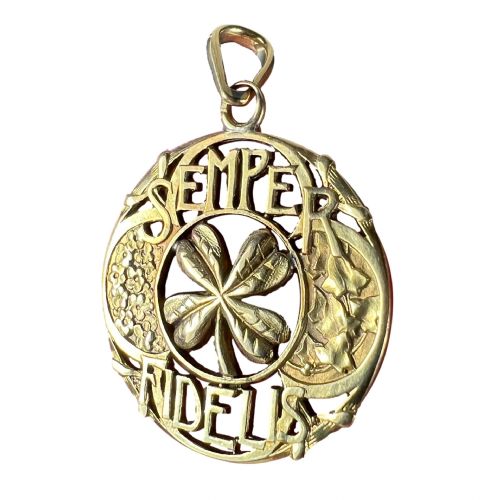
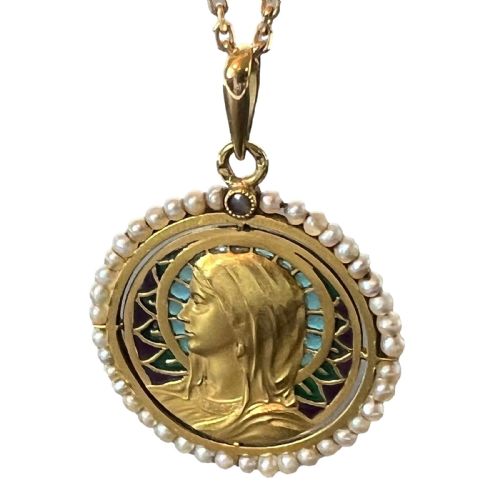
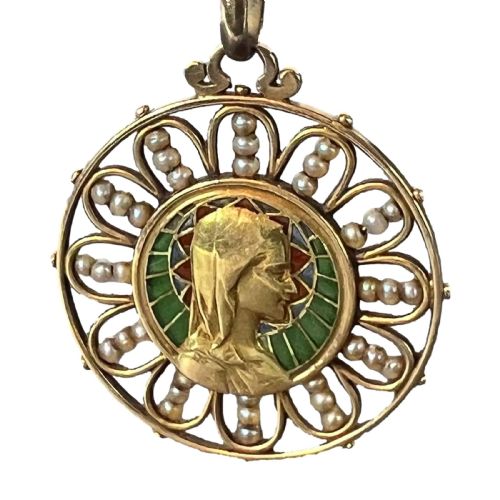
When searching for antique french charm, buyers encounter a diverse selection of small decorative objects, personal accessories, and jewellery rooted in nineteenth and early twentieth century French craftsmanship. The most frequent pieces appearing in this category are small pendants and religious medals cast in gold, often featuring devotional imagery such as the Virgin Mary.
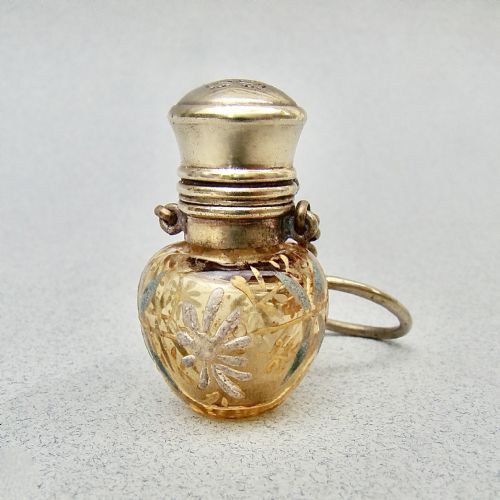
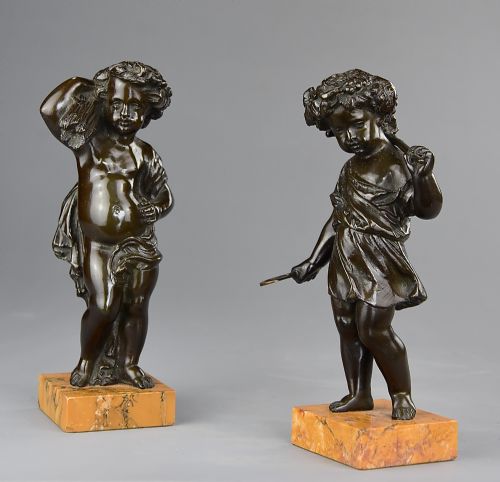
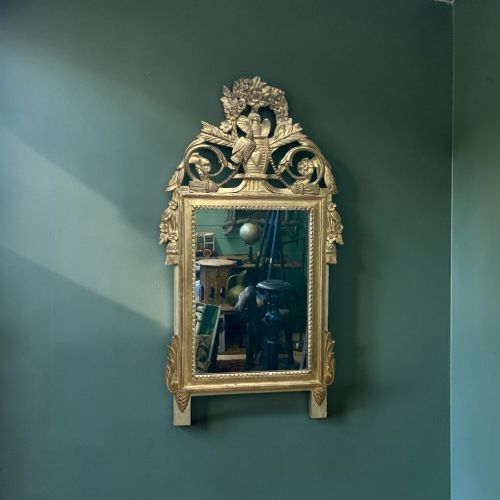
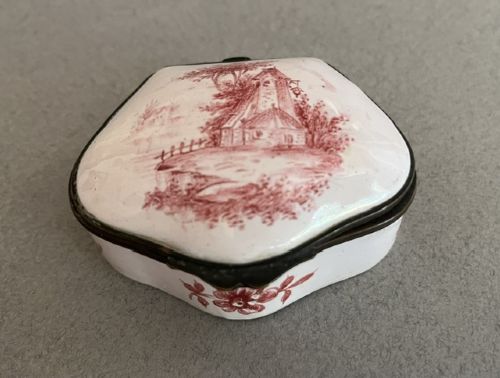
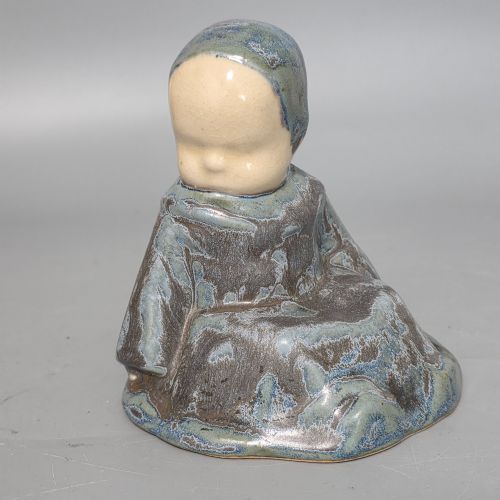
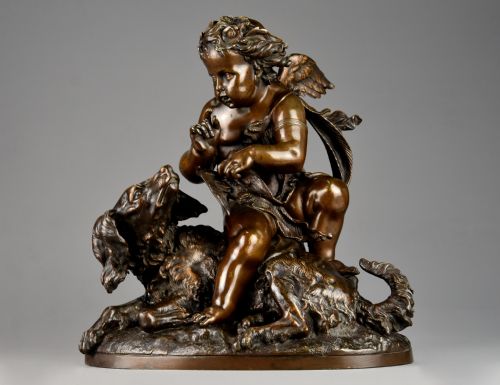
Beyond wearable jewellery, the selection includes domestic decorative items such as glass scent bottles, small bronze figures, marriage mirrors, and ceramic pieces from periods like the Belle Epoque and Art Deco. These items reflect the domestic tastes and religious devotions of their respective eras, ranging from the eighteenth century up through the nineteen-thirties.
Materials and construction
Metalwork relies heavily on eighteen-carat yellow and rose gold, alongside cast bronze and gilded elements used in decorative objects and small sculptures. Artisans utilised techniques such as plique-à-jour enamel, twisted wire framing, and fine hand-engraving to delineate details on religious medals and pendant borders.
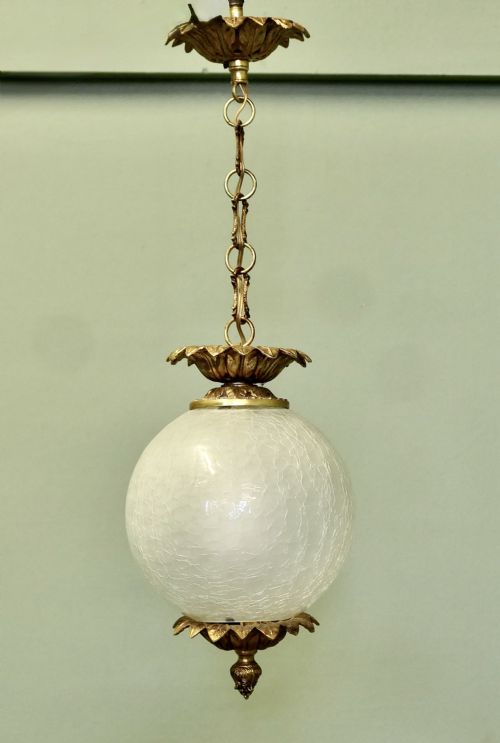
Glass and ceramic creations incorporate coloured glass, mother-of-pearl insets, and stoneware bodies glazed in specific regional workshops. Organic materials like mother-of-pearl provide luminous backing plates for gold devotional charms, while glass is blown or moulded into chatelaine scent bottles and lighting globes.
Several pieces feature tiny carved putti engaged in harvest activities or playful antics alongside domestic animals.
Assessing quality
The standard of execution in metalwork and enamel separates superior examples from ordinary production, particularly in the crispness of stamped gold medals and the translucency of plique-à-jour enamel. Pieces bearing distinct signatures from known medallists or ceramicists demonstrate higher artisan involvement than unsigned commercial output.
Preservation of delicate components like glass threading, original enamel work, and fine wire framing dictates the overall integrity of an object. Items retaining their original components without replacement parts or structural compromise represent the upper tier of surviving examples.
Berthe Savigny·Emile Monier·Paul Brandt·Mazzoni·Pageli Perriat·Dropsy·Guilbert·Vernon·Sellier·Rasumny
The Antique French Charm Glossary
- Plique-à-jour
- An enamelling technique where enamel is applied in cells without a backing, resembling miniature stained glass. This method allows light to pass directly through the translucent coloured material.
- Chatelaine
- A decorative belt hook worn with attachments such as scissors, keys, or scent bottles. They served both a practical and ornamental function in historical dress.
- Marriage Mirror
- A traditional decorative mirror given as a wedding gift in certain French regions. They often feature symbolic motifs relating to union and prosperity.
- Medal
- A flat metal disc stamped or cast with commemorative or religious imagery. These were frequently worn as pendants on gold chains.
- Toleware
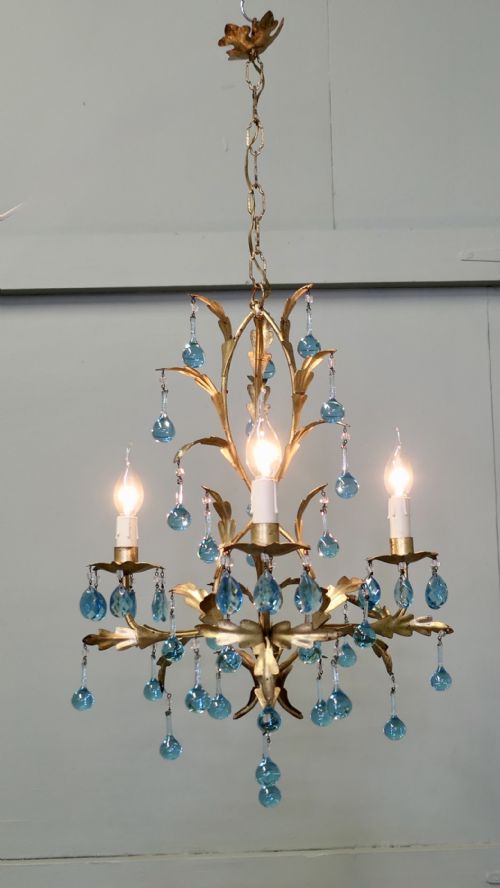
- Lacquered or enamelled metalware produced to mimic Asian lacquer techniques. It frequently appears on decorative household items like chandeliers.
Antique French Charm: Frequently Asked Questions
What are antique french charms made of?
Most wearable charms and medals from this category consist of eighteen-carat yellow or rose gold, frequently combined with enamel, mother-of-pearl, and glass.
Larger decorative objects utilise alternative mediums such as bronze, stoneware, blown glass, and wood.
How do I wear an antique pendant medal?
These pieces generally feature a standard suspension loop or jump ring that accommodates traditional gold chains of varying weights. Pairing them with other period gold chains creates an authentic layered display.
Ensure the suspension ring is securely closed to prevent loss during daily wear.
Are religious medals uncommon?
Religious medals depicting the Virgin Mary, saints, or sacred hearts represent a significant portion of nineteenth and early twentieth century French jewellery production. They were widely issued for milestones like first communions and confirmations.
Their survival rate remains high due to their precious metal content and sentimental value.
How should I clean antique glass scent bottles?
Gentle dusting with a soft, dry cloth preserves the exterior surface of antique glass and crystal items. Avoid submerging pieces with applied metal mounts or fragile painted details in water.
Harsh chemical cleaners can strip historic patinas and damage delicate enamelwork.