

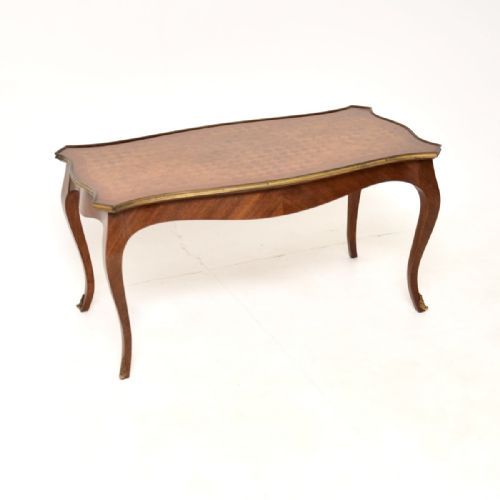
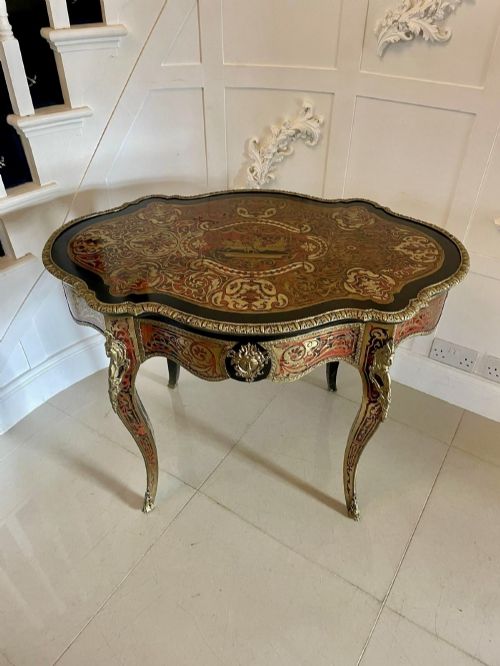
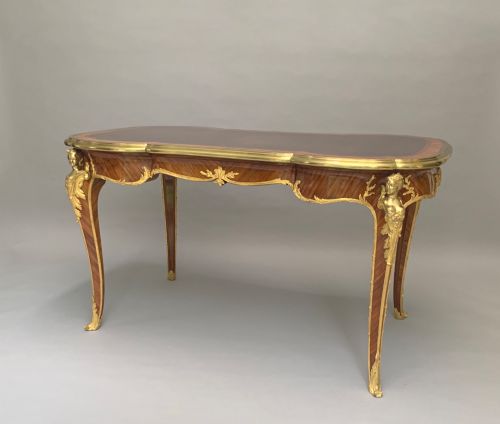
Antique French Center Table
An antique french centre table brings singular continental elegance to a room, designed to stand free rather than push against a wall.
Antique French Center Table
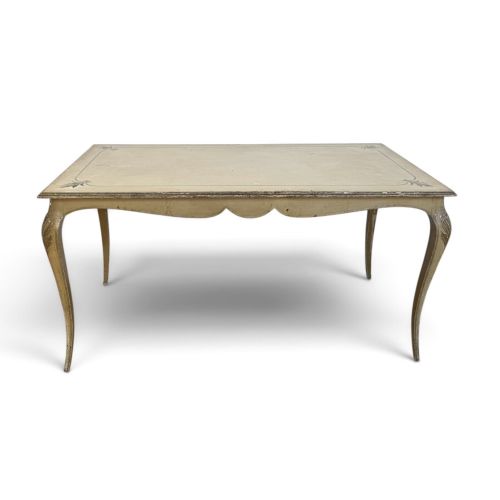
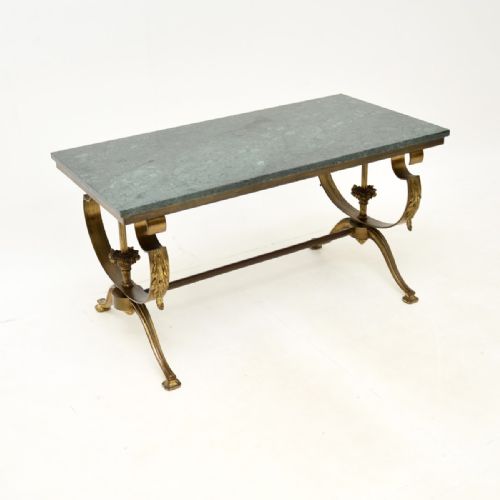
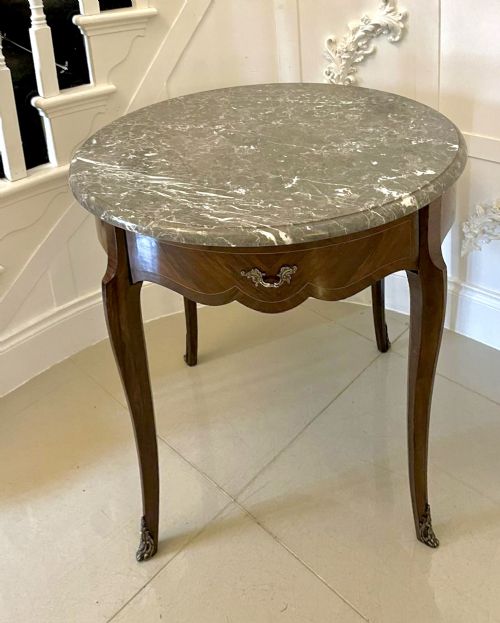
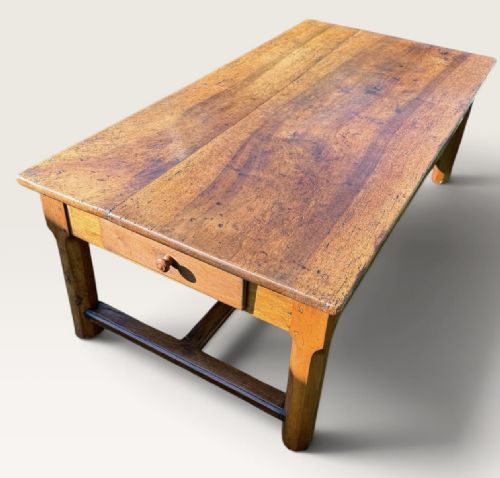
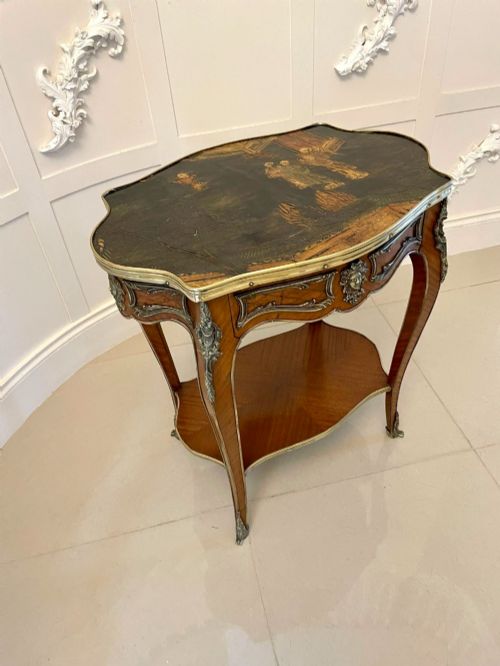
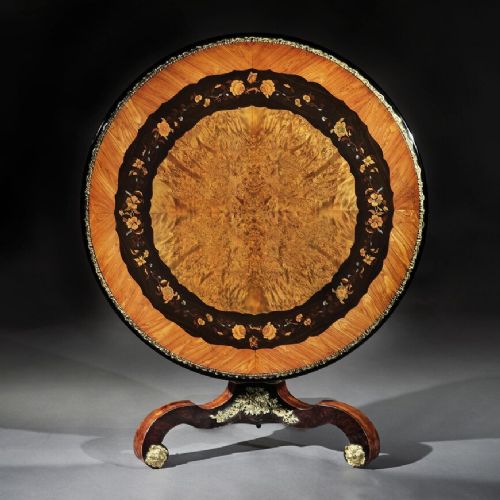
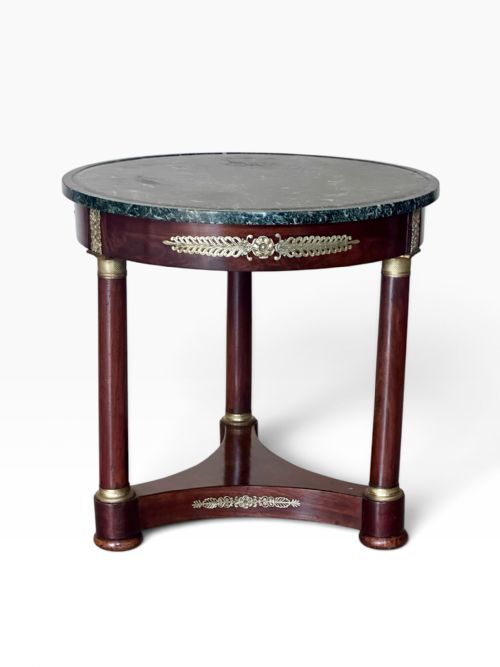
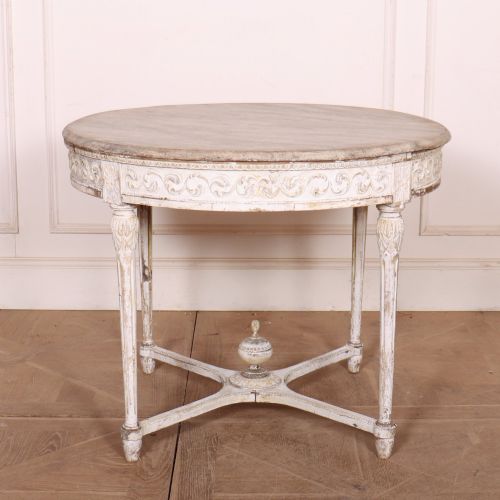
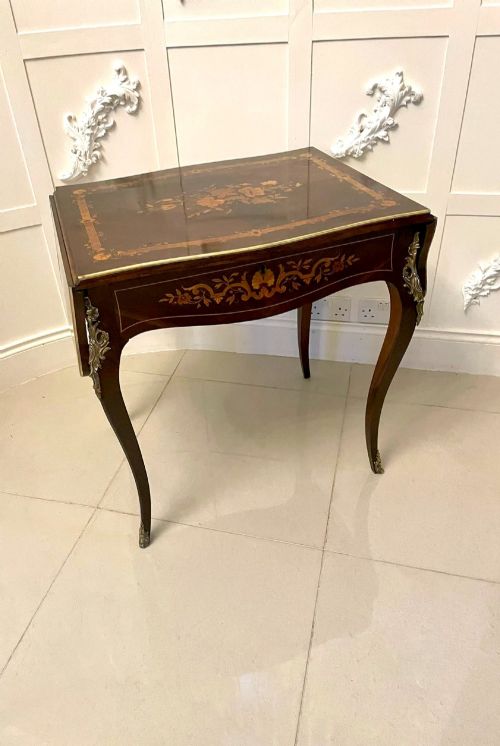
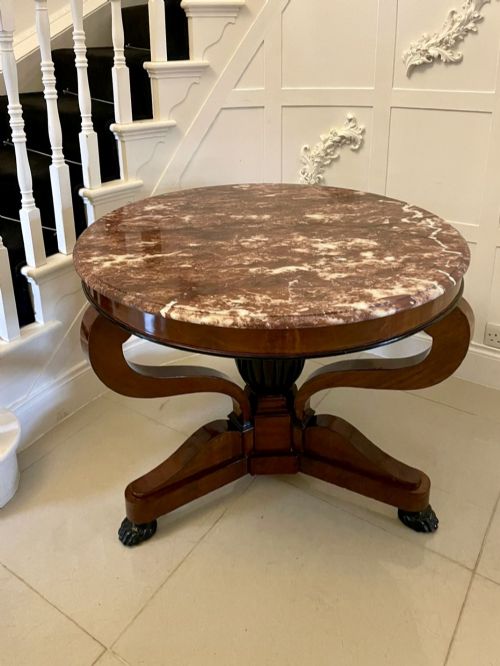
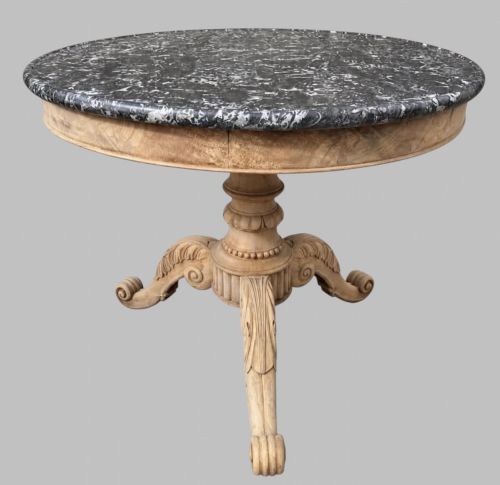
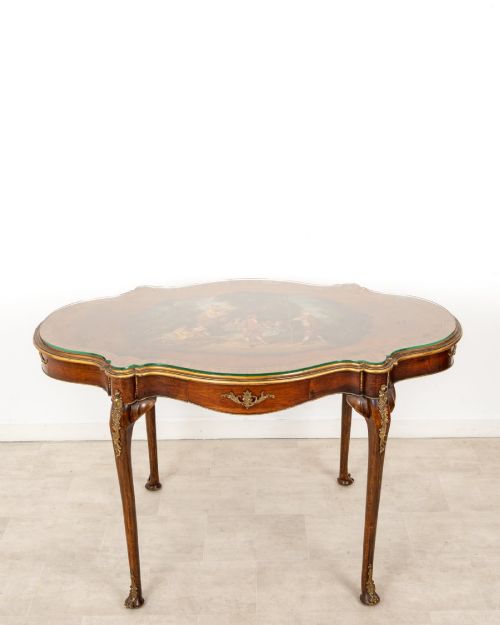
An antique french centre table is a freestanding piece designed to be viewed from all sides, frequently taking the form of a round gueridon or an oval display surface. The examples gathered here span from the eighteenth century through the nineteenth century, encompassing revival aesthetics and empire designs.
Buyers regularly encounter rich woods such as kingwood, rosewood, and mahogany, often paired with inset marble tops or intricate marquetry patterns. These tables served various domestic purposes historically, acting as central display surfaces or writing tables in principal reception rooms.
Assessing craftsmanship
Quality separates master workshop execution from standard commercial production through the crispness of bronze chasing and the precision of veneer matching. Superior pieces display seamless joints, substantial weight in the mounts, and deeply articulated carving rather than moulded resin or pressed metal.
The choice of secondary timbers inside drawers and beneath frames indicates the standard of care taken during construction. Tables bearing signature stamps or attribution to notable makers generally command greater appreciation for their verified provenance.
Some nineteenth-century gueridon tables were constructed specifically to hold heavy tea urns without wobbling.
Francois Linke·Joseph-Emmanuel Zwiener·Edward Holmes Baldock·Edward And Roberts
The Antique French Center Table Glossary
- Gueridon
- A small circular table on a central pillar and tripod base, originating in seventeenth-century France. These pieces function well as lamp tables or occasional surfaces.
- Ormolu
- Gilded bronze mounts applied to furniture edges and legs. This technique involves coating cast bronze with a mercury-gold amalgam and firing it.
- Marquetry
- Inlaid wood veneers forming pictorial or decorative designs. Craftsmen cut contrasting timbers together to create tight, seamless patterns.
- Boulle
- An intricate marquetry technique combining tortoiseshell and brass. It is named after the master cabinetmaker André-Charles Boulle.
- Parquetry
- Geometric wood inlay creating repeating patterns such as cubes or chequers. This method uses small wood blocks fitted meticulously together.
Antique French Center Table: Frequently Asked Questions
Where should I place a centre table?
These tables are built to stand entirely free in the middle of a room, allowing people to walk around them safely. They anchor large seating arrangements or sit beneath a central ceiling rose.
Placing one away from walls highlights the fine marquetry and gilt bronze mounts on all four sides.
How do I clean a marble top?
Use a soft, damp cloth with mild, neutral soap to wipe down the stone surface gently. Avoid acidic cleaners, vinegar, or harsh scouring powders that etch polished marble.
Dry the stone thoroughly afterwards to prevent water rings and preserve the natural gloss.
Can I use these tables daily?
Daily use is entirely appropriate provided you protect delicate wood veneers and polished surfaces from excessive moisture and heat. Use coasters for drinks and lift objects rather than sliding them across the top.
Treating the antique timber with appropriate wax periodically keeps the grain nourished.
How do I date an antique table?
Dating relies on examining the timber species, construction methods, tool marks beneath the top, and stylistic cues from periods like the Empire or Louis XV revival. Secondary woods and fastener types provide reliable clues to the decade of manufacture.
Comparing construction details with authenticated pieces helps narrow the timeframe.