
Antique French Canvas
Antique French canvas works bring centuries of skilled portraiture, luminous landscapes and expressive still lifes straight into your interior.
Antique French Canvas
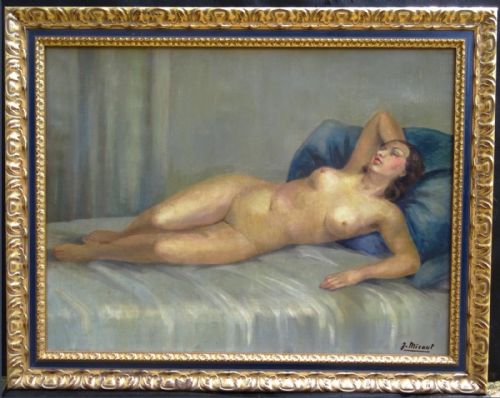
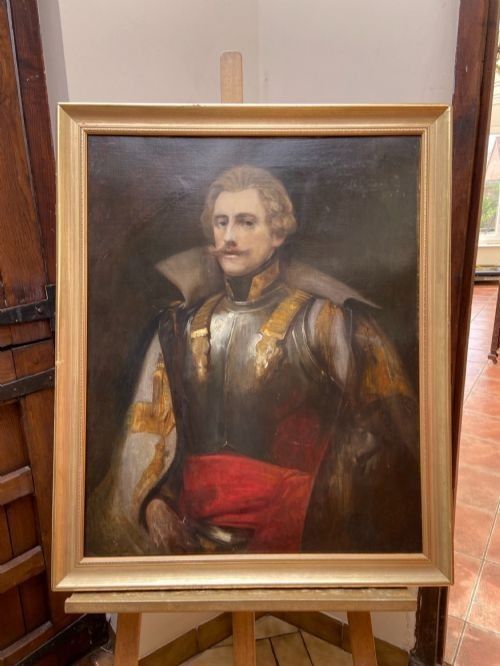
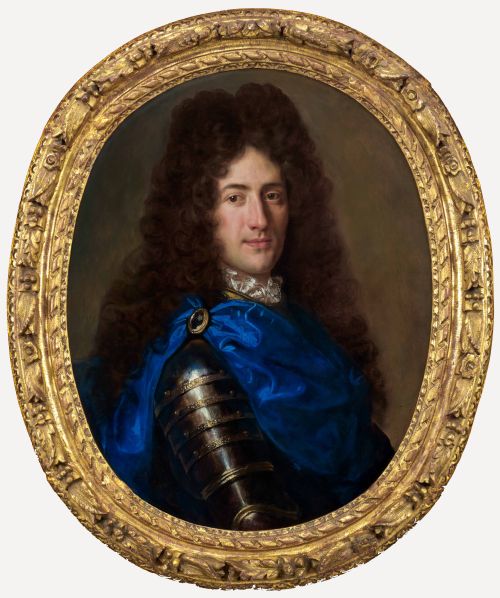
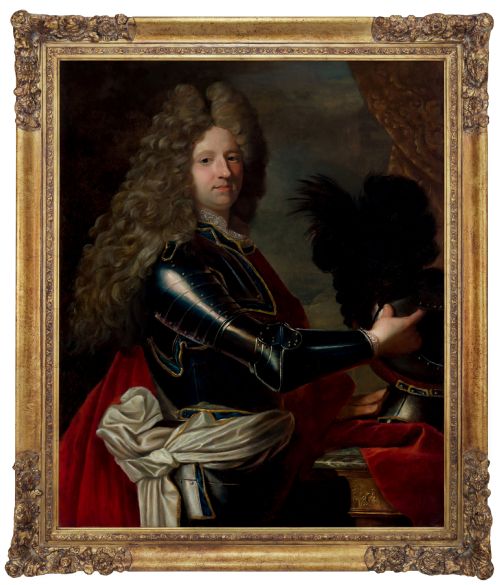
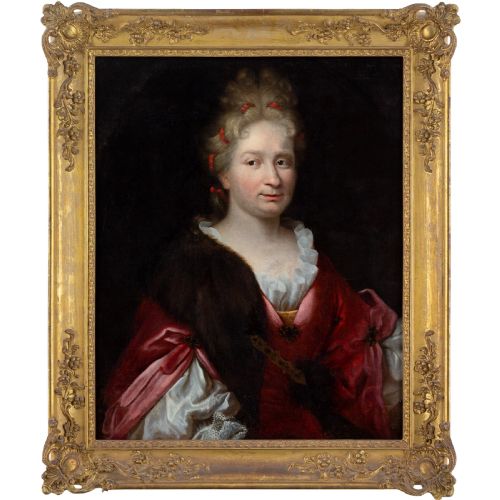
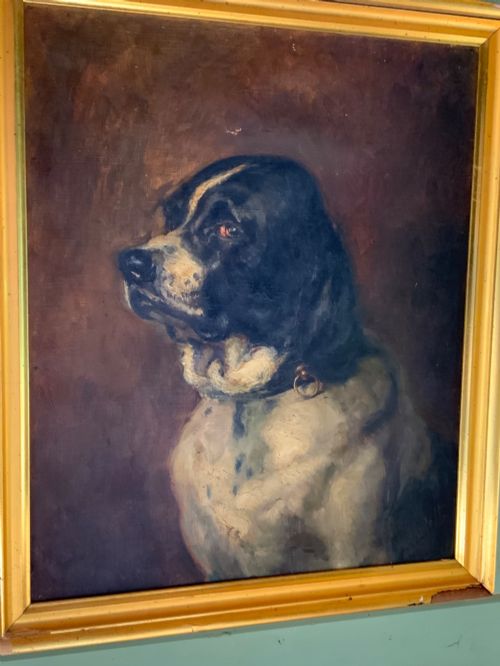
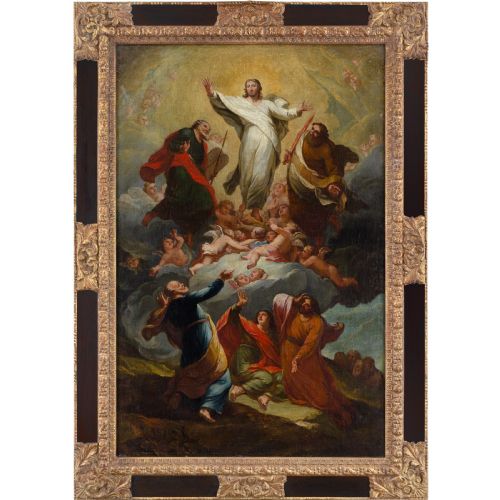
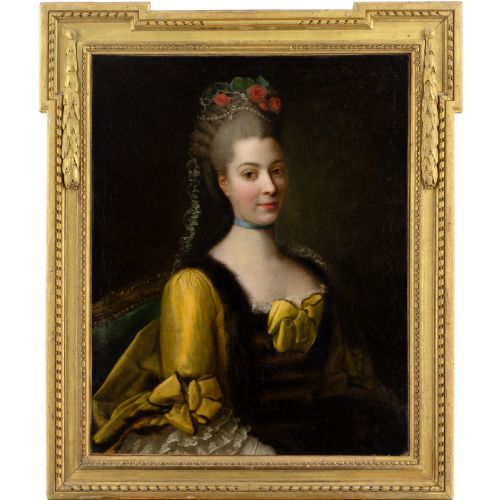
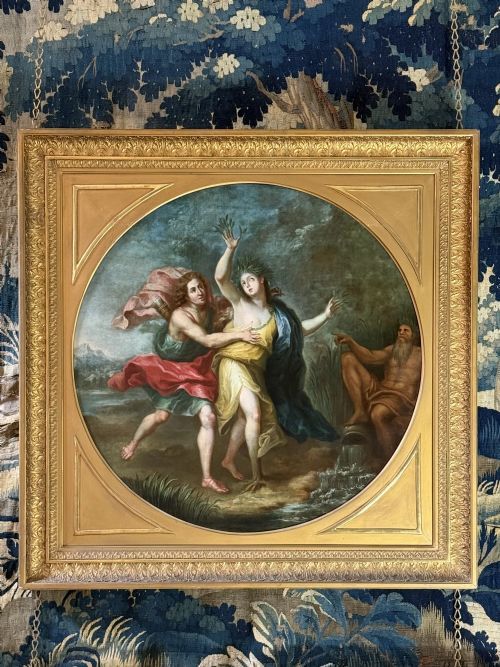
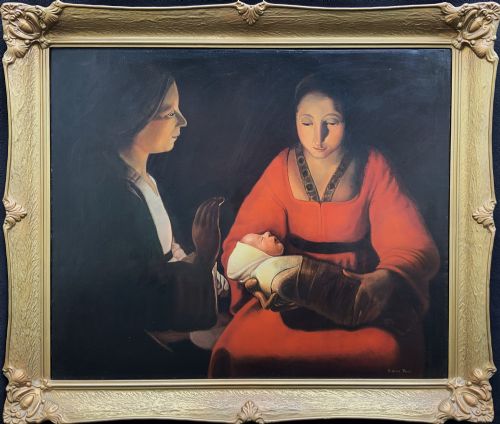
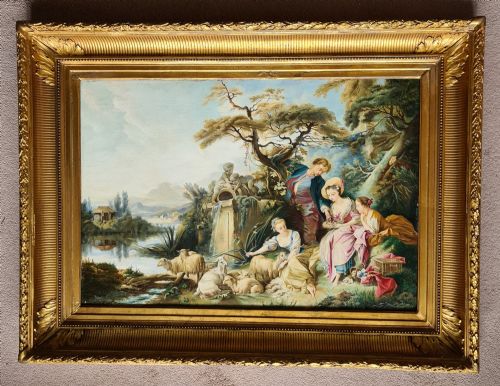
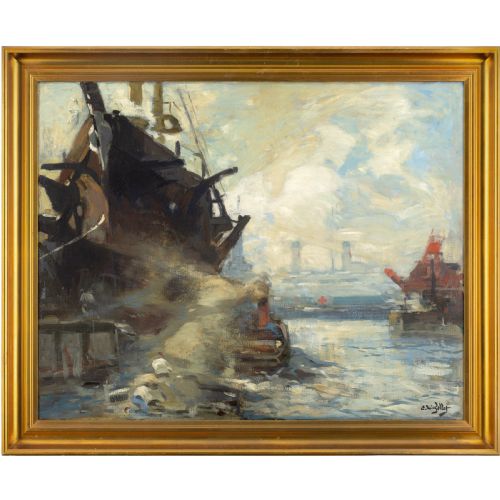
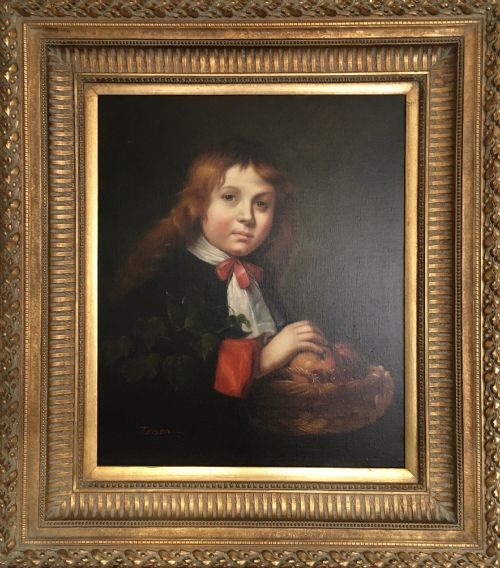
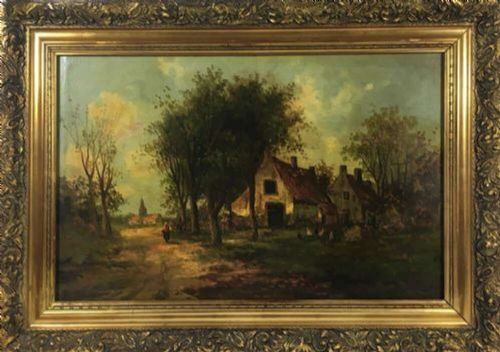
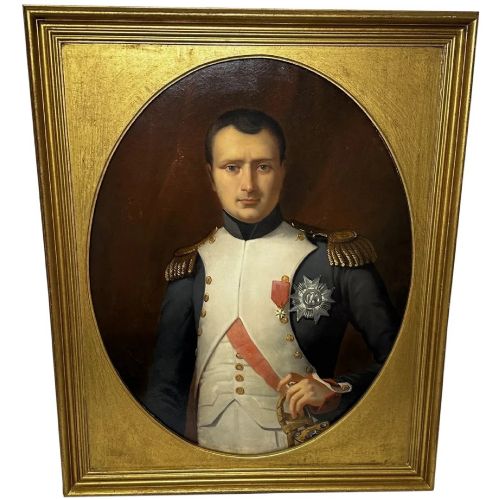
When searching for antique french canvas, collectors encounter everything from rigorous seventeenth century court portraiture to vibrant post-impressionist pastoral scenes. These works capture the shifting stylistic ambitions of European ateliers, spanning neoclassical history paintings, intimate domestic interiors and rustic Barbizon school landscapes.
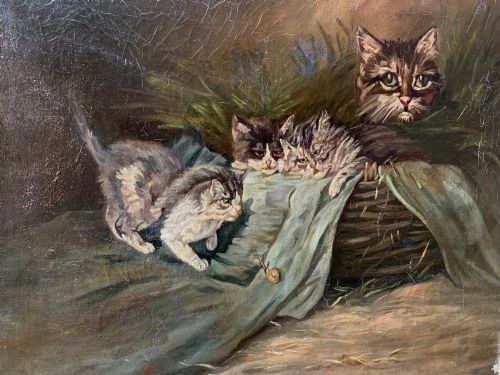
The selections on this page lean heavily towards oil paintings on stretched fabric, alongside decorative panels and occasional travel trunks. Subjects range from military officers and nobility to quiet seaside gatherings, bustling Paris streetscapes and rich floral still lifes.
Originating predominantly from named and anonymous continental workshops, these pieces reflect the evolving traditions of academic training and avant-garde rebellion across several centuries.
How They Were Made
Makers built these surfaces using woven plant fibres stretched across wooden frames, primed with gesso or lead-based grounds to receive oil paint. Artists applied pigment with varying brushwork, from smooth, blended academic glazes to thick, textured impasto.
Frames frequently combined carved gilt wood and gesso ornamentation to complement the pictorial depth of the central composition. Over time, original stretchers and canvas supports accumulated natural ageing, craquelure and conservation lining.
Greta Garbo once owned a distinct French expressionist canvas depicting Montmartre harlequins.
What Varies In Quality
Technical execution separates masterworks from provincial copies, visible in the anatomical precision of figures, the management of light and shadow, and the sensitivity of brushwork. Superior compositions reveal confident draftsmanship and harmonious colour palettes that maintain visual tension across the entire picture plane.
Condition and provenance heavily influence a piece's standing, particularly the survival of original unlined canvas, untouched pigment layers and period-appropriate framing. Works retaining clear artist signatures, historical exhibition markers or documented lineage command greater scholarly and aesthetic authority.
Charles Antoine Coypel·Edouard Pingret·Joseph Vivienne·Achille Fould·Gabriel Dauchot·Mireille Glodek Miailhe
The Antique French Canvas Glossary
- Impasto
- Paint applied thickly to a canvas, standing out in relief from the surface and catching the light. This technique adds tactile dimension and energetic texture to foliage, water, or highlights.
- Barbizon School
- A nineteenth century movement of French painters who turned away from academic convention to paint direct landscapes in the forest of Fontainebleau. Their work championed naturalism and atmospheric fidelity.
- Gesso
- A traditional paint mixture consisting of a neutral binder mixed with chalk, gypsum, or pigment, used to prepare wood panels and canvas for oil painting. It provides a smooth, stable ground for the artist's brush.
- Post-Impressionism
- A diverse artistic movement following impressionism that rejected strict naturalism in favour of expressive forms, symbolic colour, and structured pictorial space. Artists emphasised emotional resonance over visual transcription.
- Craquelure
- The fine network of minute cracks that develops across an aged oil paint film and its underlying ground layer as the materials dry and contract over decades. It serves as a natural indicator of material age.
Antique French Canvas: Frequently Asked Questions
How do I date an antique canvas painting?
Examine the weave of the fabric, the composition of the wooden stretcher frame, and the chemical properties of the ground layer beneath the paint. Older supports often display hand-woven irregularities and oxidised metal tacks.
Style, costume details, and artist signatures provide further historical anchors when compared against known regional school records and salon exhibition dates.
What is the Barbizon school?
The Barbizon school refers to French landscape painters active near the Fontainebleau forest during the mid nineteenth century. They broke with classical studio traditions by working directly outdoors.
Their canvases focus on humble rural vistas, forest interiors, and atmospheric weather conditions, laying vital groundwork for later impressionist experimentation.
Why do some canvases show fine cracking?
Fine cracking, known as craquelure, occurs naturally as oil paint and its underlying gesso ground lose elasticity and shrink over many decades. Environmental fluctuations in humidity and temperature accelerate this process.
While excessive flaking requires professional consolidation, stable network cracking is a normal characteristic of genuine age in historical fine art.