

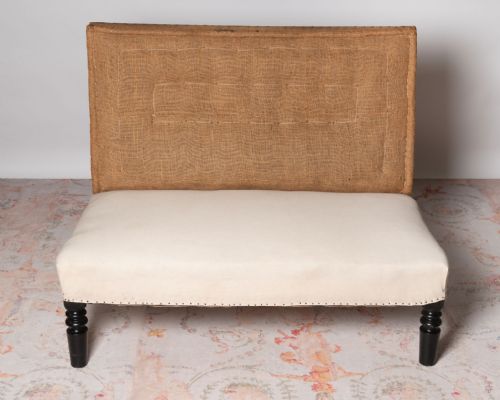


Antique French Banquette
An antique french banquette offers low, elongated seating designed for elegance and utility, bringing classic continental refinement directly into your home.
Antique French Banquette
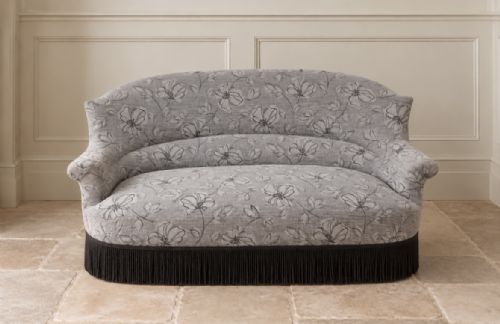
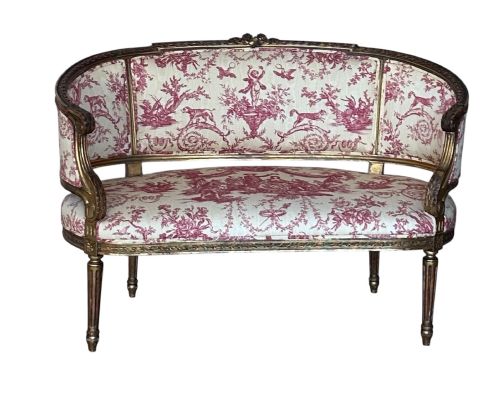
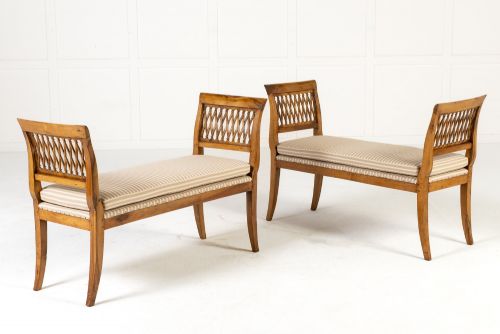
An antique french banquette takes many forms, including window seats, small sofas, and hall benches originating from the nineteenth and early twentieth centuries. These pieces reflect distinct periods such as the Louis XV and Louis XVI styles, alongside French Country and Art Deco aesthetic influences.
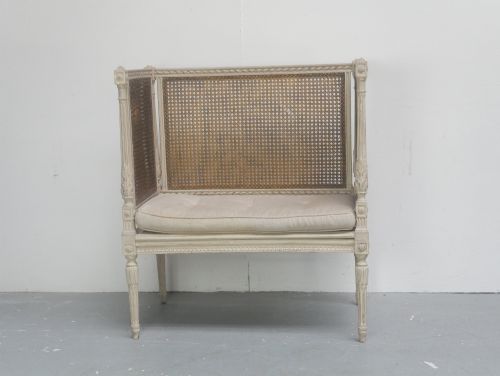
Buyers will encounter various structural formats ranging from carved walnut and giltwood frames to cane seating and upholstered versions covered in velvet, linen, or fabric. Such diversity allows these seats to fit seamlessly into hallways, bedrooms, and reception spaces alike.
How they were made
Traditional woodworking techniques rely on timber frames fashioned from walnut, cherrywood, oak, beech, and palisander. Skilled artisans shaped these woods through careful carving, often applying gilt finishes or painted details to accentuate the architectural lines.
Seating surfaces and backs utilise woven rush, cane panels, or traditional upholstery textiles like velvet, leather, and linen. These materials combine structural rigidity with comfortable padding, reflecting the craftsmanship of French workshops.
Antique French Banquette Retail Price Guide 2026
Typical asking prices for french banquette among the pieces listed under this phrase on Sellingantiques today, from the lower quarter to the upper quarter. They describe what is for sale here now, not the wider market.
Listings feature pieces spanning from the late nineteenth century through the 1930s, constructed in walnut, oak, beech, and giltwood.
What varies in quality
The sophistication of the woodcarving dictates the visual distinction of a piece, separating simple provincial joinery from heavily ornamented chateau designs. Crisp hand-chiselled details on walnut or giltwood frames show superior artisan involvement.
The integrity of the structural frame and the choice of covering materials influence the longevity of the seat. Original cane work, intact rush seating, and quality upholstery fabrics demonstrate better preservation and material selection.
The Antique French Banquette Glossary
- Canapé
- A traditional French sofa featuring an upholstered seat and back framed in exposed wood. This form frequently adopts Louis XV or Louis XVI styling.
- Giltwood
- Timber treated with gold leaf or gold paint to produce a brilliant metallic surface. It is typical of formal nineteenth-century decorative seating.
- Palisander
- A dense, dark exotic hardwood prized for its rich grain and colour. It appears on polished Art Deco seating forms.
Antique French Banquette: Frequently Asked Questions
Where should I place a banquette?
These pieces suit narrow hallways, bedroom ends, and window recesses where standard sofas prove too bulky. Their compact profiles provide functional seating without crowding a room.
Matching the wood finish and upholstery style to your existing interior helps integrate the seat naturally into the space.
How do I identify the style?
Examine the leg shapes, carving motifs, and frame contours to determine the period influence. Louis styles display curved cabriole legs and floral carvings, whereas Art Deco pieces show streamlined scroll shapes.
Timber choices also offer clues, with giltwood and walnut pointing towards formal chateau aesthetics.
Can I use them for dining?
Certain longer wooden benches and upholstered seats function effectively alongside dining tables. Seat height and depth determine comfort during extended meals.
Verifying measurements ensures the bench fits properly beneath or alongside your table setup.
How do I care for the upholstery?
Protect delicate fabrics, velvet, and leather by keeping them away from direct sunlight and moisture. Gentle vacuuming removes surface dust without damaging the weave.
Professional cleaning preserves the condition of antique textiles and trimmed edges.