

Antique French Art
Selecting antique french art brings centuries of continental craftsmanship, oil paintings, and decorative bronze sculptures into domestic interiors.
Antique French Art
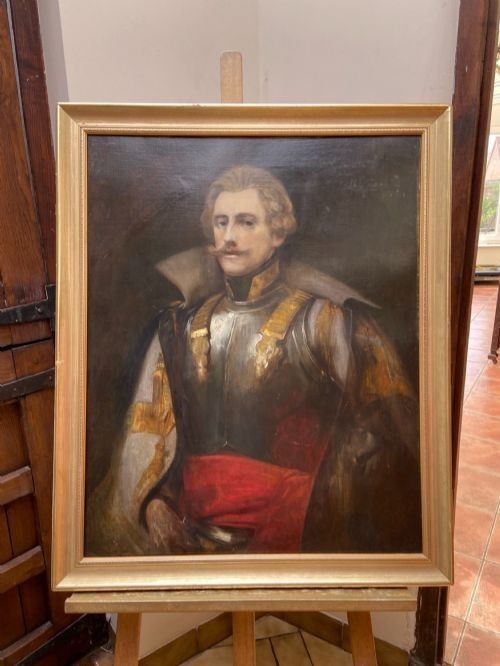
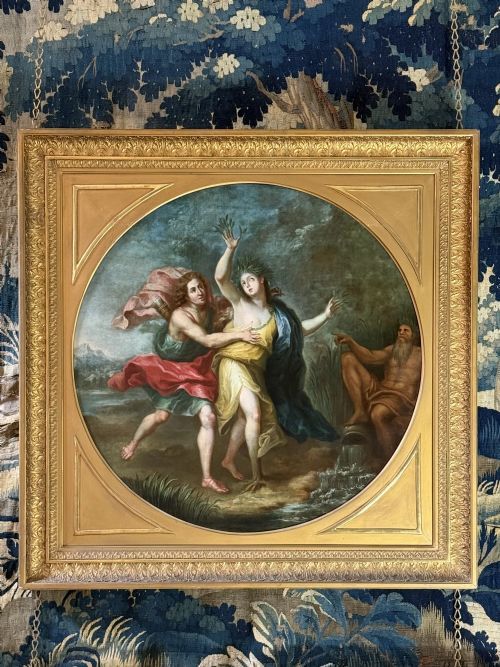
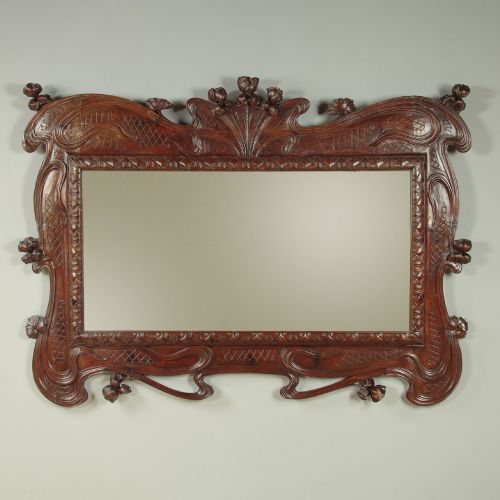
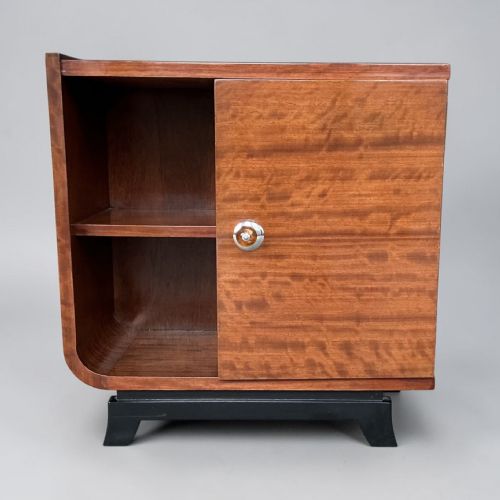
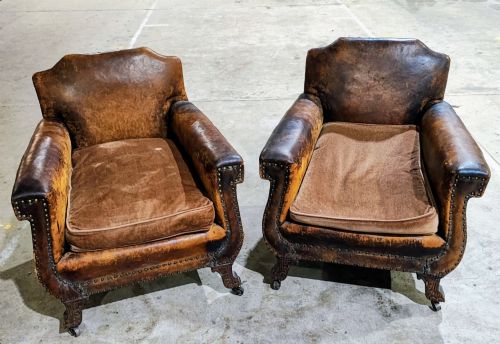
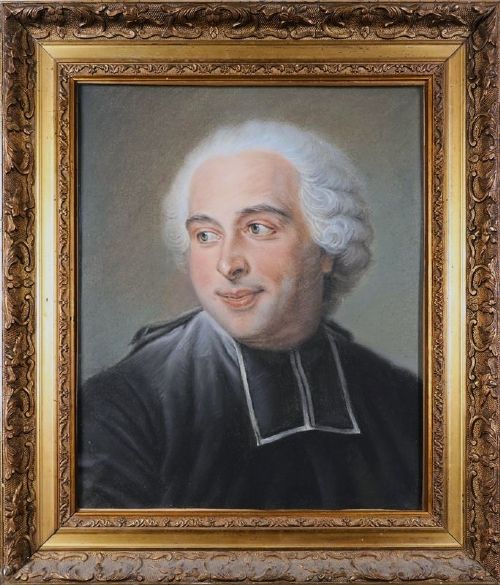
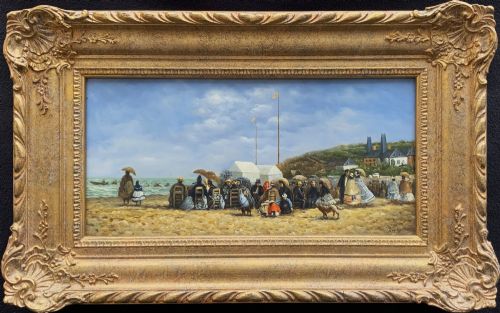
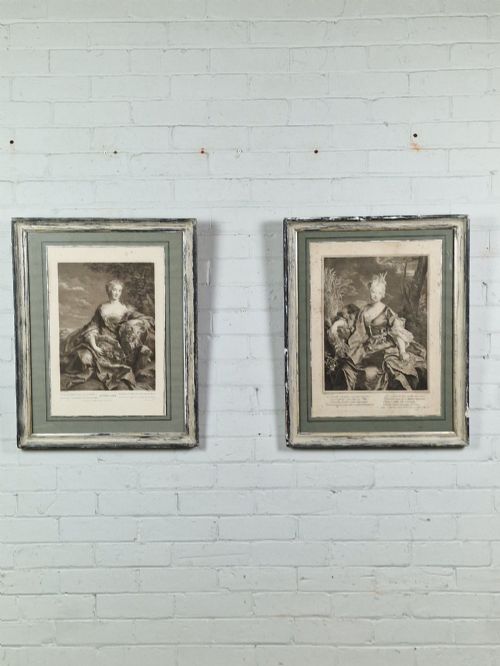
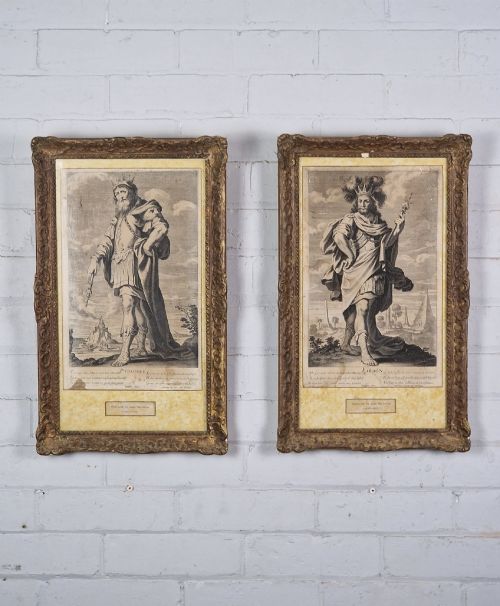
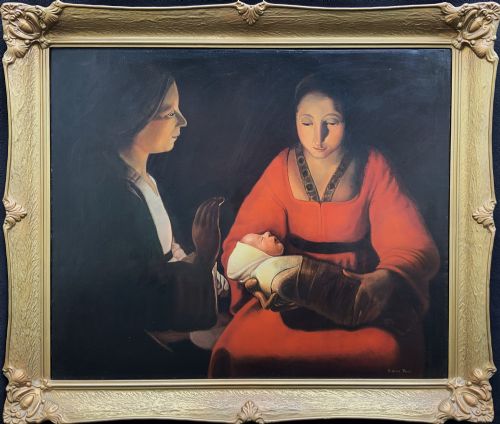
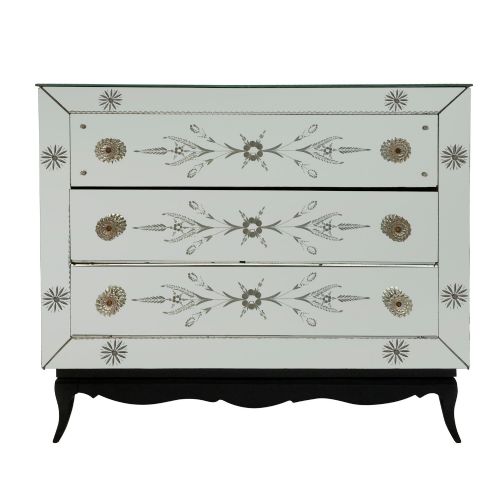
Collectors seeking antique french art encounter an extensive range of objects spanning seventeenth-century oil paintings, eighteenth-century engravings, and twentieth-century modernist sculptures. The selection encompasses diverse utilitarian and decorative forms, including leather club armchairs, mirrored chests of drawers, and carved wood display cabinets.
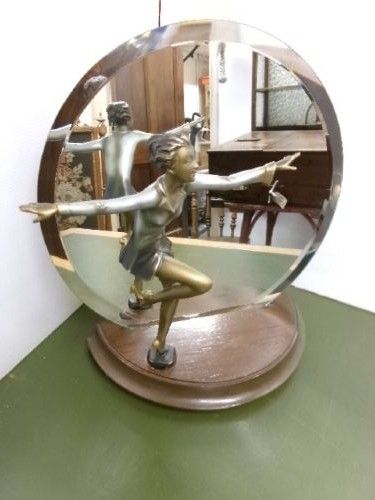
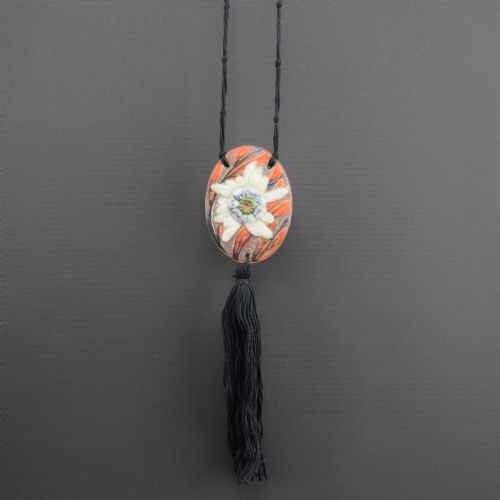
The objects frequently reflect distinct periods such as the ornate flourishes of French Rococo, the organic curves of Art Nouveau, and the geometric lines of Art Deco. Buyers frequently meet decorative items like bronze animal figures, hand-coloured botanical prints, and gilt wall clocks originating from continental workshops.
Originating from varied domestic and institutional settings, these pieces bridge fine art and decorative utility. Furniture items often incorporate fine timbers like kingwood and rosewood, whilst wall art ranges from classical portraits to post-impressionist landscapes.
How They Were Made
Makers utilised traditional methods combining joinery, metal casting, and hand application of pigments upon canvas, panel, or paper. Woodwork often involved fine veneers such as kingwood applied to carcases, complemented by cast or chased ormolu and bronze mounts.
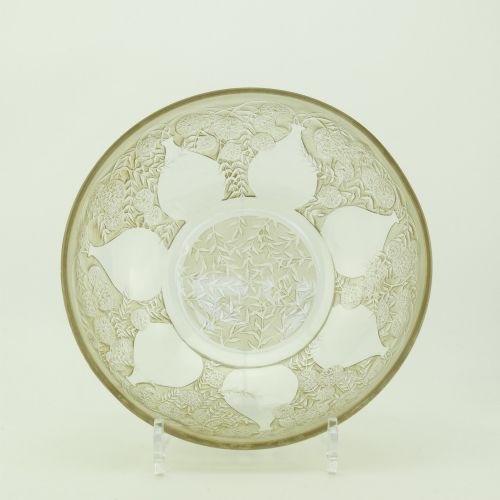
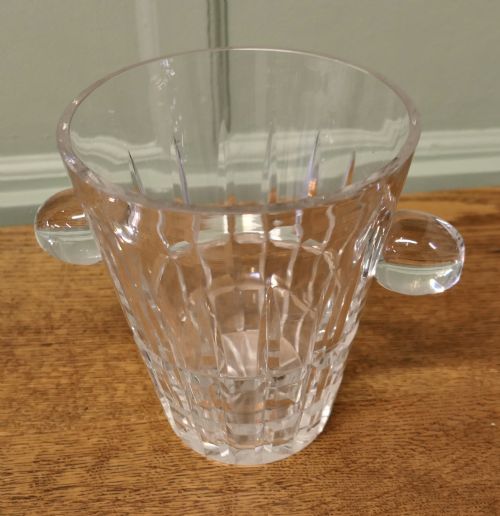
Pint-sized details and larger architectural elements relied on specialised techniques including cold-painted bronze, pate de verre glass manipulation, and original hand colouring of engraved plates. Cabinetry utilised dovetail joints and turned supports, whilst mirrors and glass components received silvering or bevelling by hand.
Greta Garbo once owned a French expressionist canvas by Gabriel Dauchot, proving even cinematic icons appreciated a touch of Montmartre.
What Varies in Quality
Distinctions in quality stem from the precision of the initial design, the skill executed in hand-carved or cast details, and the survival of original surface finishes. Works attributed to documented artists or established ateliers show superior handling of proportion, pigment application, and material selection compared to anonymous commercial production.
The integrity of patination on bronzes, the crispness of casting in ormolu mounts, and the preservation of original hand colouring on engravings dictate desirability. Furniture quality depends on timber selection, stability of construction, and the retention of period hardware without modern replacement.
Argy Rousseau·Rene Lalique·Georges de La Tour·Deville And Cie·Emmanuel Villanis·Pierre Le Faguays·Louis Prodhon·Raymond Subes
The Antique French Art Glossary
- Ormolu
- Gilded bronze mounts applied to furniture and clocks. This technique involved mercury gilding on bronze bases during earlier periods.
- Pate de verre
- A glass-working method where powdered glass is packed into a mould and fused in a kiln. The process creates characteristic textured, translucent objects.
- Vernis Martin
- A type of simulated Japanese lacquer developed in France during the eighteenth century. Artisans applied successive layers of varnish to painted furniture.
- Spelter
- An alloy based on zinc, frequently utilised as a less costly alternative to bronze for sculptural figures. It often received bronze-coloured patination.
- Cartel clock
- A wall-mounted clock housed within an ornamental frame. These cases were constructed from gilt bronze, carved wood, or brass.
Antique French Art: Frequently Asked Questions
How do I date an antique French bronze sculpture?
Dating relies upon examining the casting technique, the nature of the patination, and any signature or foundry mark inscribed on the base. Earlier pieces often exhibit hand-chased details following the cast, whilst later editions show mass-production methods.
Material composition also aids identification, as nineteenth-century works frequently employ high-grade bronze before spelter alternatives became common in commercial decorative objects.
How should I care for antique French oil paintings?
Preservation involves maintaining stable indoor humidity and temperature away from direct sunlight and heat sources. Canvases and panels require minimal intervention beyond gentle dusting with a soft brush.
Avoid using liquid cleaners on painted surfaces or exposed wooden frames, and consult a professional conservator if structural canvas repairs become necessary.
Where were Art Deco club chairs used?
Art Deco club chairs typically furnished Parisian salons, smoking rooms, and studies during the interwar period. Their sturdy frames and leather upholstery provided robust comfort for domestic seating.
Today, buyers integrate these leather armchairs into both traditional and contemporary interiors as statement seating pieces.