



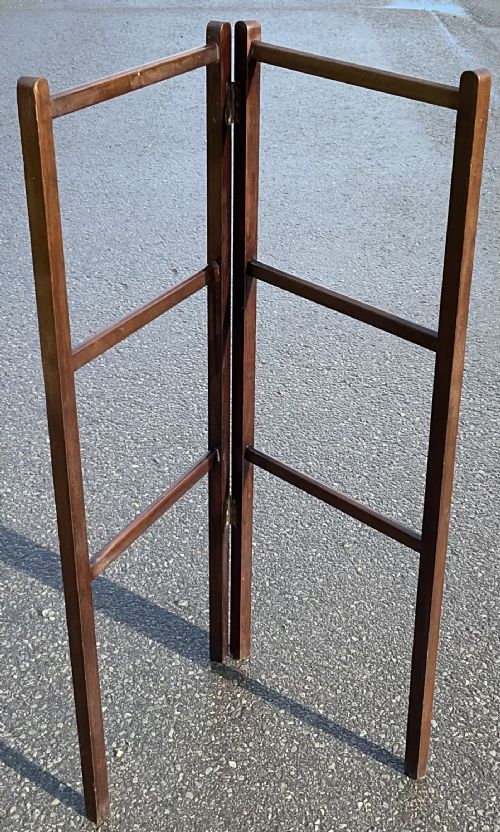

Antique Freestanding Towel Rack
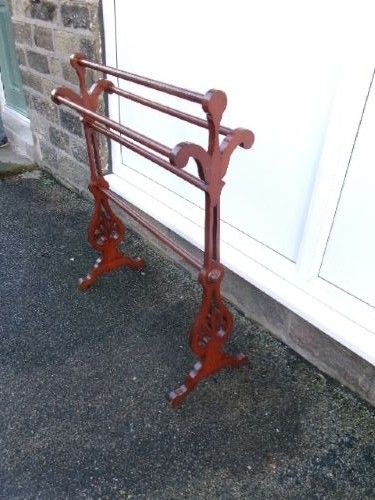
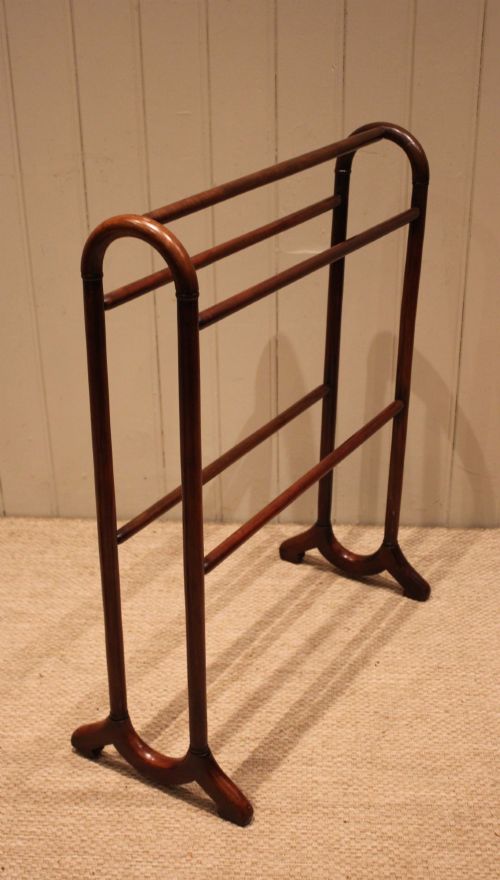
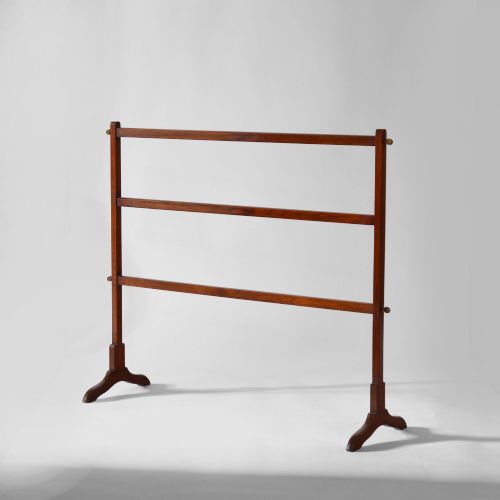
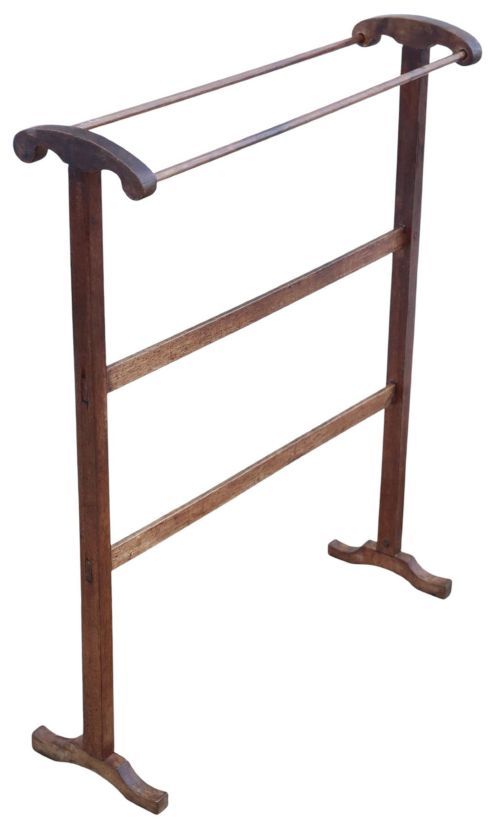
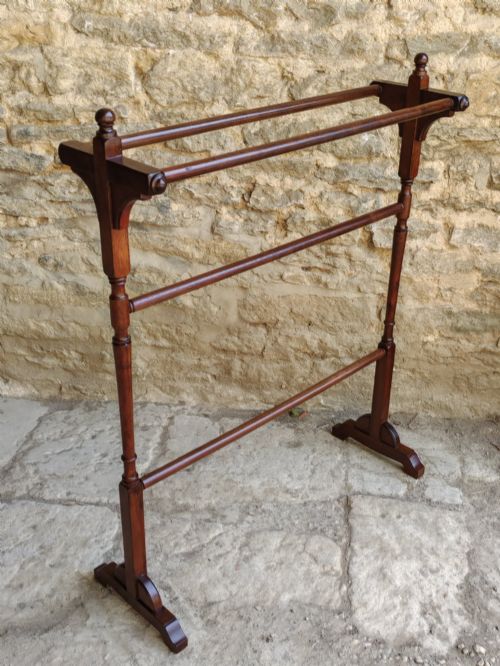
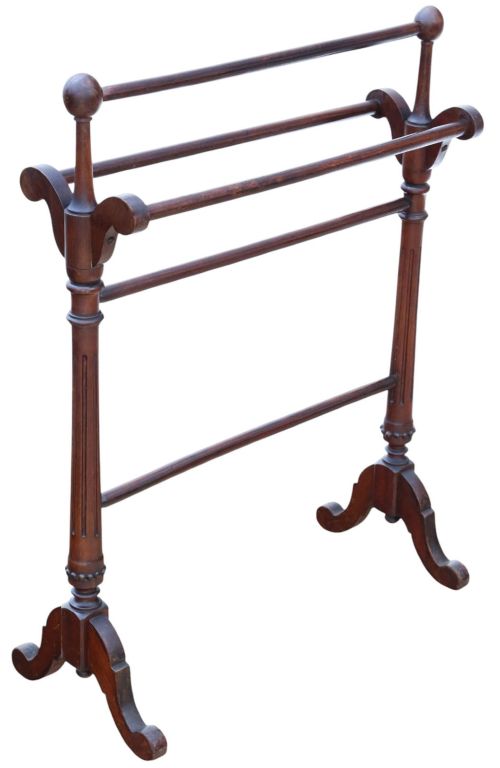
An antique freestanding towel rack brings practical utility and warm timber tones to a room, offering a versatile rail for textiles.
Antique Freestanding Towel Rack
An antique freestanding towel rack provides a movable rail for hanging textiles, featuring predominantly in wood across various periods. These pieces serve functional purposes in domestic spaces while displaying period craftsmanship.
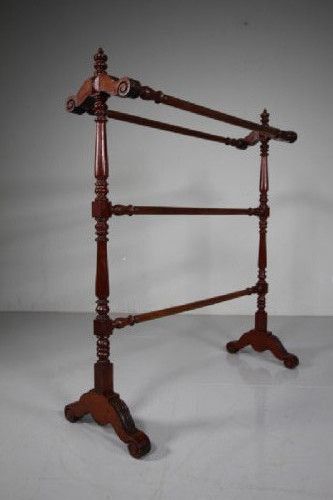
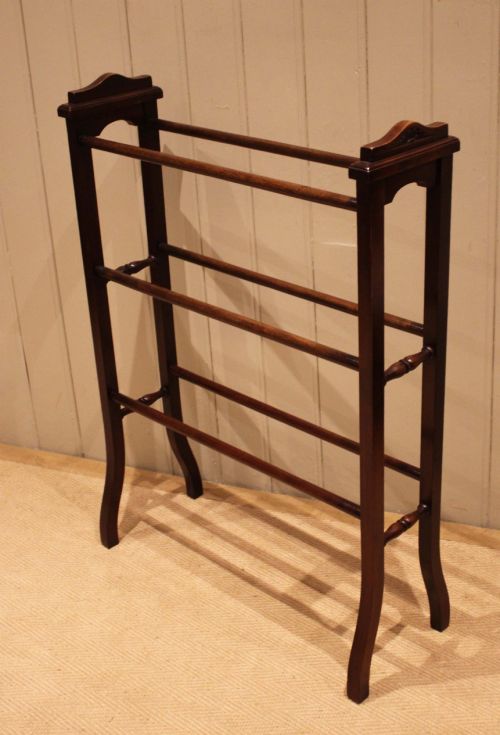
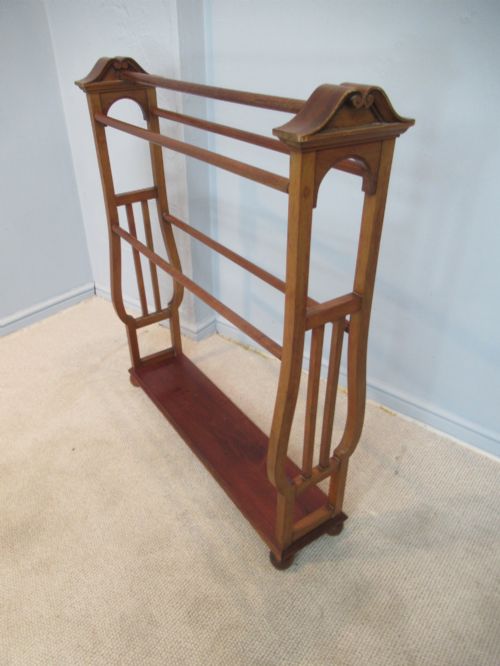
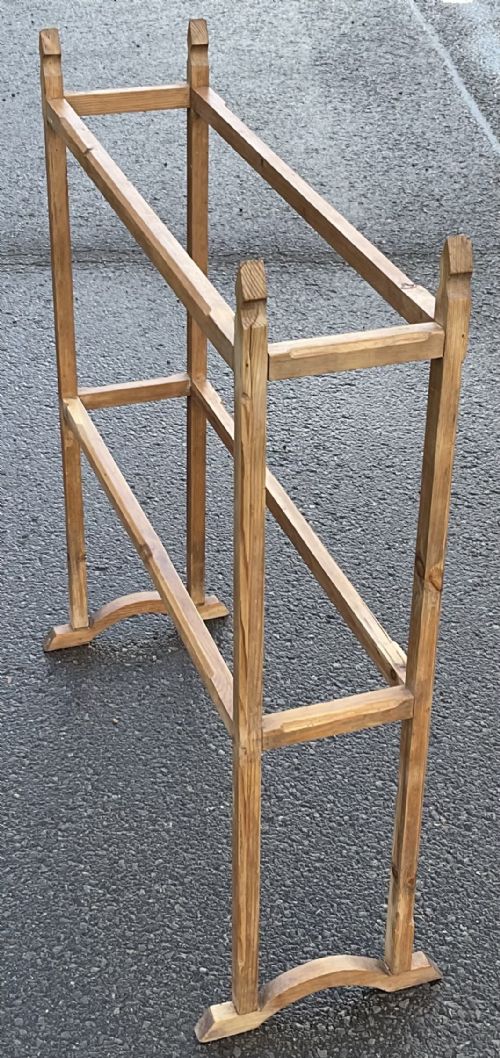
The selection ranges from simple Edwardian pine frames to larger Victorian mahogany designs with multiple rails. Buyers frequently encounter nineteenth-century and early twentieth-century examples shaped by Victorian, Edwardian, and Regency aesthetic traditions.
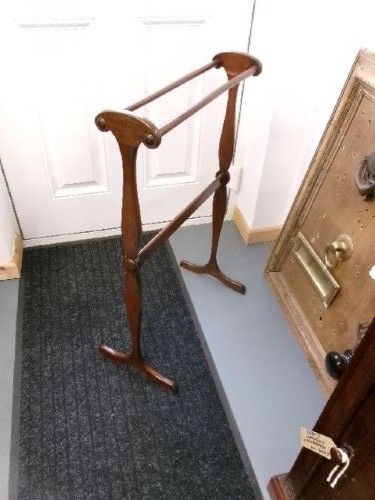
Formats include folding cheval rails, multi-bar airers, and campaign pieces designed for portability. Alongside standard wooden towel rails, related forms such as robe stands, clothes racks, and hall stands appear in the selection.
How they were made
Cabinetmakers utilised sturdy hardwoods such as mahogany, oak, and walnut, alongside softer timbers like pine and teak. These materials provided the structural strength required for standing frames that bear the weight of damp textiles.
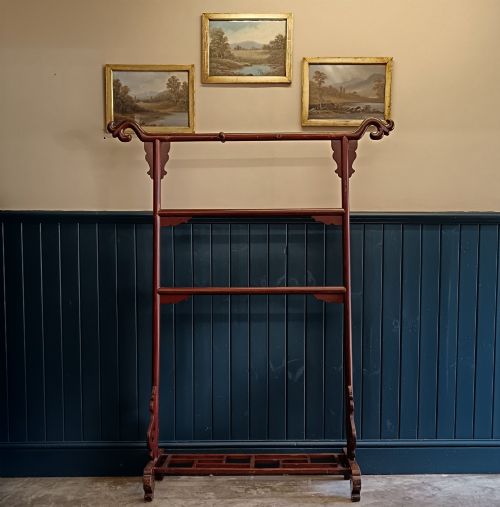
Joinery techniques included traditional framing and turning, often incorporating folding hinges on cheval styles or multiple parallel rails. Surface finishes relied on polished wood or occasional pigmented lacquer and ebonised treatments for decorative effect.
Antique Freestanding Towel Rack Retail Price Guide 2026
Typical asking prices for freestanding towel rack among the pieces listed under this phrase on Sellingantiques today, from the lower quarter to the upper quarter. They describe what is for sale here now, not the wider market.
The listings span from the Regency period through the Victorian and Edwardian eras, predominantly featuring mahogany, oak, pine, and walnut timbers.
What varies in quality
Proportion and scale also separate simpler country house items from grander oversized or campaign-style pieces. Robust construction of the joints ensures stability across multi-bar frames and folding rails.
The Antique Freestanding Towel Rack Glossary
- Cheval rail
- A standing frame designed with pivoting or folding sections that allow the rails to adjust in angle.
- Campaign towel rail
- A portable piece constructed for travel, often featuring folding elements and durable secondary timbers like teak.
- Ebonised
- Wood treated with a dark pigment or stain to imitate expensive ebony wood.
- Gothic Revival
- A nineteenth-century style drawing on medieval architectural motifs, seen in pointed arches or heavier structural mouldings.
- Inlaid
- Wood decorated by setting contrasting pieces of timber or other materials flush into the surface.
Antique Freestanding Towel Rack: Frequently Asked Questions
What is a freestanding towel rack used for?
These pieces were originally designed for bedrooms, dressing rooms, or bathrooms to dry and display linens, towels, and garments. Their movable nature allowed them to sit near heat sources or move between rooms as needed.
Today, buyers use them in modern bathrooms, bedrooms, and utility spaces to hang towels or display textiles while adding period character to an interior.
How do I tell Victorian from Edwardian pieces?
Victorian towel rails often employ dense mahogany or walnut with heavier proportions, richer polish, and sometimes Gothic Revival influences. They date from the mid to late nineteenth century.
Edwardian examples, dating around 1900 to 1910, frequently utilise lighter mahogany or pine frames, sometimes incorporating inlaid details, simpler turning, or multiple folding bars.
What woods were used for these racks?
Cabinetmakers primarily used mahogany, oak, walnut, and pine, with occasional use of teak on campaign pieces. These timbers were selected for their ability to withstand everyday domestic use.
Some examples also feature lacquered wood, ebonised finishes, or applied pigment for decorative variation across different styles.
Are all these rails folding?
Not all rails fold; the selection includes both rigid standing frames and folding cheval designs with multiple hinged bars. Folding versions allowed for compact storage or adjustable drying positions.
Single or multi-bar stationary racks provide a fixed, sturdy frame designed for continuous use in a bedroom or bathroom setting.