
Antique Framed Photo
When you want an antique framed photo, you are looking for a piece of history preserved in sterling silver, wood, or gilt bronze to anchor a room.
Antique Framed Photo
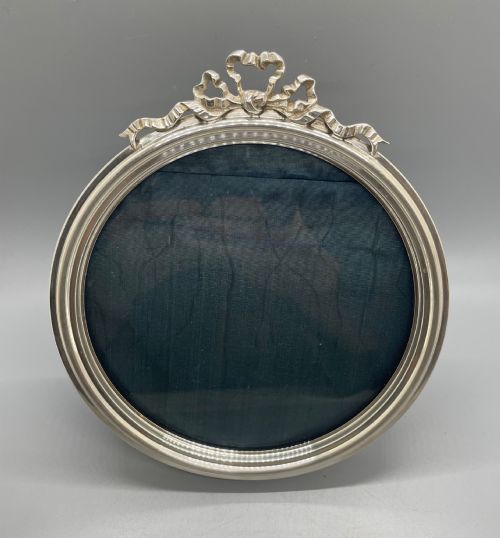
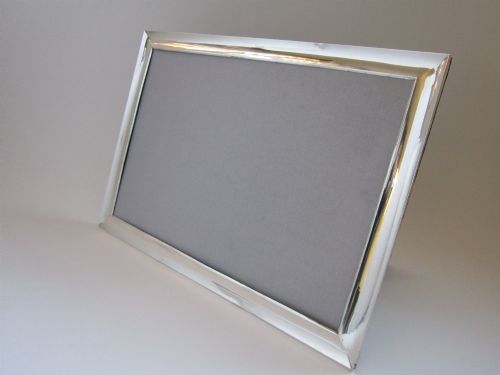
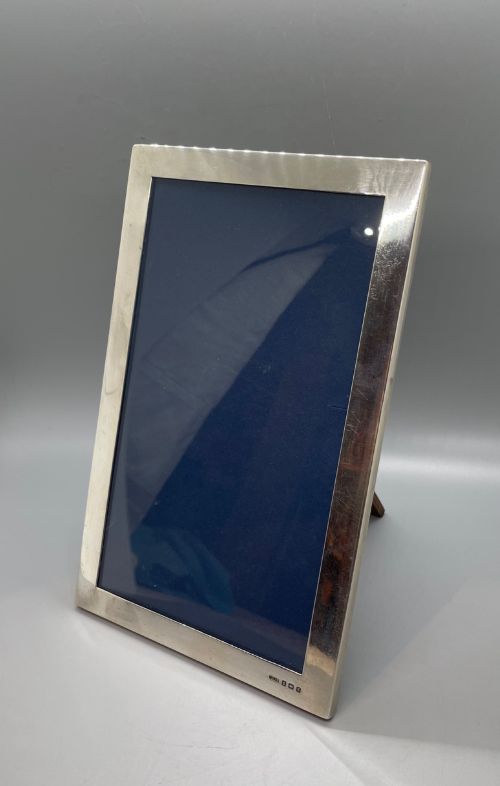
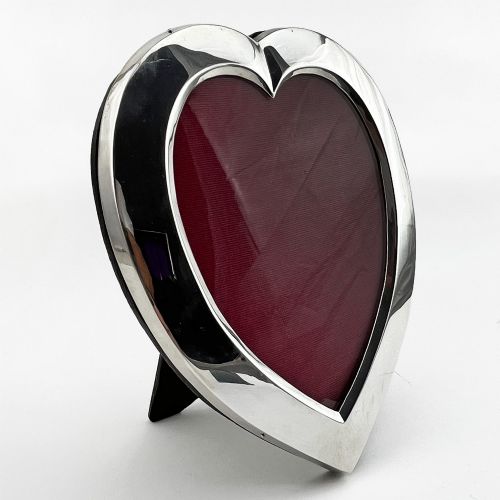
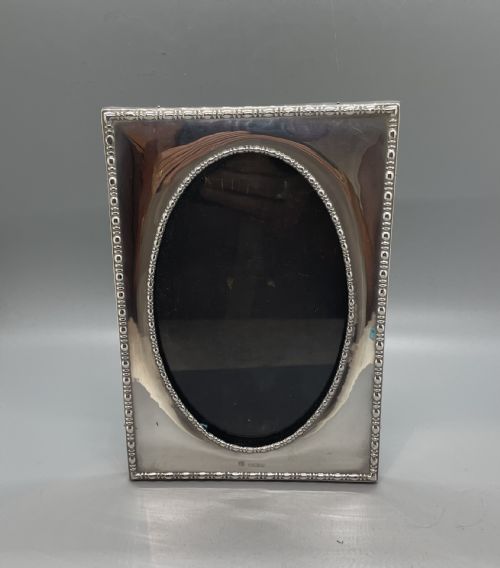
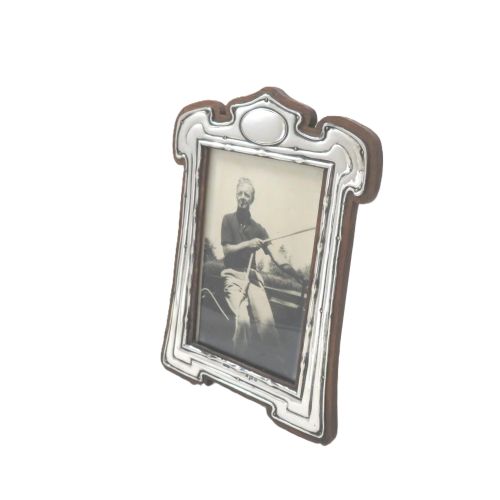
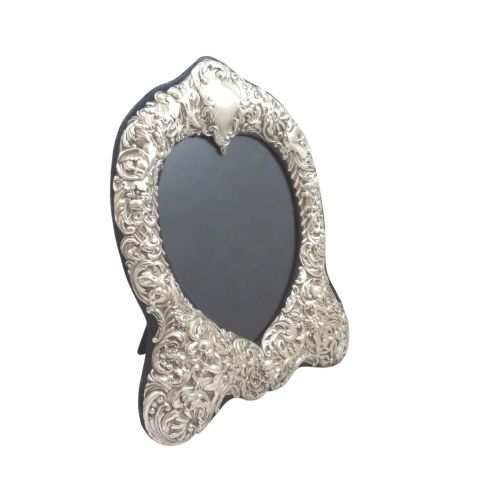
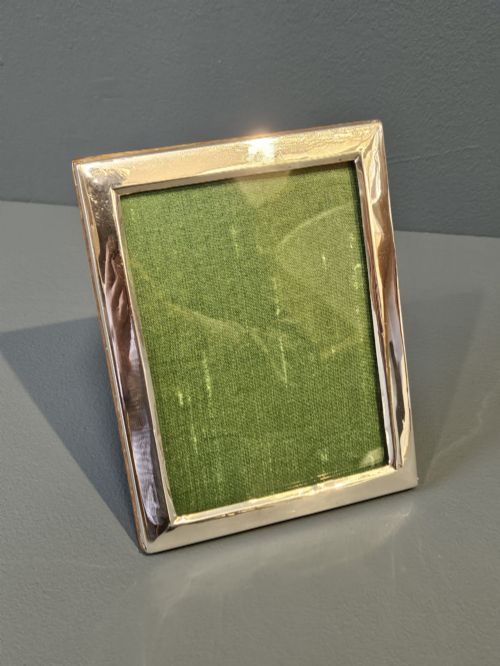
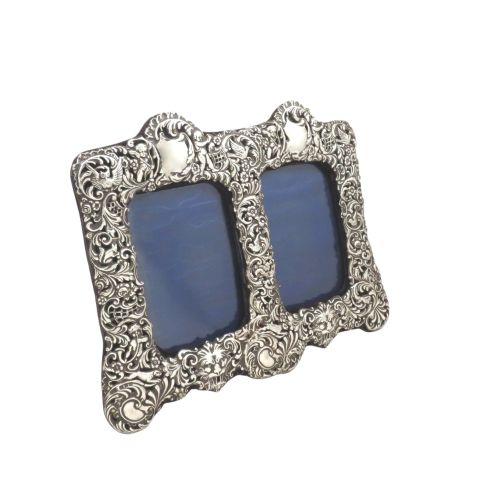
An antique framed photo brings together domestic portraiture and metalwork from the late nineteenth and early twentieth centuries. You will most frequently encounter sterling silver frames from the Victorian, Edwardian, and George V periods on this page.
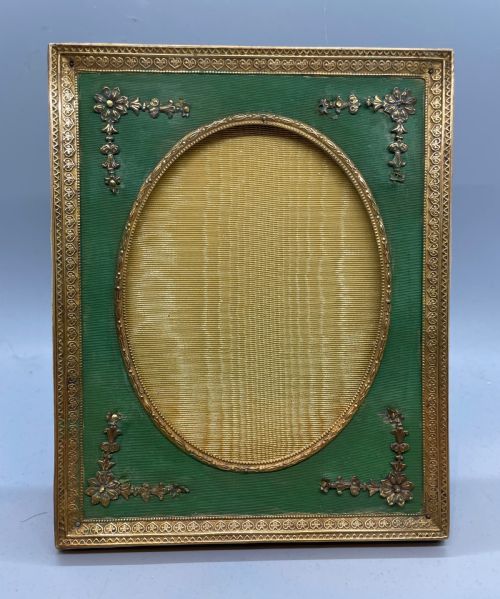
The objects range from small heart-shaped tokens and landscape formats to large exhibition pieces bearing hallmarks from assay offices in cities like Birmingham and Sheffield. Alongside metal mounts, the selection includes gilt bronze, leather, and occasional photographic portraits.
Materials and Technique
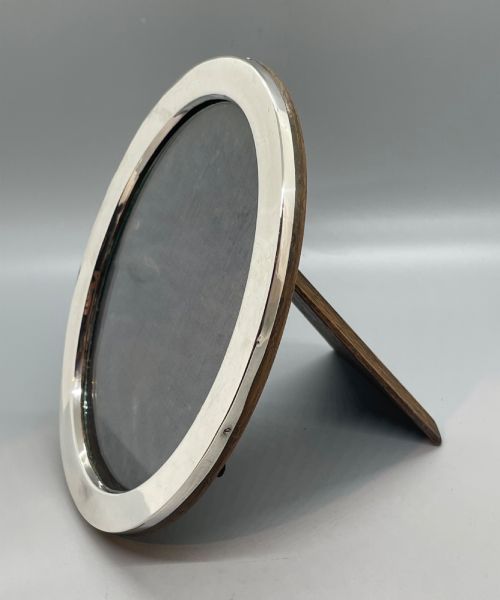
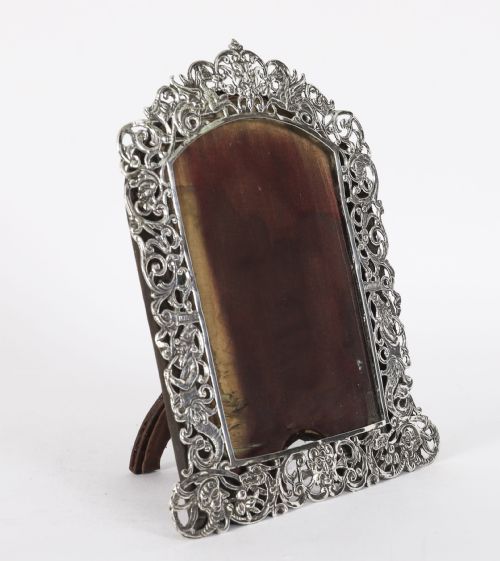
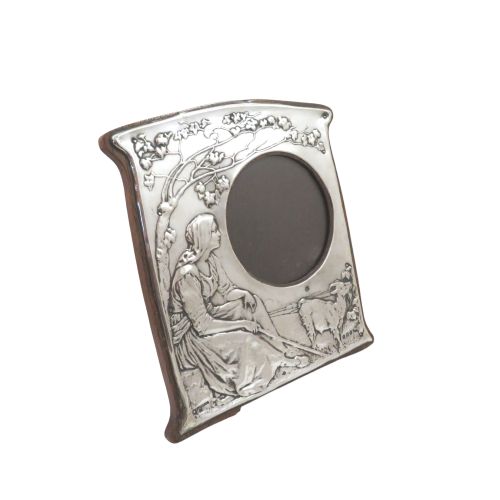
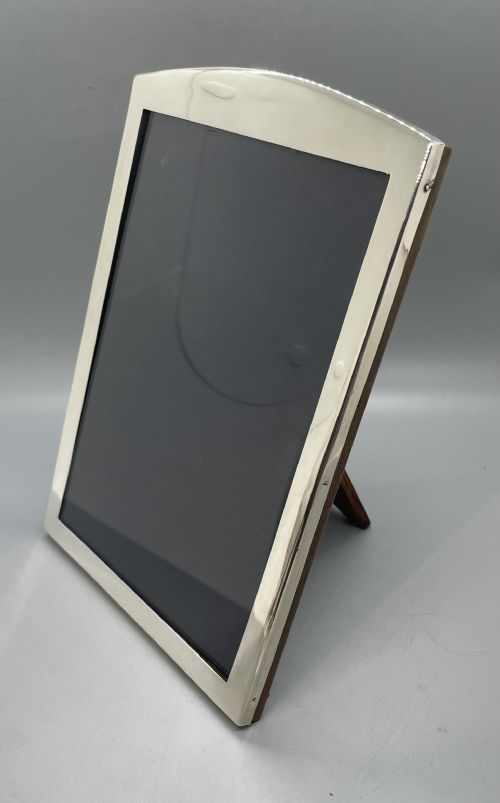
Silversmiths constructed these frames using heavy sterling silver sheets, often embossed, chased, or engraved with floral borders, cherubs, and animals. Wooden backs and easel struts support the metal fronts, secured by turned pins and velvet linings.
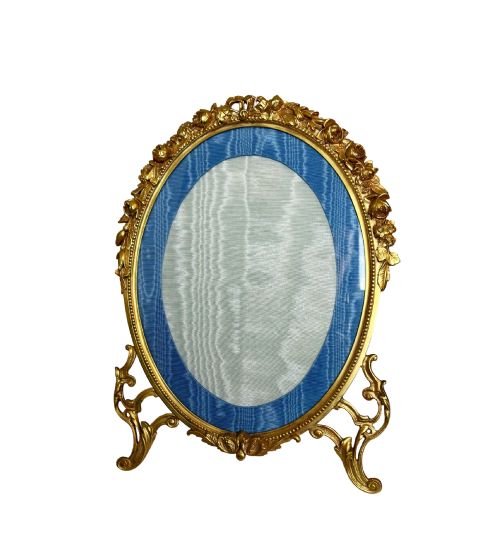
Makers utilised casting and gilding for bronze and ormolu pieces, achieving the rich finishes seen in French Rococo and Empire styles. Enamel work and applied glass further augmented the decorative repertoire of the period workshops.
Listings include sterling silver, gilt bronze, leather, and glass materials spanning from the Victorian era to the nineteen-sixties.
Distinctions in Quality
The distinction between ordinary production and finer work lies in the crispness of the chased detail and the gauge of the silver. Superior frames display deep, clear hallmarks and intricate hand-embossing rather than shallow, pressed metal.
Makers with established reputations invested greater skill in the hinges, catch mechanisms, and structural wooden backs. Condition of the original velvet backing and structural integrity of the easel support also dictate the standing of a piece.
Rosenthal, Jacob & Co.·William Comyns·William Hutton and sons·Mappin Bros·W.I.Broadway & Co
The Antique Framed Photo Glossary
- Hallmark
- Official marks stamped on precious metals to guarantee purity and origin. These symbols identify the assay office, standard of silver, and date letter.
- Ormolu
- Finely ground high-carat gold applied to a bronze base using mercury. This technique creates a durable, warm metallic lustre popular in decorative frames.
- Chasing
- A metalworking technique where the smith indents the front surface with punches to raise a design in relief. It differs from engraving because no metal is removed.
- Easel back
- A hinged strut attached to the rear of a frame allowing it to stand upright on a surface. They are typically covered in velvet, leather, or watered silk.
Antique Framed Photo: Frequently Asked Questions
How do I date a silver frame?
You date a silver frame by reading the hallmarks stamped onto the metal border. These marks include a date letter corresponding to the specific year and assay office of manufacture.
Additional clues come from the overall design style, such as Art Nouveau whiplash lines or Edwardian floral garlands.
How were these frames displayed originally?
These frames sat upon mahogany writing desks, mantelpieces, and boudoir tables in middle and upper-class homes. Their easel backs allowed them to stand independently among other domestic ornaments.
Many were also manufactured with rings to hang securely on panelled walls.
Can I polish the silver parts?
You can polish the sterling silver borders using a soft cloth and a gentle, non-abrasive silver cream. Care must be taken to avoid the surrounding fabric, velvet, or glass inserts.
Frequent light cleaning preserves the detail of the chased work without wearing down the hallmarks.
What styles dominate this selection?
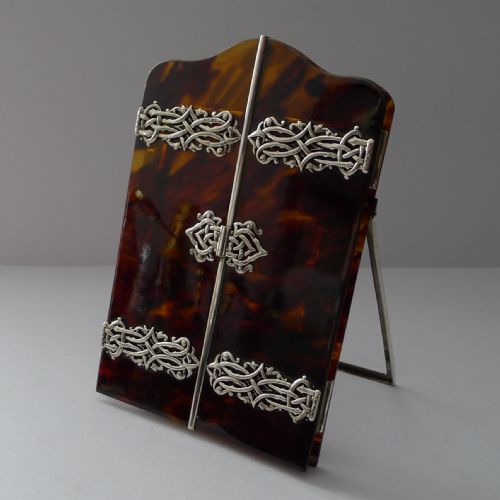
The selection is heavily influenced by Art Nouveau curves, Edwardian floral motifs, and the clean lines of the George V era. You will also encounter occasional Victorian pieces featuring birds, cherubs, and tortoiseshell.
Stylistic shifts reflect the changing tastes in domestic interior decoration from the eighteen-nineties onward.