


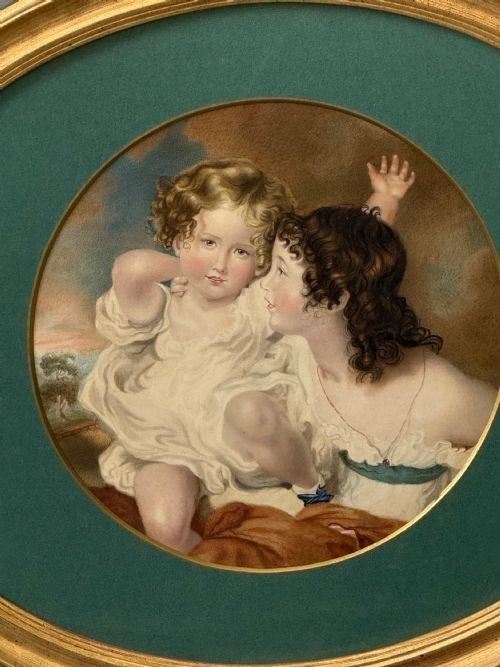
Antique Framed Miniature Art
These antique framed miniature art pieces offer intimate scale and delicate detail, bringing historic portraiture and silhouettes into domestic spaces.
Antique Framed Miniature Art
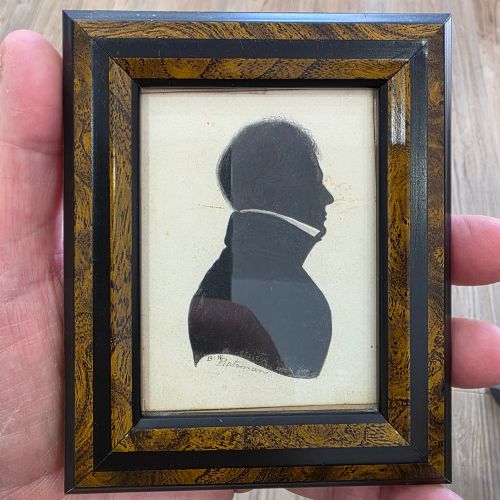
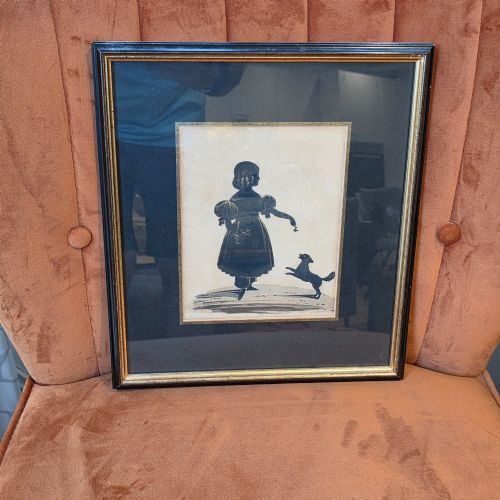
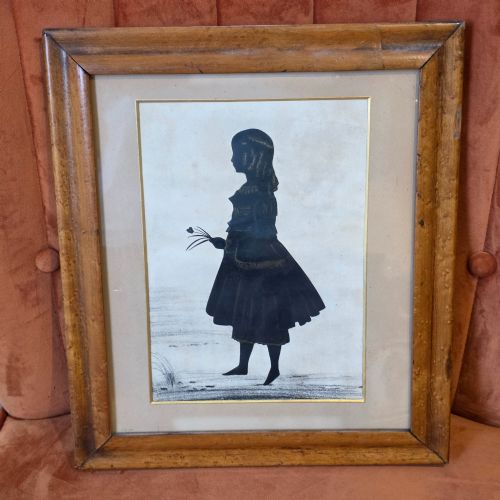
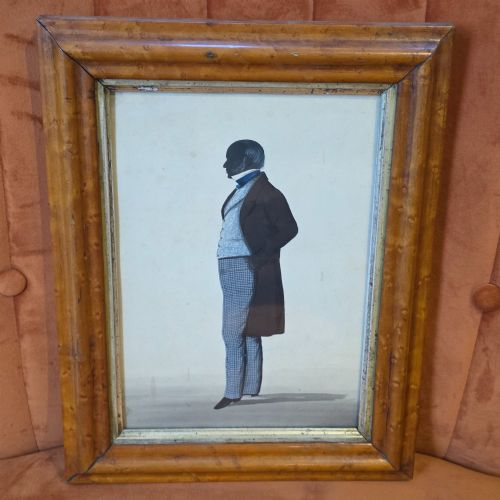
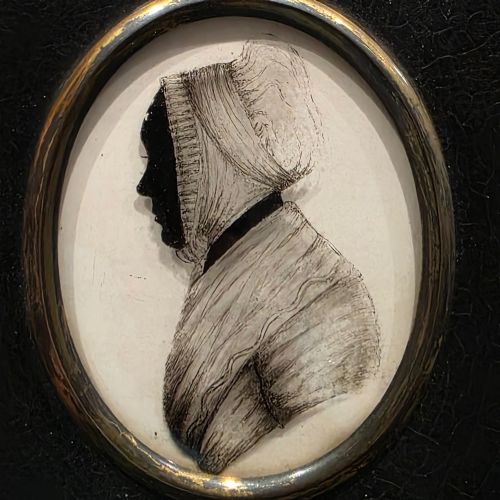
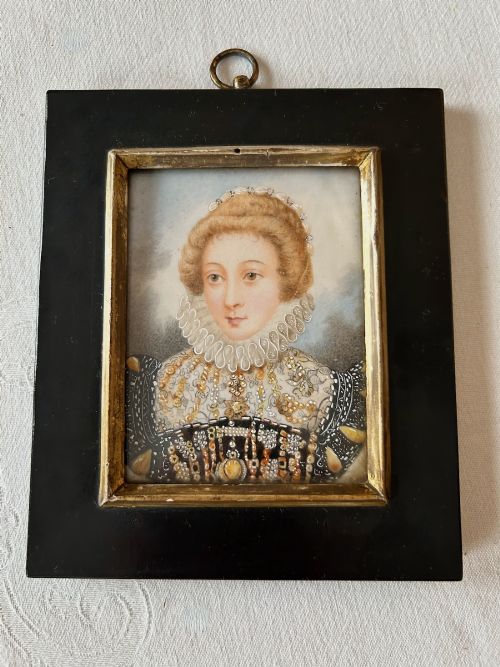
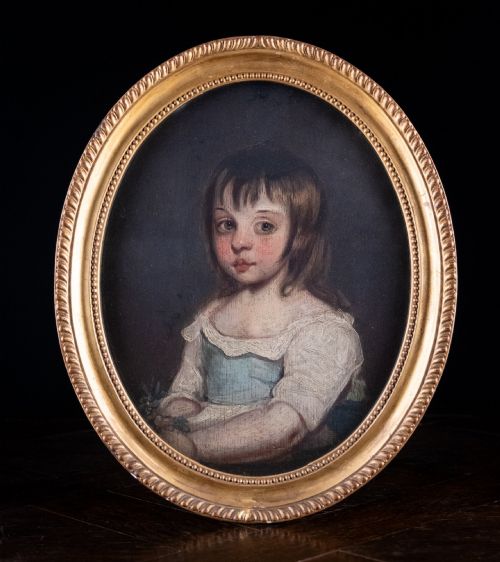
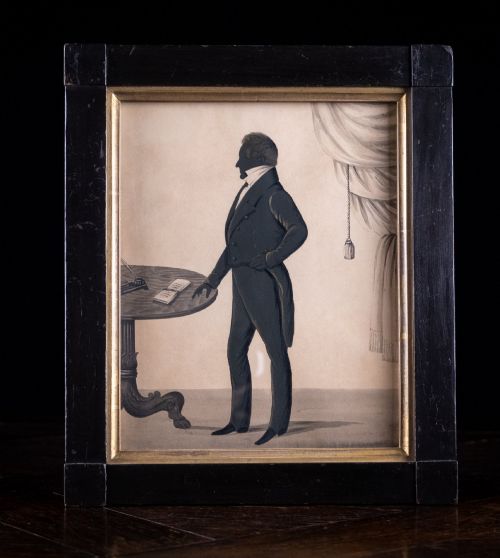
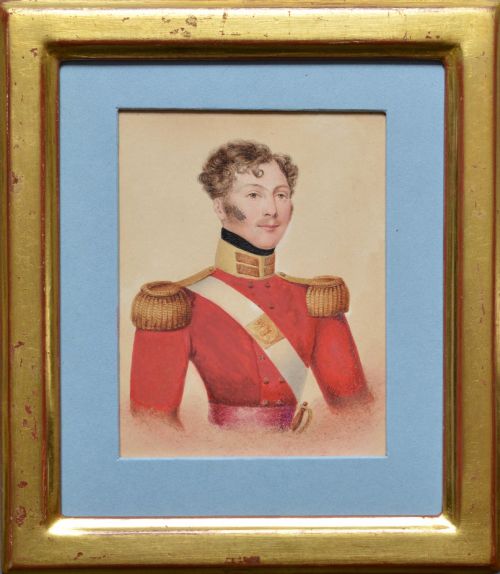
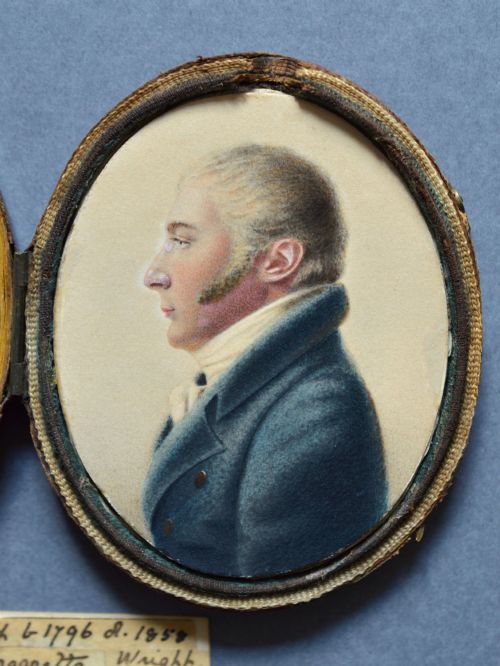
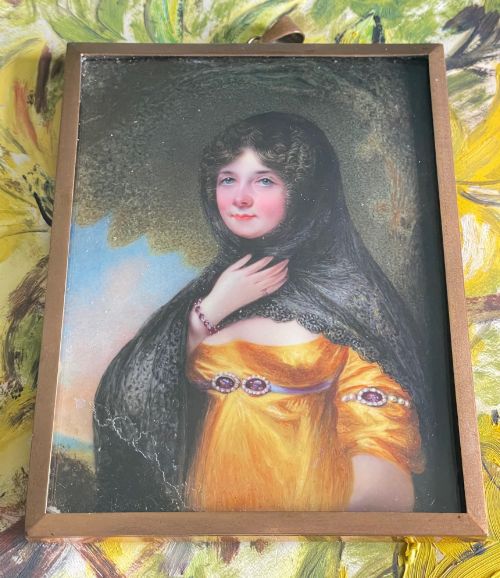
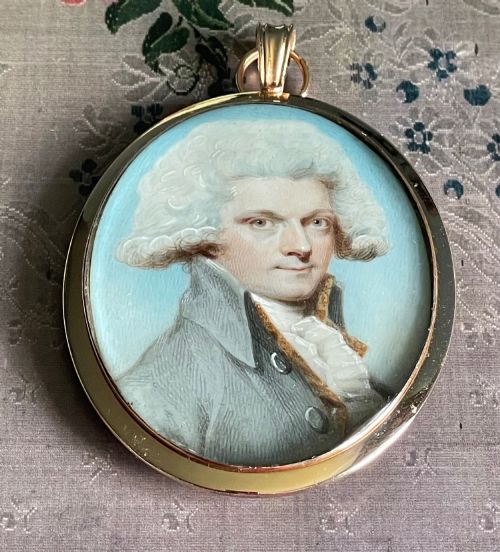
When you search for antique framed miniature art, you encounter small-scale works produced across the eighteenth and nineteenth centuries. These pieces encompass portrait miniatures, silhouette portraits, and miniature paintings, capturing likenesses of individuals and historical figures.
The selection on this page draws heavily from the Georgian, Regency, and Victorian periods, reflecting shifting tastes in portraiture from elaborate enamel works to crisp cut-paper silhouettes. Subjects range from military officers and children to society figures.
Works appear in various formats including wall art, wall plaques, and framed artwork. Many retain their period enclosures, demonstrating the importance of contemporary presentation for small-scale visual items.
How They Were Made
Silhouette artists employed cut paper or reverse painting techniques on glass, sometimes adding subtle gilding to highlight garments or accessories. These methods demanded swift accuracy without the margin for correction found in larger canvases.
Frames incorporated wood, brass, gilt metal, and gold leaf, often protected by glass to shield the delicate pigments and paper beneath.
The listings span the 18th century, Georgian, Regency, 19th century, and Victorian periods, showcasing a progression in portrait styles from neoclassical influences to romantic revivalism.
What Varies in Quality
Quality rests in the precision of the brushwork or the sharpness of the paper cutting. Superior examples display individuality and careful attention to the sitter's expression, whereas weaker pieces rely on formulaic repetition.
The integrity of the materials matters greatly. Pieces that retain their original glass, mounting, and frames without excessive restoration preserve their historical character more successfully than those altered over time.
William James Hubard·Henri Fradelle·JAMES SHARPLES·Henry Bone ARA·Thomas John Horsley·Horace Hone·Charles Shirreff·Richard Cosway·Augustin Edouart·James Gillespie
The Antique Framed Miniature Art Glossary
- Silhouette
- A portrait rendered as a solid shape, usually in profile, created through cutting paper, painting, or reverse painting on glass. This form gained widespread popularity during the eighteenth and nineteenth centuries.
- Enamel
- A durable substance made by fusing powdered glass to a metallic substrate under high heat. Portrait painters used enamel to achieve lasting brilliance and rich colour.
- Reverse painting on glass
- A technique where the artist applies pigment to the back of a glass sheet and views the finished image from the front. This method protects the paint surface from atmospheric damage.
- Print on silk
- An image transferred or printed directly onto a fine silk textile rather than paper. It provided a delicate sheen suitable for fashionable domestic display.
- Wax portrait
- A sculptural likeness modelled in relief using tinted or pigmented wax. These pieces often depicted dignitaries and required careful environmental control to prevent softening.
Antique Framed Miniature Art: Frequently Asked Questions
How were antique miniature portraits displayed?
Owners typically hung these small works in intimate spaces such as boudoirs, bedchambers, or private studies where viewers could examine them closely at eye level.
Many pieces were also designed to be worn as personal pendants or kept in protective travel cases, allowing individuals to carry likenesses of family members or notable figures.
What is the difference between a silhouette and a portrait miniature?
Silhouettes focus entirely on outlines and profiles, rendered in solid dark tones or cut paper, often highlighting specific facial contours through minimal detail.
Portrait miniatures utilise full colour, shading, and fine brushwork in mediums like watercolour or enamel to capture realistic likenesses and textures of clothing.
How do I identify a Regency period frame?
Regency frames frequently feature classical revival motifs, including clean linear profiles, decorative gilt brass mounts, and convex mouldings that complement the smaller artwork.
These enclosures often utilise specific woods and gilding styles distinct from the heavier, more ornate carving associated with later Victorian production.
Can I hang miniature art in direct sunlight?
Direct sunlight poses a significant risk to antique paper, watercolour pigments, and silk, causing them to fade permanently over time.
Displaying these fragile items away from windows and utilising UV-protective glazing helps preserve the integrity of the original materials.