

Antique Framed Glass
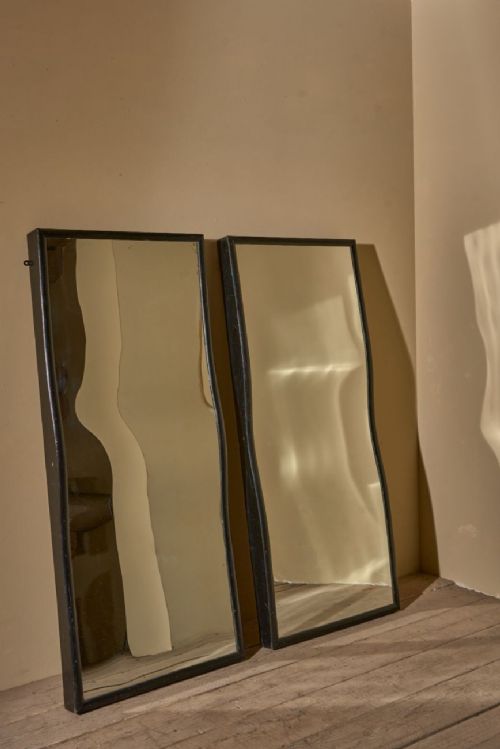
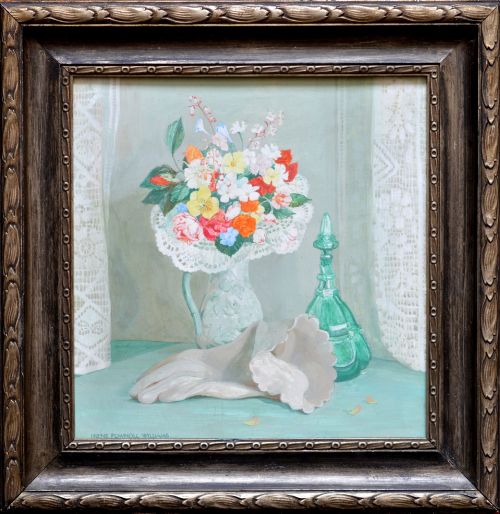
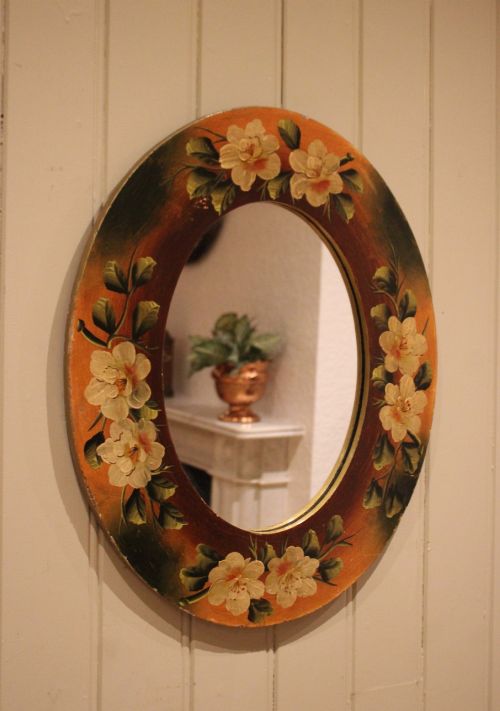
When you search for antique framed glass, you meet mirrors, lanterns, miniatures, and small display pieces held in wood, brass, or gilt frames.
Antique Framed Glass
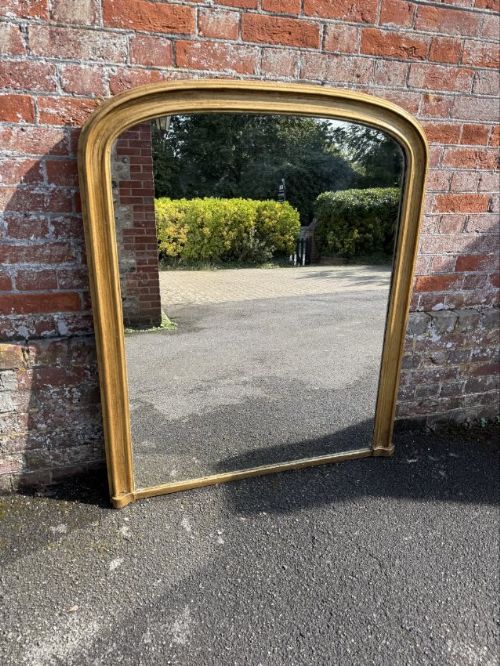
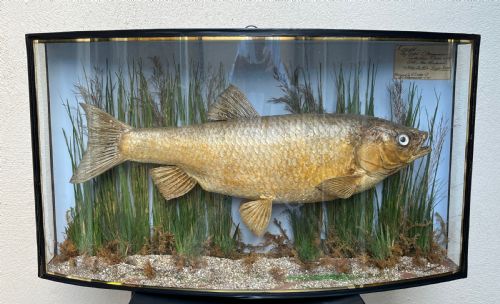
The search for antique framed glass covers wall mirrors, overmantels, pier glasses, and lanterns alongside tabletop display cases, terrariums, and reverse-painted mezzotints. You encounter items dating from the eighteenth century through to the early twentieth century, spanning Georgian, Regency, Victorian, and Edwardian periods.
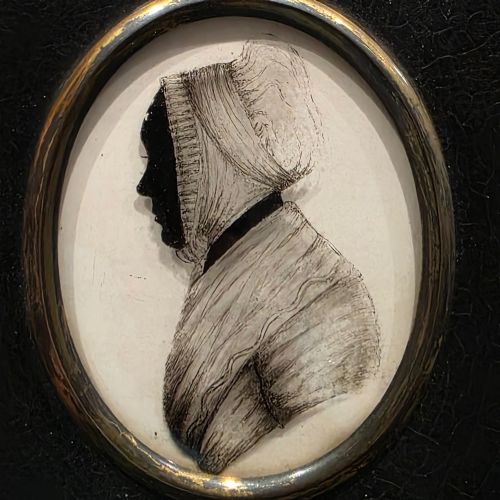
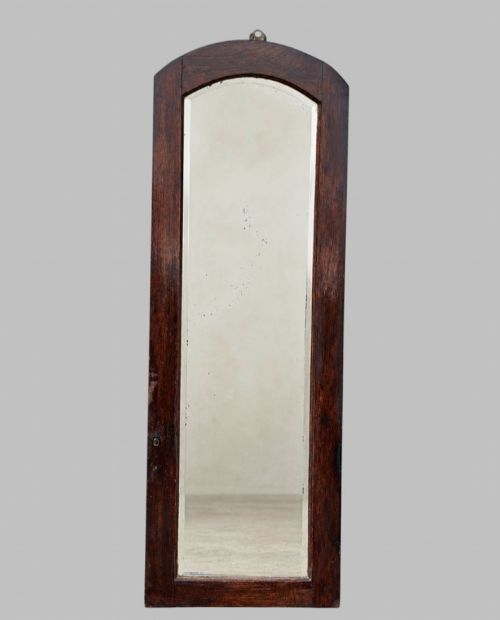
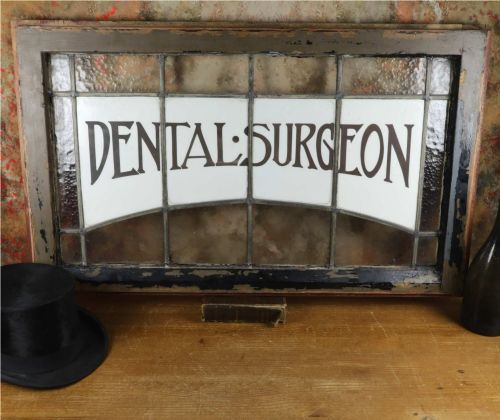
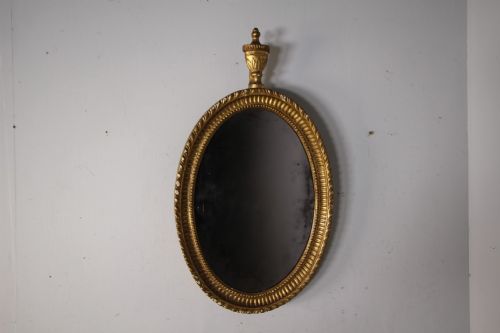
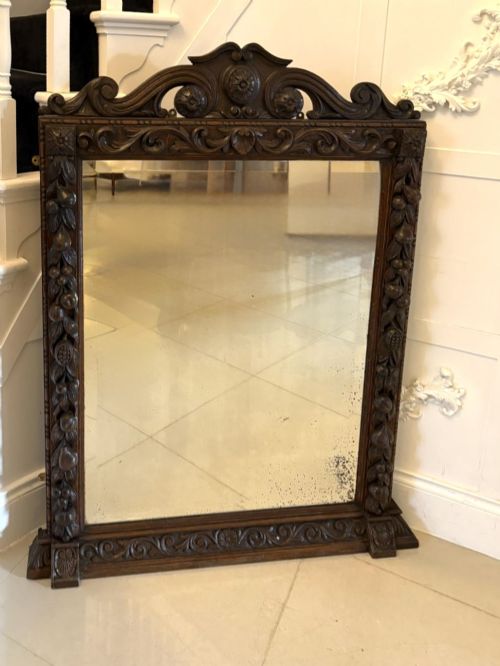
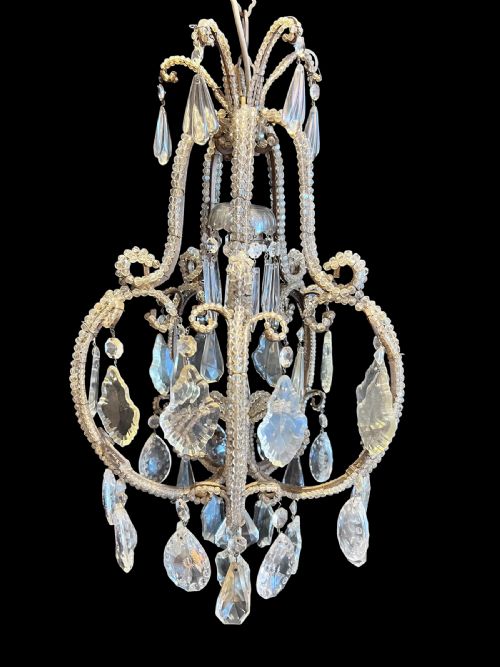
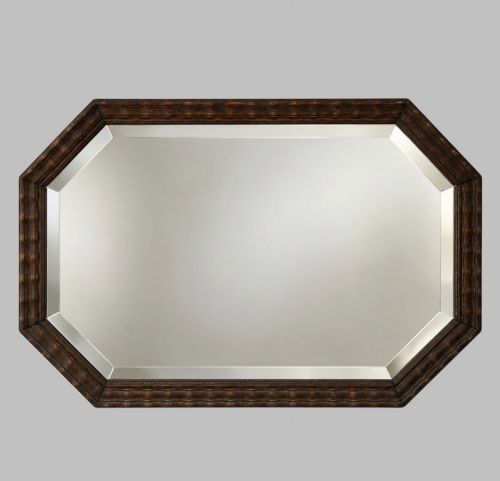
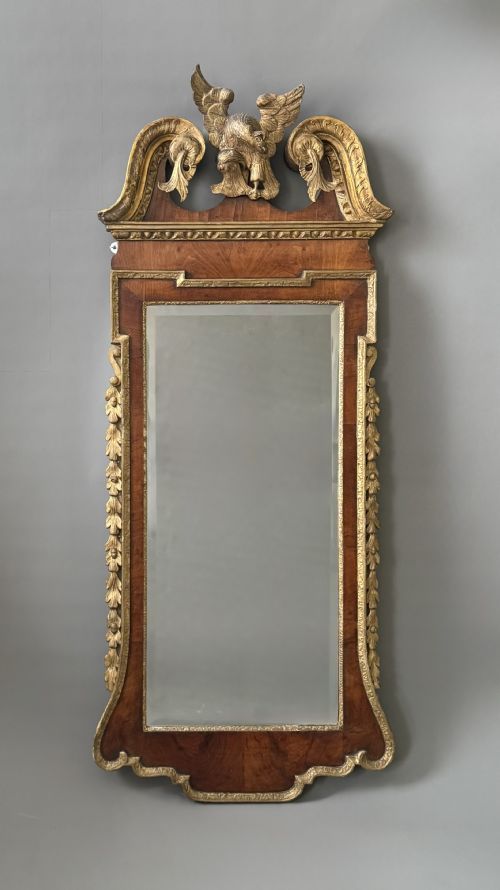
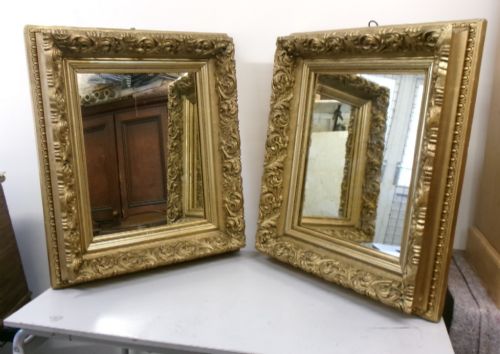
Mirrors form the core of what appears, framed in carved wood, gesso, giltwood, mahogany, and oak, often with bevelled plates or original mercury glass. Alongside them sit brass-framed lanterns, glass signs, and framed silhouettes or portrait miniatures.
Origin varies between English workshops, French ateliers, Italian glass houses, and Chinese decorative studios. Pieces range from large architectural overmantel mirrors down to small magnifying glasses and desktop display cases.
How they were made
Makers shaped frames from oak, mahogany, and walnut, or carved softwood before applying gesso and gold leaf to create gilded surfaces. Brass and gilt bronze formed structural frames for lanterns, leaded glass panels, and display cases.
Glass plates were silvered or left clear for reverse painting and mezzotints, with mercury glass appearing on earlier French examples. Bevelled edges and hand-cut facets required skilled manual grinding on heavier mirror plates.
Listings span the eighteenth, nineteenth, and early twentieth centuries, featuring materials from giltwood and brass to oak and mercury glass.
What varies in quality
The depth and crispness of hand-carved gesso ornament distinguish finer frames from simpler moulded versions. Superior gilding reflects greater care in applying gold leaf over prepared wooden grounds.
The clarity and age of the glass plate matter, with original mercury mirror glass and hand-bevelled edges showing greater craftsmanship than later replacements. Joinery in the wooden frames, from fretwork to heavy overmantel construction, dictates overall structural integrity.
Waring and Gillow·Little and Company·Charles Spooner
The Antique Framed Glass Glossary
- Mercury glass
- A type of silvered glass produced by pouring a liquid mercury amalgam between double-walled blown glass before sealing the opening. It creates a characteristic mottled reflection.
- Gesso
- A plaster-like mixture applied to wood frames and carved or moulded into intricate relief decorations before gilding. It provides a smooth base for gold leaf.
- Mezzotint
- A printmaking process where the copper plate is roughened to achieve rich tones and dark fields, often reverse-painted on glass in these examples. It produces subtle gradations of light and shade.
- Pier glass
- A tall, narrow mirror designed to hang on the wall between windows, often placed above a pier table. They frequently feature giltwood frames.
- Overmantel mirror
- A wide mirror designed to sit directly above a fireplace mantelpiece. They often display arched tops and ornate carved frames.
Antique Framed Glass: Frequently Asked Questions
What is mercury glass?
Mercury glass is a double-walled blown glass lined with a silvering mixture, creating a dark, reflective surface that develops foxing over time.
It appears frequently in eighteenth and nineteenth-century French and English mirrors.
How do I hang a heavy overmantel mirror?
Heavy carved wood and gesso overmantel mirrors require secure wall fixings anchored directly into masonry or substantial timber studs.
Professional mirror installers use distributed weight brackets to support the substantial frame and glass plate safely.
What is a reverse painted mezzotint?
A reverse painted mezzotint is an engraving applied to the rear surface of a glass sheet and painted by hand from behind.
This technique protects the delicate ink and pigment from dust and light damage.
How do I clean an antique mirror?
Antique mirrors require gentle dusting with a dry, soft cloth to protect fragile giltwood frames and aged silvering.
Moisture must be kept away from the edges of the glass plate to prevent further degradation of the backing.