





Antique Foyer Seating
Antique foyer seating provides a striking first impression in a hallway, offering sturdy wooden forms designed for brief use.
Antique Foyer Seating
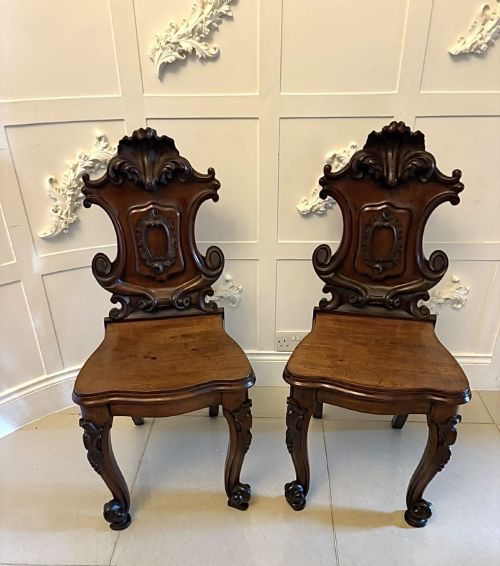
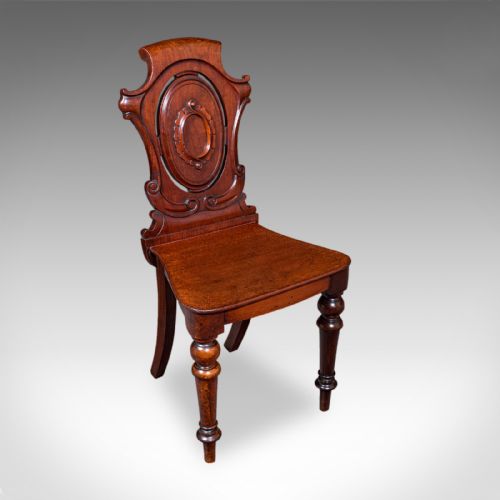
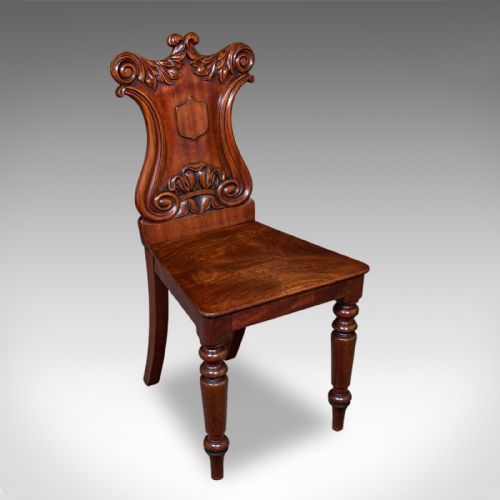
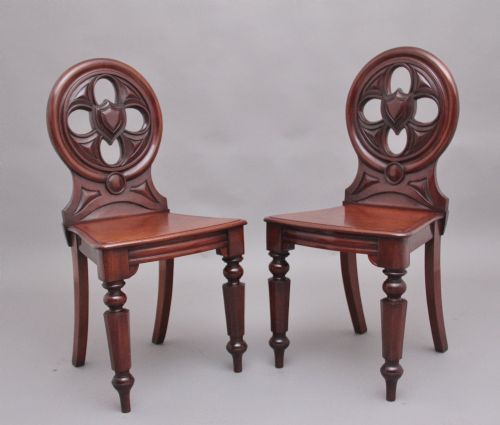
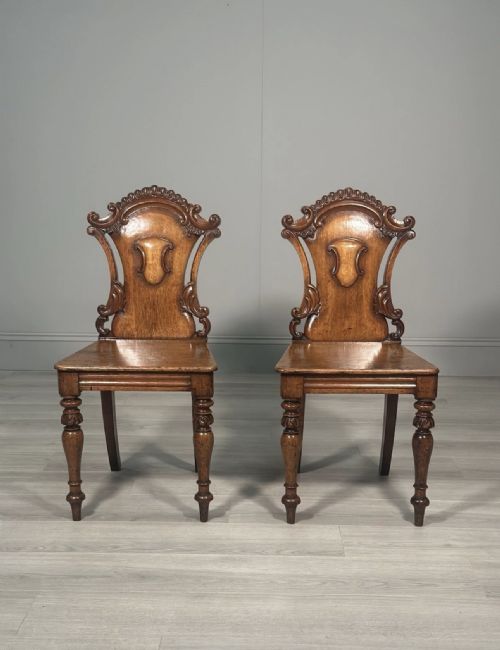
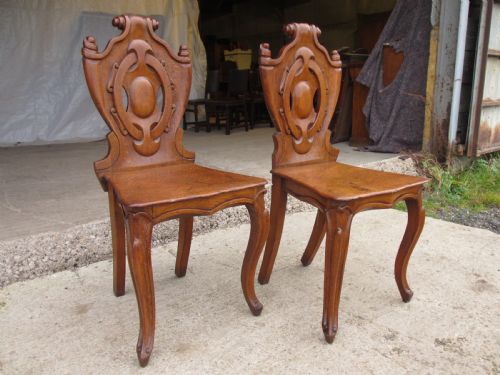
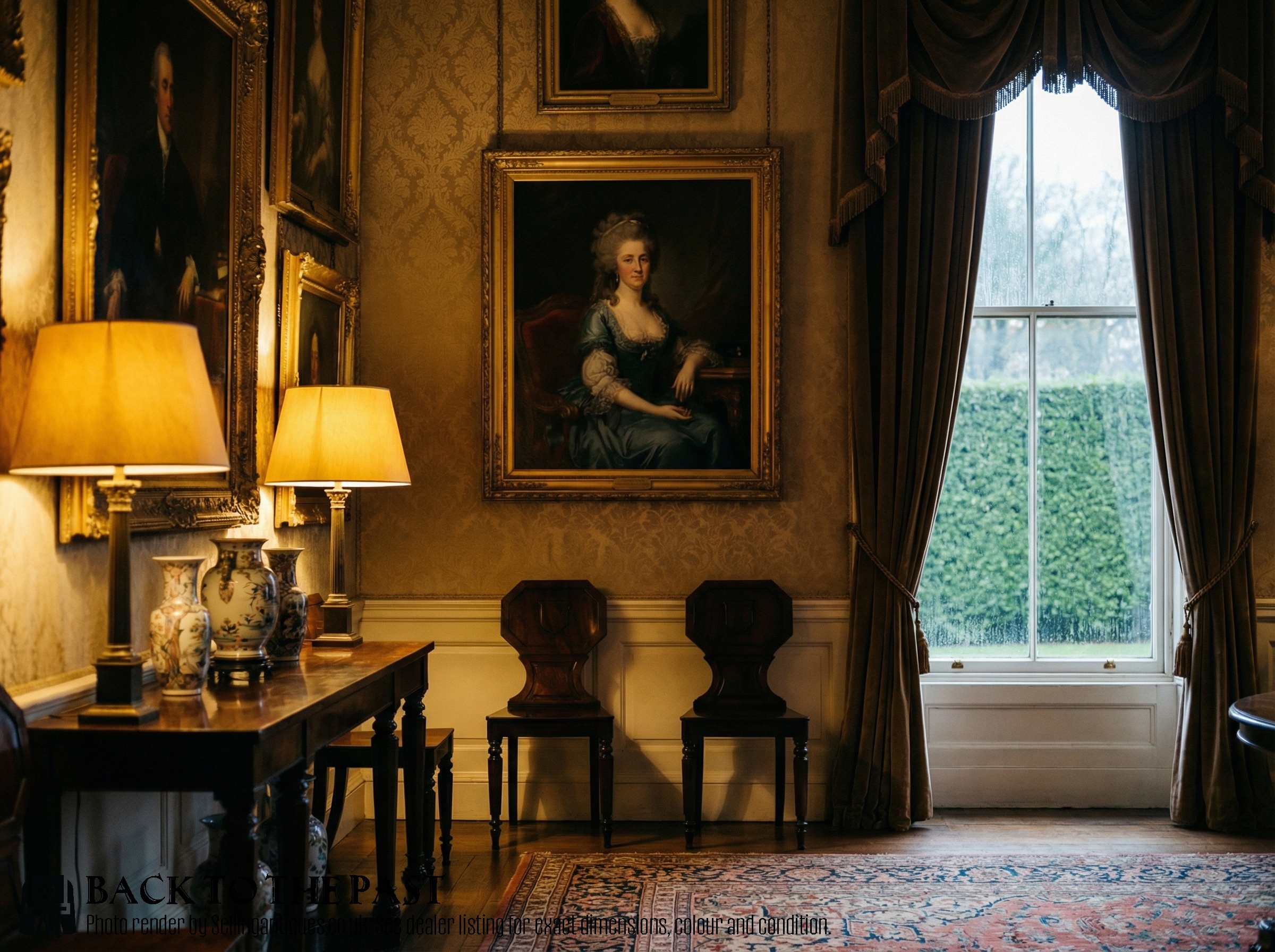
The pieces appearing on this page take specific forms, including shield backs, pelta backs, and oval backs. Buyers frequently encounter single items as well as matched pairs and sets of four originating from Scottish, Irish, and English workshops.
How they were made
Makers constructed antique foyer seating predominantly from dense hardwoods such as mahogany, oak, and walnut, frequently incorporating carved details into the wooden frames. These materials provided the necessary structural rigidity required for heavy use in entranceways.
Selected examples integrate brass hardware and cabriole legs to elevate the decorative finish of the seating. Woodcarving techniques define the distinct back designs, ranging from geometric shield shapes to sculptural pelta patterns.
Antique Foyer Seating Retail Price Guide 2026
Typical asking prices for foyer seating among the pieces listed under this phrase on Sellingantiques today, from the lower quarter to the upper quarter. They describe what is for sale here now, not the wider market.
Law chambers once kept these rigid wooden seats in the hall to ensure visitors maintained strict professional posture while waiting.
What varies in quality
The refinement of the woodcarving separates standard examples from exceptional pieces of antique foyer seating. Deeply carved shield backs and sculptural forms indicate superior craftsmanship and greater attention to detail by the maker.
The completeness of sets also influences distinction, as matched pairs and sets of four carry more weight than isolated single chairs. Furthermore, the choice of timber impacts overall quality, with richly grained walnut and figured mahogany commanding higher regard.
Holland & Sons
The Antique Foyer Seating Glossary
- Hall chair
- A rigid wooden seat intended for an entrance hall or foyer, typically featuring a solid wooden seat and an elaborately carved back rather than upholstery.
- Shield back
- A chair back shaped like a heraldic shield, popular in Georgian and Victorian furniture design. This form allows carvers to display intricate relief work.
- Pelta back
- A chair back shaped like a pelta, which is an ancient crescent-shaped shield. This distinctive classical motif appears on select carved nineteenth-century examples.
- Cabriole leg
- A furniture leg that curves outward and then tapers inward, mimicking animal legs. This stylistic choice appears on late nineteenth-century oak seating.
Antique Foyer Seating: Frequently Asked Questions
What is antique foyer seating used for?
These chairs originally furnished grand entrance halls, vestibules, and law chambers where visitors waited briefly.
Today, they function well in modern hallways and reception spaces to create a strong decorative statement.
How do I identify a Victorian hall chair?
Victorian examples often display heavier carving, darker walnut or golden oak timbers, and styles influenced by the Gothic Revival.
Cabriole legs and shield backs frequently appear in pieces produced during the middle and late nineteenth century.
What is the difference between Georgian and Regency styles?
Georgian hall chairs, including George III designs, tend to feature restrained classical proportions and sculptural mahogany construction.
Regency pieces often incorporate oval backs and cleaner geometric lines reflecting early nineteenth-century neoclassical tastes.