






Antique Footstool Castors
Antique footstool castors support seating from the Georgian, Regency and Victorian periods, offering mobility beneath low stools and ottomans.
Antique Footstool Castors
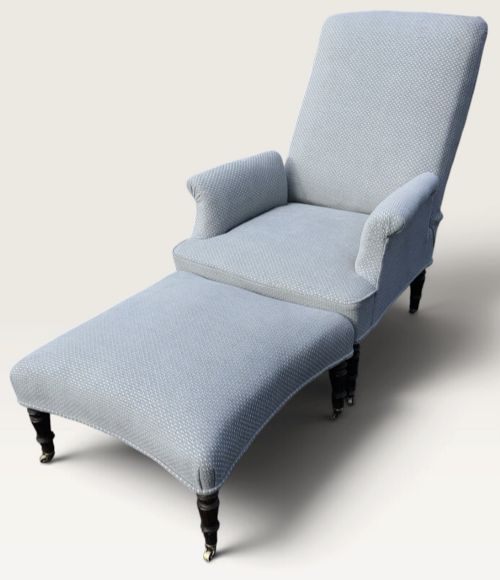
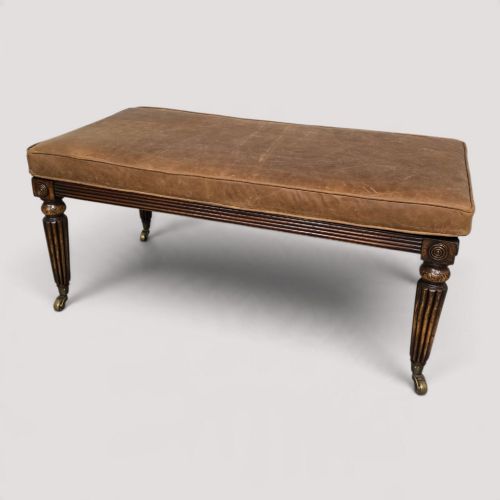
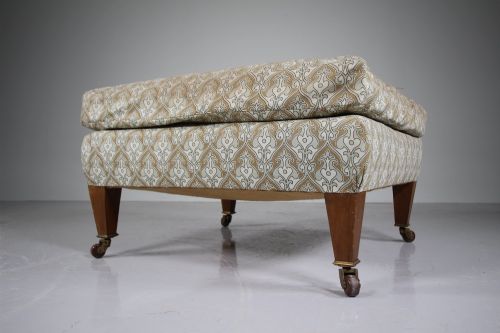
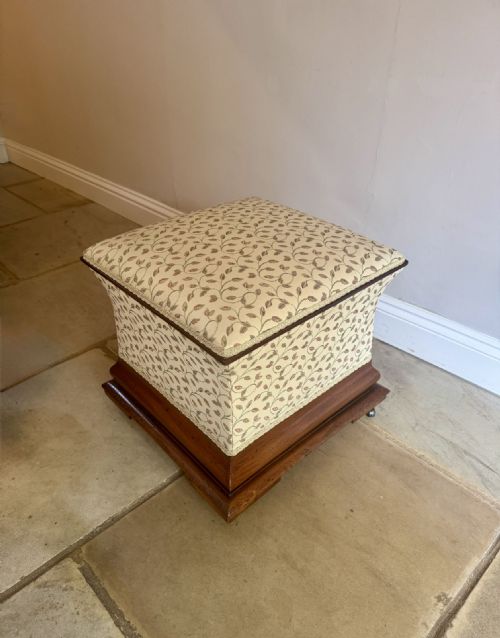
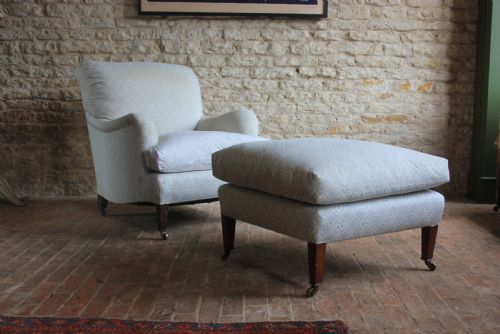
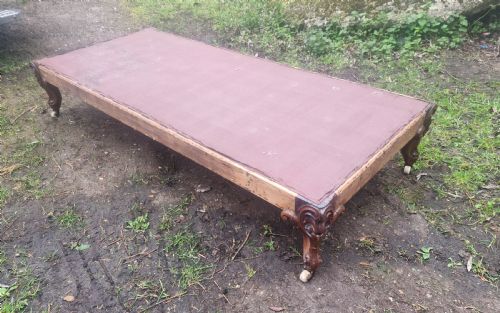
Antique footstool castors are small wheels fitted to the base of low seats, allowing heavy pieces to move easily across carpets and floors. When searching for antique footstool castors, a buyer encounters hardware attached to items like Victorian buttoned stools, walnut gout stools and mahogany box ottomans.
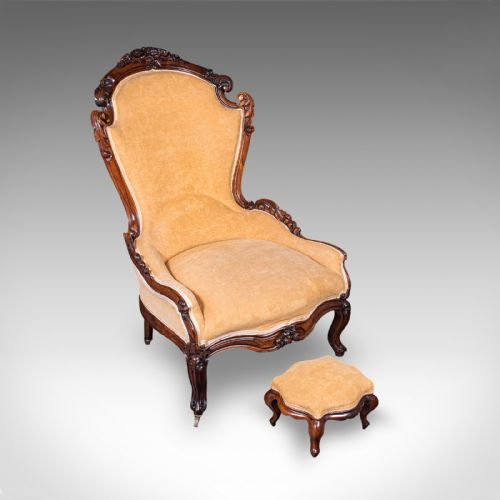
The selections span the Georgian, Regency and Edwardian eras, appearing on furniture framed in mahogany, walnut and rosewood. These small metal or ceramic wheels are integral parts of traditional footstools and ottomans designed for domestic comfort.
What varies in quality
The weight and finish of the brass determine the standard of the castor mechanism, while the precision of the turning on the wooden legs dictates the refinement of the piece. Superior examples retain original metal fittings that move freely without wobbling.
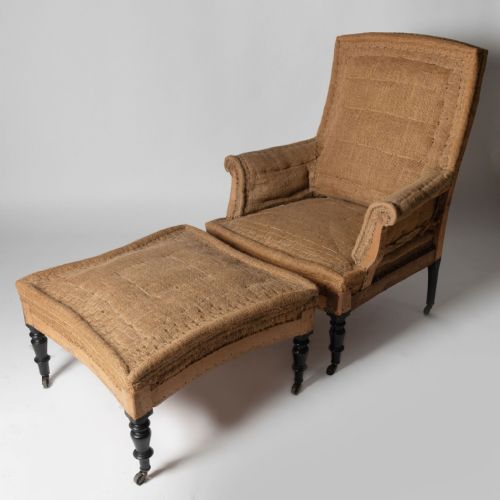
Upholstery execution also separates standard pieces from finer ones, visible in the depth of buttoning and the quality of the supporting frame structure beneath the fabric.
Antique Footstool Castors Retail Price Guide 2026
Typical asking prices for footstool castors among the pieces listed under this phrase on Sellingantiques today, from the lower quarter to the upper quarter. They describe what is for sale here now, not the wider market.
Materials across the listings include brass, mahogany, fabric, ceramic, walnut, oak, leather and linen.
Howard And Sons·James Shoolbred
The Antique Footstool Castors Glossary
- Castor
- A small wheel fitted to the legs of furniture to allow easy movement across the floor. They appear in brass and support the weight of footstools and ottomans.
- Gout stool
- A specialised low stool featuring an adjustable inclined top designed to support the foot of someone suffering from gout. These frequently stand on small castors for repositioning.
- Box ottoman
- A large upholstered seat with a hinged lid for interior storage. They frequently incorporate castors beneath their frames.
- Cabriole leg
- A furniture leg that curves out and then in, resembling the leg of an animal. These legs often terminate in castors on Victorian stools.
- Chenille
- A fuzzy tufted fabric often utilised for upholstery on nineteenth-century footstools and dressing seats.
Antique Footstool Castors: Frequently Asked Questions
Are these castors original to the stools?
Many retain their original brass fittings, though castors on antique seating were frequently replaced over decades of heavy domestic use.
Examining the screw holes and the wear around the base of the wood helps determine if the metal components belong to the original period of manufacture.
How do I clean antique brass castors?
A soft cloth and mild soapy water remove surface dirt without damaging the aged metal finish. Avoid harsh chemical polishes that strip away the historical patina accumulated over the centuries.
Keeping the wheel axles free from dust ensures the mechanism continues to turn smoothly on carpets.
What is the difference between an ottoman and a footstool?
Ottomans generally provide interior storage beneath a hinged upholstered lid and stand larger in scale. Footstools are smaller, dedicated platforms designed solely for resting feet or legs.
Both forms frequently share the same style of low brass castors for room mobility.
Can I use these stools on wooden floors?
Historic brass wheels can mark or dent sensitive modern hardwood flooring if rolled under heavy weight. Placing protective cups beneath the castors prevents potential damage while keeping the piece authentic.
Traditional wool carpets present fewer risks for original metal wheels.